First Faculty of Medicine, Charles University, Prague, Czech Republic.
Institute for Clinical and Experimental Medicine, Prague, Czech Republic.
Nutr Diabetes. 2023 Apr 21;13(1):7. doi: 10.1038/s41387-023-00235-5.
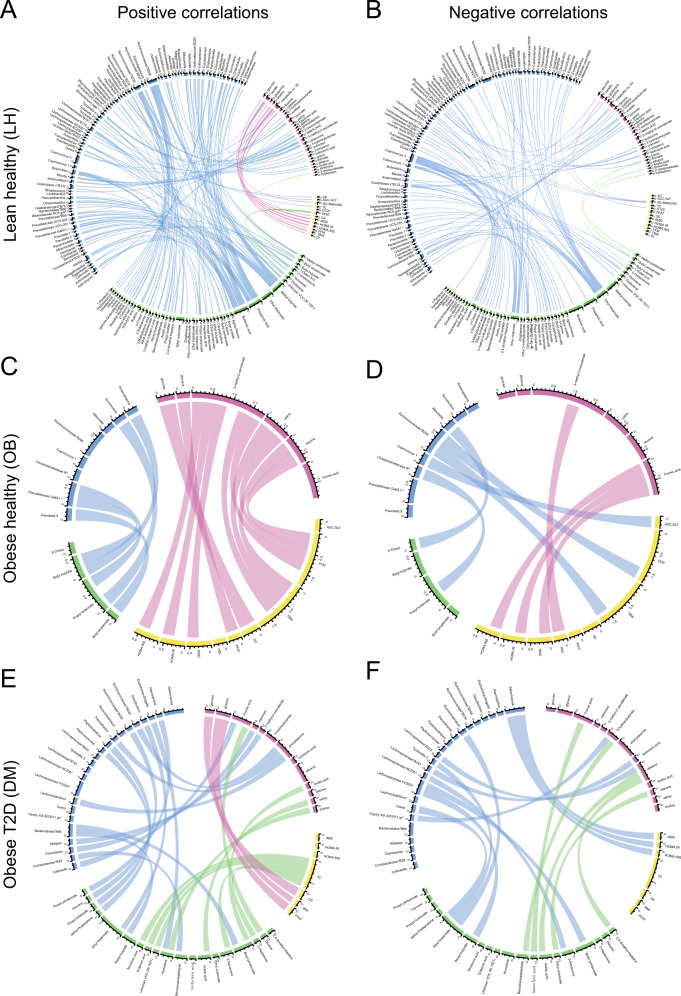
The metabolic performance of the gut microbiota contributes to the onset of type 2 diabetes. However, targeted dietary interventions are limited by the highly variable inter-individual response. We hypothesized (1) that the composition of the complex gut microbiome and metabolome (MIME) differ across metabolic spectra (lean-obese-diabetes); (2) that specific MIME patterns could explain the differential responses to dietary inulin; and (3) that the response can be predicted based on baseline MIME signature and clinical characteristics.
Forty-nine patients with newly diagnosed pre/diabetes (DM), 66 metabolically healthy overweight/obese (OB), and 32 healthy lean (LH) volunteers were compared in a cross-sectional case-control study integrating clinical variables, dietary intake, gut microbiome, and fecal/serum metabolomes (16 S rRNA sequencing, metabolomics profiling). Subsequently, 27 DM were recruited for a predictive study: 3 months of dietary inulin (10 g/day) intervention.
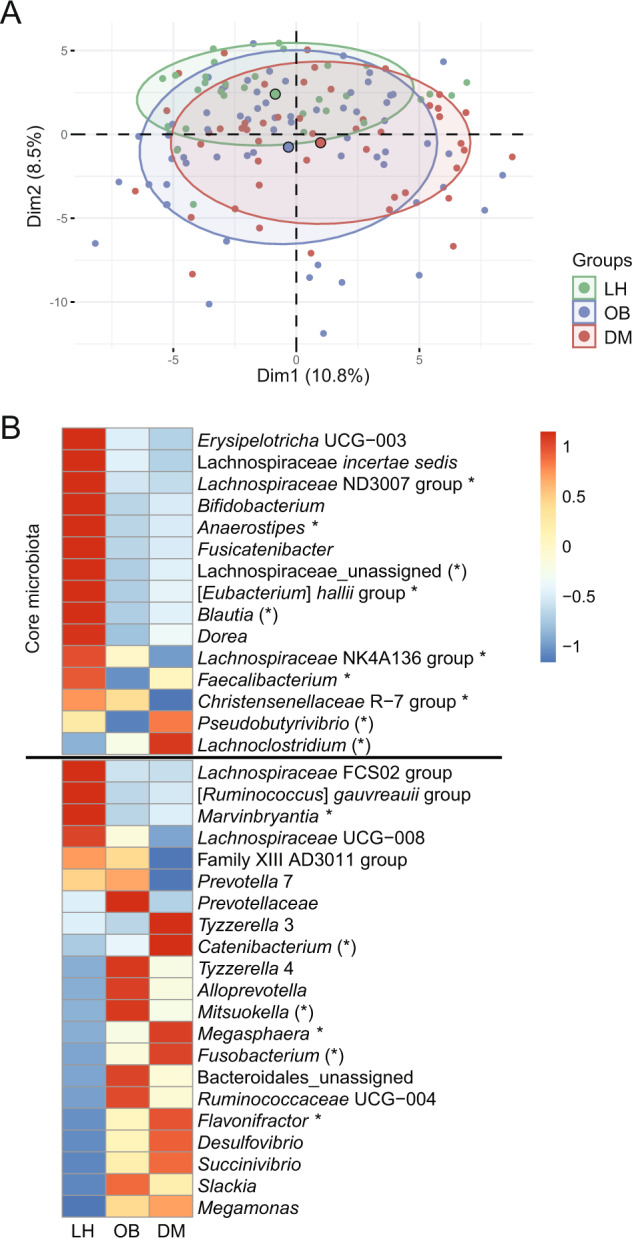
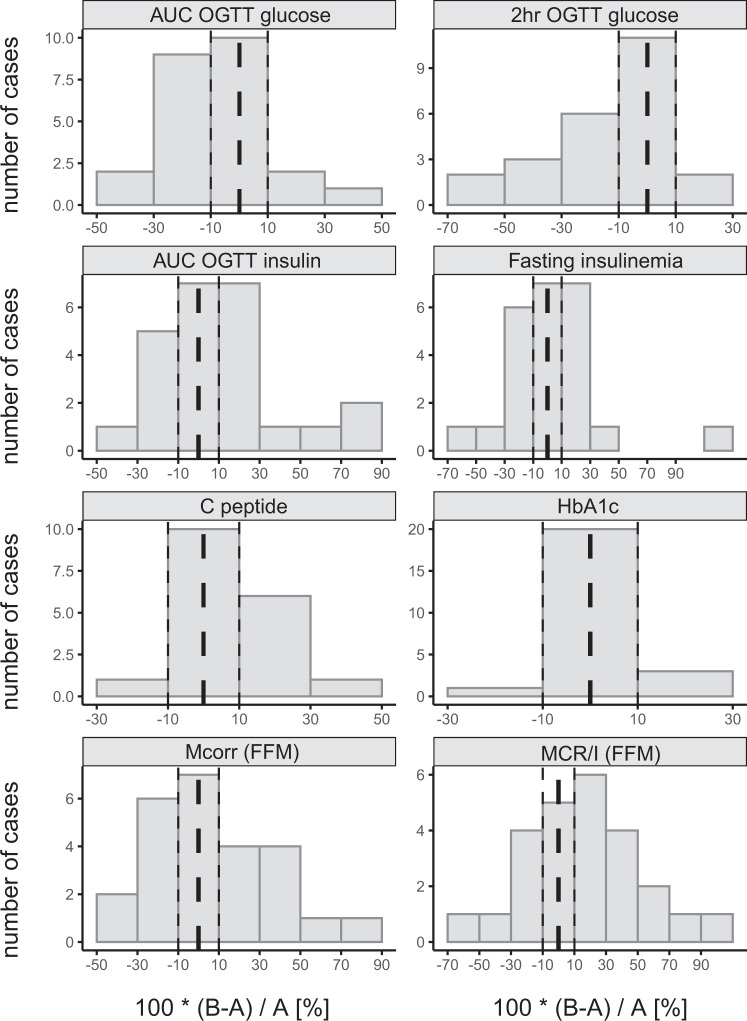
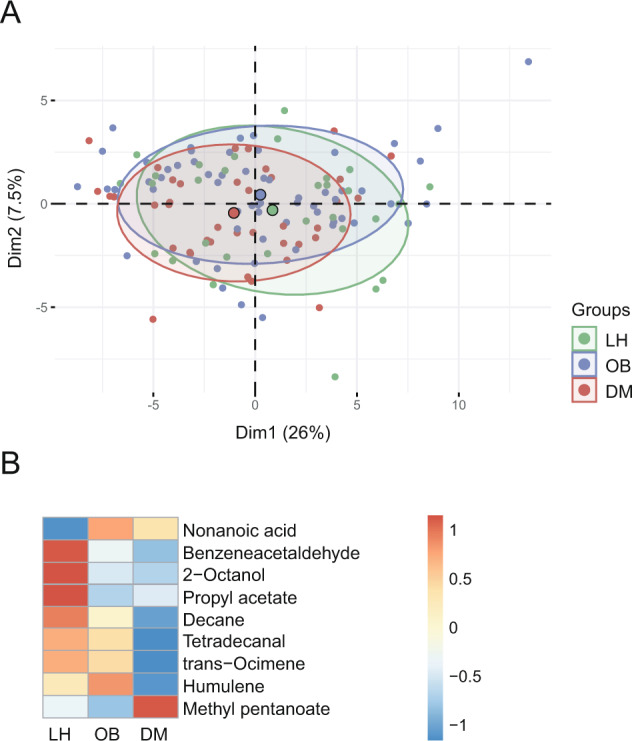
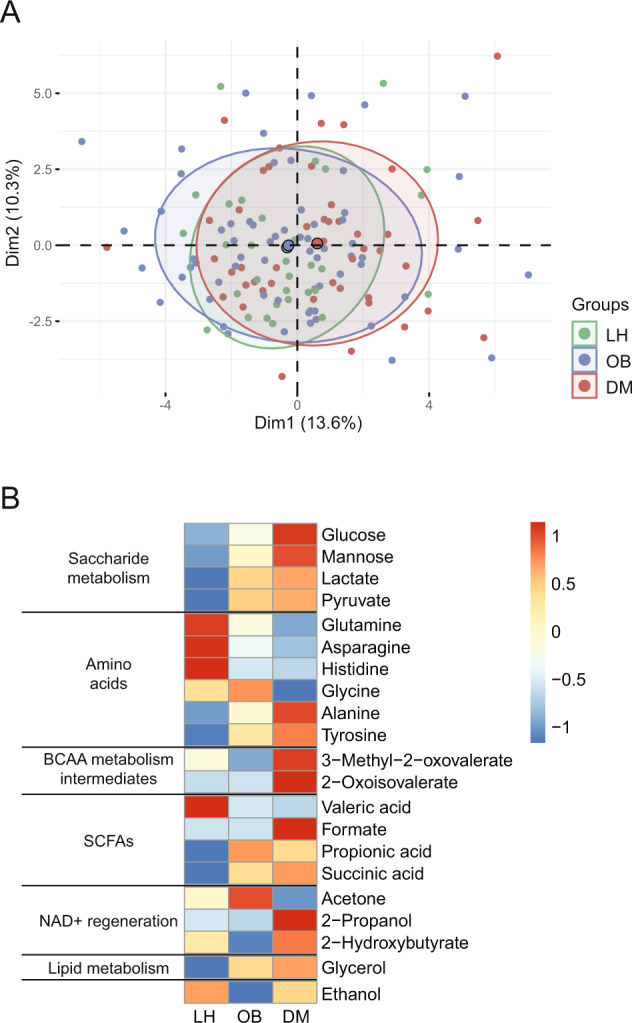
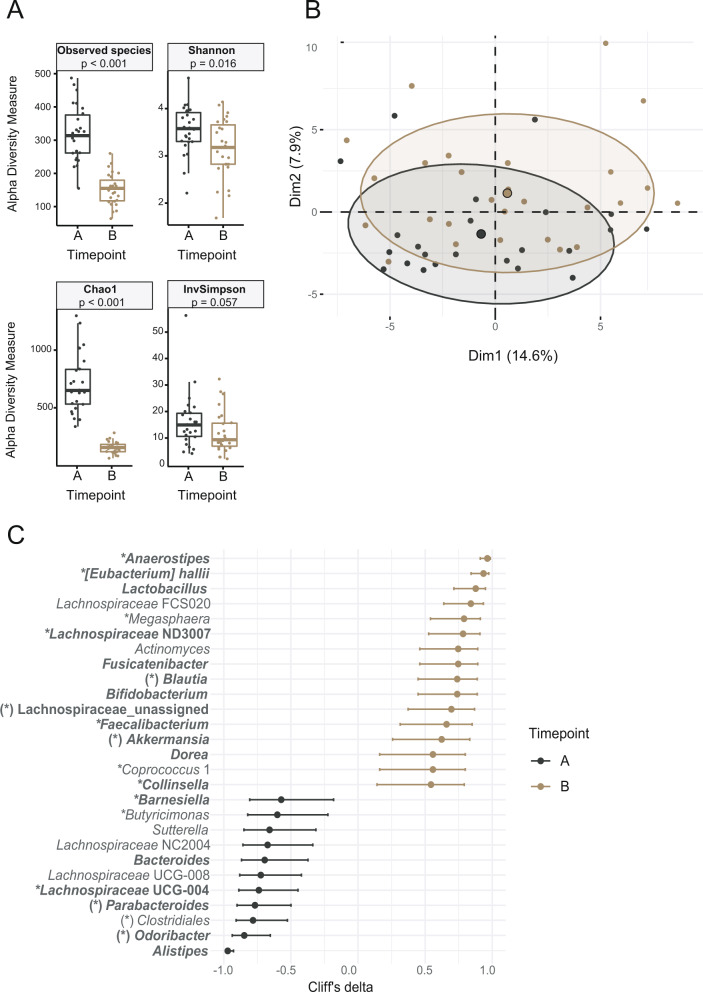
MIME composition was different between groups. While the DM and LH groups represented opposite poles of the abundance spectrum, OB was closer to DM. Inulin supplementation was associated with an overall improvement in glycemic indices, though the response was very variable, with a shift in microbiome composition toward a more favorable profile and increased serum butyric and propionic acid concentrations. The improved glycemic outcomes of inulin treatment were dependent on better baseline glycemic status and variables related to the gut microbiota, including the abundance of certain bacterial taxa (i.e., Blautia, Eubacterium halii group, Lachnoclostridium, Ruminiclostridium, Dialister, or Phascolarctobacterium), serum concentrations of branched-chain amino acid derivatives and asparagine, and fecal concentrations of indole and several other volatile organic compounds.
We demonstrated that obesity is a stronger determinant of different MIME patterns than impaired glucose metabolism. The large inter-individual variability in the metabolic effects of dietary inulin was explained by differences in baseline glycemic status and MIME signatures. These could be further validated to personalize nutritional interventions in patients with newly diagnosed diabetes.
肠道微生物群的代谢表现有助于 2 型糖尿病的发生。然而,靶向饮食干预受到个体间反应高度变化的限制。我们假设:(1)复杂的肠道微生物组和代谢组(MIME)的组成在代谢谱(瘦-肥胖-糖尿病)中存在差异;(2)特定的 MIME 模式可以解释对饮食菊粉的差异反应;(3)可以基于基线 MIME 特征和临床特征预测反应。
在一项横断面病例对照研究中,比较了 49 例新诊断的糖尿病前期/糖尿病(DM)患者、66 例代谢健康超重/肥胖(OB)患者和 32 例健康瘦(LH)志愿者,该研究整合了临床变量、饮食摄入、肠道微生物组和粪便/血清代谢组(16S rRNA 测序、代谢组学分析)。随后,招募了 27 例 DM 进行预测研究:3 个月的饮食菊粉(10g/天)干预。
MIME 组成在各组之间存在差异。虽然 DM 和 LH 组代表了丰度谱的两个极端,但 OB 更接近 DM。菊粉补充与整体改善血糖指数相关,尽管反应非常多变,肠道微生物组组成向更有利的模式转变,血清丁酸和丙酸浓度增加。菊粉治疗改善血糖的结果取决于更好的基线血糖状态和与肠道微生物群相关的变量,包括某些细菌分类群(即布劳特氏菌、Eubacterium halii 组、lachnoclostridium、Ruminiclostridium、Dialister 或 Phascolarctobacterium)的丰度、支链氨基酸衍生物和天冬酰胺的血清浓度以及吲哚和其他几种挥发性有机化合物的粪便浓度。
我们证明肥胖是导致不同 MIME 模式的更强决定因素,而不是葡萄糖代谢受损。饮食菊粉的代谢作用的个体间巨大差异可以通过基线血糖状态和 MIME 特征的差异来解释。这些可以进一步验证,以实现对新诊断糖尿病患者的个性化营养干预。