Department of Laboratory Medicine, Institute of Biomedicine, Sahlgrenska Academy at the University of Gothenburg, Gothenburg, Sweden.
Core Facilities, Sahlgrenska Academy at the University of Gothenburg, Gothenburg, Sweden.
Sci Rep. 2023 Apr 21;13(1):6592. doi: 10.1038/s41598-023-32944-3.
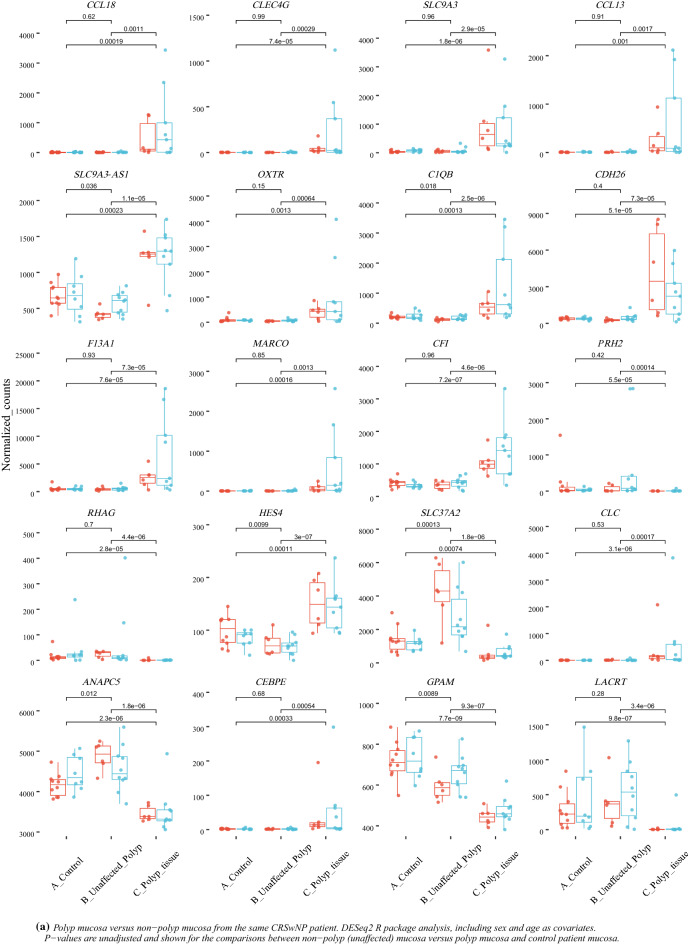
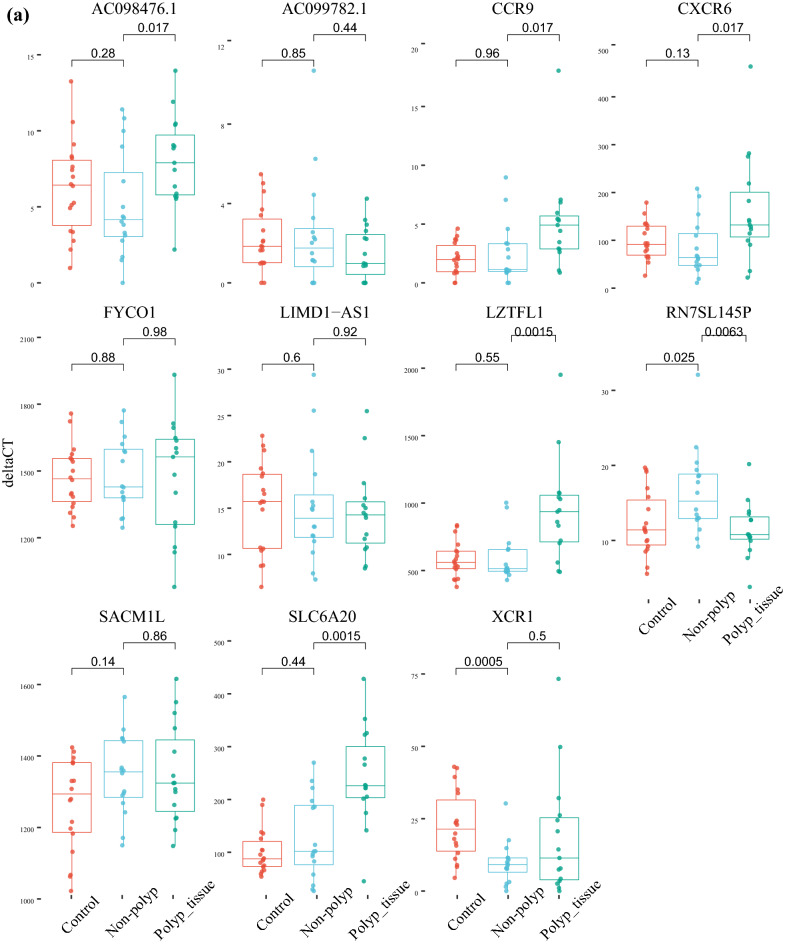
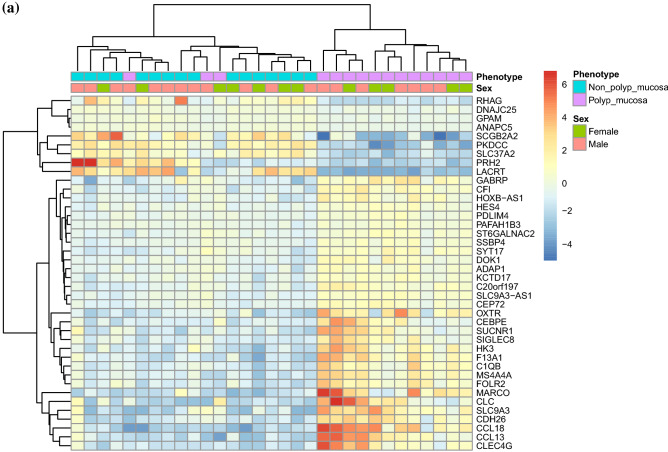
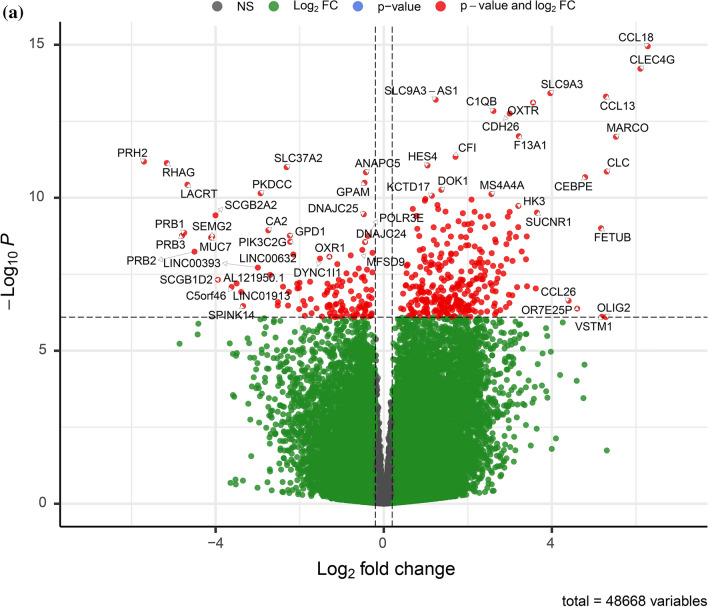
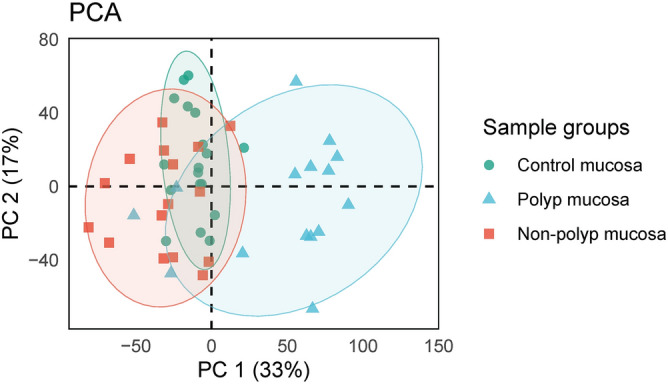
Chronic rhinosinusitis with nasal polyps (CRSwNP) is a common upper respiratory tract complication where the pathogenesis is largely unknown. Herein, we investigated the transcriptome profile in nasal mucosa biopsies of CRSwNP patients and healthy individuals. We further integrated the transcriptomics data with genes located in chromosomal regions containing genome-wide significant gene variants for COVID-19. Among the most significantly upregulated genes in polyp mucosa were CCL18, CLEC4G, CCL13 and SLC9A3. Pathways involving "Ciliated epithelial cells" were the most differentially expressed molecular pathways when polyp mucosa and non-polyp mucosa from the same patient was compared. Natural killer T-cell (NKT) and viral pathways were the most statistically significant pathways in the mucosa of CRSwNP patients compared with those of healthy control individuals. Upregulated genes in polyp mucosa, located within the genome-wide associated regions of COVID-19, included LZTFL1, CCR9, SLC6A20, IFNAR1, IFNAR2 and IL10RB. Interestingly, the second most over-expressed gene in our study, CLEC4G, has been shown to bind directly to SARS-CoV-2 spike's N-terminal domain and mediate its entry and infection. Our results on altered expression of genes related to cilia and viruses point to the de-regulation of viral defenses in CRSwNP patients, and may give clues to future intervention strategies.
慢性鼻-鼻窦炎伴鼻息肉(CRSwNP)是一种常见的上呼吸道并发症,其发病机制在很大程度上尚不清楚。在此,我们研究了 CRSwNP 患者和健康个体的鼻黏膜活检标本的转录组谱。我们进一步将转录组学数据与位于包含 COVID-19 全基因组显著基因变异的染色体区域中的基因进行整合。在息肉黏膜中上调最明显的基因中,有 CCL18、CLEC4G、CCL13 和 SLC9A3。当比较同一患者的息肉黏膜和非息肉黏膜时,涉及“纤毛上皮细胞”的途径是差异表达最明显的分子途径。与健康对照组相比,在 CRSwNP 患者的黏膜中,自然杀伤 T 细胞(NKT)和病毒途径是统计学上最显著的途径。位于 COVID-19 全基因组关联区域的息肉黏膜上调基因包括 LZTFL1、CCR9、SLC6A20、IFNAR1、IFNAR2 和 IL10RB。有趣的是,我们研究中第二个表达上调最明显的基因 CLEC4G,已被证明可直接结合 SARS-CoV-2 刺突的 N 端结构域,并介导其进入和感染。我们关于与纤毛和病毒相关的基因表达改变的结果表明,CRSwNP 患者的病毒防御功能失调,这可能为未来的干预策略提供线索。