Smimih Kamal, El-Mansoury Bilal, Saad Fatima Ez-Zahraa, Khanouchi Manal, El Amine Souad, Aimrane Abdelmohcine, Zouhairi Nadia, Ferssiwi Abdessalam, Bitar Abdelali, Merzouki Mohamed, El Hiba Omar
Biological Engineering Laboratory, Faculty of Sciences and Techniques (FST), Sultan Moulay Slimane University, Beni Mellal 23000, Morocco.
Laboratory of Anthropogenic, Biotechnology and Health, Nutritional Physiopathologies, Neuroscience and Toxicology Team, Faculty of Sciences, Chouaib Doukkali University, El Jadida 24000, Morocco.
Neurol Int. 2023 Apr 19;15(2):580-594. doi: 10.3390/neurolint15020036.
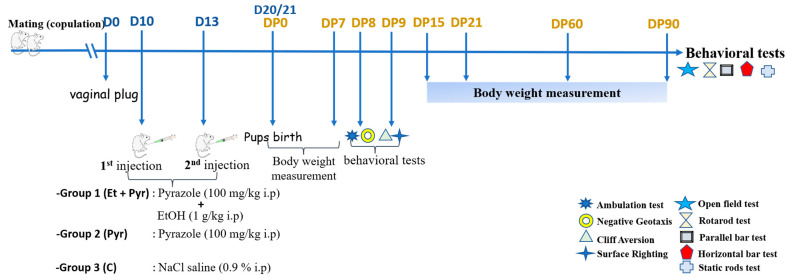
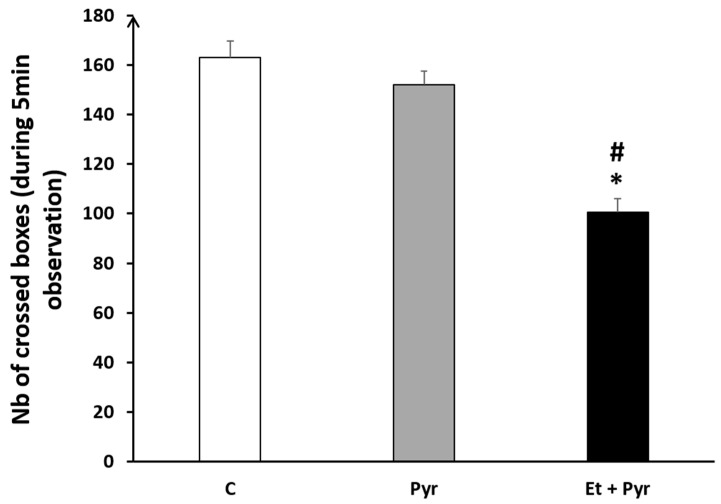
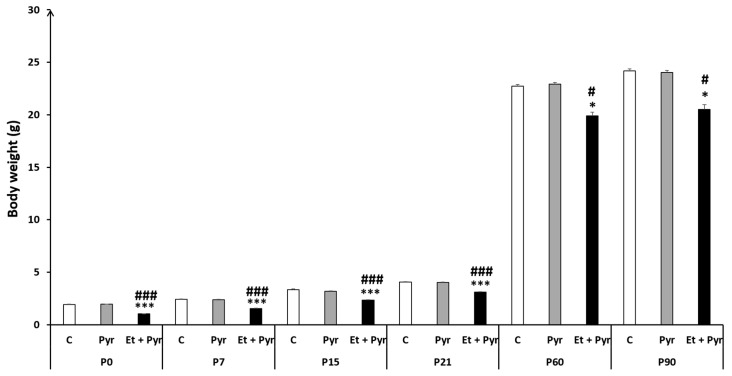
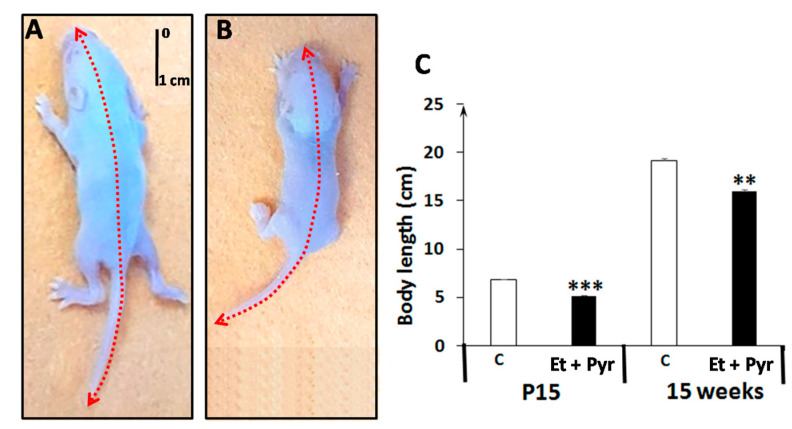
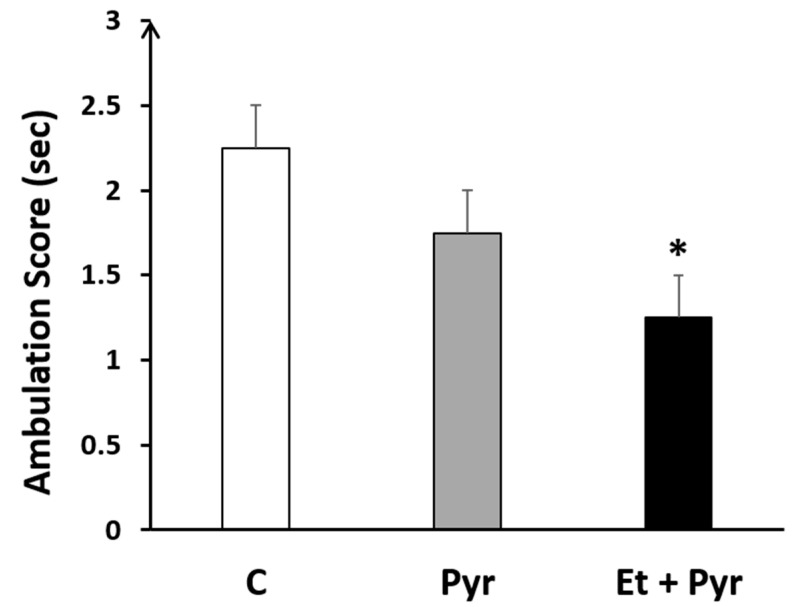
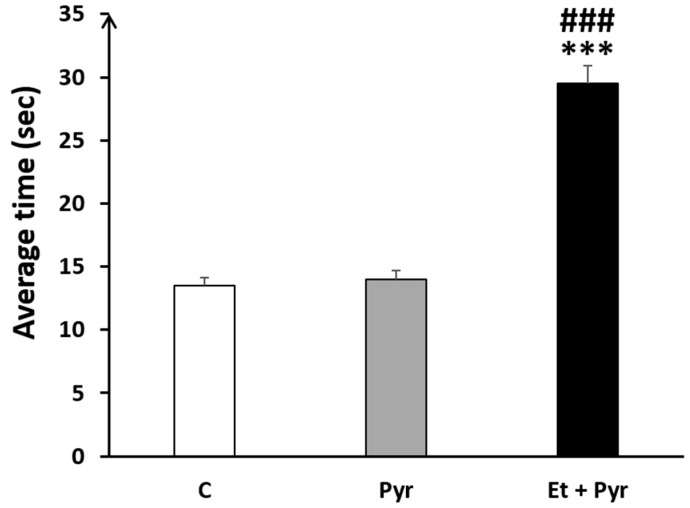
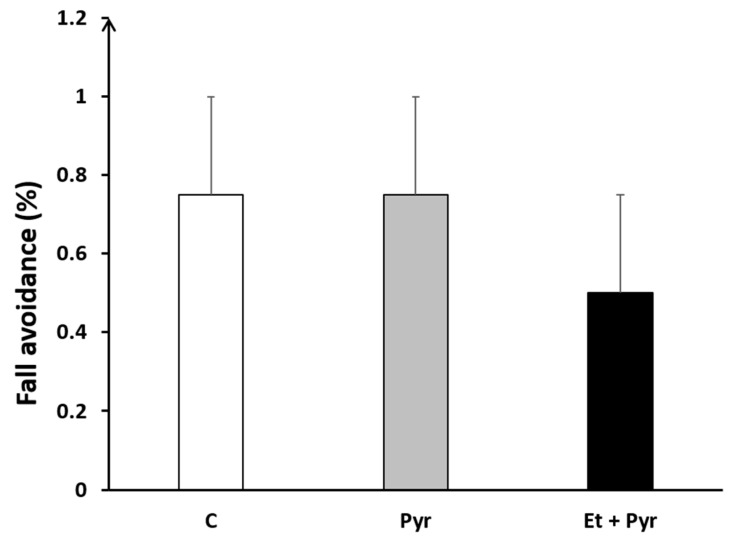
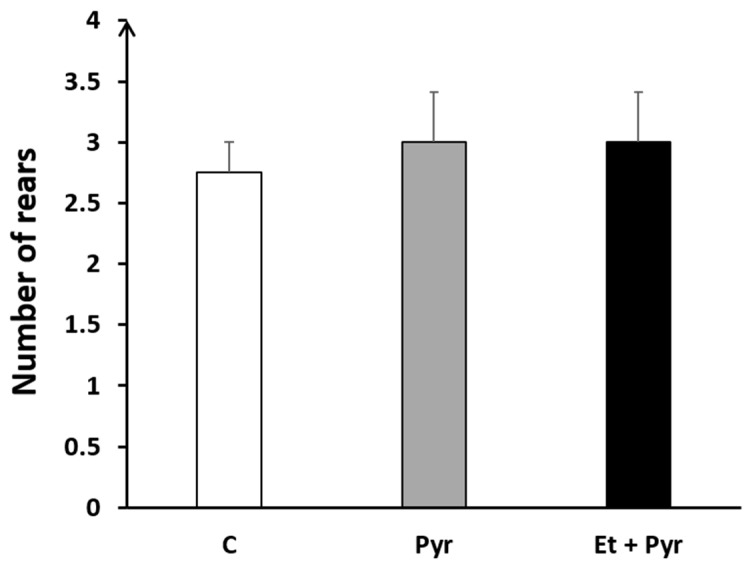
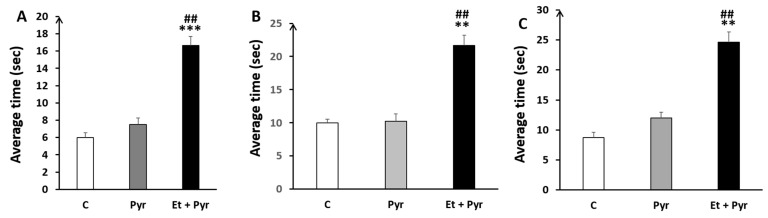
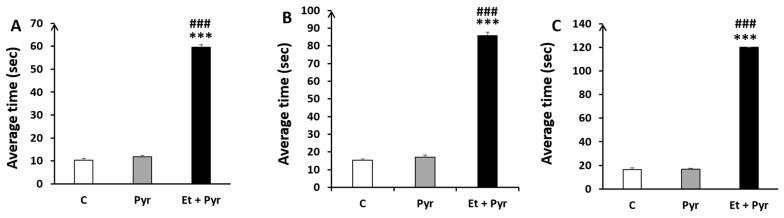
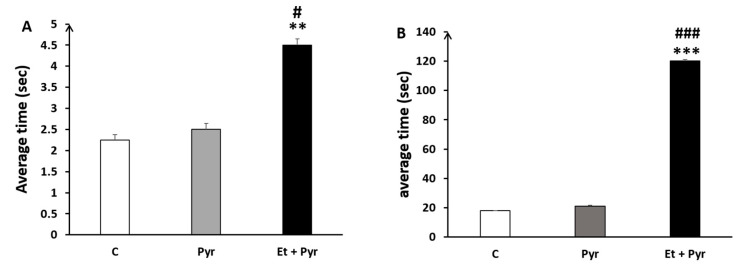
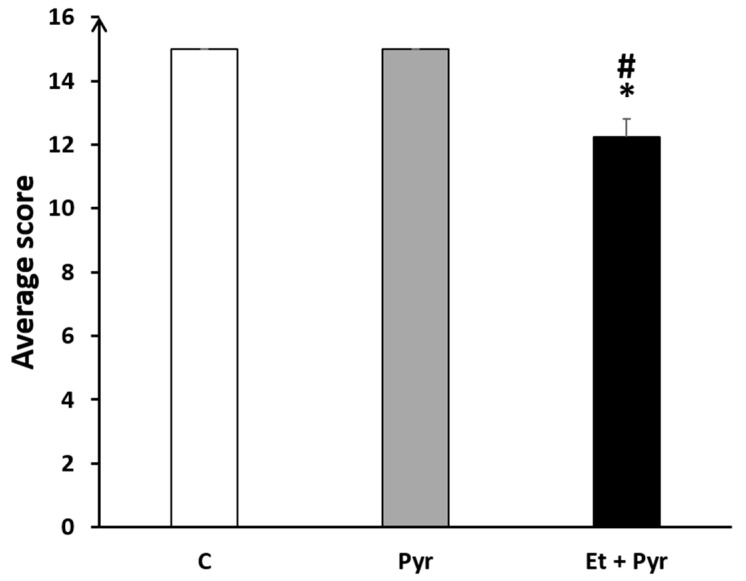
Prenatal alcohol exposure (PAE) refers to fetal exposure to alcohol during pregnancy through placental barrier transfer from maternal blood. The postnatal outcomes of PAE differ among exposed individuals and range from overt (serious) alcohol-related behavioral and neurophysiological impairments to covert (silenced) symptoms. The aims of the present investigation were to assess the postnatal neurobehavioral disturbances, particularly, motor coordination and sensory-motor function in mice with PAE. Female mice with positive vaginal plugs were divided into three groups: group 1: Et + Pyr: received two i.p injections of ethanol (1 g/kg) followed by pyrazole (100 mg/kg). Group 2: Pyr: received an i.p injection of pyrazole (100 mg/kg). Group 3: C: of saline controls received, in equal volume, saline solution (NaCl 0.9%). After birth, mice pups were weighed and subjected to behavioral tests for motor function screening using the motor ambulation test, cliff aversion, surface righting, and negative geotaxis, while at the adult stage, mice were subjected to the open field, rotarod, parallel bars, and static rods tests. Our data show an obvious decrement of body weight from the first post-natal day (P1) and continues over the adult stage. This was accompanied by an obvious impaired sensory-motor function which was maintained even at the adult stage with alteration of the locomotor and coordination abilities. The current data demonstrate the powerful neurotoxic effect of prenatal ethanol exposure on the sensory-motor and coordination functions, leading to suppose possible structural and/or functional neuronal disturbances, particularly the locomotor network.
产前酒精暴露(PAE)是指胎儿在孕期通过胎盘屏障从母体血液中接触酒精。PAE的产后结果在受暴露个体中有所不同,范围从明显的(严重的)与酒精相关的行为和神经生理损伤到隐匿的(未表现出来的)症状。本研究的目的是评估PAE小鼠产后的神经行为障碍,特别是运动协调和感觉运动功能。有阳性阴道栓的雌性小鼠被分为三组:第1组:Et + Pyr:腹腔注射两次乙醇(1 g/kg),随后注射吡唑(100 mg/kg)。第2组:Pyr:腹腔注射吡唑(100 mg/kg)。第3组:C:生理盐水对照组接受等体积的生理盐水溶液(0.9%氯化钠)。出生后,对幼鼠称重,并使用运动行走试验、悬崖回避试验、表面翻正试验和负趋地性试验进行运动功能筛查行为测试,而在成年阶段,对小鼠进行旷场试验、转棒试验、平行杠试验和静态杆试验。我们的数据显示,从出生后第一天(P1)起体重就明显下降,并持续到成年阶段。这伴随着明显受损的感觉运动功能,即使在成年阶段,运动和协调能力发生改变时,这种功能受损仍持续存在。目前的数据证明了产前乙醇暴露对感觉运动和协调功能具有强大的神经毒性作用,导致推测可能存在结构和/或功能性神经元紊乱,特别是运动网络。