Carloni Delia, Šegvić Branimir, Sartori Mario, Zanoni Giovanni, Besse Marie
Department F.-A. Forel for Environmental and Aquatic Sciences, Laboratory of Prehistoric Archaeology and Anthropology, University of Geneva, Geneva, Switzerland.
Department of Geosciences, Texas Tech University, Lubbock, TX USA.
Archaeol Anthropol Sci. 2023;15(5):62. doi: 10.1007/s12520-023-01737-0. Epub 2023 Apr 20.
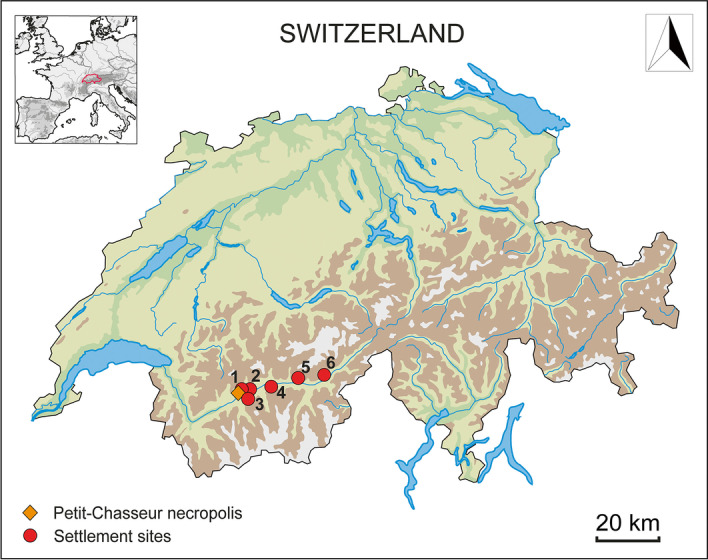
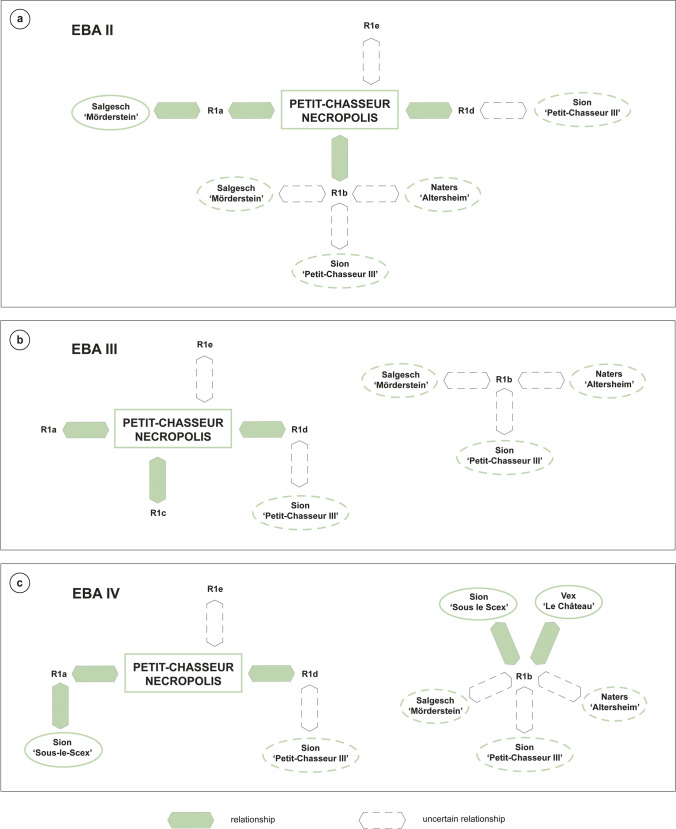
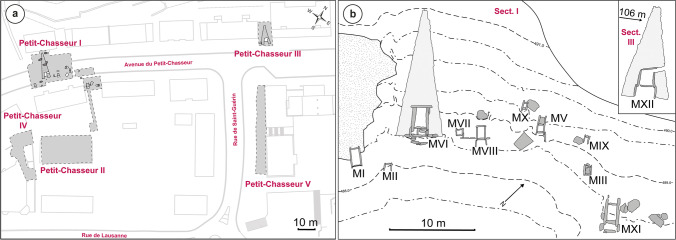
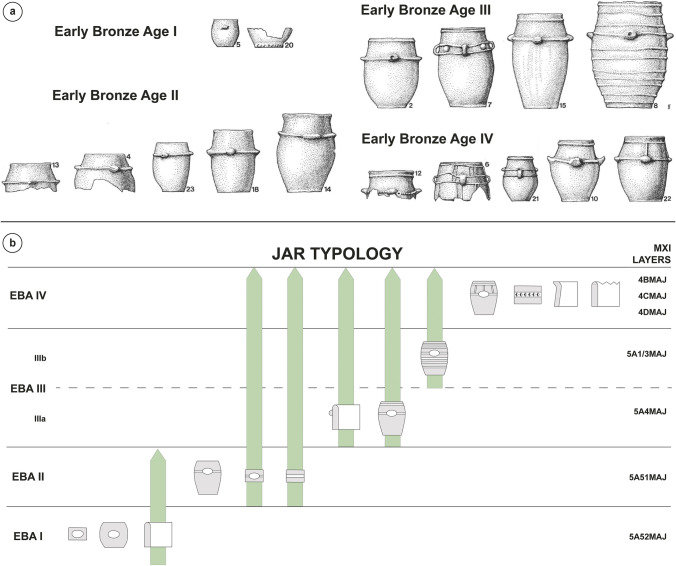
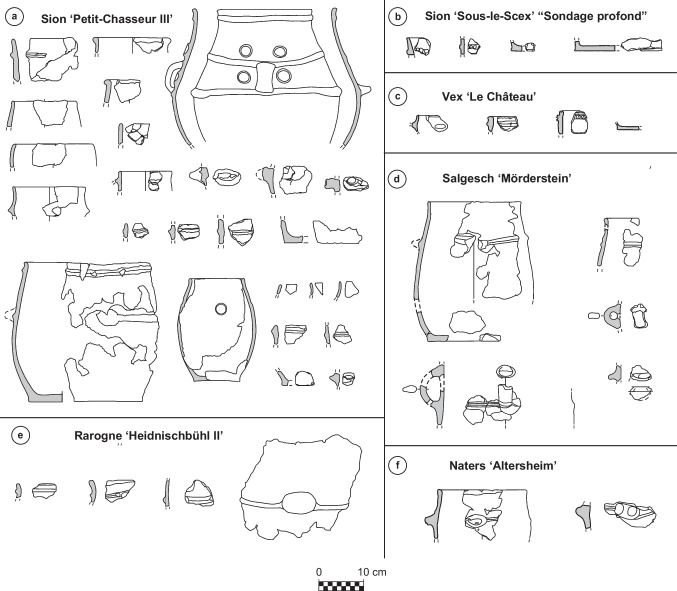
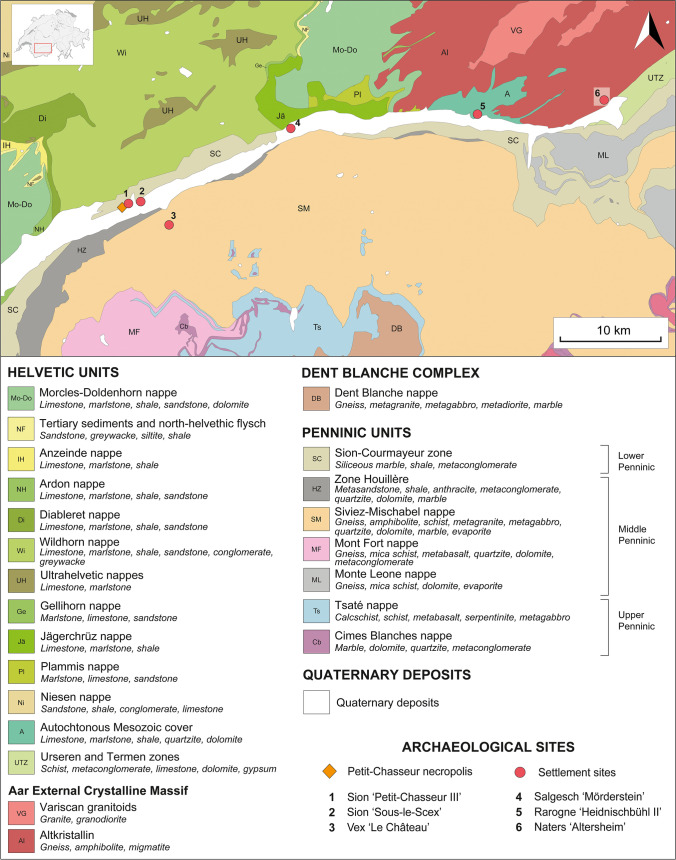
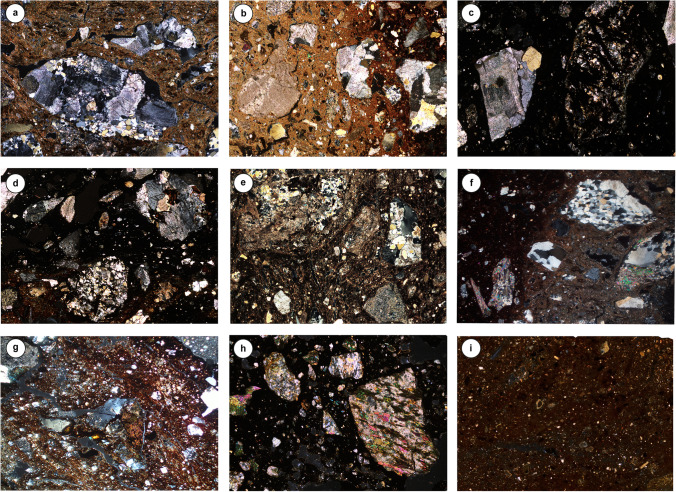
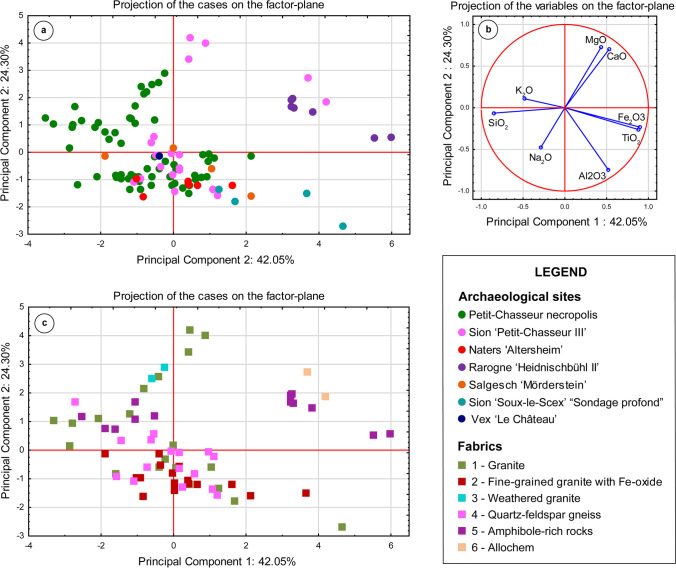
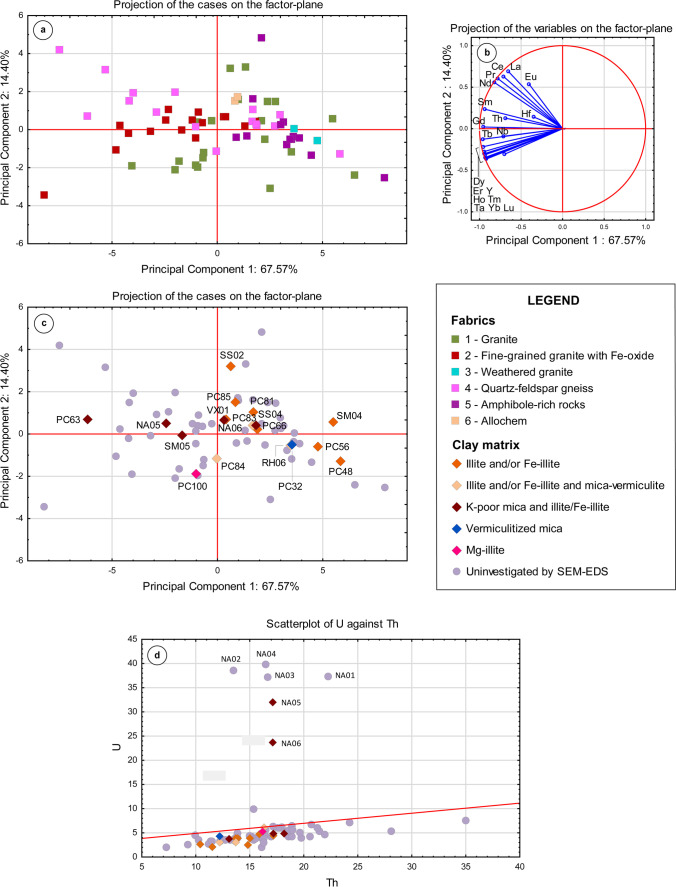
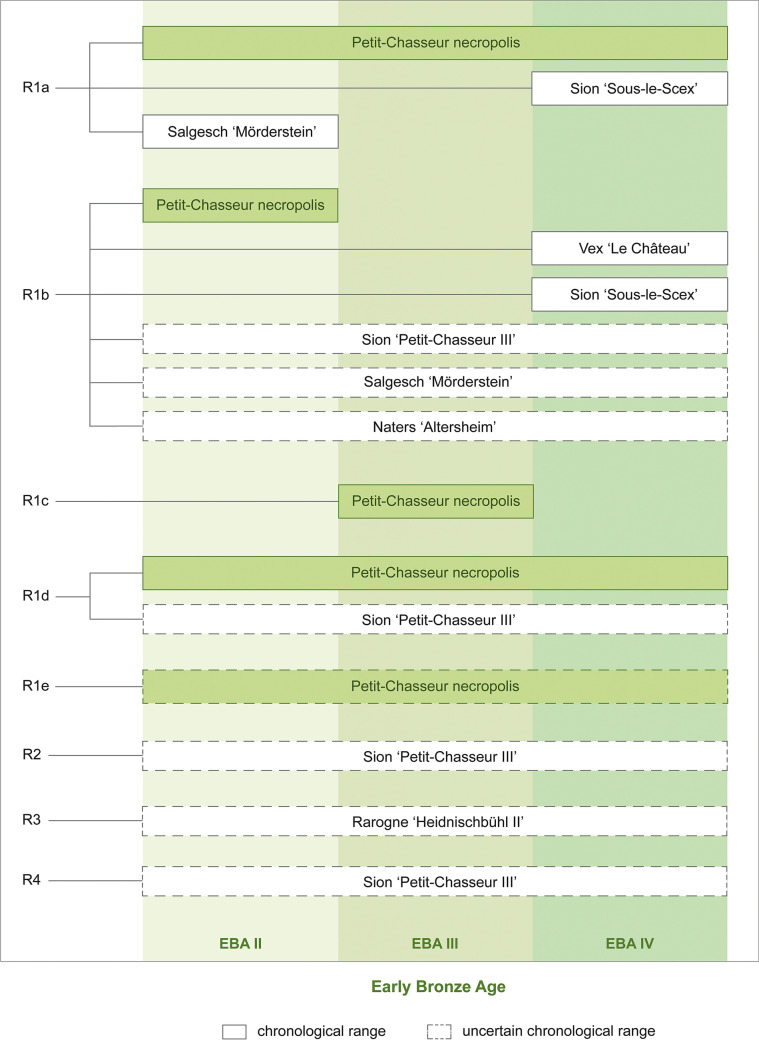
Through the analyses of recovered pottery, this study explores the social dimension of an ancestor cult developed at the Petit-Chasseur megalithic necropolis (Upper Rhône Valley, Switzerland) during the Early Bronze Age (2200-1600 BC). The jar votive offerings and domestic pottery from settlement sites were characterized using a range of spectroscopic and microscopic techniques. Acquired archaeometric data allowed identification of six ceramic fabrics and two types of clay substrate-illite- and muscovite-based-which were used in pottery production. The present article discusses the pottery composition in the light of natural resources available in the region, thus shedding light on raw material choices and paste preparation recipes. The Early Bronze Age people that lived in the Upper Rhône Valley seem to have shared a common ceramic tradition, partly inherited from the previous Bell Beaker populations. The compositional correspondence between the jar offerings and domestic pottery revealed that the majority of the known Early Bronze Age groups partook in cultic activities at the Petit-Chasseur megalithic necropolis.
The online version contains supplementary material available at 10.1007/s12520-023-01737-0.
通过对出土陶器的分析,本研究探索了青铜时代早期(公元前2200 - 1600年)在瑞士上罗纳河谷小猎人巨石墓地发展起来的祖先崇拜的社会层面。使用一系列光谱和显微镜技术对来自定居点遗址的罐状奉献祭品和家用陶器进行了表征。获得的考古测量数据使得能够识别出六种陶瓷织物以及两种用于陶器生产的粘土基质——伊利石基和白云母基。本文根据该地区可用的自然资源来讨论陶器的成分,从而揭示原材料选择和坯料制备配方。生活在上罗纳河谷的青铜时代早期人群似乎拥有共同的陶瓷传统,部分继承自先前的钟杯文化人群。罐状祭品和家用陶器之间的成分对应关系表明,已知的大多数青铜时代早期群体都参与了小猎人巨石墓地的祭祀活动。
在线版本包含可在10.1007/s12520 - 023 - 01737 - 0获取的补充材料。