Freeborn Todd J, Critcher Shelby
Department of Electrical and Computer Engineering, University of Alabama, Tuscaloosa, AL 35404 USA.
IFAC Pap OnLine. 2021;54(15):55-60. doi: 10.1016/j.ifacol.2021.10.231. Epub 2021 Nov 2.
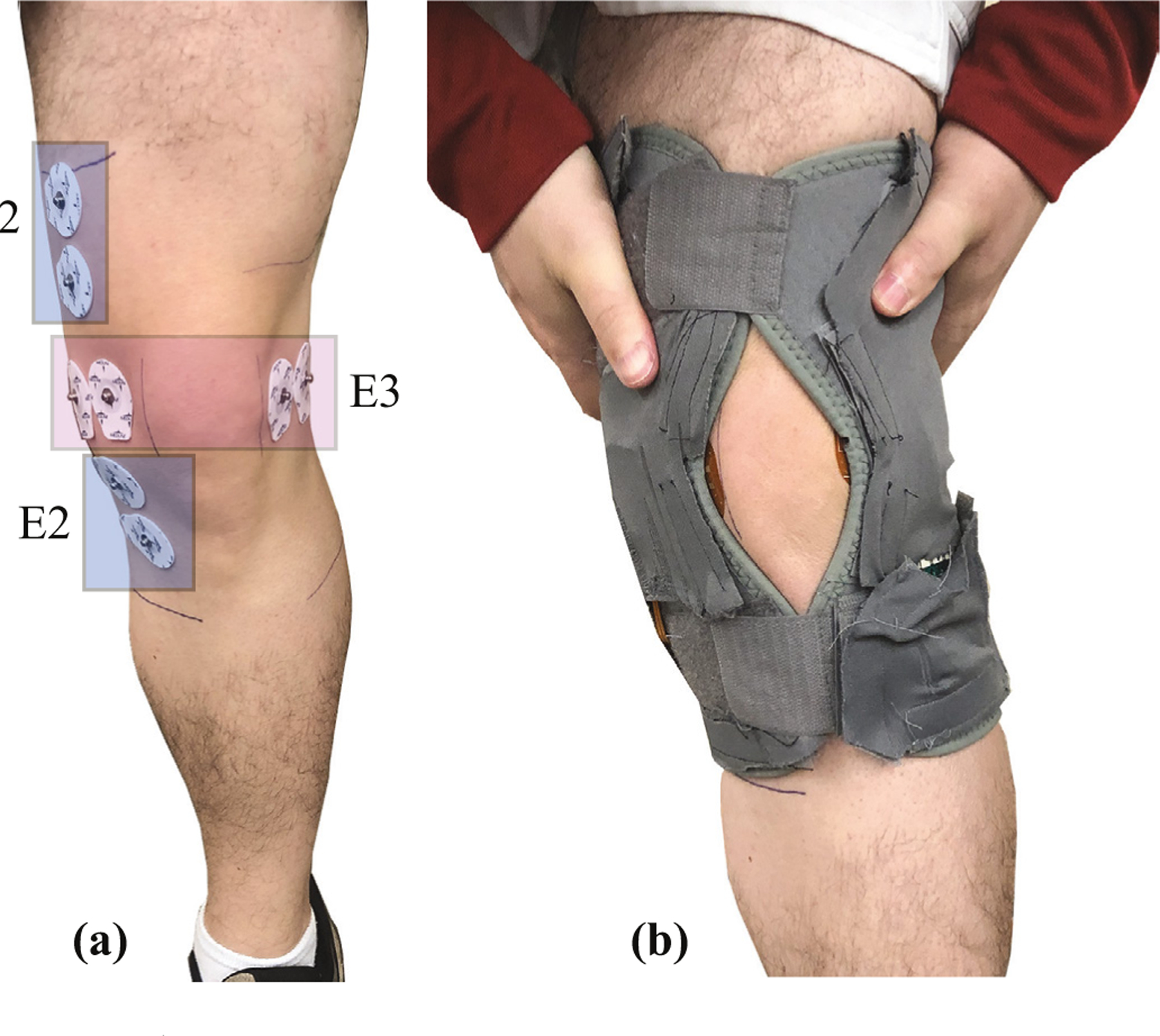
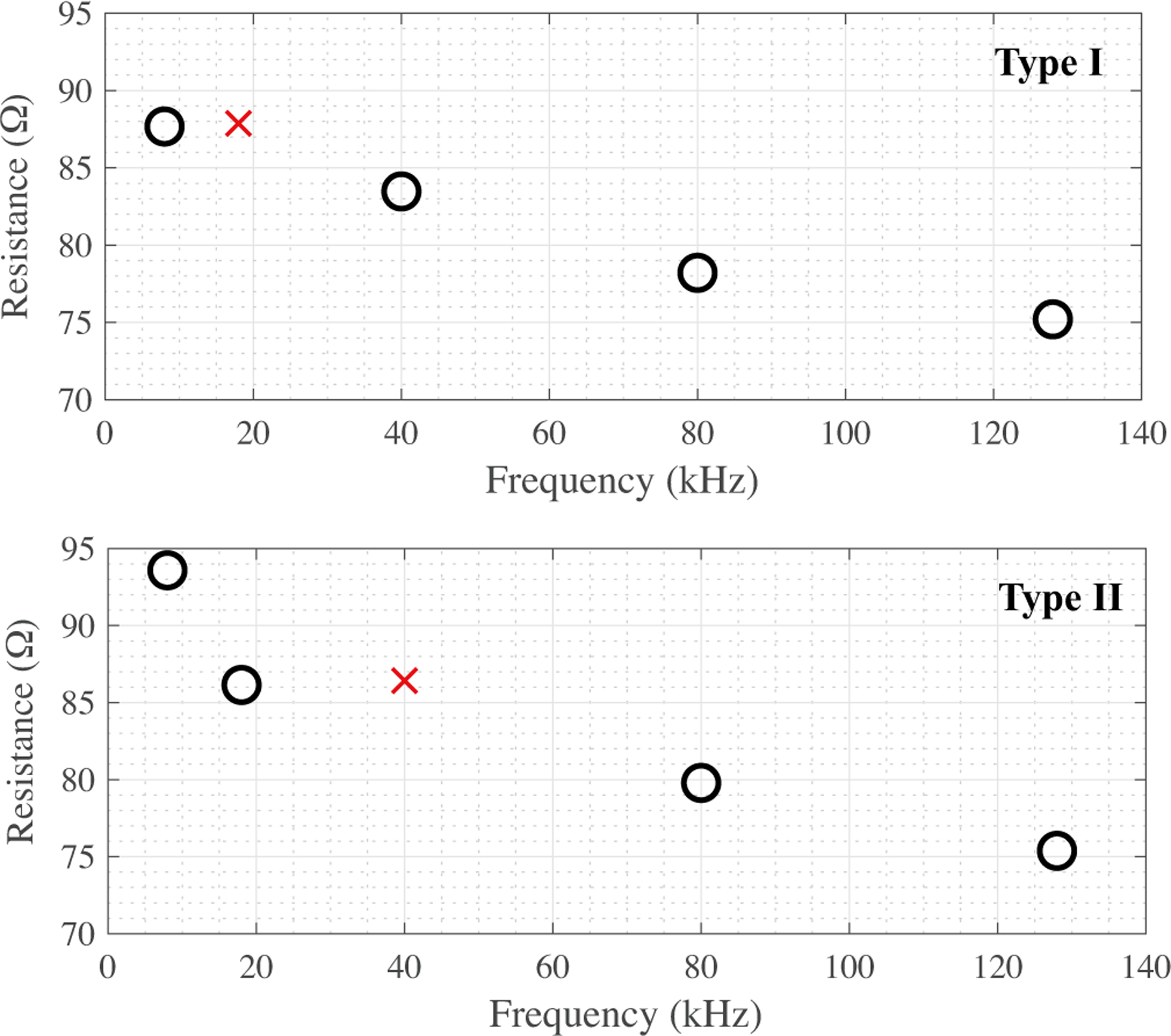
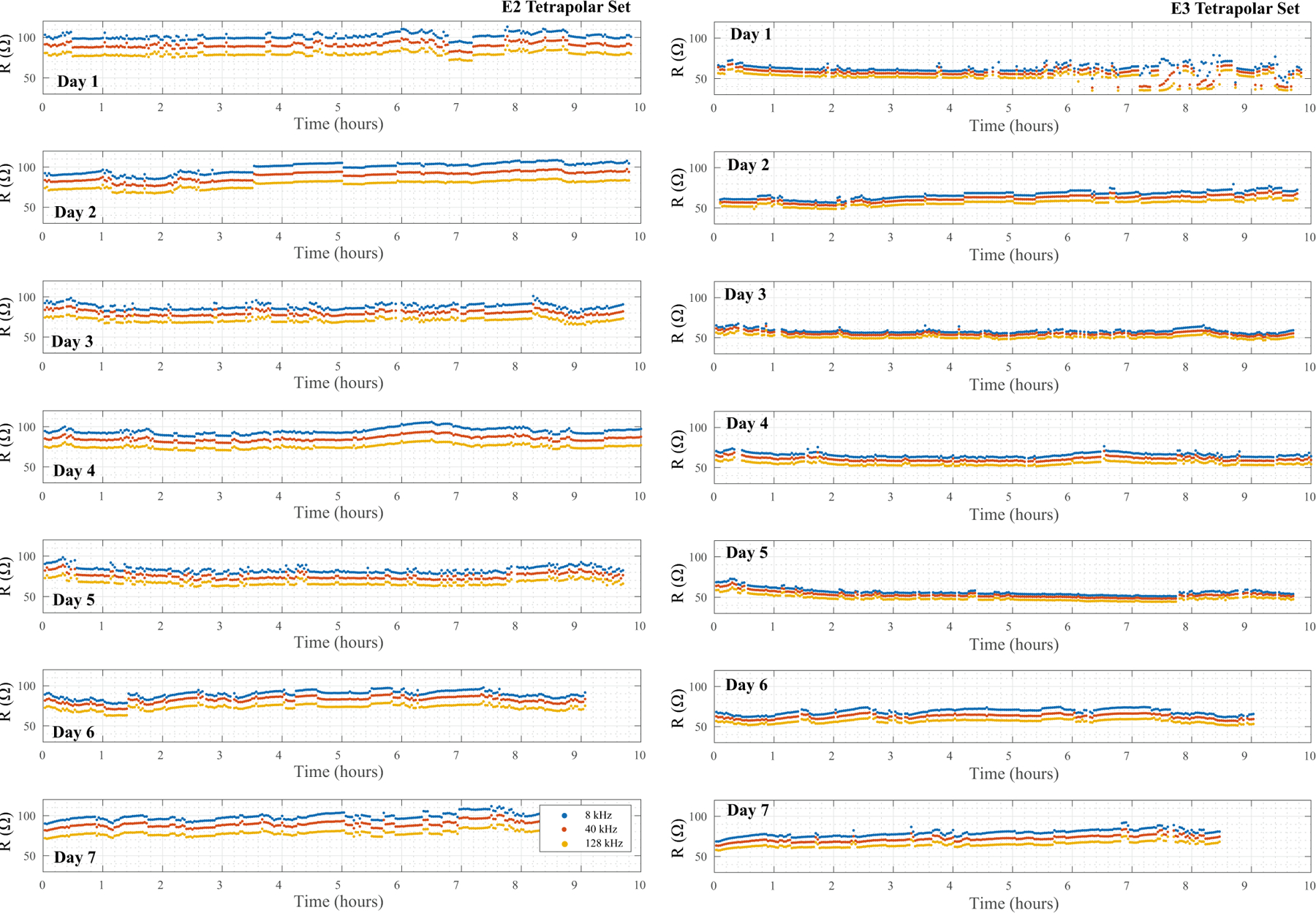
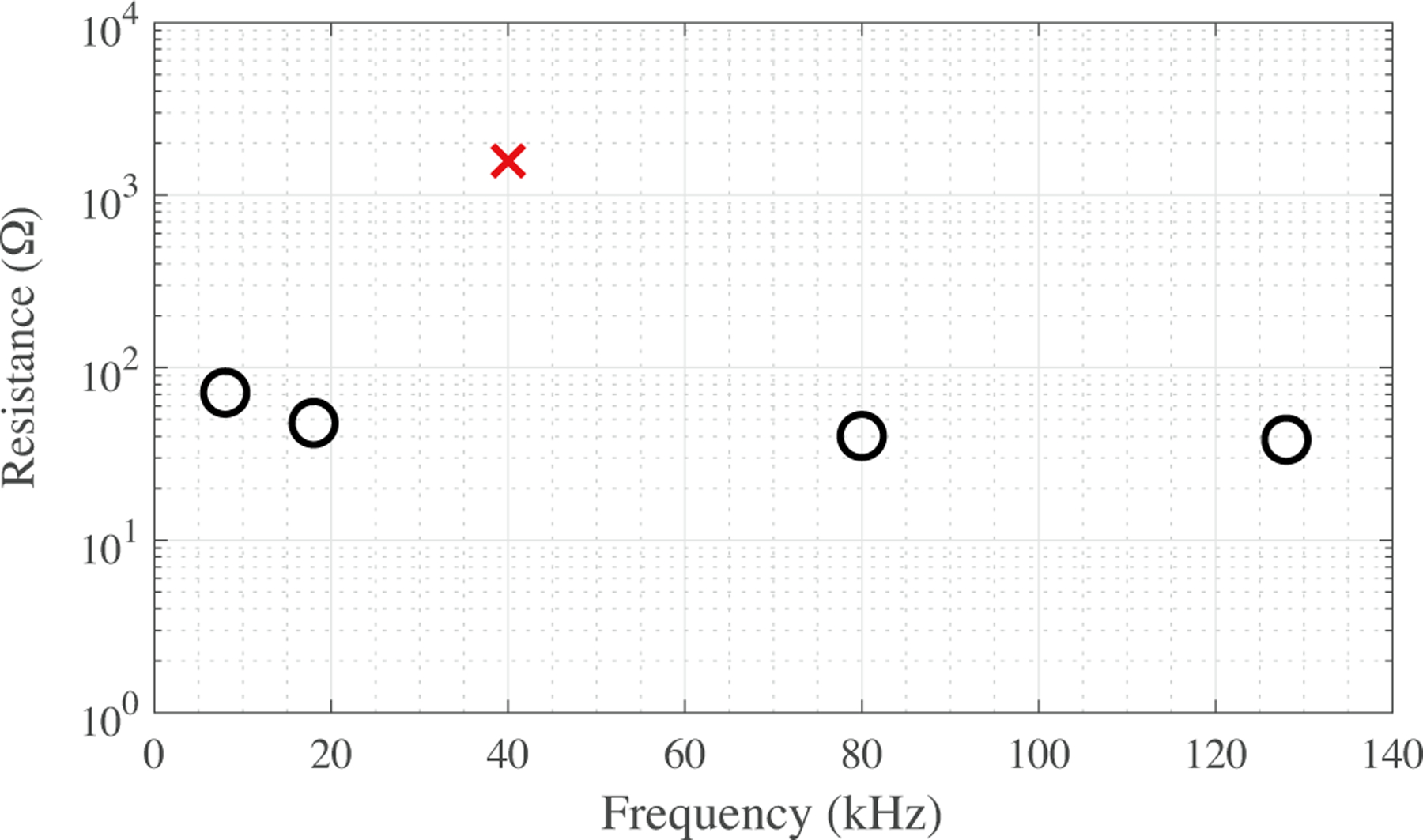
Localized tissue bioimpedance is being widely investigated as a technique to identify physiological features in support of health focused applications. In support of this method being translated into wearable systems for continuous monitoring, it is critical to not only collect measurements but also evaluate their quality. This is necessary to reduce errors in equipment or measurement conditions from contributing data artifacts to datasets that will be analyzed. Two methods for artifact identification in resistance measurements of bioimpedance datasets are presented. These methods, based on thresholding and trend detection, are applied to localized knee bioimpedance datasets collected from two knee sites over 7 consecutive days in free-living conditions. Threshold artifacts were identified in 0.04% (longitudinal and transverse) and 0.69% (longitudinal) /3.50% (transverse) of the total data collected.
局部组织生物阻抗作为一种识别生理特征以支持健康相关应用的技术正在受到广泛研究。为了将该方法转化为用于连续监测的可穿戴系统,不仅要进行测量,还要评估测量质量,这至关重要。这对于减少设备或测量条件中的误差对即将分析的数据集造成数据伪影是必要的。本文提出了两种在生物阻抗数据集电阻测量中识别伪影的方法。这些基于阈值化和趋势检测的方法应用于在自由生活条件下连续7天从两个膝盖部位收集的局部膝盖生物阻抗数据集。在收集的总数据中,分别有0.04%(纵向和横向)以及0.69%(纵向)/3.50%(横向)的数据被识别为阈值伪影。