Bartkiene Elena, Starkute Vytaute, Jomantaite Ieva, Zokaityte Egle, Mockus Ernestas, Tolpeznikaite Ernesta, Zokaityte Gintare, Petrova Penka, Santini Antonello, Rocha João Miguel, Özogul Fatih, Klupsaite Dovile
Department of Food Safety and Quality, Veterinary Academy, Lithuanian University of Health Sciences, Tilzes Str. 18, LT-47181 Kaunas, Lithuania.
Institute of Animal Rearing Technologies, Faculty of Animal Sciences, Lithuanian University of Health Sciences, Tilzes Str. 18, LT-47181 Kaunas, Lithuania.
Foods. 2023 Apr 18;12(8):1690. doi: 10.3390/foods12081690.
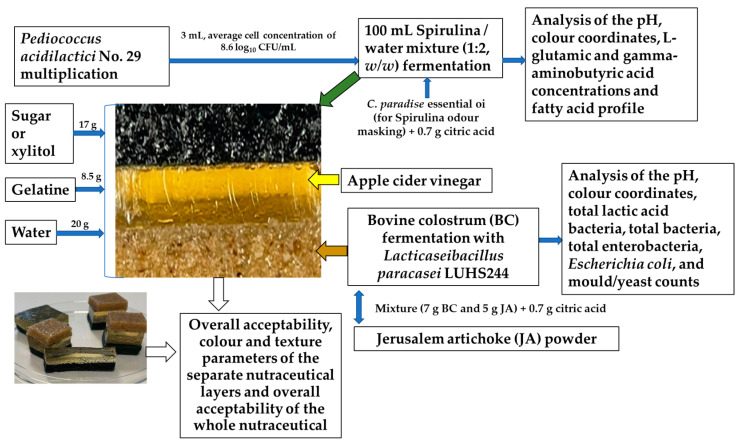
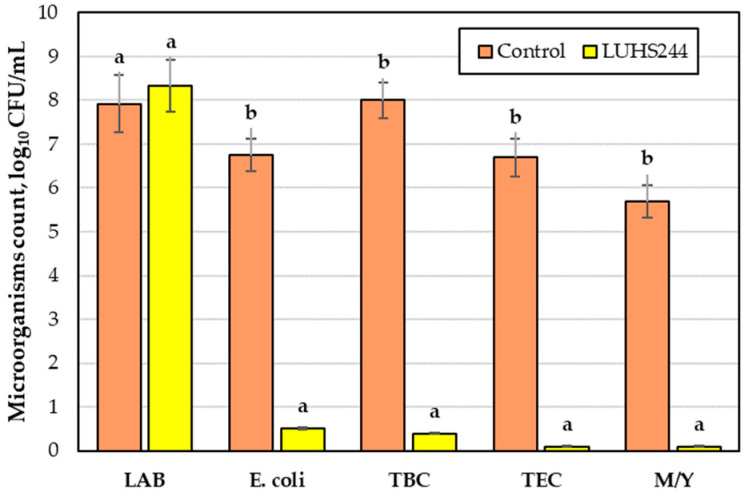
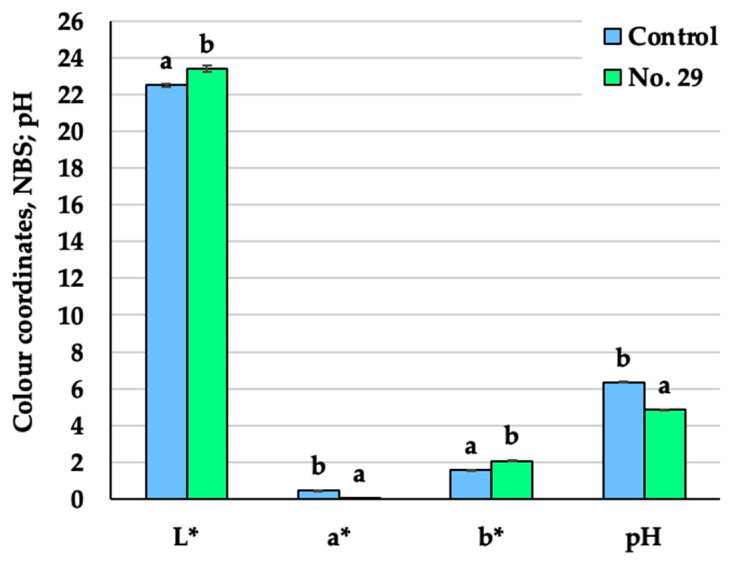
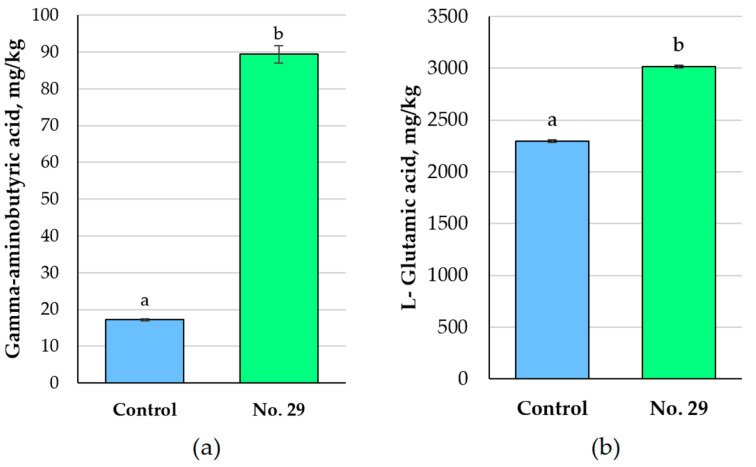
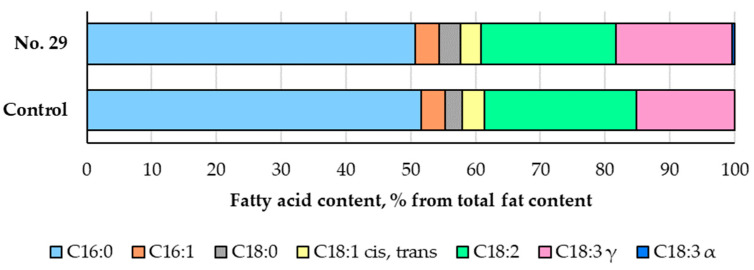
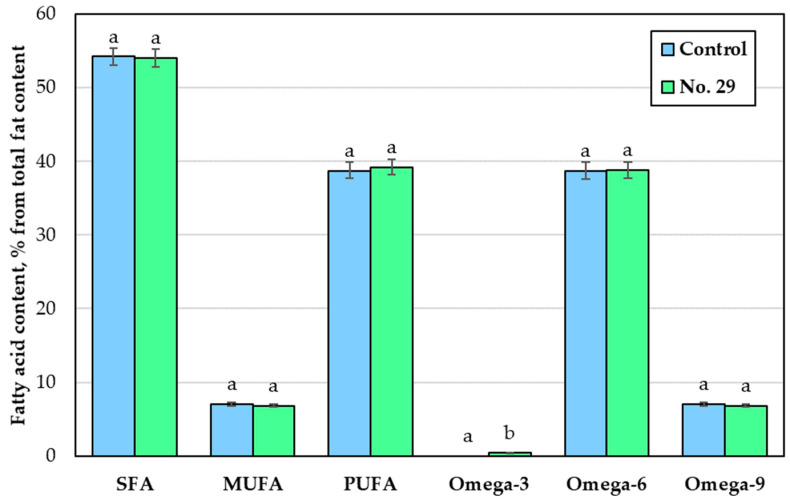
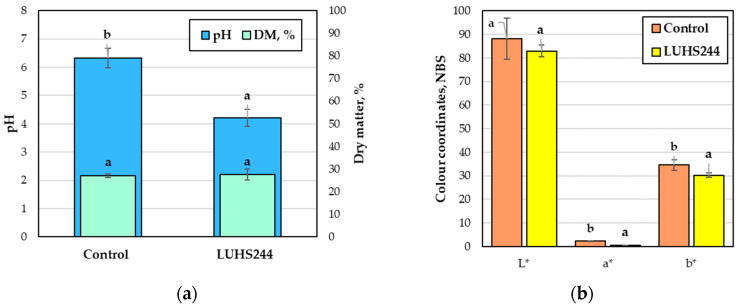
The main purpose of this experiment was to develop a multifunctional nutraceutical composition based on ingredients of different origins (Spirulina powder (SP), bovine colostrum (BC), Jerusalem artichoke powder (JAP), and apple cider vinegar (ACV)) which possess different health benefits through their different mechanisms of action. In order to improve the functional properties of Spirulina and bovine colostrum, fermentation with the No. 29 and LUHS244 strains, respectively, was carried out. These LAB strains were chosen due to their good antimicrobial properties. The following parameters were analysed: for Spirulina (non-treated and fermented)-pH, colour coordinates, fatty acid profile, and contents of L-glutamic and GABA acids; for bovine colostrum (non-treated and fermented)-pH, colour coordinates, dry matter, and microbiological parameters (total LAB, total bacteria, total enterobacteria, , and mould/yeast counts); for the produced nutraceuticals-hardness, colour coordinates, and overall acceptability. It was established that fermentation reduced the pH of the SP and BC and affected their colour coordinates. Fermented SP contained a greater concentration of gamma-aminobutyric and L-glutamic acids (by 5.2 times and 31.4% more, respectively), compared to the non-treated SP and BC. In addition, the presence of gamma-linolenic and omega-3 fatty acids was observed in fermented SP. Fermentation of BC reduces , total bacteria, total enterobacteria, and total mould/yeast counts in samples. The obtained three-layer nutraceutical (I layer-fermented SP; II-fermented BC and JAP; III-ACV) demonstrated a high overall acceptability. Finally, our finding suggest that the selected nutraceutical combination has immense potential in the production of a multifunctional product with improved functionality and a high acceptability.
本实验的主要目的是基于不同来源的成分(螺旋藻粉(SP)、牛初乳(BC)、菊芋粉(JAP)和苹果醋(ACV))开发一种多功能营养组合物,这些成分通过不同的作用机制具有不同的健康益处。为了改善螺旋藻和牛初乳的功能特性,分别用29号菌株和LUHS244菌株进行发酵。选择这些乳酸菌菌株是因为它们具有良好的抗菌性能。分析了以下参数:对于螺旋藻(未处理和发酵的)——pH值、颜色坐标、脂肪酸谱以及L-谷氨酸和γ-氨基丁酸的含量;对于牛初乳(未处理和发酵的)——pH值、颜色坐标、干物质和微生物参数(乳酸菌总数、总细菌数、总肠杆菌数以及霉菌/酵母菌计数);对于生产的营养制品——硬度、颜色坐标和总体可接受性。结果表明,发酵降低了SP和BC的pH值并影响了它们的颜色坐标。与未处理的SP和BC相比,发酵后的SP中γ-氨基丁酸和L-谷氨酸的浓度更高(分别高出5.2倍和31.4%)。此外,在发酵后的SP中观察到了γ-亚麻酸和ω-3脂肪酸的存在。BC的发酵降低了样品中的总细菌数、总肠杆菌数以及总霉菌/酵母菌计数。所获得的三层营养制品(第一层——发酵后的SP;第二层——发酵后的BC和JAP;第三层——ACV)具有较高的总体可接受性。最后,我们的研究结果表明,所选的营养制品组合在生产具有改进功能和高可接受性的多功能产品方面具有巨大潜力。