Laboratorio de Parásitos Anaerobios, Instituto Tecnológico Chascomús (INTECH), CONICET-UNSAM, Buenos Aires, Argentina.
Escuela de Bio y Nanotecnologías (UNSAM), Chascomús, Argentina.
Elife. 2023 May 2;12:e86067. doi: 10.7554/eLife.86067.
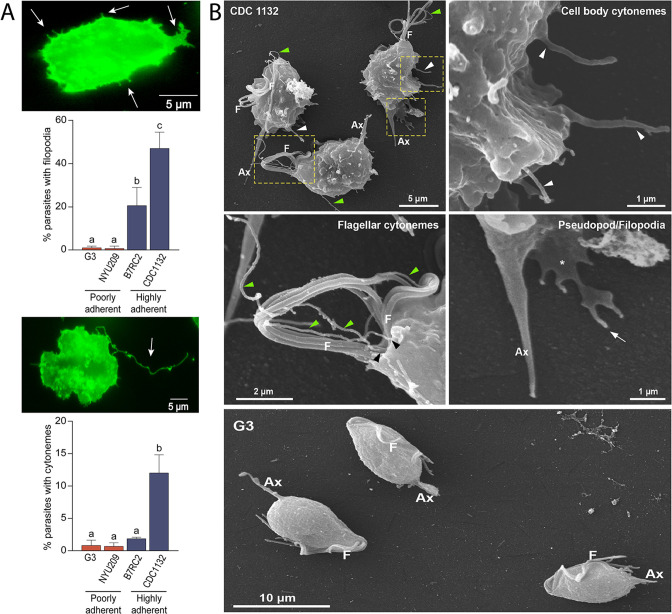
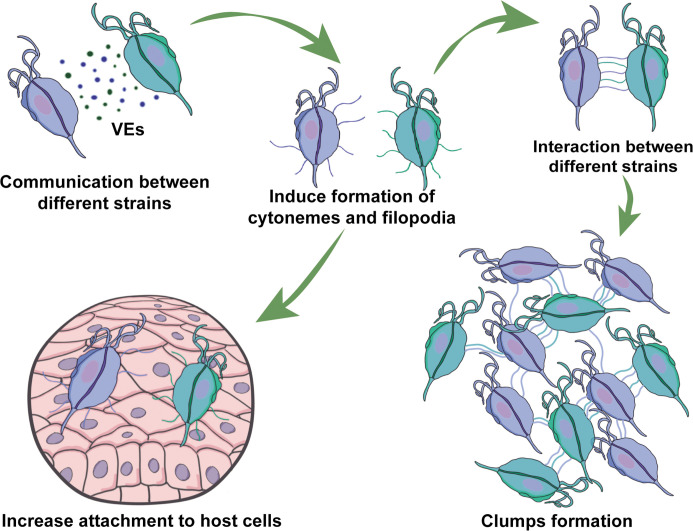
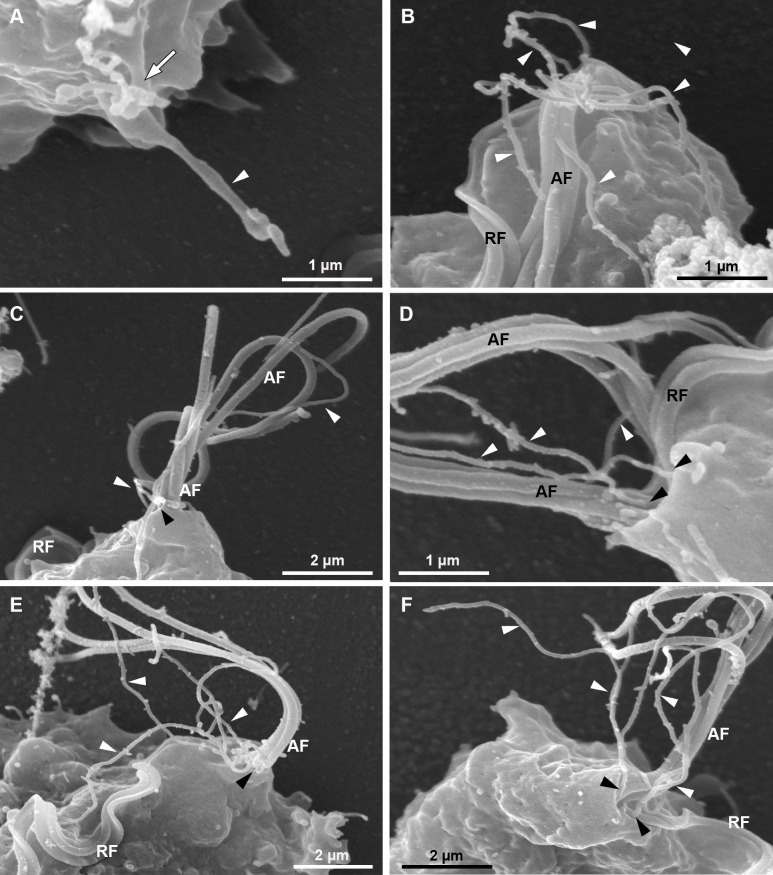
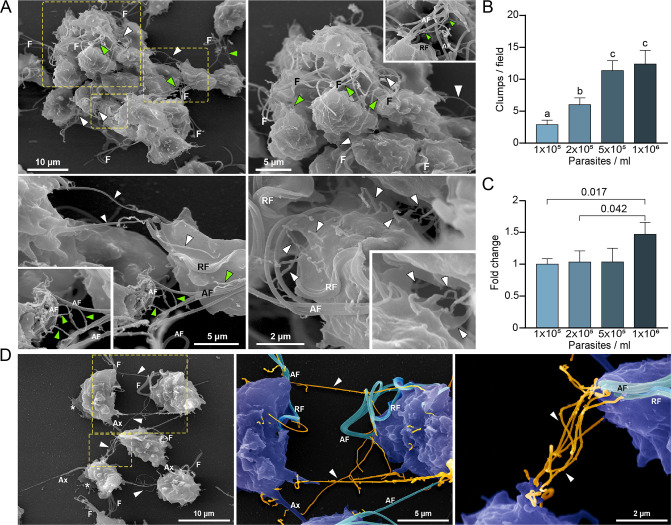
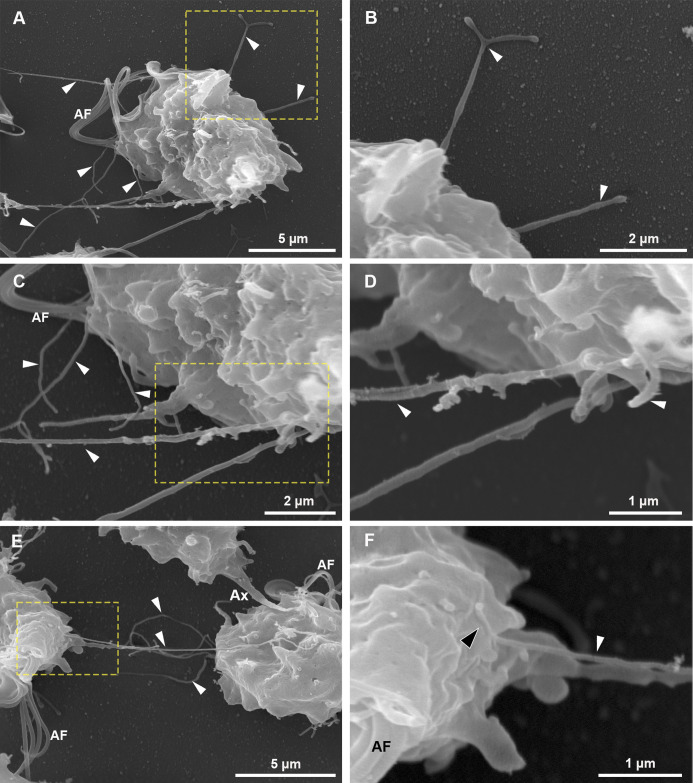
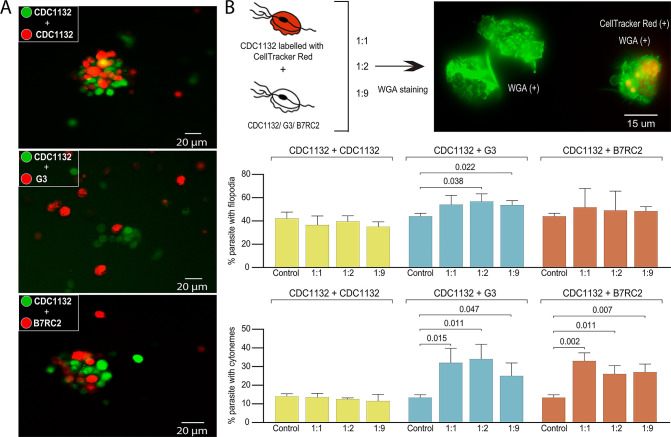
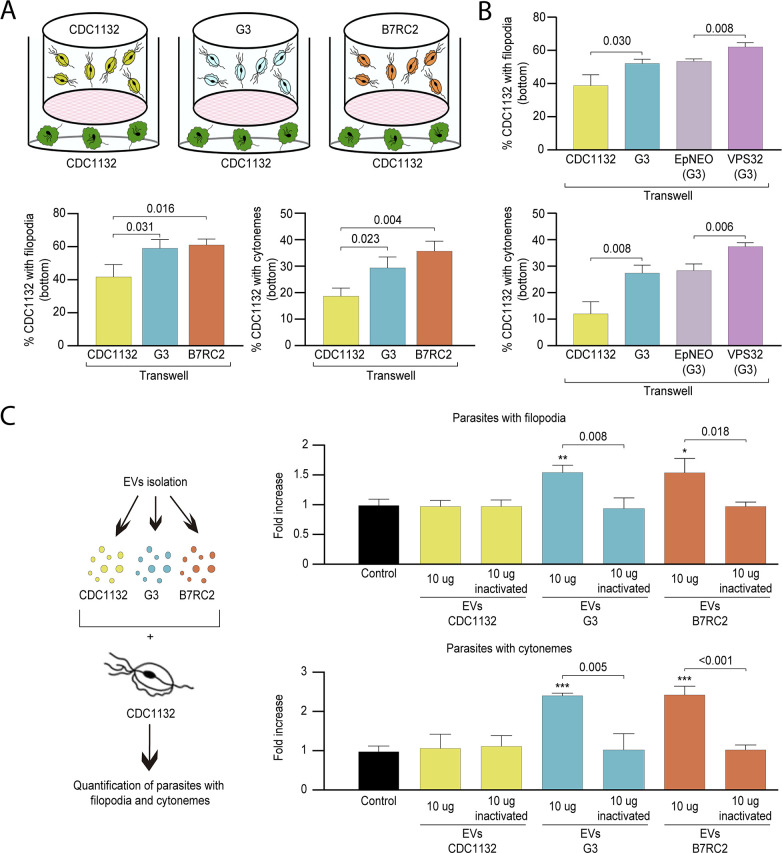
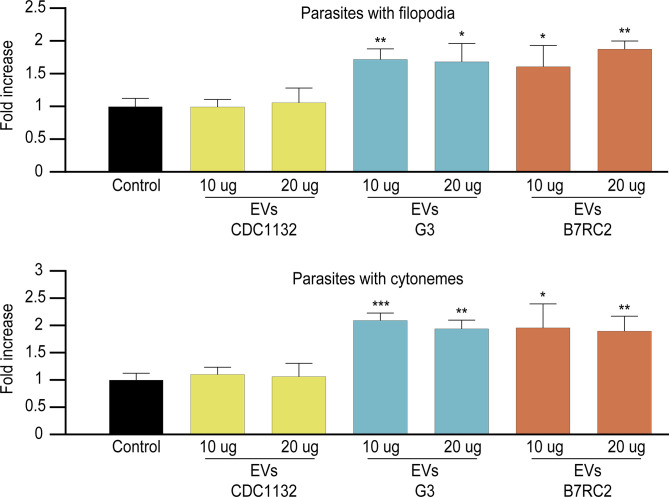
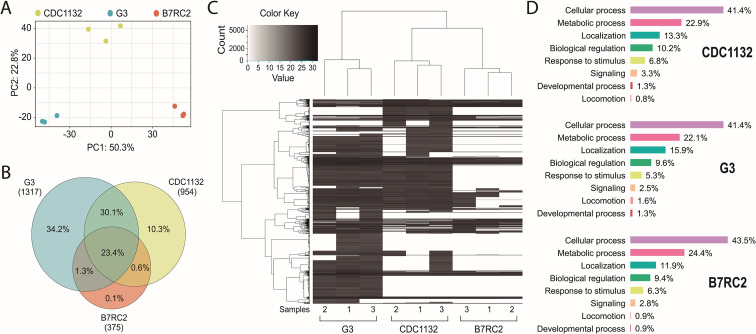
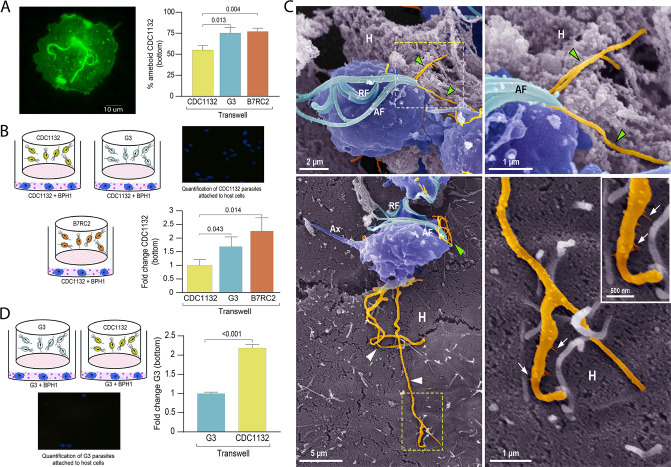
the etiologic agent of the most common non-viral sexually transmitted infection worldwide. With an estimated annual prevalence of 276 million new cases, mixed infections with different parasite strains are expected. Although it is known that parasites interact with their host to enhance their own survival and transmission, evidence of mixed infections call into question the extent to which unicellular parasites communicate with each other. Here, we demonstrated that different strains can communicate through the formation of cytoneme-like membranous cell connections. We showed that cytonemes formation of an adherent parasite strain (CDC1132) is affected in the presence of a different strain (G3 or B7RC2). Our findings provide evidence that this effect is contact-independent and that extracellular vesicles (EVs) are responsible, at least in part, of the communication among strains. We found that EVs isolated from G3, B7RC2, and CDC1132 strains contain a highly distinct repertoire of proteins, some of them involved in signaling and communication, among other functions. Finally, we showed that parasite adherence to host cells is affected by communication between strains as binding of adherent CDC1132 strain to prostate cells is significantly higher in the presence of G3 or B7RC2 strains. We also observed that a poorly adherent parasite strain (G3) adheres more strongly to prostate cells in the presence of an adherent strain. The study of signaling, sensing, and cell communication in parasitic organisms will enhance our understanding of the basic biological characteristics of parasites, which may have important consequences in pathogenesis.
这是全世界最常见的非病毒性性传播感染的病原体。估计每年有 2.76 亿例新发病例,预计会出现不同寄生虫株的混合感染。虽然已知寄生虫与宿主相互作用以增强自身的生存和传播能力,但混合感染的证据质疑单细胞寄生虫之间相互沟通的程度。在这里,我们证明了不同株可以通过形成类似于纤毛的膜细胞连接进行通信。我们表明,在存在不同株(G3 或 B7RC2)的情况下,粘附寄生虫株(CDC1132)的纤毛形成受到影响。我们的研究结果提供了证据,证明这种影响是不依赖接触的,并且细胞外囊泡(EVs)至少部分负责株间的通信。我们发现,从 G3、B7RC2 和 CDC1132 株中分离出的 EVs 含有高度不同的蛋白质谱,其中一些涉及信号转导和通信等功能。最后,我们表明,寄生虫与宿主细胞的粘附受到株间通信的影响,因为在存在 G3 或 B7RC2 株的情况下,粘附的 CDC1132 株与前列腺细胞的结合显著增加。我们还观察到,在粘附株存在的情况下,一种粘附性差的寄生虫株(G3)更强烈地粘附于前列腺细胞。对寄生虫信号转导、感应和细胞通信的研究将增强我们对寄生虫基本生物学特征的理解,这可能对发病机制具有重要意义。