Laboratory of Genital Tract Biology, Department of Obstetrics, Gynecology and Reproductive Biology, Harvard Medical School, Brigham & Women's Hospital, Boston, MA, United States.
Mass Spectrometry and Proteomics Resource Laboratory, FAS Division of Science, Harvard University, Cambridge, MA, United States.
Front Cell Infect Microbiol. 2020 Nov 5;10:591172. doi: 10.3389/fcimb.2020.591172. eCollection 2020.
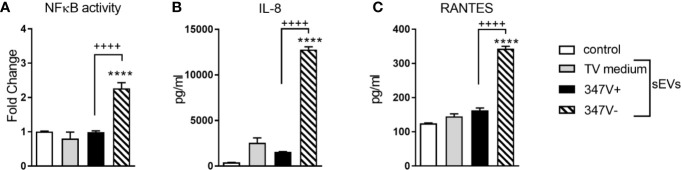
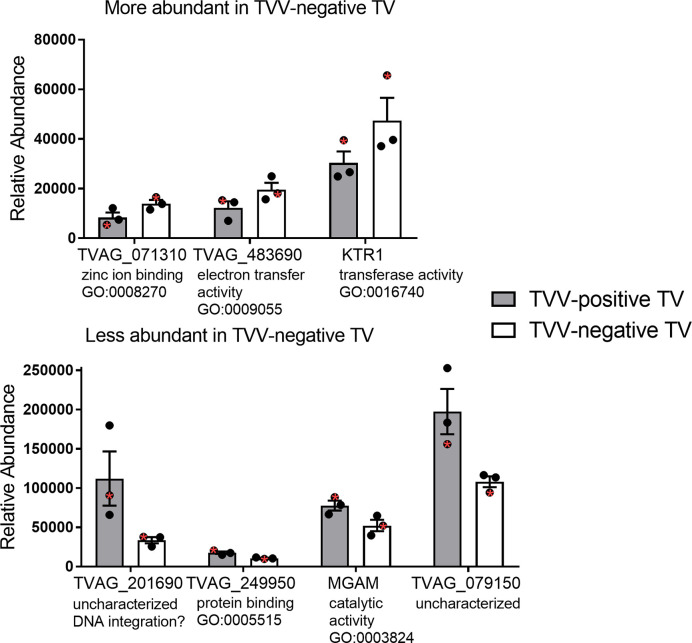
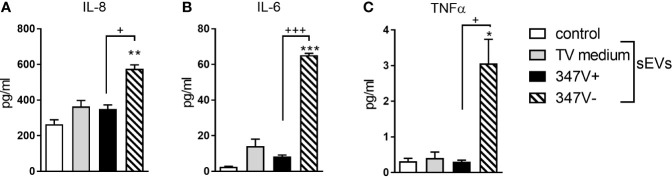
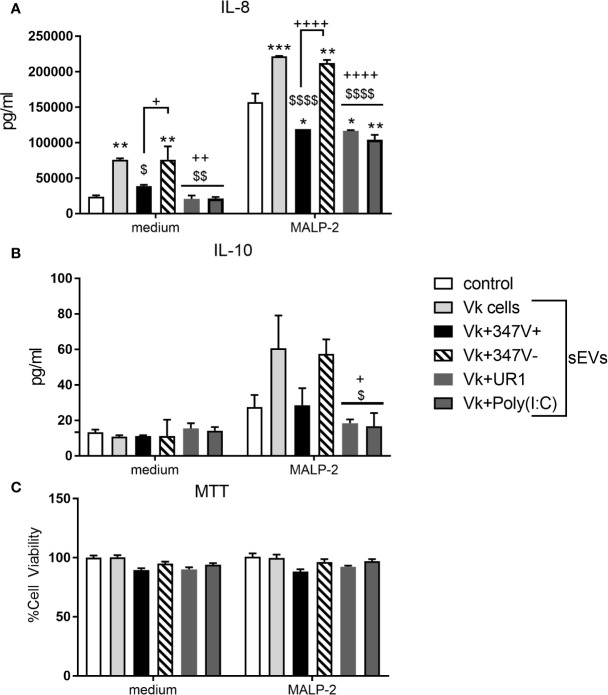
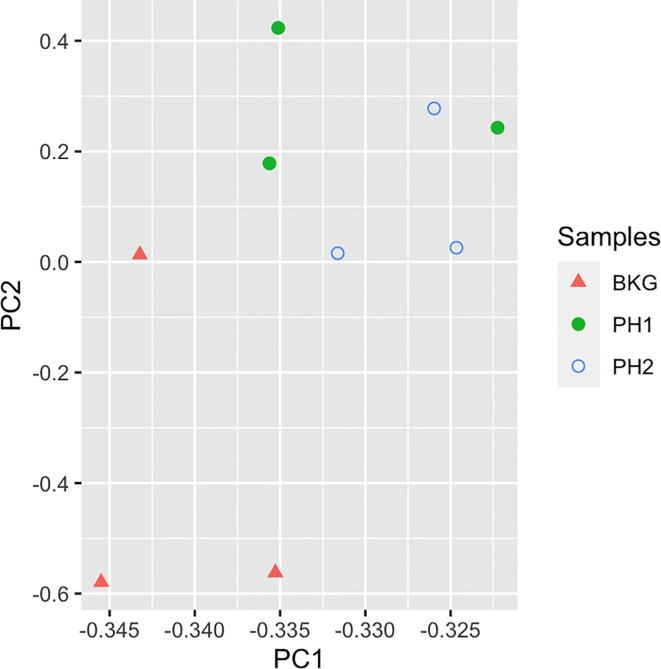
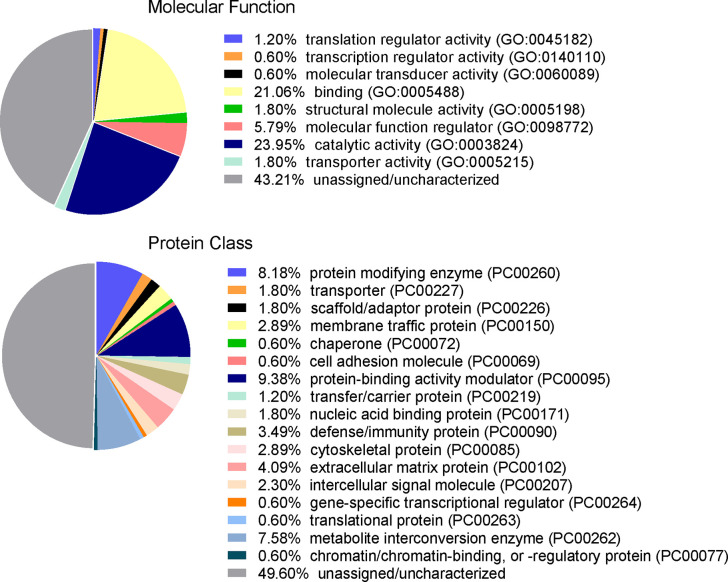
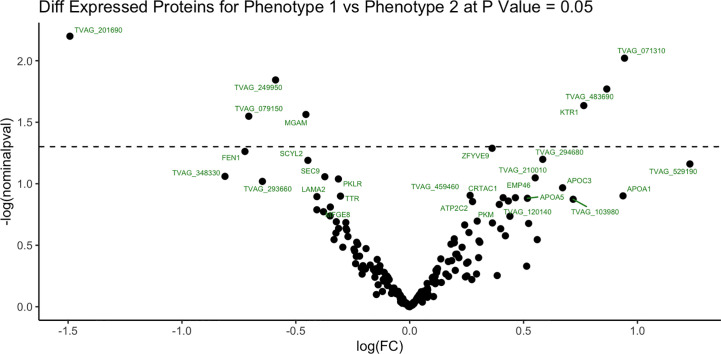
The protozoan parasite (TV), exclusively adapted to the human genital tract, is one of the most common sexually transmitted pathogens. Adding to the complexity of the host-pathogen interactions, the parasite harbors TV-specific endosymbiont viruses (, TVV). It was reported that small extracellular vesicles (sEVs) released by TV play a role in host immunity; however, the role of the viral endosymbiosis in this process remained unknown. We hypothesized that the virus may offer evolutionary benefit to its protozoan host at least in part by altering the immunomodulatory properties of sEVs spreading from the site of infection to non-infected immune effector cells. We infected human vaginal epithelial cells, the natural host of the parasite, with TV natively harboring TVV and an isogenic derivative of the parasite cured from the viral infection. sEVs were isolated from vaginal cell culture 24 h post TV infection and from medium where the isogenic TV strains were cultured in the absence of the human host. sEVs from TVV-negative but not TVV-positive parasites cultured alone caused NF-κB activation and increase of IL-8 and RANTES expression by uterine endocervical cells, which provide innate immune defense at the gate to the upper reproductive tract. Similarly, mononuclear leukocytes increased their IL-8, IL-6 and TNF-α output in response to sEVs from virus-negative, but not isogenic virus-positive parasites, the latter exosomes being immunosuppressive in comparison to TV medium control. The same phenomenon of suppressed immunity induced by the TVV-positive compared to TVV-negative phenotype was seen when stimulating the leukocytes with sEVs originating from infected vaginal cultures. In addition, the sEVs from the TVV-positive infection phenotype suppressed immune signaling of a toll-like receptor ligand derived from mycoplasma, another frequent TV symbiont. Quantitative comparative proteome analysis of the secreted sEVs from virus-positive versus virus-negative TV revealed differential expression of two functionally uncharacterized proteins and five proteins involved in Zn binding, protein binding, electron transfer, transferase and catalytic activities. These data support the concept that symbiosis with viruses may provide benefit to the protozoan parasite by exploiting sEVs as a vehicle for inter-cellular communications and modifying their protein cargo to suppress host immune activation.
原生动物寄生虫 (TV),专门适应人类生殖道,是最常见的性传播病原体之一。宿主-病原体相互作用的复杂性增加了,寄生虫还拥有 TV 特异性内共生病毒 (TVV)。据报道,TV 释放的小细胞外囊泡 (sEVs)在宿主免疫中发挥作用;然而,病毒在这个过程中的共生作用尚不清楚。我们假设,病毒可能通过改变从感染部位传播到未感染免疫效应细胞的 sEV 的免疫调节特性,至少在部分上为其原生动物宿主提供进化优势。我们用天然携带 TVV 的 TV 感染人阴道上皮细胞,即寄生虫的天然宿主,以及从病毒感染中治愈的寄生虫的同基因衍生物。TV 感染后 24 小时从阴道细胞培养物中分离 sEVs,并从没有人类宿主的同基因 TV 株培养的培养基中分离 sEVs。来自 TVV 阴性但不是 TVV 阳性寄生虫的 sEVs 单独培养会导致 NF-κB 激活,并增加子宫颈内细胞的 IL-8 和 RANTES 表达,为上生殖道提供先天免疫防御。同样,单核白细胞对来自病毒阴性而非同基因病毒阳性寄生虫的 sEVs 作出反应,增加其 IL-8、IL-6 和 TNF-α 的产生,而与 TV 培养基对照相比,后者外泌体具有免疫抑制作用。当用来自感染阴道培养物的 sEVs 刺激白细胞时,也观察到与 TVV 阴性表型相比,TVV 阳性表型引起的免疫抑制现象。此外,来自 TVV 阳性感染表型的 sEVs 抑制了来自另一种常见 TV 共生体支原体的 TLR 配体的免疫信号。病毒阳性与病毒阴性 TV 分泌的 sEVs 的定量比较蛋白质组分析显示,两种功能未明确的蛋白质和五种涉及 Zn 结合、蛋白质结合、电子传递、转移酶和催化活性的蛋白质的表达存在差异。这些数据支持这样的概念,即与病毒共生可能通过利用 sEVs 作为细胞间通讯的载体并修饰其蛋白质货物来抑制宿主免疫激活,为原生动物寄生虫提供益处。