Salas-Venegas Verónica, Santín-Márquez Roberto, Ramírez-Carreto Ricardo Jair, Rodríguez-Cortés Yesica María, Cano-Martínez Agustina, Luna-López Armando, Chavarría Anahí, Konigsberg Mina, López-Díazguerrero Norma Edith
Posgrado en Biología Experimental, Universidad Autónoma Metropolitana-Unidad Iztapalapa, Mexico City, Mexico.
Departamento de Ciencias de la Salud, División de Ciencias Biológicas y de la Salud (DCBS), Universidad Autónoma Metropolitana Iztapalapa, CDMX, Mexico City, Mexico.
Front Aging Neurosci. 2023 Apr 17;15:1162747. doi: 10.3389/fnagi.2023.1162747. eCollection 2023.
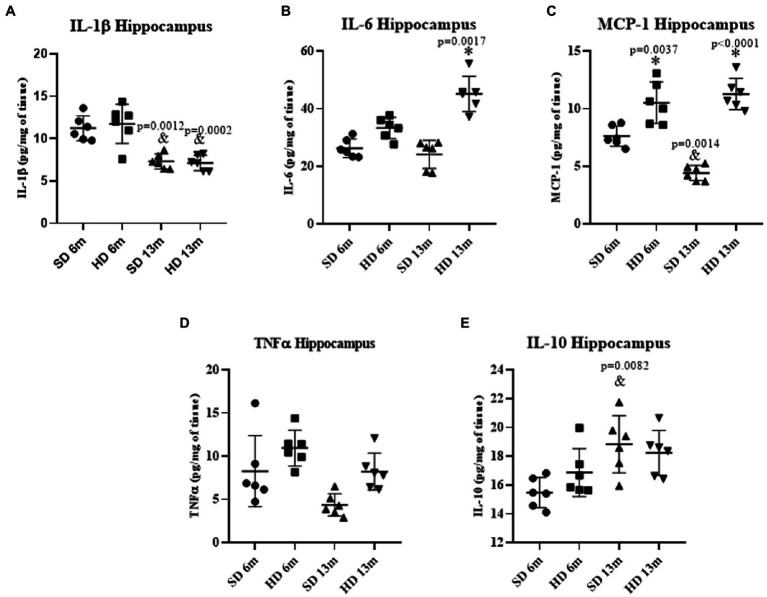
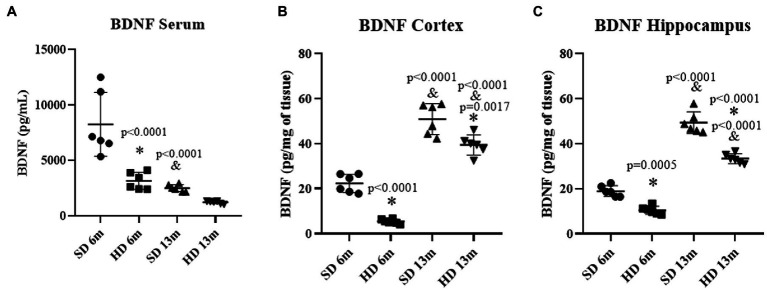
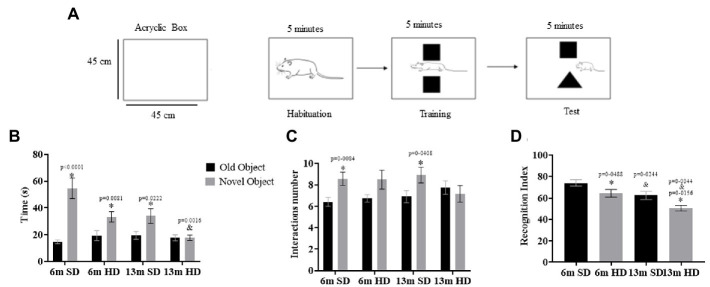
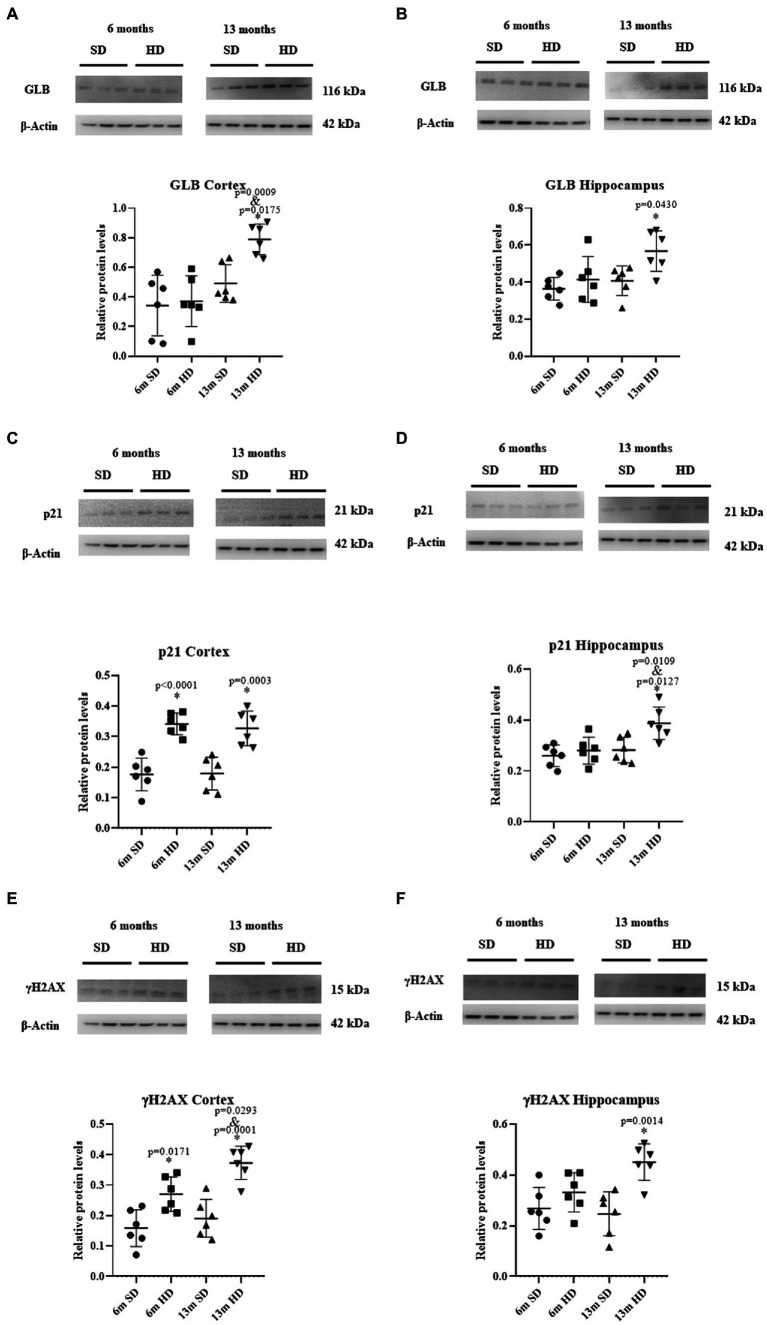
Being overweight and obesity are world health problems, with a higher prevalence in women, defined as abnormal or excessive fat accumulation that increases the risk of chronic diseases. Excess energy leads to adipose expansion, generating hypertrophic adipocytes that produce various pro-inflammatory molecules. These molecules cause chronic low-intensity inflammation, affecting the organism's functioning and the central nervous system (CNS), inducing neuroinflammation. The neuroinflammatory response during obesity occurs in different structures of the CNS involved in memory and learning, such as the cortex and the hippocampus. Here we analyzed how obesity-related peripheral inflammation can affect CNS physiology, generating neuroinflammation and promoting cellular senescence establishment. Since some studies have shown an increase in senescent cells during aging, obesity, and neurodegenerative diseases, we proposed that cellular senescence participation may contribute to the cognitive decline in an obesity model of middle-aged female Wistar rats. The inflammatory state of 6 and 13 months-old female Wistar rats fed with a hypercaloric diet was measured in serum and CNS (cortex and hippocampus). Memory was evaluated using the novel object recognition (NOR) test; the presence of senescent markers was also determined. Our data suggest that the systemic inflammation generated by obesity induces a neuroinflammatory state in regions involved in learning and memory, with an increase in senescent markers, thus proposing senescence as a potential participant in the negative consequences of obesity in cognition.
超重和肥胖是全球性的健康问题,在女性中患病率更高,其定义为异常或过度的脂肪堆积,会增加患慢性病的风险。能量过剩会导致脂肪组织扩张,产生肥大的脂肪细胞,这些细胞会产生各种促炎分子。这些分子会引发慢性低强度炎症,影响机体功能和中枢神经系统(CNS),诱发神经炎症。肥胖期间的神经炎症反应发生在中枢神经系统中参与记忆和学习的不同结构中,如皮层和海马体。在这里,我们分析了肥胖相关的外周炎症如何影响中枢神经系统生理,产生神经炎症并促进细胞衰老的发生。由于一些研究表明,在衰老、肥胖和神经退行性疾病过程中衰老细胞会增加,我们提出细胞衰老的参与可能导致中年雌性Wistar大鼠肥胖模型中的认知能力下降。我们测量了喂食高热量饮食的6个月和13个月大雌性Wistar大鼠血清和中枢神经系统(皮层和海马体)中的炎症状态。使用新物体识别(NOR)测试评估记忆;还确定了衰老标志物的存在。我们的数据表明,肥胖产生的全身炎症会在参与学习和记忆的区域诱发神经炎症状态,同时衰老标志物增加,因此提出衰老可能是肥胖对认知产生负面影响的潜在因素。