Ludwig Institute for Cancer Research, Lausanne Branch, University of Lausanne and Lausanne University Hospital, Lausanne, Switzerland.
Center of Experimental Therapeutics, Department of Oncology, Lausanne University Hospital, Lausanne, Switzerland.
Cell Rep Methods. 2023 Apr 24;3(4):100459. doi: 10.1016/j.crmeth.2023.100459.
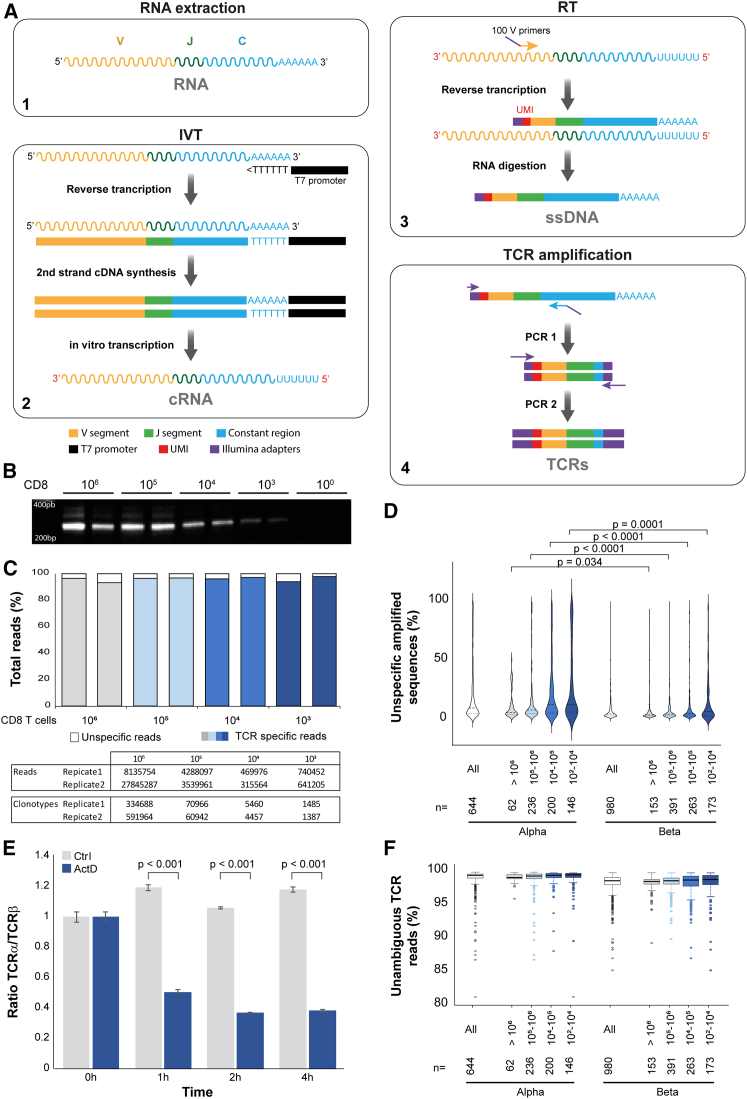
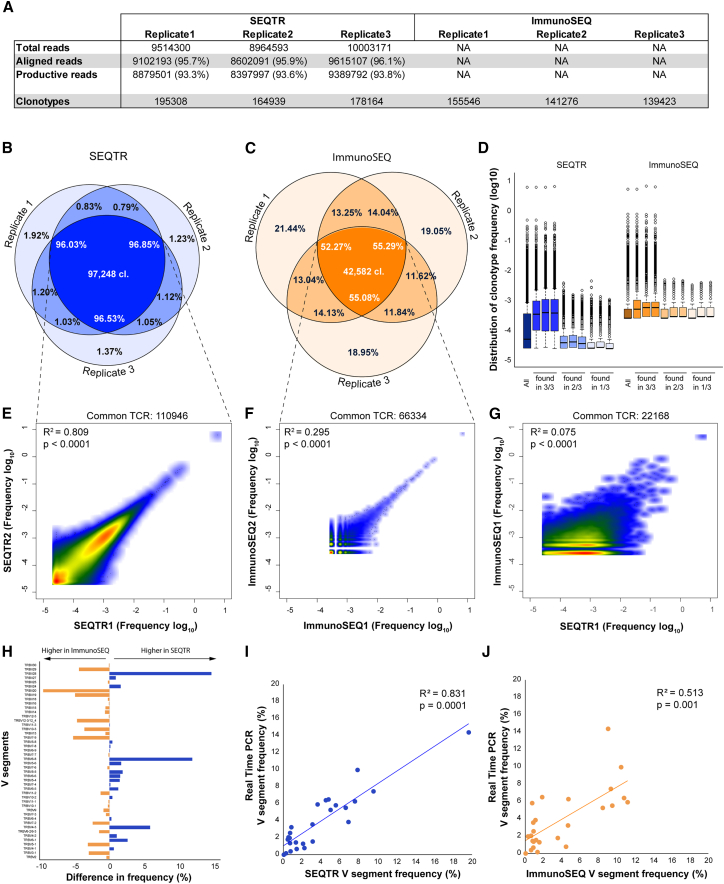
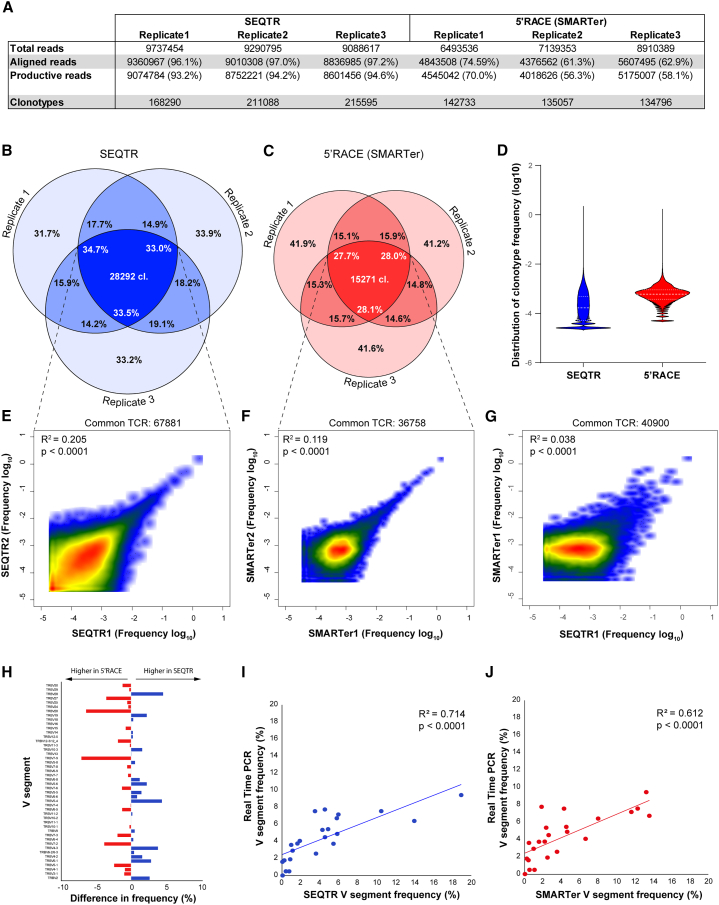
T cell receptor (TCR) technologies, including repertoire analyses and T cell engineering, are increasingly important in the clinical management of cellular immunity in cancer, transplantation, and other immune diseases. However, sensitive and reliable methods for repertoire analyses and TCR cloning are still lacking. Here, we report on SEQTR, a high-throughput approach to analyze human and mouse repertoires that is more sensitive, reproducible, and accurate as compared with commonly used assays, and thus more reliably captures the complexity of blood and tumor TCR repertoires. We also present a TCR cloning strategy to specifically amplify TCRs from T cell populations. Positioned downstream of single-cell or bulk TCR sequencing, it allows time- and cost-effective discovery, cloning, screening, and engineering of tumor-specific TCRs. Together, these methods will accelerate TCR repertoire analyses in discovery, translational, and clinical settings and permit fast TCR engineering for cellular therapies.
T 细胞受体(TCR)技术,包括文库分析和 T 细胞工程,在癌症、移植和其他免疫疾病中细胞免疫的临床管理中变得越来越重要。然而,用于文库分析和 TCR 克隆的敏感和可靠方法仍然缺乏。在这里,我们报告了 SEQTR,这是一种高通量分析人类和小鼠文库的方法,与常用的检测方法相比,它更灵敏、可重复且准确,因此更可靠地捕捉血液和肿瘤 TCR 文库的复杂性。我们还提出了一种 TCR 克隆策略,用于从 T 细胞群体中特异性扩增 TCR。它位于单细胞或批量 TCR 测序的下游,允许从发现、克隆、筛选和工程肿瘤特异性 TCR 中实现时间和成本效益。总之,这些方法将加速 TCR 文库分析在发现、转化和临床环境中的应用,并允许快速进行细胞治疗的 TCR 工程。