Skjærvø Susanne Linn, Anker Andy S, Wied Magnus C, Kjær Emil T S, Juelsholt Mikkel, Christiansen Troels Lindahl, Ø Jensen Kirsten M
Department of Chemistry and Nano-Science Center, University of Copenhagen 2100 Copenhagen Ø Denmark
Chem Sci. 2023 Apr 6;14(18):4806-4816. doi: 10.1039/d3sc00426k. eCollection 2023 May 10.
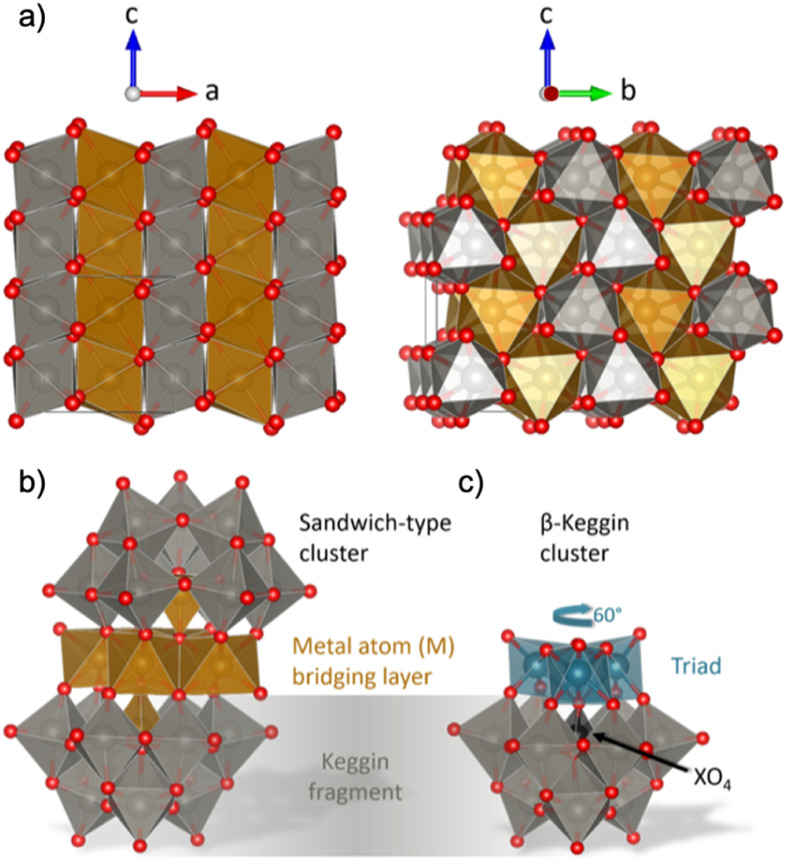
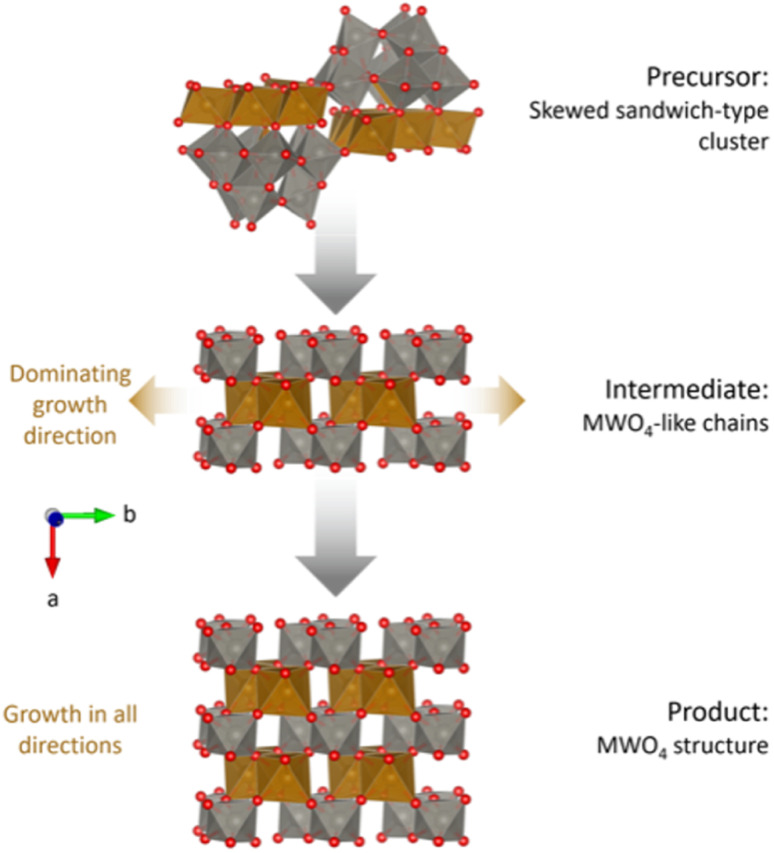
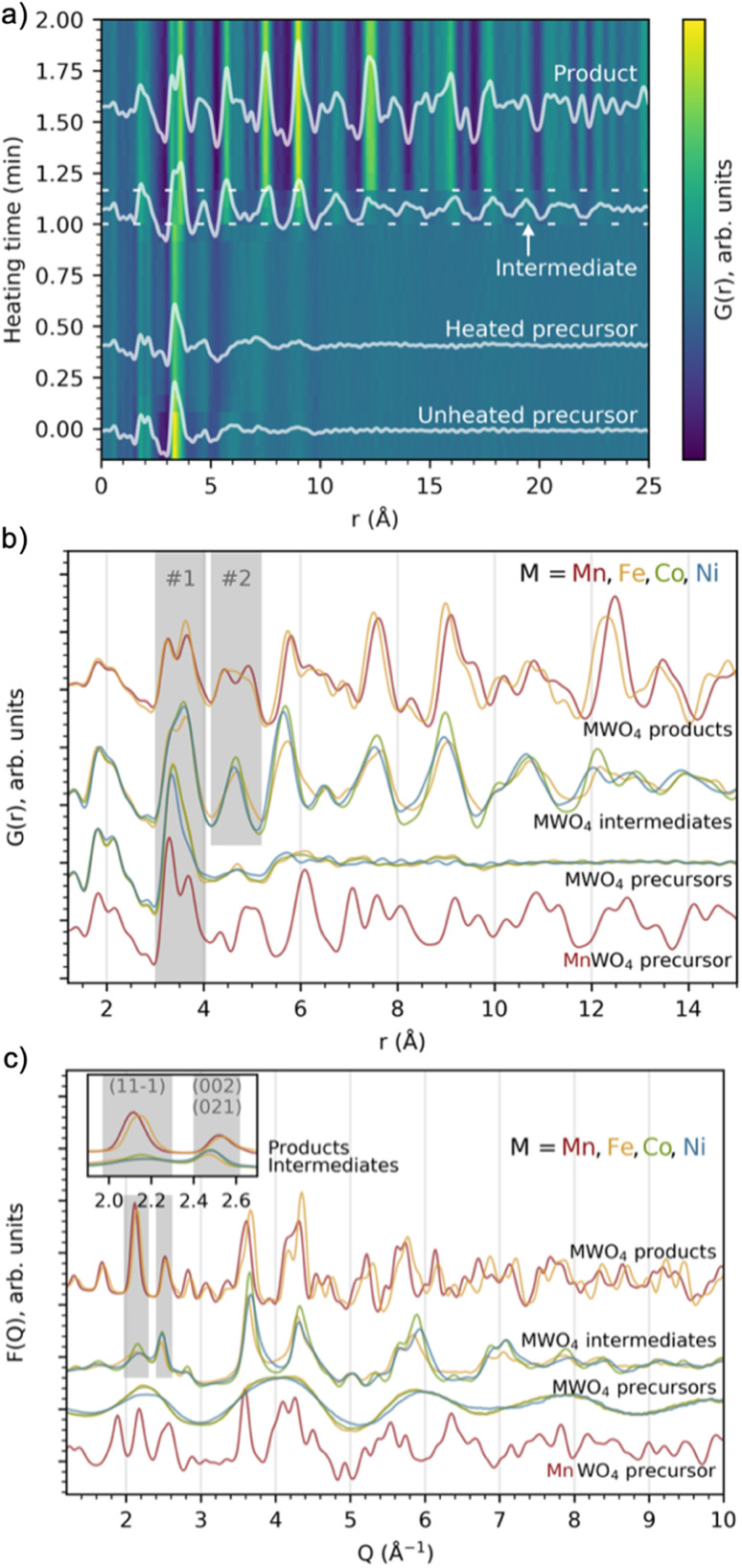
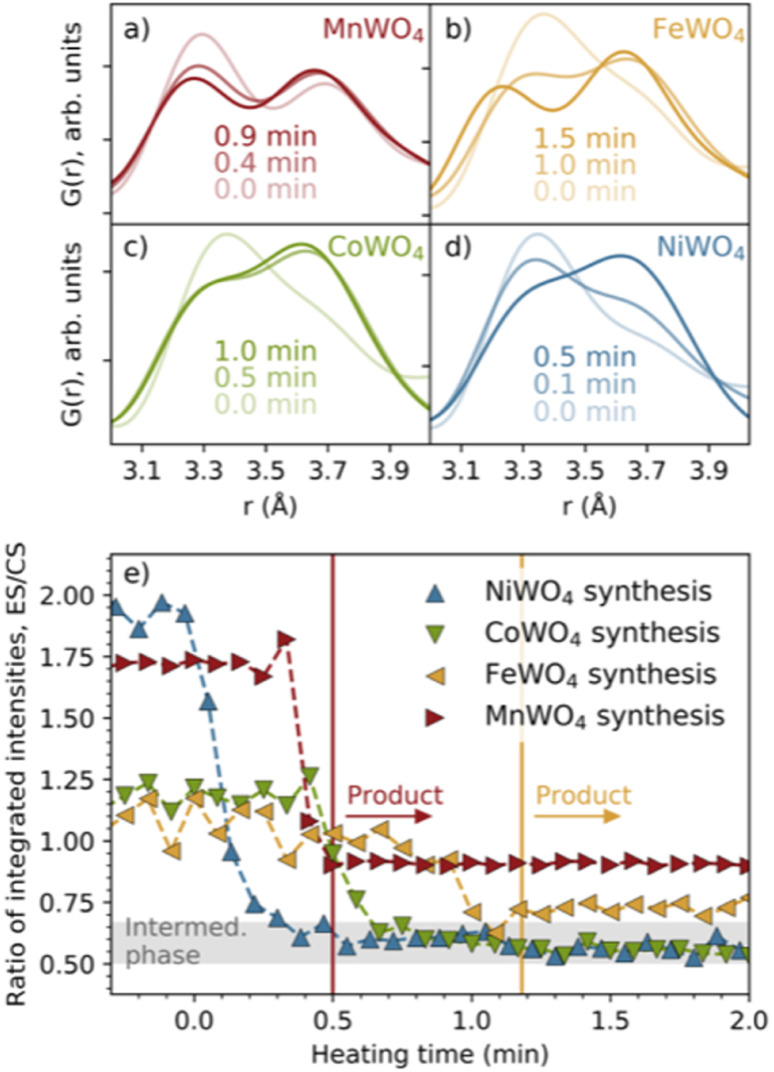
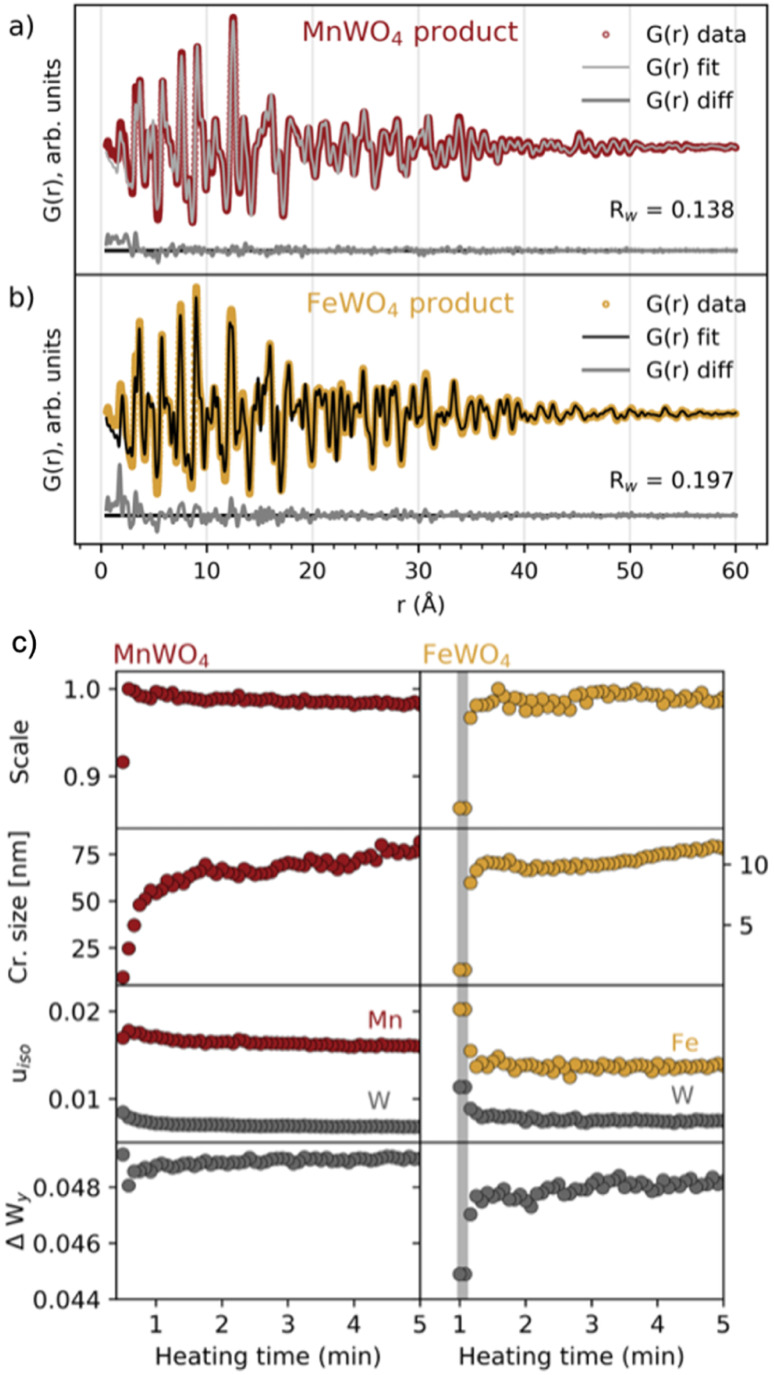
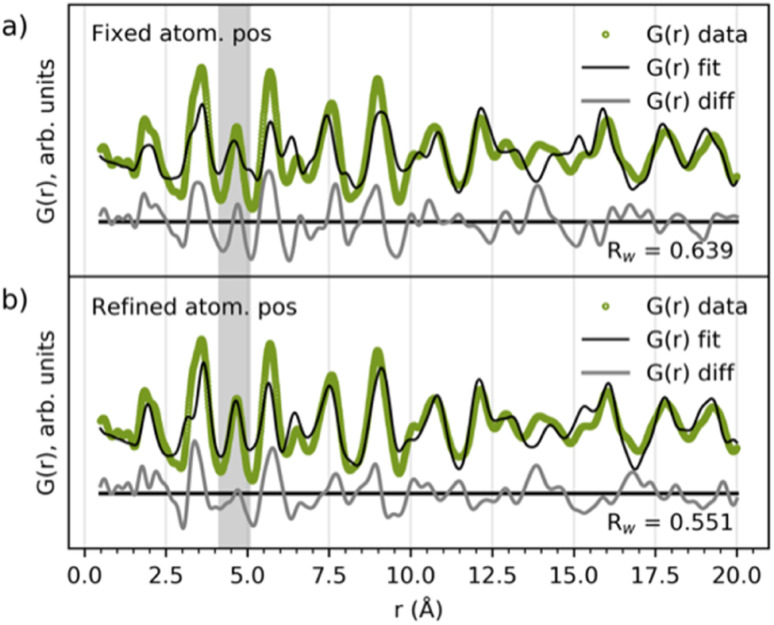
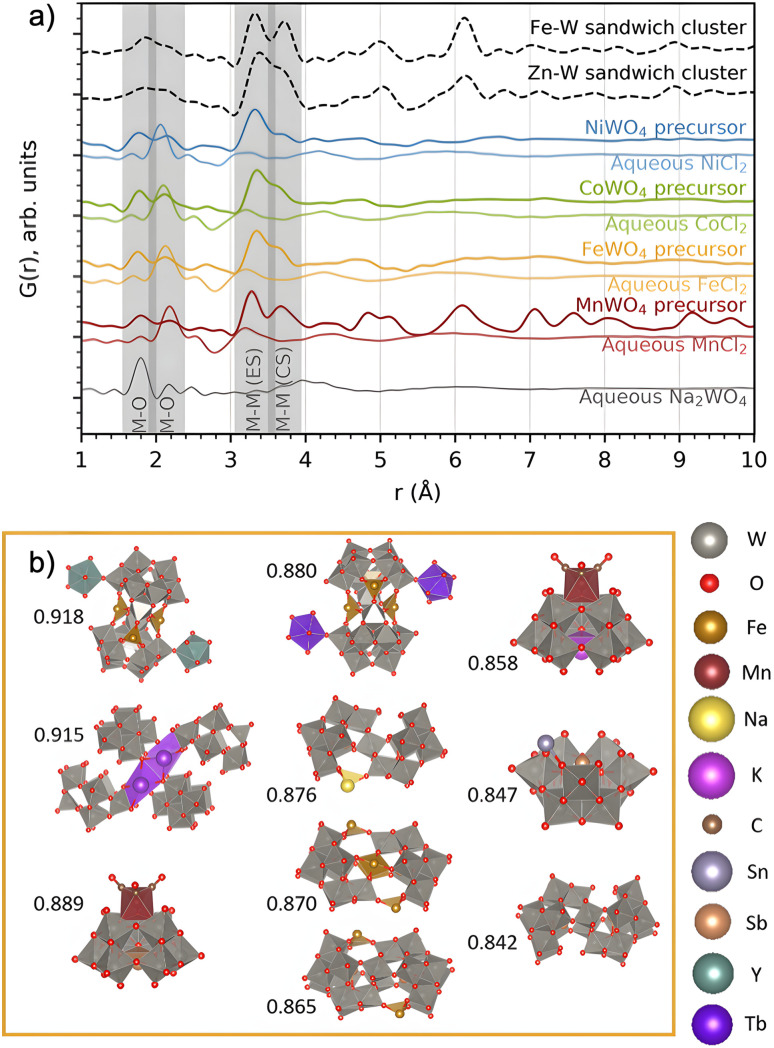
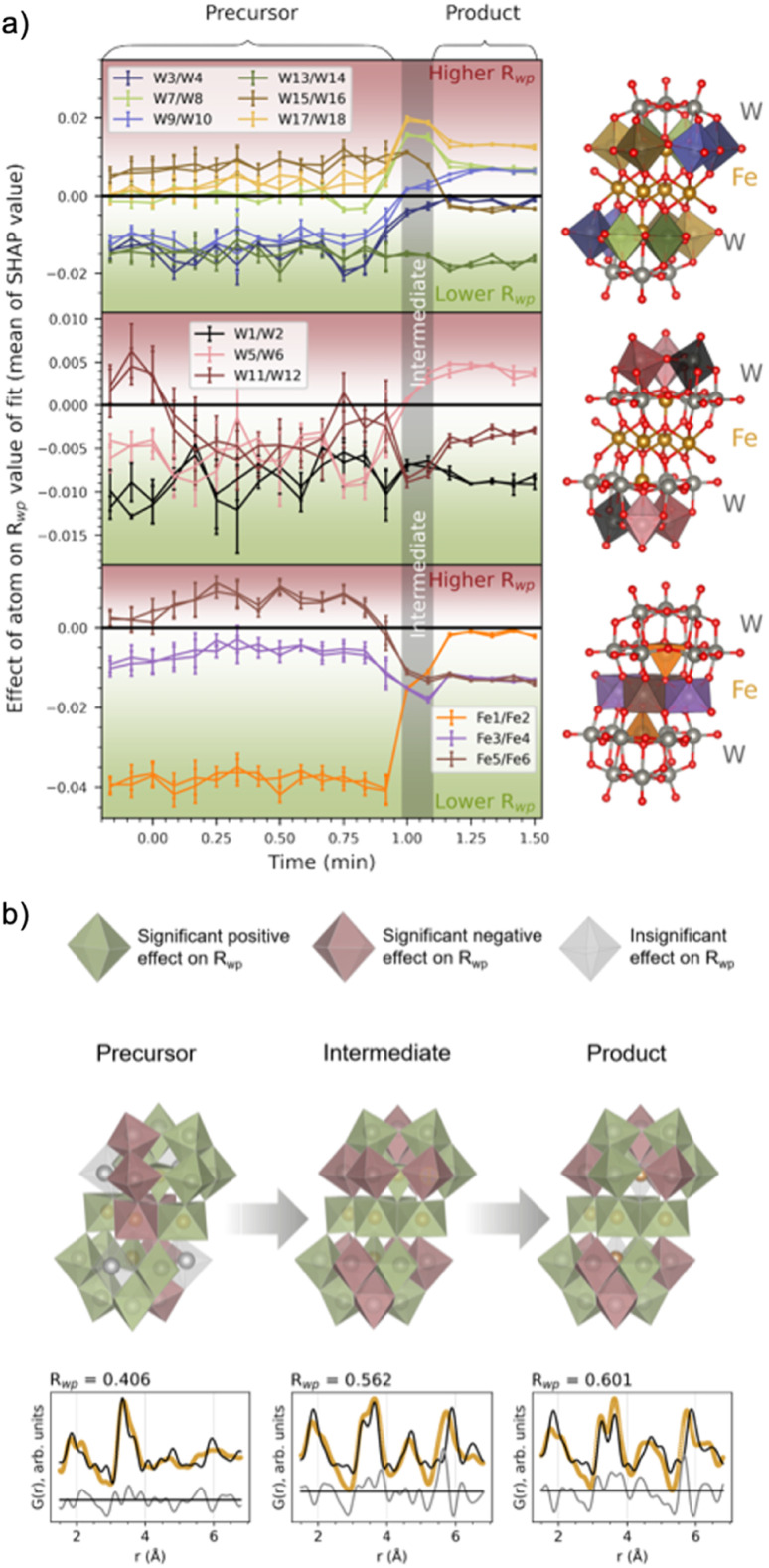
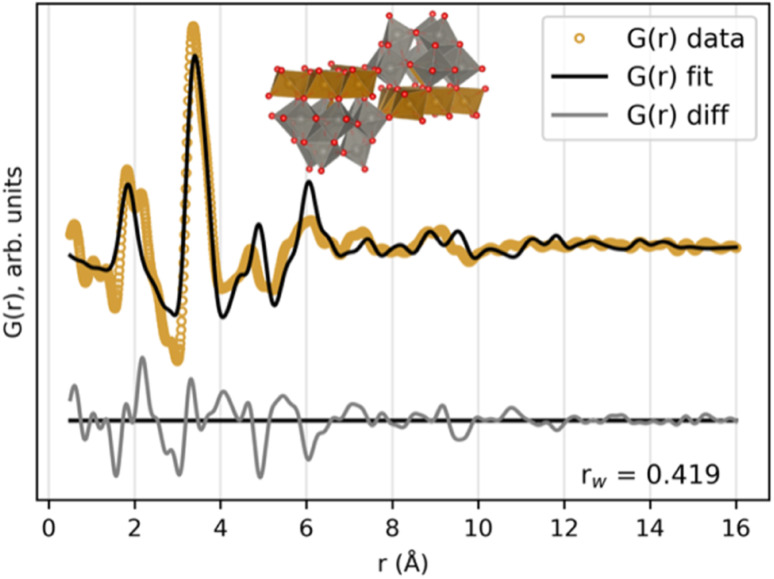
Material nucleation processes are poorly understood; nevertheless, an atomistic understanding of material formation would aid in the design of material synthesis methods. Here, we apply X-ray total scattering experiments with pair distribution function (PDF) analysis to study the hydrothermal synthesis of wolframite-type MWO (M : Mn, Fe, Co, Ni). The data obtained allow the mapping of the material formation pathway in detail. We first show that upon mixing of the aqueous precursors, a crystalline precursor containing [WO] clusters forms for the MnWO synthesis, while amorphous pastes form for the FeWO, CoWO and NiWO syntheses. The structure of the amorphous precursors was studied in detail with PDF analysis. Using database structure mining and an automated modelling strategy by applying machine learning, we show that the amorphous precursor structure can be described through polyoxometalate chemistry. A skewed sandwich cluster containing Keggin fragments describes the PDF of the precursor structure well, and the analysis shows that the precursor for FeWO is more ordered than that of CoWO and NiWO. Upon heating, the crystalline MnWO precursor quickly converts directly to crystalline MnWO, while the amorphous precursors transform into a disordered intermediate phase before the crystalline tungstates appear. Our data show that the more disordered the precursor is, the longer the reaction time required to form crystalline products, and disorder in the precursor phase appears to be a barrier for crystallization. More generally, we see that polyoxometalate chemistry is useful when describing the initial wet-chemical formation of mixed metal oxides.
材料成核过程目前还知之甚少;然而,从原子层面理解材料形成将有助于材料合成方法的设计。在此,我们应用X射线全散射实验结合对分布函数(PDF)分析来研究黑钨矿型MWO(M:Mn、Fe、Co、Ni)的水热合成。所获得的数据能够详细描绘材料的形成路径。我们首先表明,在混合水性前驱体后,对于MnWO合成会形成一种含有[WO]簇的晶体前驱体,而对于FeWO、CoWO和NiWO合成则形成无定形糊状物。通过PDF分析对无定形前驱体的结构进行了详细研究。利用数据库结构挖掘以及应用机器学习的自动建模策略,我们表明无定形前驱体结构可以通过多金属氧酸盐化学来描述。一种包含Keggin片段的倾斜夹心簇能很好地描述前驱体结构的PDF,并且分析表明FeWO的前驱体比CoWO和NiWO的前驱体更有序。加热时,晶体MnWO前驱体迅速直接转化为晶体MnWO,而无定形前驱体在晶体钨酸盐出现之前先转变为无序的中间相。我们的数据表明,前驱体越无序,形成晶体产物所需的反应时间就越长,并且前驱体相中的无序似乎是结晶的一个障碍。更一般地说,我们发现多金属氧酸盐化学在描述混合金属氧化物的初始湿化学形成过程时是有用的。