Department of Plastic and Reconstructive Surgery, Graduate School of Medicine, The University of Tokyo, 7-3-1, Hongo, Bunkyo-ku, Tokyo, Japan.
Department of Bioengineering, School of Engineering, The University of Tokyo, 7-3-1, Hongo, Bunkyo-ku, Tokyo, Japan.
Commun Biol. 2023 May 16;6(1):508. doi: 10.1038/s42003-023-04851-w.
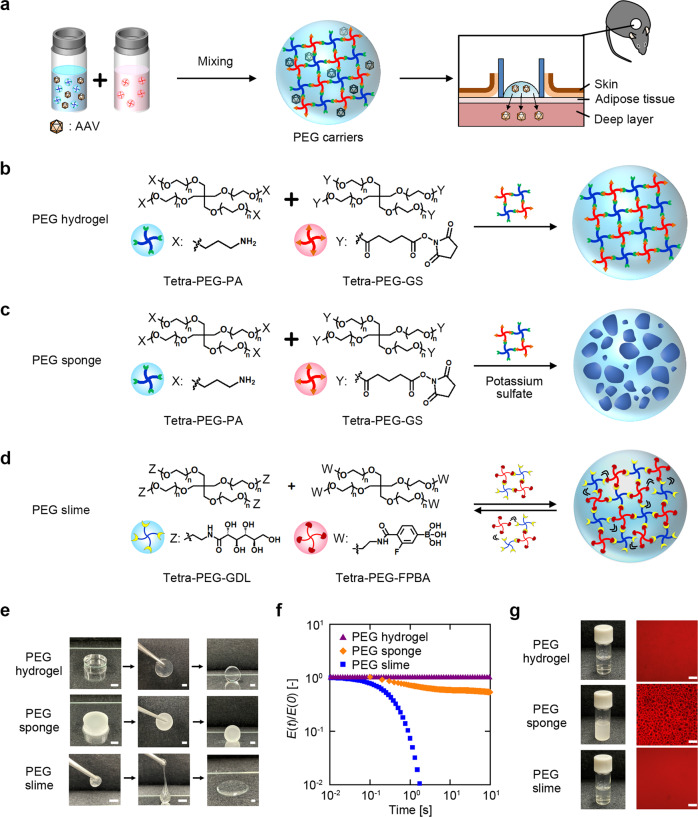
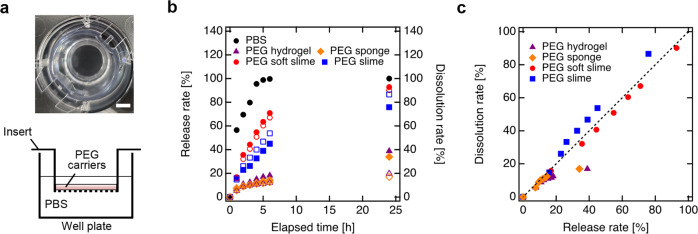
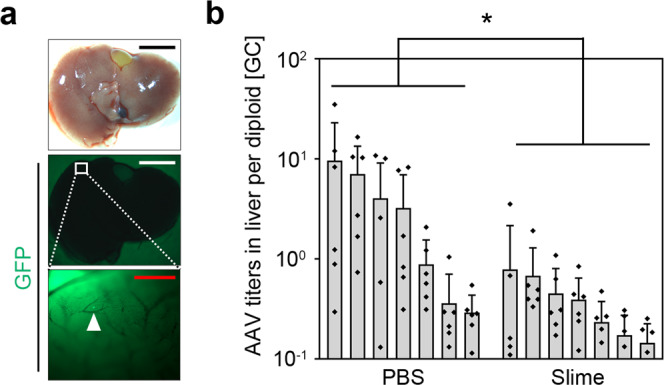
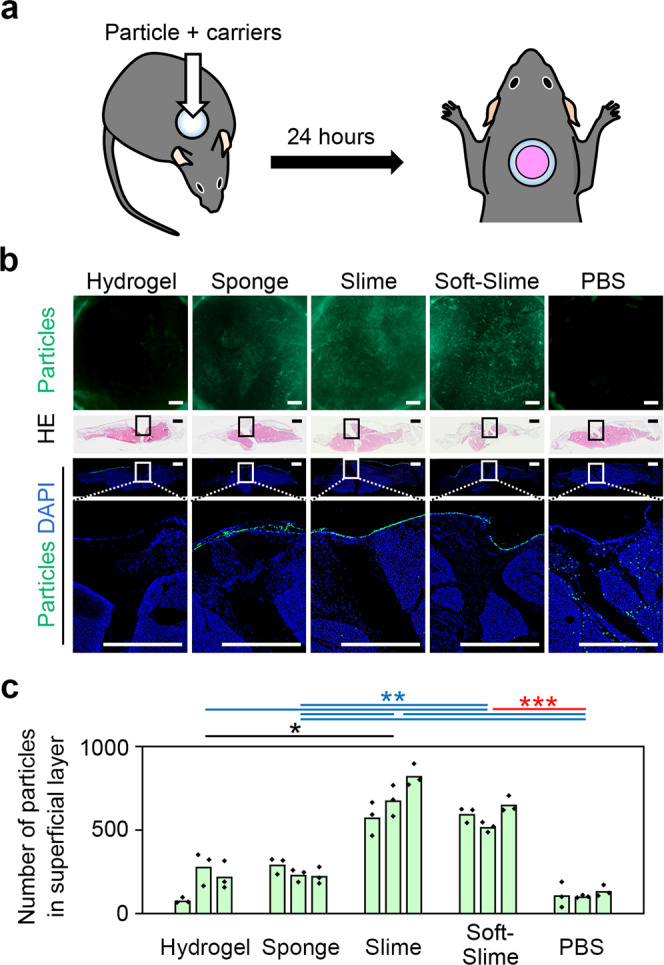
The adeno-associated virus (AAV) is a potent vector for in vivo gene transduction and local therapeutic applications of AAVs, such as for skin ulcers, are expected. Localization of gene expression is important for the safety and efficiency of genetic therapies. We hypothesized that gene expression could be localized by designing biomaterials using poly(ethylene glycol) (PEG) as a carrier. Here we show one of the designed PEG carriers effectively localized gene expression on the ulcer surface and reduced off-target effects in the deep skin layer and the liver, as a representative organ to assess distant off-target effects, using a mouse skin ulcer model. The dissolution dynamics resulted in localization of the AAV gene transduction. The designed PEG carrier may be useful for in vivo gene therapies using AAVs, especially for localized expression.
腺相关病毒 (AAV) 是一种强大的体内基因转导载体,用于 AAV 的局部治疗应用,例如皮肤溃疡。预计会有这种应用。基因表达的定位对于基因治疗的安全性和效率很重要。我们假设可以通过使用聚乙二醇 (PEG) 作为载体来设计生物材料来实现基因表达的定位。在这里,我们展示了其中一种设计的 PEG 载体,它可有效地将基因表达定位于溃疡表面,并减少深皮层和肝脏(作为评估远处非靶位效应的代表性器官)中的脱靶效应,使用小鼠皮肤溃疡模型。这种载体的溶解动力学导致了 AAV 基因转导的定位。这种设计的 PEG 载体可能对使用 AAV 的体内基因治疗有用,特别是用于局部表达。