Piemjai Morakot, Donpinprai Chakriya
Department of Prosthodontics, Faculty of Dentistry, Chulalongkorn University, Bangkok 10330, Thailand.
Heliyon. 2023 May 12;9(5):e16219. doi: 10.1016/j.heliyon.2023.e16219. eCollection 2023 May.
CAD/CAM hybrid materials have become increasingly utilized in restorative dentistry. However, their low tensile bond strength (TBS) may lead to the detachment of minimally invasive restorations. When prepared, an experimental enamel-based biopolymer prosthesis provided a honeycomb-like interfacial layer with luting adhesives leading to a higher TBS than Ni-Cr-Be based alloy, lithium disilicate-based ceramic, and cured-resin-composite. This study aimed to compare TBSs of dental veneers fabricated from experimental biopolymer and commercial hybrid materials bonded to enamel using two different luting adhesives.
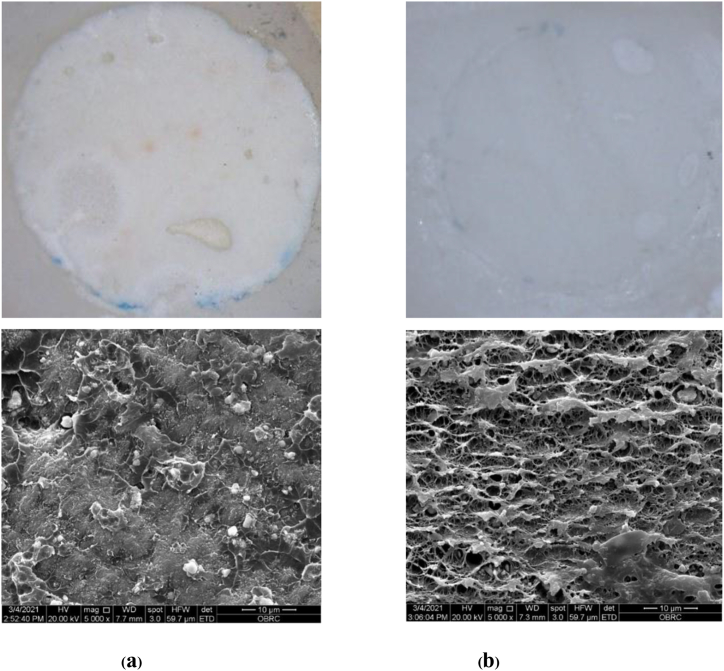
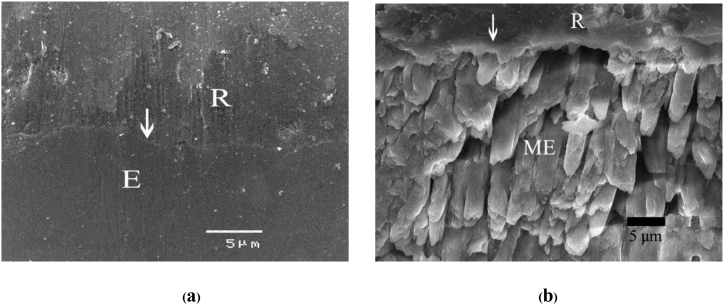
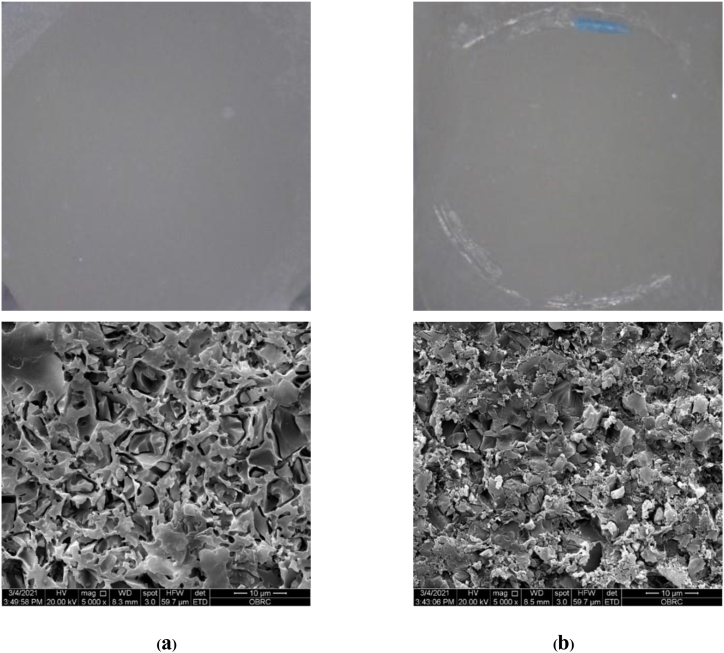
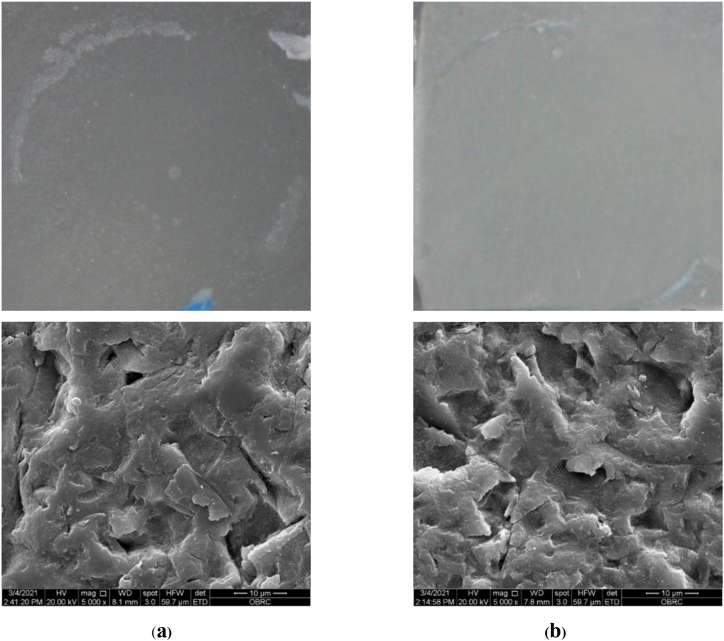
Laminate veneers (4 × 4 mm) 1 mm thick were prepared from commercial CAD/CAM blocks: VITA ENAMIC, SHOFU Block HC, KATANA AVENCIA, and an experimental biopolymer. The flat bonding surface of the veneers was ground to 600-grit, followed by 50-μm alumina air-abrading for standardization. Each veneer was fixed on flat ground bovine enamel using either Super-Bond C&B or RelyX™ U200 resin (n = 10). The surface treatment and bonding procedures were treated as recommended by the manufacturers. All bonded specimens were stored in water at 37 °C for 24 h before tensile testing with a universal testing machine at a cross-headed speed of 1.0 mm/min. The fractured surface was examined with a stereomicroscope and scanning electron microscope. TBS data were statistically analyzed using two-way ANOVA and Tukey's HSD test (α = 0.05).
Experimental biopolymer veneers demonstrated the highest mean TBS with cohesive failure in the luting agents. Adhesive failure at the veneer side interface was found in other groups. There was no significant difference between the two luting agents.
The results indicate that the experimental biopolymer veneer bonded to enamel provided the best retention. The TBS at the enamel-resin interface is higher than at the veneer-resin interface for all commercial CAD/CAM hybrid materials.
An experimental enamel-based biopolymer veneer can provide better retention than CAD/CAM hybrid materials in clinical treatment.
CAD/CAM混合材料在口腔修复学中的应用越来越广泛。然而,其较低的拉伸粘结强度(TBS)可能导致微创修复体脱落。一种实验性的牙釉质基生物聚合物假体在制备时,与粘结剂形成了蜂窝状界面层,其TBS高于镍铬铍基合金、二硅酸锂基陶瓷和固化树脂复合材料。本研究旨在比较由实验性生物聚合物和商业混合材料制成的牙科贴面,使用两种不同粘结剂粘结到牙釉质上的TBS。
从商业CAD/CAM块材制备1mm厚、4×4mm的层压贴面:VITA ENAMIC、SHOFU Block HC、KATANA AVENCIA和一种实验性生物聚合物。将贴面的平坦粘结面研磨至600目,然后用50μm氧化铝空气喷砂进行标准化处理。每个贴面使用Super-Bond C&B或RelyX™ U200树脂固定在平坦研磨的牛牙釉质上(n = 10)。表面处理和粘结程序按照制造商的建议进行。所有粘结标本在37°C水中储存24小时,然后用万能试验机以1.0mm/min的十字头速度进行拉伸测试。用立体显微镜和扫描电子显微镜检查断裂表面。TBS数据采用双向方差分析和Tukey's HSD检验进行统计学分析(α = 0.05)。
实验性生物聚合物贴面显示出最高的平均TBS,粘结剂出现内聚破坏。其他组在贴面侧界面出现粘结破坏。两种粘结剂之间无显著差异。
结果表明,粘结到牙釉质上的实验性生物聚合物贴面提供了最佳的固位力。对于所有商业CAD/CAM混合材料,牙釉质-树脂界面的TBS高于贴面-树脂界面。
在临床治疗中,一种实验性的牙釉质基生物聚合物贴面比CAD/CAM混合材料能提供更好的固位力。