Joint Quantum Institute, NIST/University of Maryland, College Park, MD, 20742, USA.
Joint Center for Quantum Information and Computer Science, NIST/University of Maryland, College Park, MD, 20742, USA.
Nat Commun. 2023 May 22;14(1):2918. doi: 10.1038/s41467-023-37902-1.
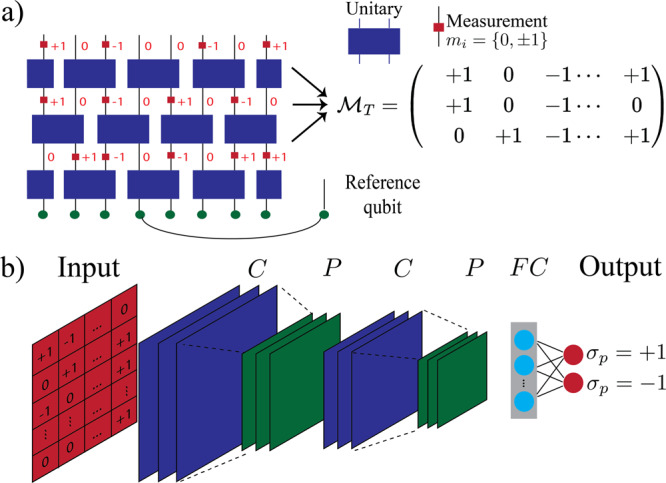
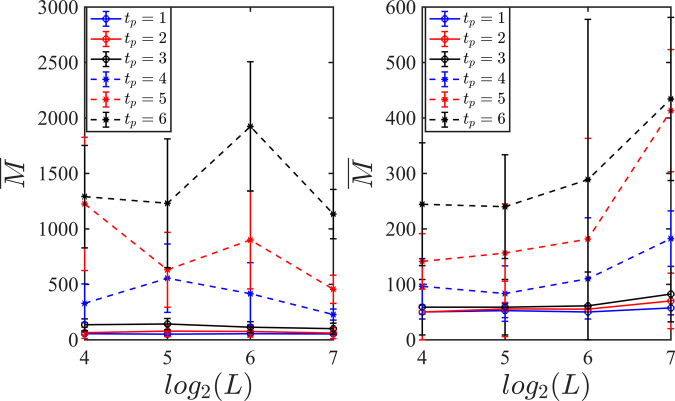
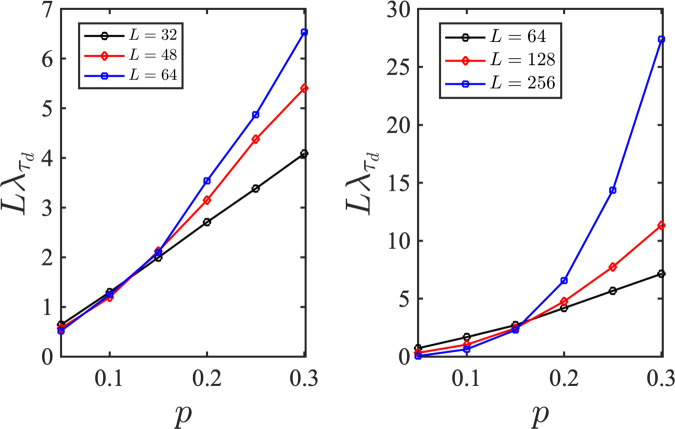
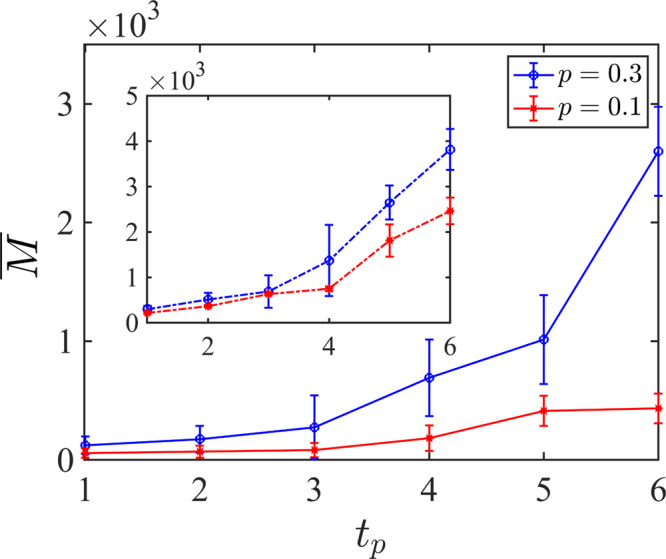
Open quantum systems have been shown to host a plethora of exotic dynamical phases. Measurement-induced entanglement phase transitions in monitored quantum systems are a striking example of this phenomena. However, naive realizations of such phase transitions requires an exponential number of repetitions of the experiment which is practically unfeasible on large systems. Recently, it has been proposed that these phase transitions can be probed locally via entangling reference qubits and studying their purification dynamics. In this work, we leverage modern machine learning tools to devise a neural network decoder to determine the state of the reference qubits conditioned on the measurement outcomes. We show that the entanglement phase transition manifests itself as a stark change in the learnability of the decoder function. We study the complexity and scalability of this approach in both Clifford and Haar random circuits and discuss how it can be utilized to detect entanglement phase transitions in generic experiments.
开放量子系统被证明具有多种奇异动力学相。在受监控的量子系统中,测量诱导的纠缠相变就是这种现象的一个显著例子。然而,这种相变的简单实现需要实验的重复次数呈指数增长,这在大型系统上实际上是不可行的。最近,有人提出可以通过纠缠参考量子位并研究它们的纯化动力学来局部探测这些相变。在这项工作中,我们利用现代机器学习工具来设计一个神经网络解码器,以确定参考量子位在测量结果条件下的状态。我们表明,纠缠相变表现为解码器函数的可学习性发生明显变化。我们研究了这种方法在 Clifford 和 Haar 随机电路中的复杂性和可扩展性,并讨论了如何利用它来检测一般实验中的纠缠相变。