Department of Chemistry, Faculty of Science, Mansoura University, Mansoura, 35516, Egypt.
Sci Rep. 2023 May 22;13(1):8267. doi: 10.1038/s41598-023-34523-y.
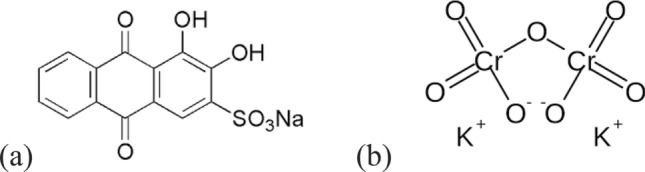
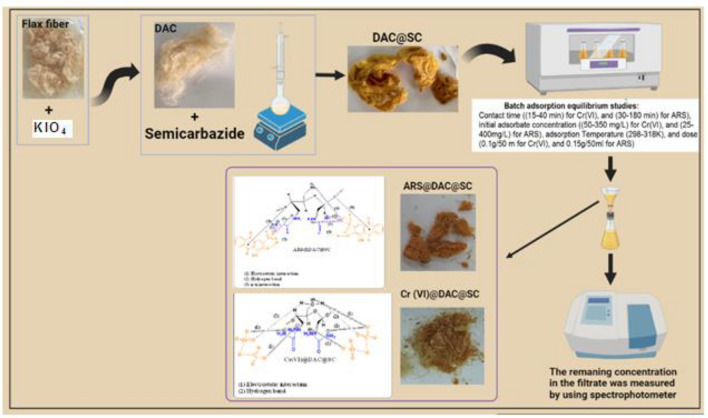
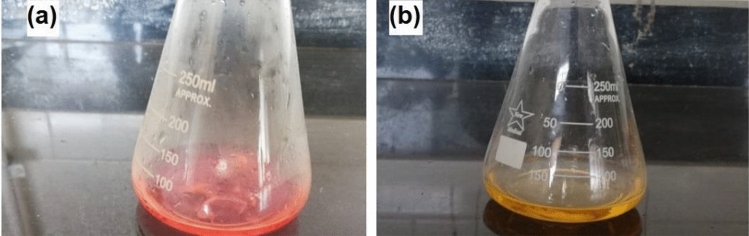
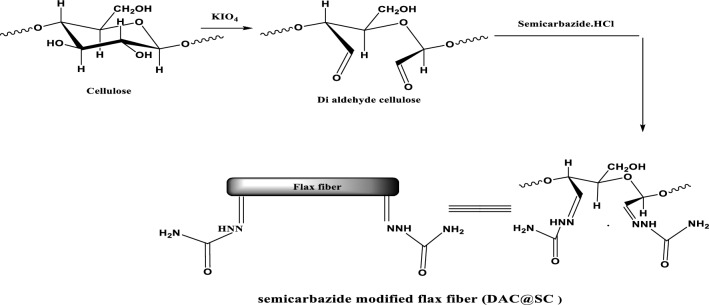
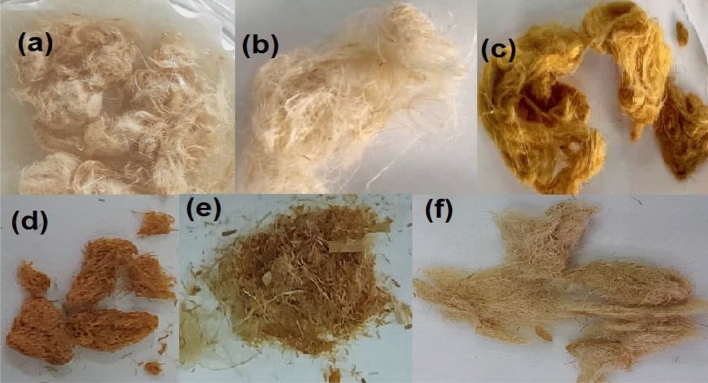
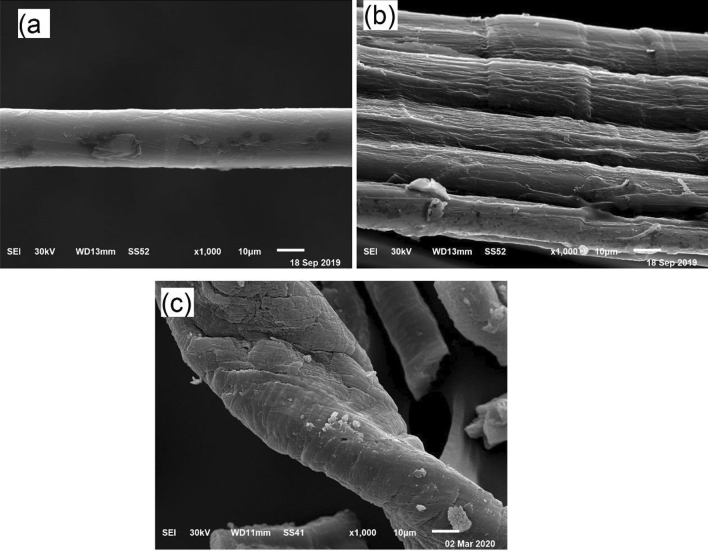
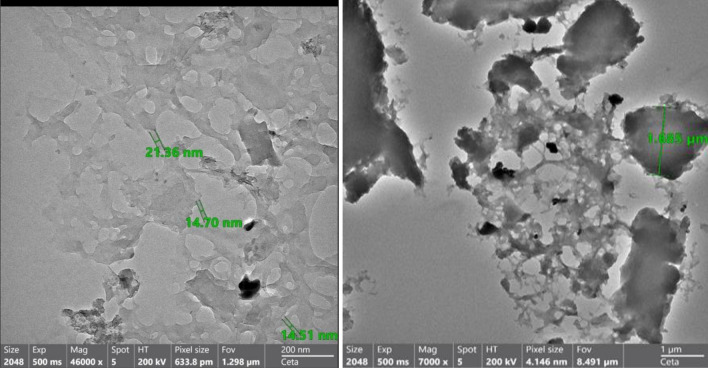
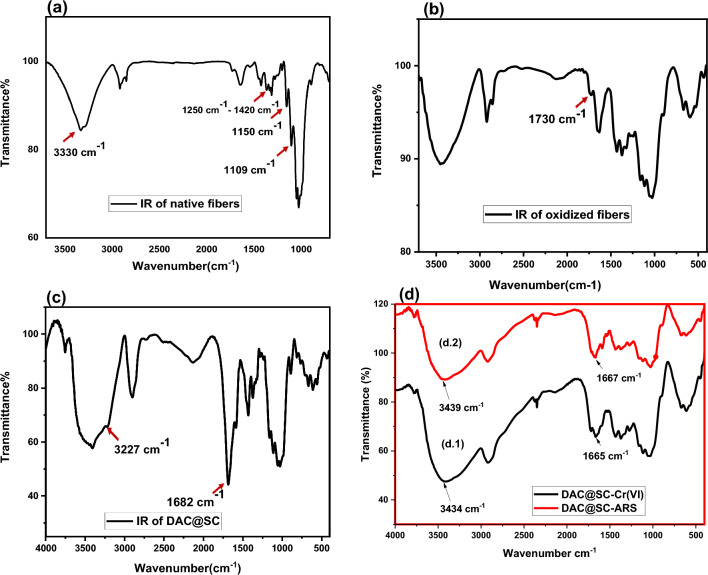
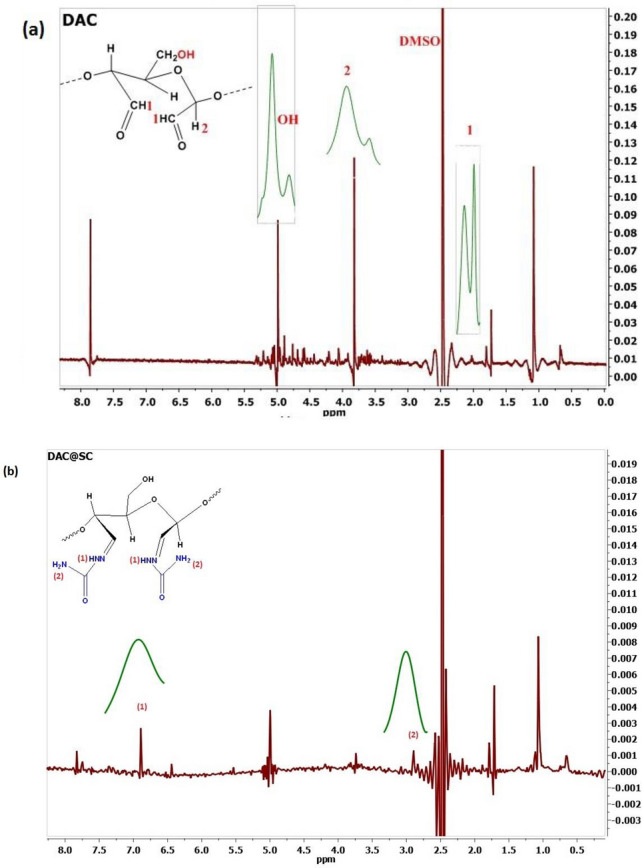
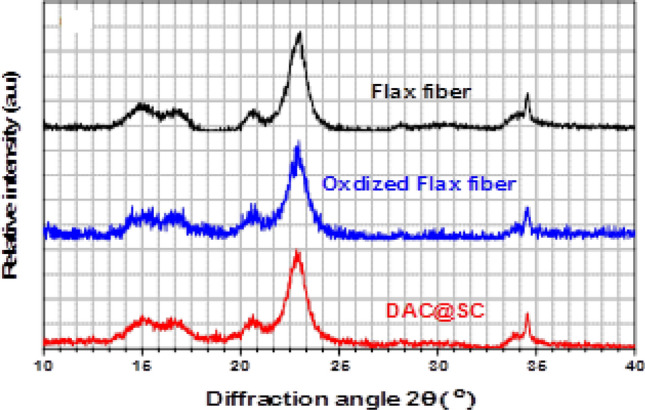
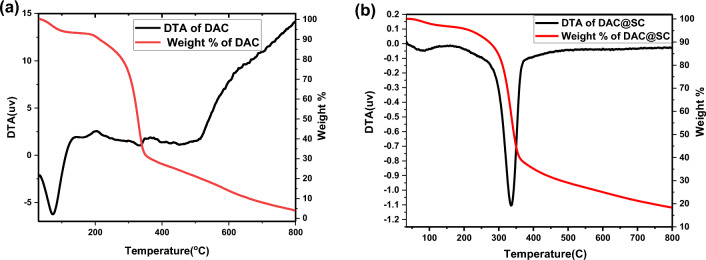
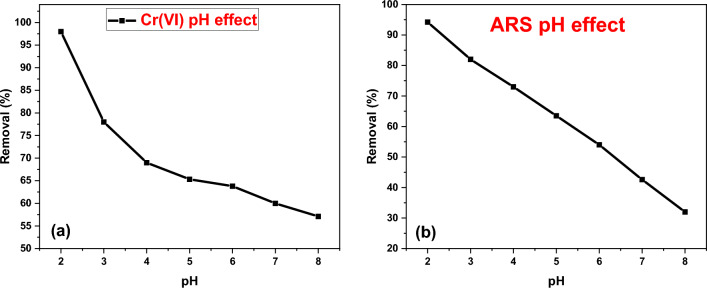
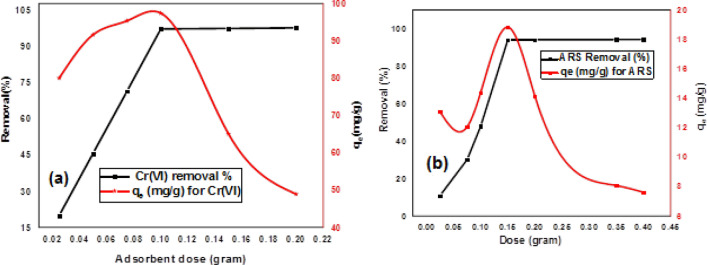
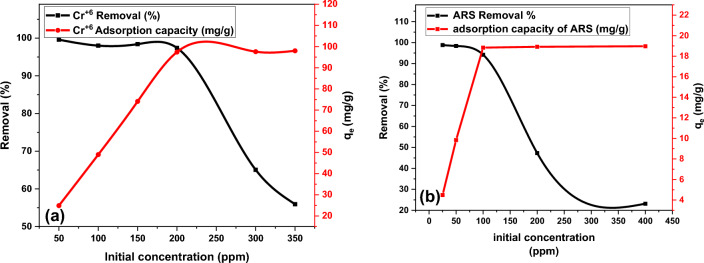
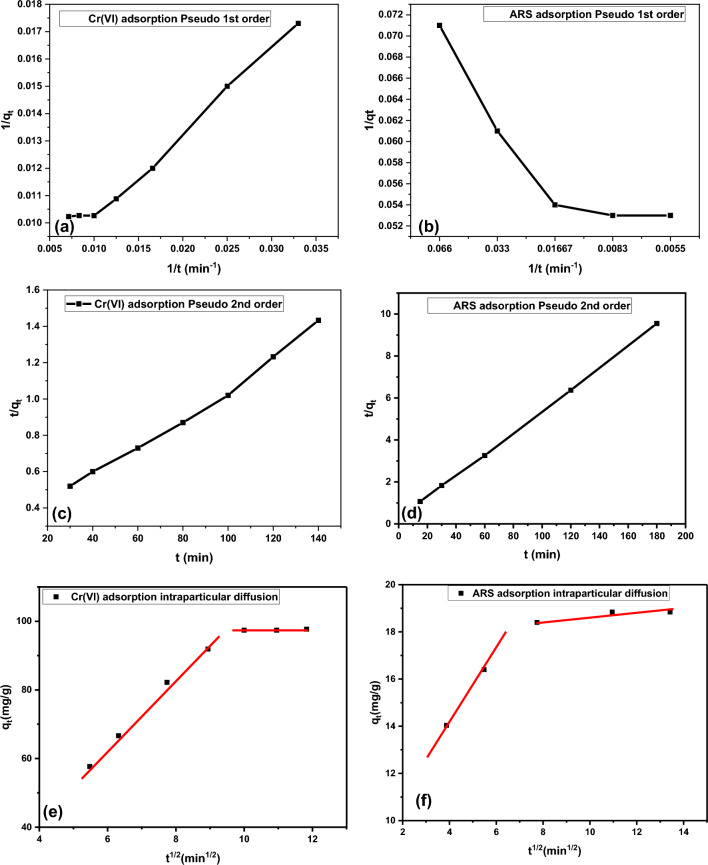
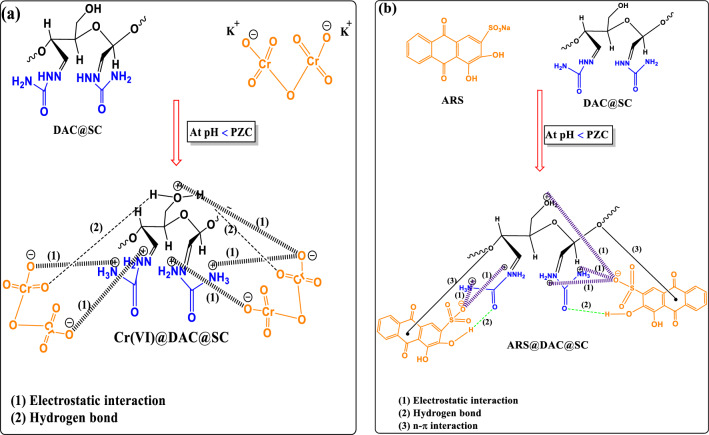
In the present study, flax fiber based semicarbazide biosorbent was prepared in two successive steps. In the first step, flax fibers were oxidized using potassium periodate (KIO) to yield diadehyde cellulose (DAC). Dialdehyde cellulose was, then, refluxed with semicarbazide.HCl to produce the semicarbazide functionalized dialdehyde cellulose (DAC@SC). The prepared DAC@SC biosorbent was characterized using Brunauer, Emmett and Teller (BET) and N adsorption isotherm, point of zero charge (pH), elemental analysis (C:H:N), scanning electron microscopy (SEM), Fourier transform infrared spectroscopy (FTIR) and X-ray diffraction (XRD) analyses. The DAC@SC biosorbent was applied for the removal of the hexavalent chromium (Cr(VI)) ions and the alizarin red S (ARS) anionic dye (individually and in mixture). Experimental variables such as temperature, pH, and concentrations were optimized in detail. The monolayer adsorption capacities from the Langmuir isotherm model were 97.4 mg/g and 18.84 for Cr(VI) and ARS, respectively. The adsorption kinetics of DAC@SC indicated that the adsorption process fit PSO kinetic model. The obtained negative values of ΔG and ΔH indicated that the adsorption of Cr(VI) and ARS onto DAC@SC is a spontaneous and exothermic process. The DAC@SC biocomposite was successfully applied for the removal of Cr(VI) and ARS from synthetic effluents and real wastewater samples with a recovery (R, %) more than 90%. The prepared DAC@SC was regenerated using 0.1 M KCO eluent. The plausible adsorption mechanism of Cr(VI) and ARS onto the surface of DAC@SC biocomposite was elucidated.
在本研究中,通过两步法制备了基于亚麻纤维的缩二脲生物吸附剂。在第一步中,使用高碘酸钾(KIO)氧化亚麻纤维,得到二醛纤维素(DAC)。然后,将二醛纤维素与盐酸缩二脲回流反应,制备出缩二脲功能化的二醛纤维素(DAC@SC)。通过比表面积和孔径分析(BET)和 N 吸附等温线、零电荷点(pH)、元素分析(C:H:N)、扫描电子显微镜(SEM)、傅里叶变换红外光谱(FTIR)和 X 射线衍射(XRD)分析对制备的 DAC@SC 生物吸附剂进行了表征。将 DAC@SC 生物吸附剂用于单独和混合去除六价铬(Cr(VI))离子和茜素红 S(ARS)阴离子染料。详细优化了温度、pH 和浓度等实验变量。Langmuir 等温线模型的单层吸附容量分别为 97.4 mg/g 和 18.84 mg/g。DAC@SC 的吸附动力学表明,吸附过程符合 PSO 动力学模型。获得的ΔG 和ΔH 的负值表明,Cr(VI)和 ARS 吸附到 DAC@SC 上是自发和放热的过程。该 DAC@SC 生物复合材料成功应用于从合成废水中去除 Cr(VI)和 ARS,以及从实际废水样品中去除 Cr(VI)和 ARS,回收率(R,%)均超过 90%。用 0.1 M KCO 洗脱液对制备的 DAC@SC 进行再生。阐述了 Cr(VI)和 ARS 吸附到 DAC@SC 生物复合材料表面的可能吸附机制。