The Department of Cell, Developmental and Integrative Biology, Heersink School of Medicine, The University of Alabama at Birmingham, Birmingham, AL, USA.
Department of Biomedical Sciences, Mercer University, Macon, GA, USA.
Mol Med. 2023 May 22;29(1):67. doi: 10.1186/s10020-023-00664-z.
Autosomal dominant polycystic kidney disease (ADPKD) is one of the most prevalent monogenic human diseases. It is mostly caused by pathogenic variants in PKD1 or PKD2 genes that encode interacting transmembrane proteins polycystin-1 (PC1) and polycystin-2 (PC2). Among many pathogenic processes described in ADPKD, those associated with cAMP signaling, inflammation, and metabolic reprogramming appear to regulate the disease manifestations. Tolvaptan, a vasopressin receptor-2 antagonist that regulates cAMP pathway, is the only FDA-approved ADPKD therapeutic. Tolvaptan reduces renal cyst growth and kidney function loss, but it is not tolerated by many patients and is associated with idiosyncratic liver toxicity. Therefore, additional therapeutic options for ADPKD treatment are needed.
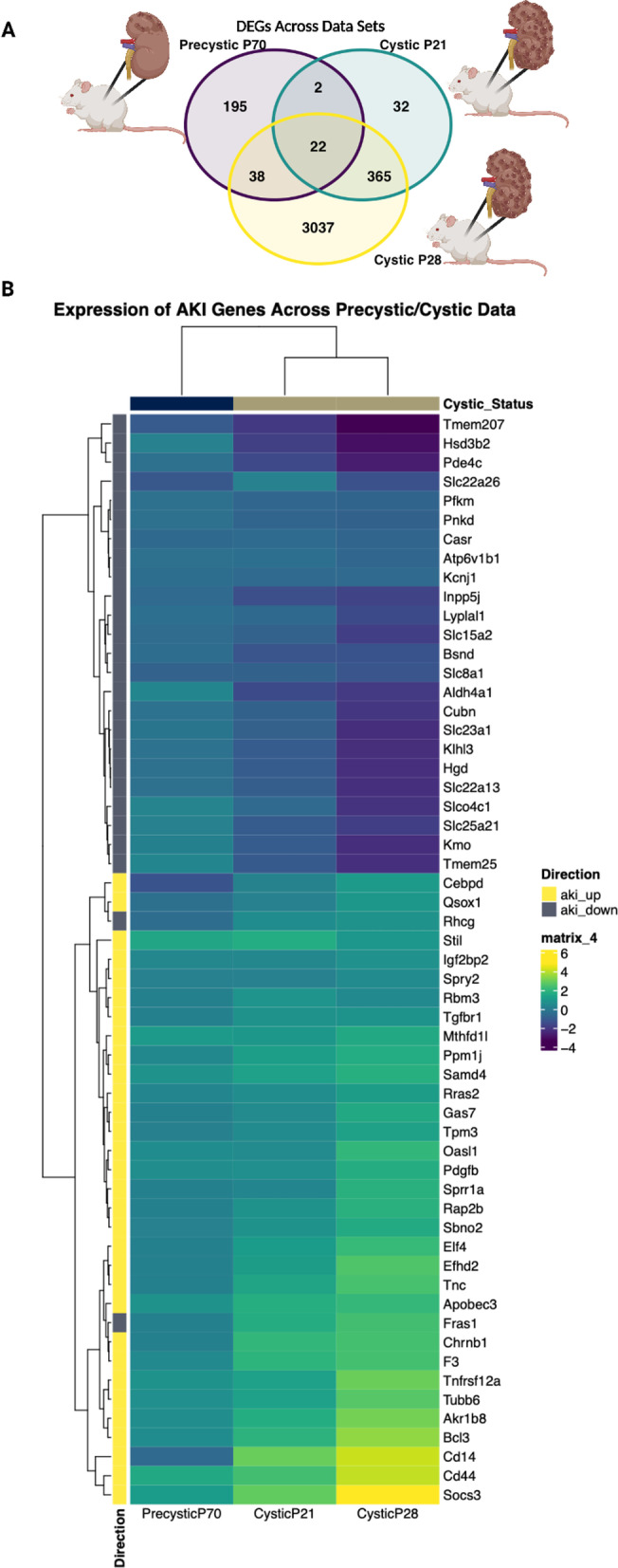
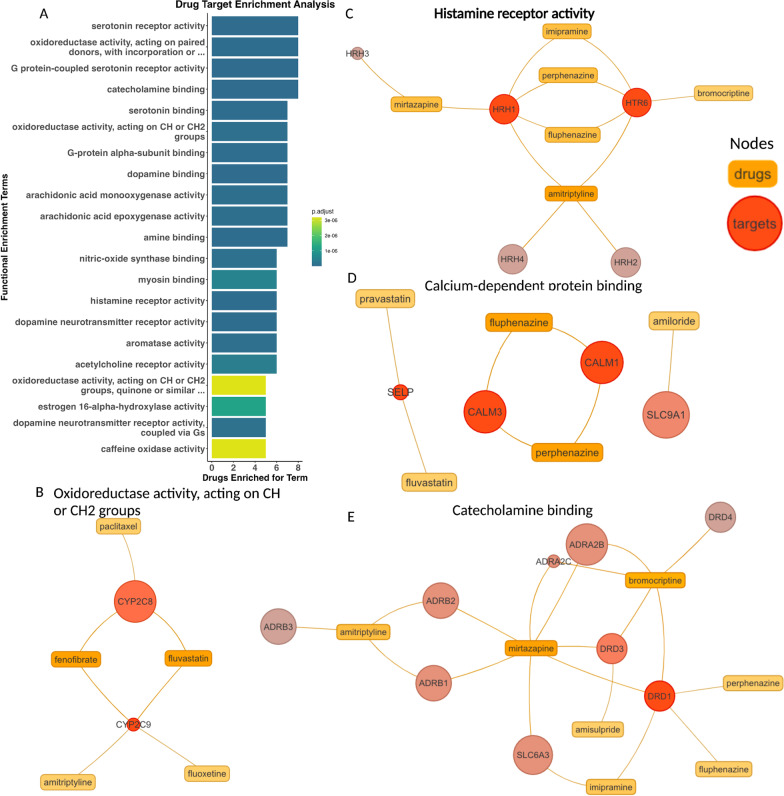
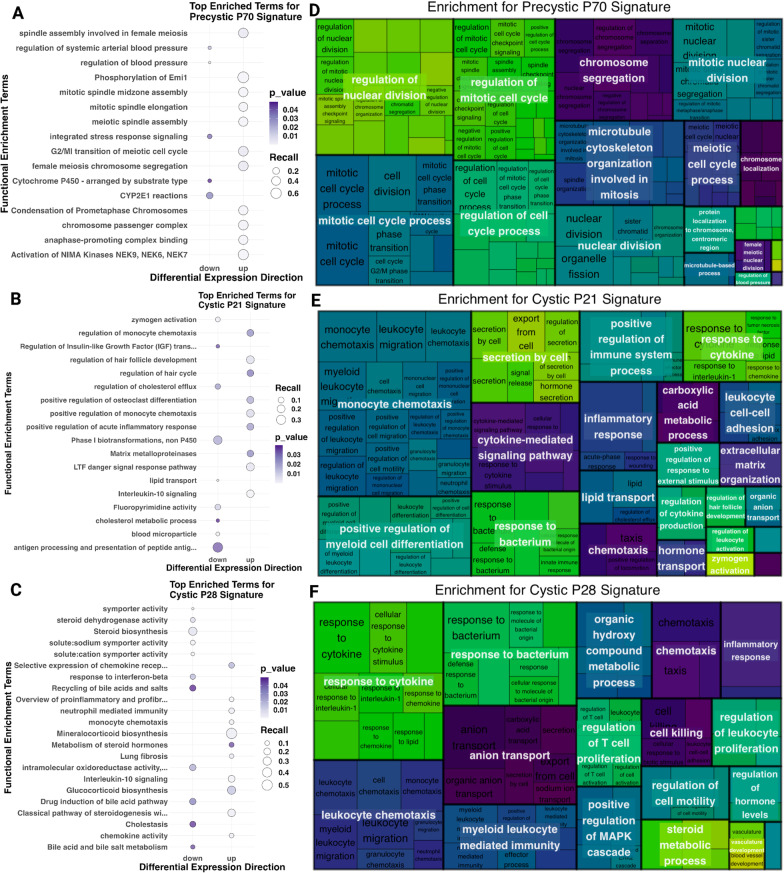
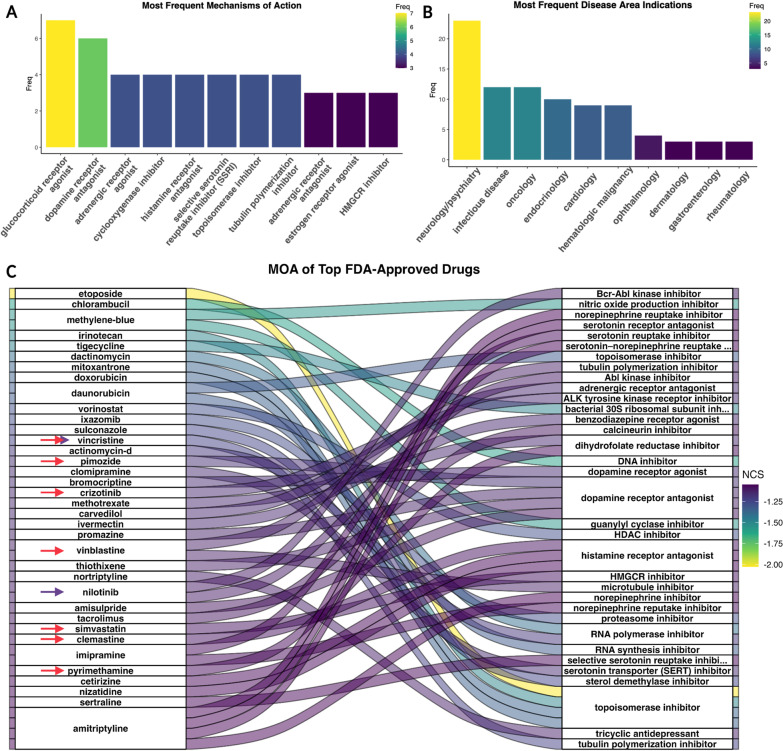
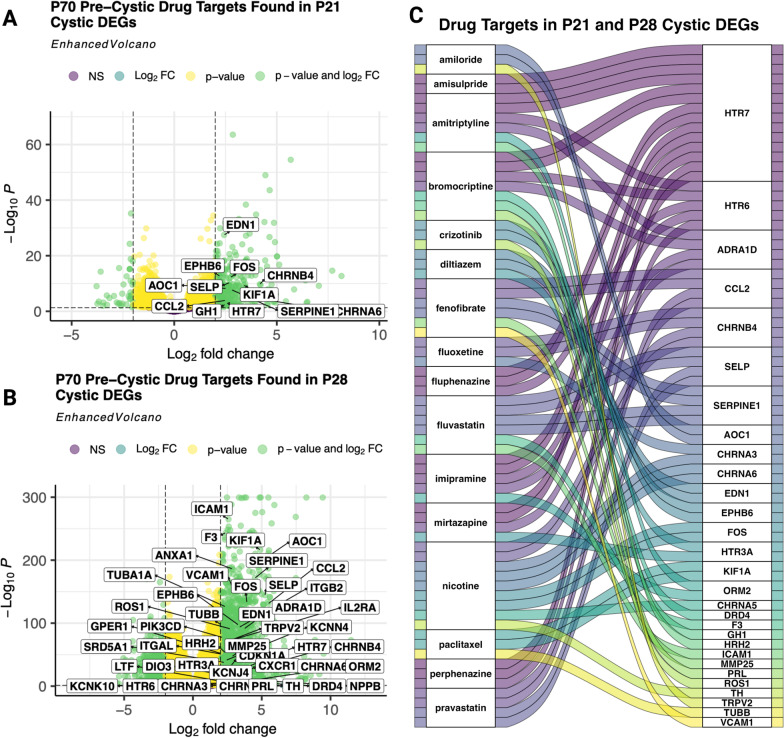
As drug repurposing of FDA-approved drug candidates can significantly decrease the time and cost associated with traditional drug discovery, we used the computational approach signature reversion to detect inversely related drug response gene expression signatures from the Library of Integrated Network-Based Cellular Signatures (LINCS) database and identified compounds predicted to reverse disease-associated transcriptomic signatures in three publicly available Pkd2 kidney transcriptomic data sets of mouse ADPKD models. We focused on a pre-cystic model for signature reversion, as it was less impacted by confounding secondary disease mechanisms in ADPKD, and then compared the resulting candidates' target differential expression in the two cystic mouse models. We further prioritized these drug candidates based on their known mechanism of action, FDA status, targets, and by functional enrichment analysis.
With this in-silico approach, we prioritized 29 unique drug targets differentially expressed in Pkd2 ADPKD cystic models and 16 prioritized drug repurposing candidates that target them, including bromocriptine and mirtazapine, which can be further tested in-vitro and in-vivo.
Collectively, these results indicate drug targets and repurposing candidates that may effectively treat pre-cystic as well as cystic ADPKD.
常染色体显性多囊肾病(ADPKD)是最常见的单基因人类疾病之一。它主要由 PKD1 或 PKD2 基因的致病性变异引起,这些基因编码相互作用的跨膜蛋白多囊蛋白-1(PC1)和多囊蛋白-2(PC2)。在 ADPKD 描述的许多致病过程中,与 cAMP 信号转导、炎症和代谢重编程相关的过程似乎调节了疾病表现。托伐普坦是一种血管加压素受体-2 拮抗剂,可调节 cAMP 通路,是唯一获得 FDA 批准的 ADPKD 治疗药物。托伐普坦可减少肾囊肿生长和肾功能丧失,但许多患者无法耐受,且与特发性肝毒性相关。因此,需要额外的 ADPKD 治疗治疗选择。
由于 FDA 批准的药物候选物的药物再利用可以显著降低与传统药物发现相关的时间和成本,我们使用计算方法特征反转,从 LINCS 数据库中检测到与反向相关的药物反应基因表达特征,并鉴定出预测可逆转三种公开可用的 Pkd2 多囊肾病模型的小鼠 ADPKD 转录组数据集中疾病相关转录组特征的化合物。我们专注于特征反转的预囊肿模型,因为它受 ADPKD 中混杂的二级疾病机制的影响较小,然后比较了两种囊肿小鼠模型中候选药物的靶标差异表达。我们进一步根据其已知的作用机制、FDA 状态、靶点和功能富集分析对这些候选药物进行优先级排序。
通过这种计算方法,我们对 Pkd2 ADPKD 囊性模型中差异表达的 29 个独特药物靶标进行了优先级排序,并确定了 16 个靶向这些靶标的优先药物再利用候选药物,包括溴隐亭和米氮平,它们可以进一步进行体外和体内测试。
综上所述,这些结果表明,药物靶标和再利用候选药物可能有效治疗前囊肿和囊肿性 ADPKD。