Department of Chemistry, Institute of Food Sciences, Warsaw University of Life Sciences-SGGW, 159c Nowoursynowska St., 02-776 Warsaw, Poland.
Biomolecules. 2023 May 18;13(5):859. doi: 10.3390/biom13050859.
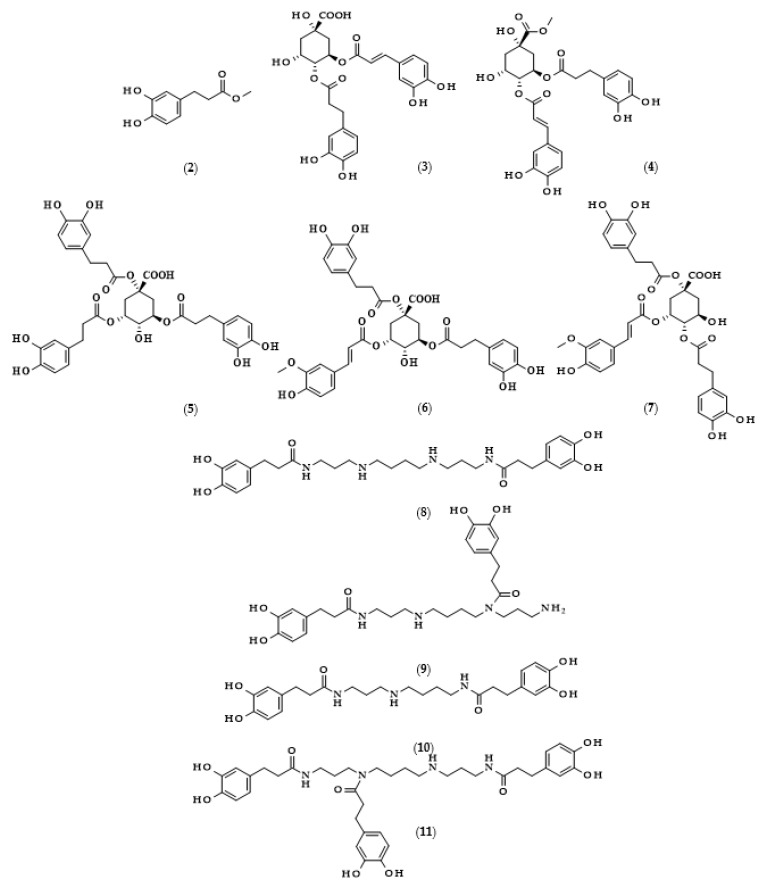
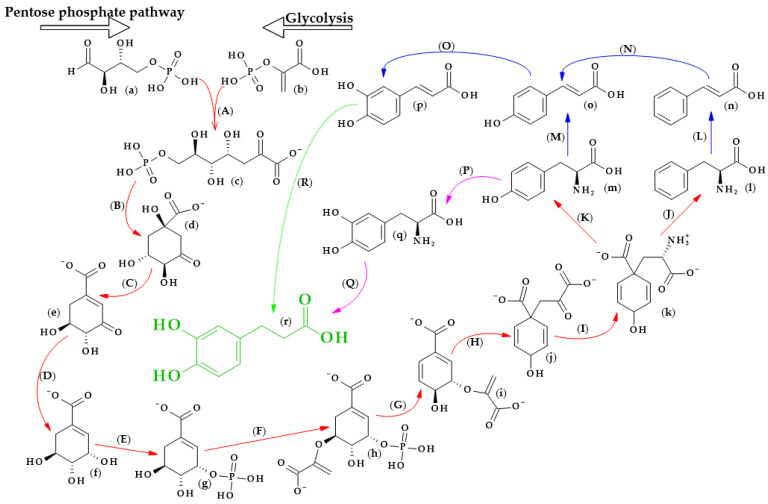
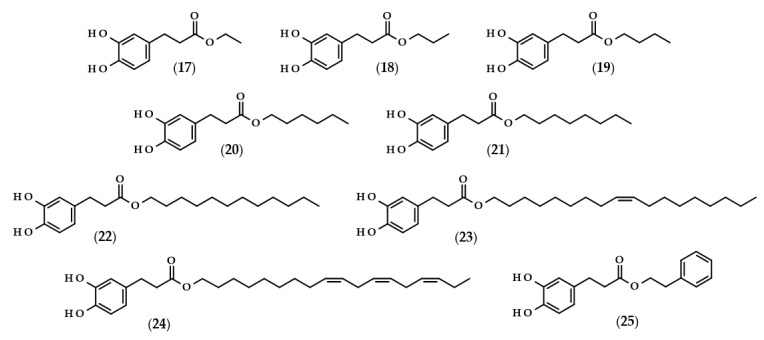
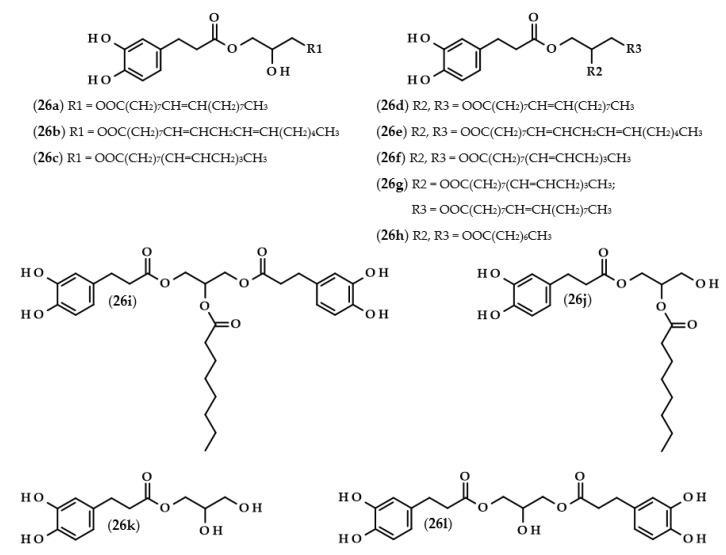
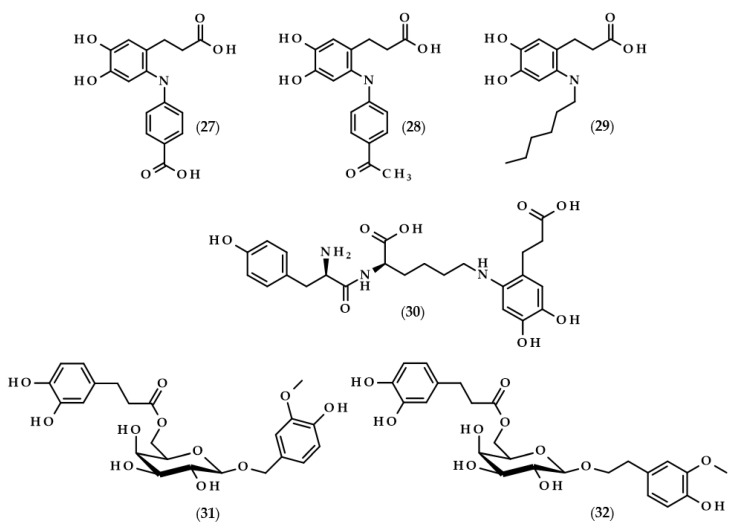
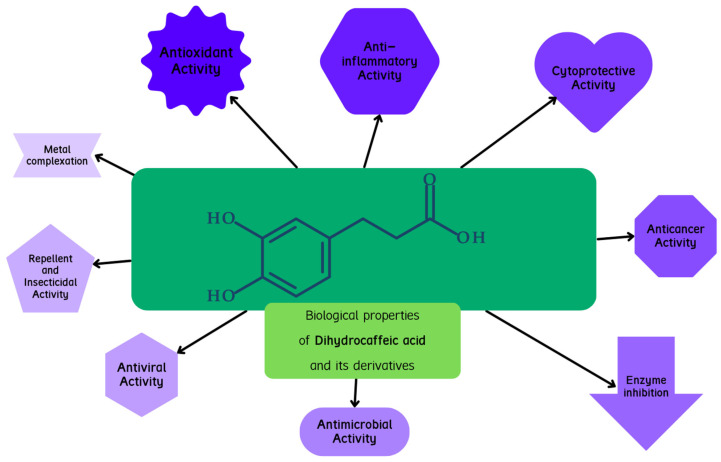
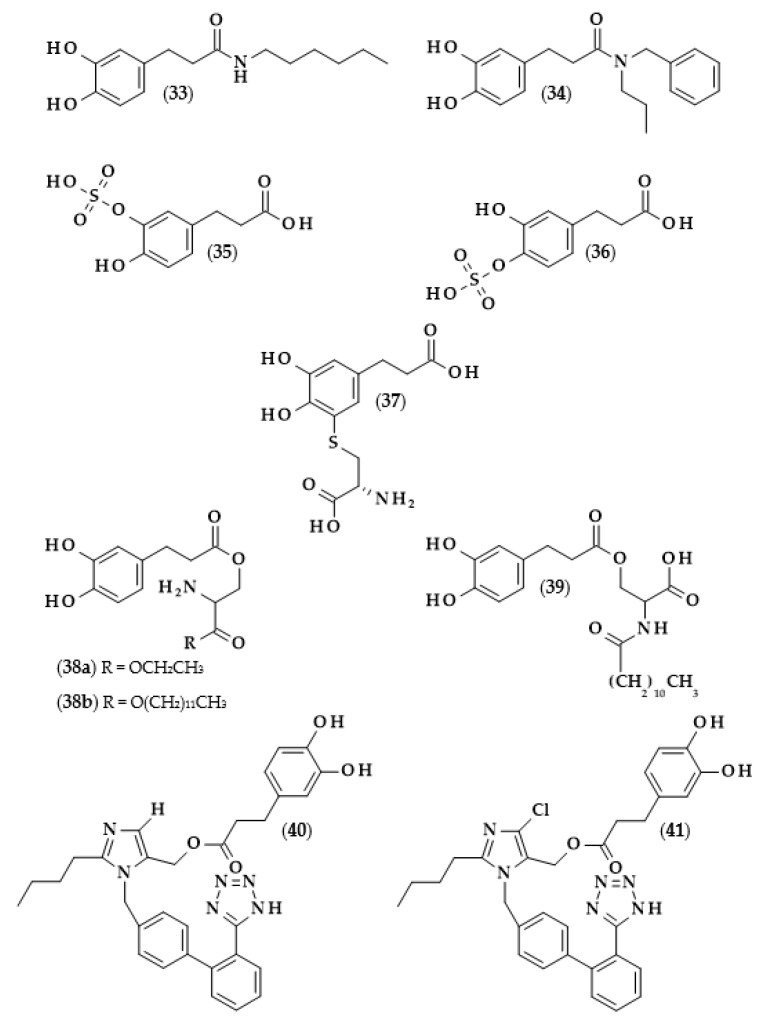
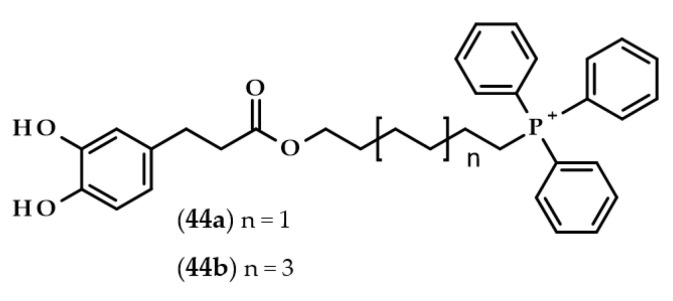
Dihydrocaffeic acid (DHCA) is a phenolic acid bearing a catechol ring and three-carbon side chain. Despite its being found in minor amounts in numerous plants and fungi of different origins, it has attracted the interest of various research groups in many fields of science, from food to biomedical applications. The review article presented herein aims to show a wider audience the health benefits and therapeutic, industrial, and nutritional potential of dihydrocaffeic acid, by sheddinglight on its occurrence, biosynthesis, bioavailability, and metabolism. The scientific literature describes at least 70 different derivatives of dihydrocaffeic acid, both those occurring naturally and those obtained via chemical and enzymatic methods. Among the most frequently used enzymes that were applied for the modification of the parent DHCA structure, there are lipases that allow for obtaining esters and phenolidips, tyrosinases used for the formation of the catechol ring, and laccases to functionalize this phenolic acid. In many studies, both in vitro and in vivo, the protective effect of DHCA and its derivatives on cells subjected to oxidative stress and inflammation were acknowledged.
二咖啡酸(DHCA)是一种含有邻苯二酚环和三碳侧链的酚酸。尽管它在许多不同来源的植物和真菌中含量较少,但它已经引起了来自食品到生物医学应用等多个科学领域的众多研究小组的兴趣。本文综述的目的是通过阐明二咖啡酸的存在、生物合成、生物利用度和代谢,向更广泛的受众展示其健康益处和治疗、工业和营养潜力。科学文献描述了至少 70 种不同的二咖啡酸衍生物,包括天然存在的和通过化学和酶法获得的衍生物。在用于修饰母体 DHCA 结构的最常用的酶中,有能够获得酯和酚酸酯的脂肪酶、用于形成邻苯二酚环的酪氨酸酶以及用于官能化这种酚酸的漆酶。在许多体外和体内研究中,都承认 DHCA 及其衍生物对氧化应激和炎症细胞的保护作用。