Fundación Instituto Leloir-CONICET, Buenos Aires C1405, Argentina.
Instituto de Investigaciones Biomédicas en Retrovirus y SIDA, Universidad de Buenos Aires-National Scientific and Technical Research Council, Buenos Aires C1121, Argentina.
Proc Natl Acad Sci U S A. 2023 Jun 6;120(23):e2220005120. doi: 10.1073/pnas.2220005120. Epub 2023 May 30.
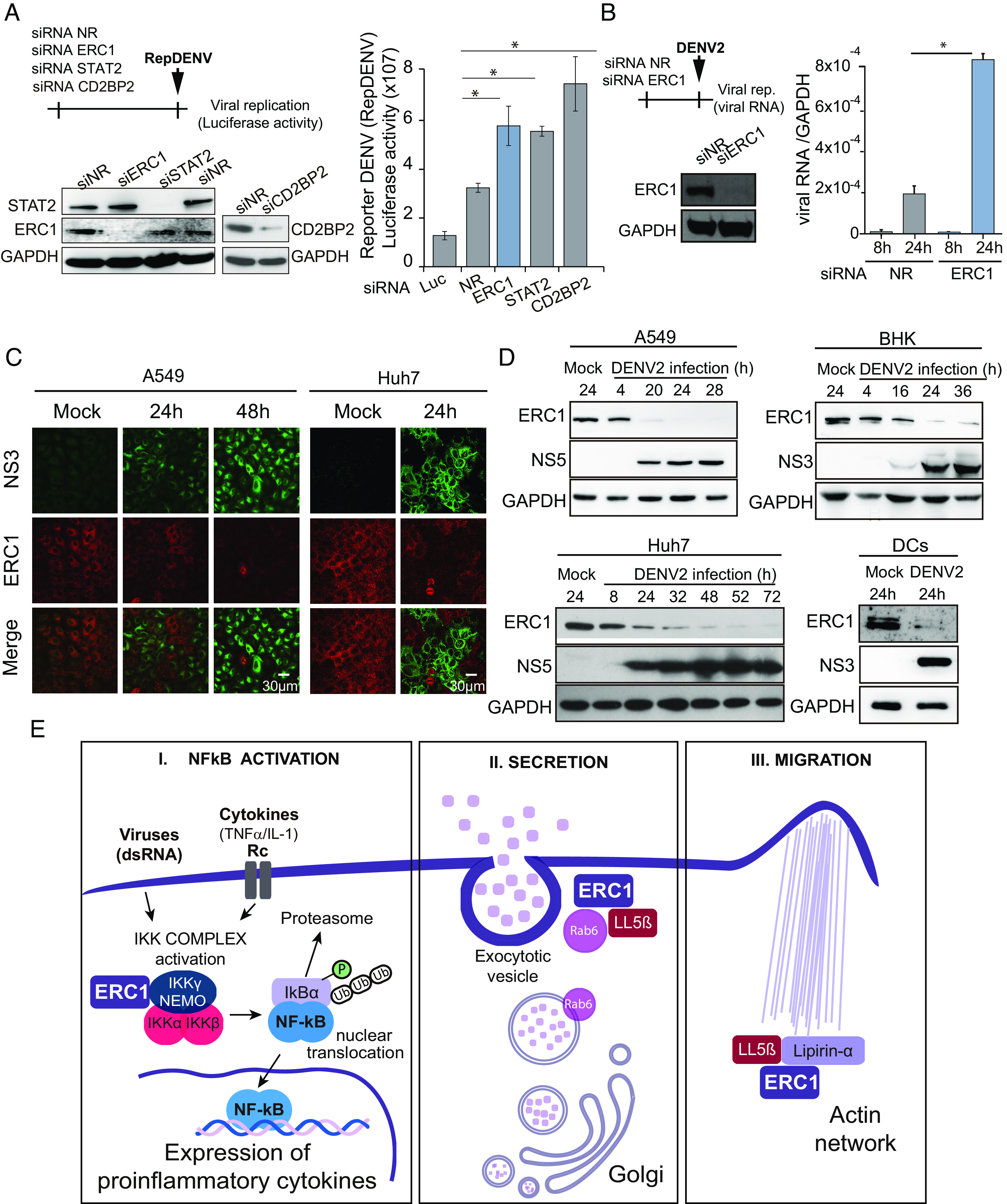
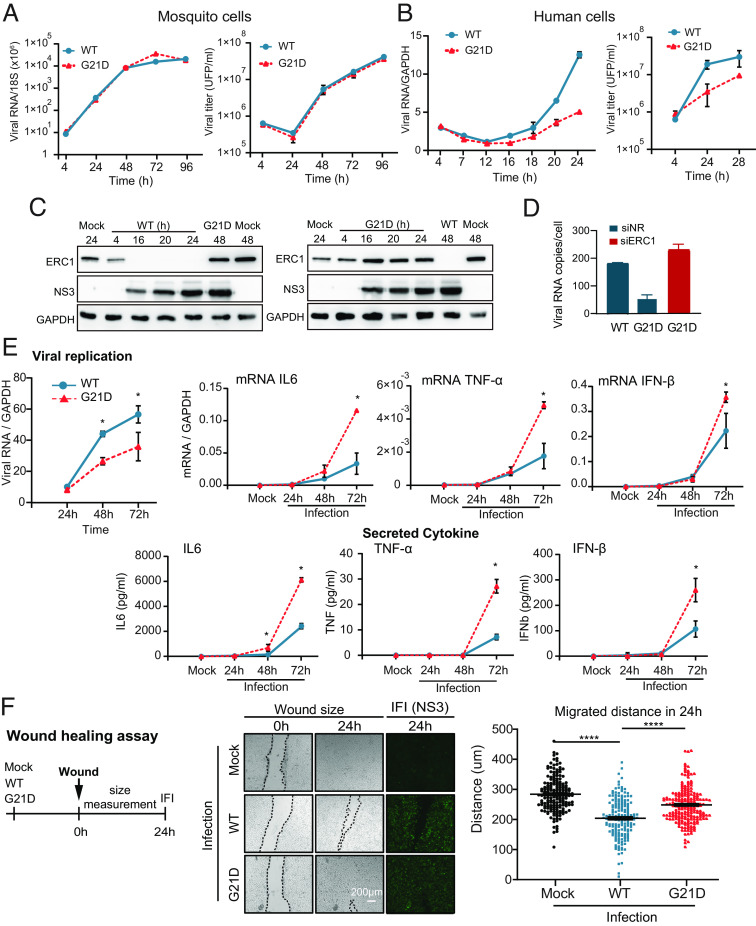
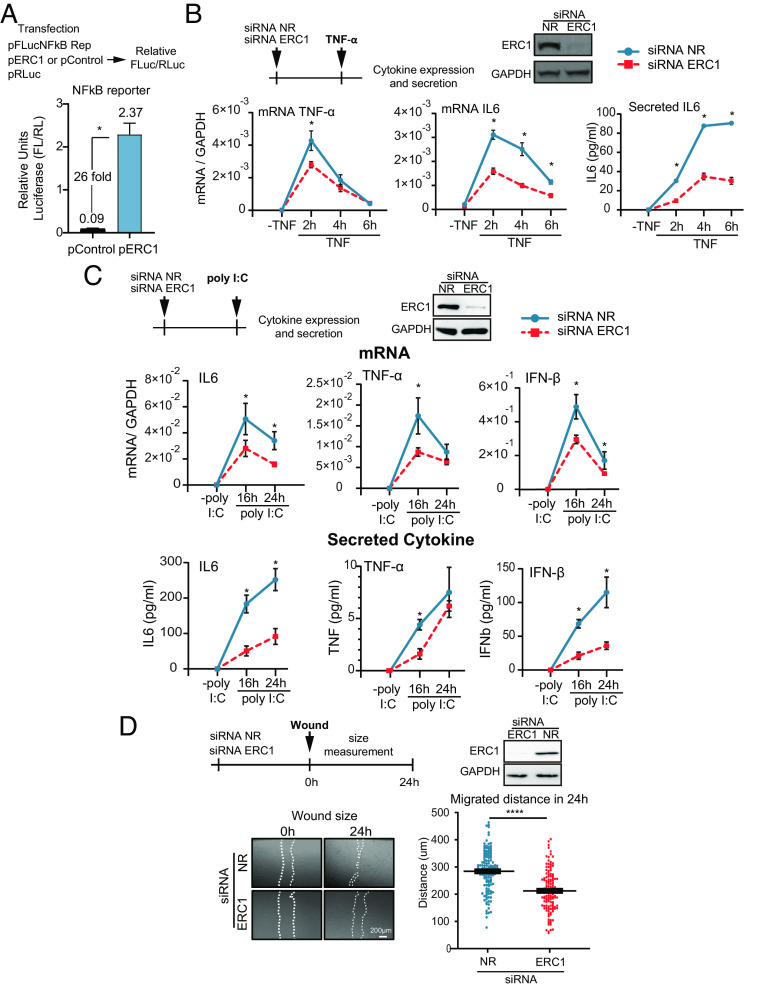
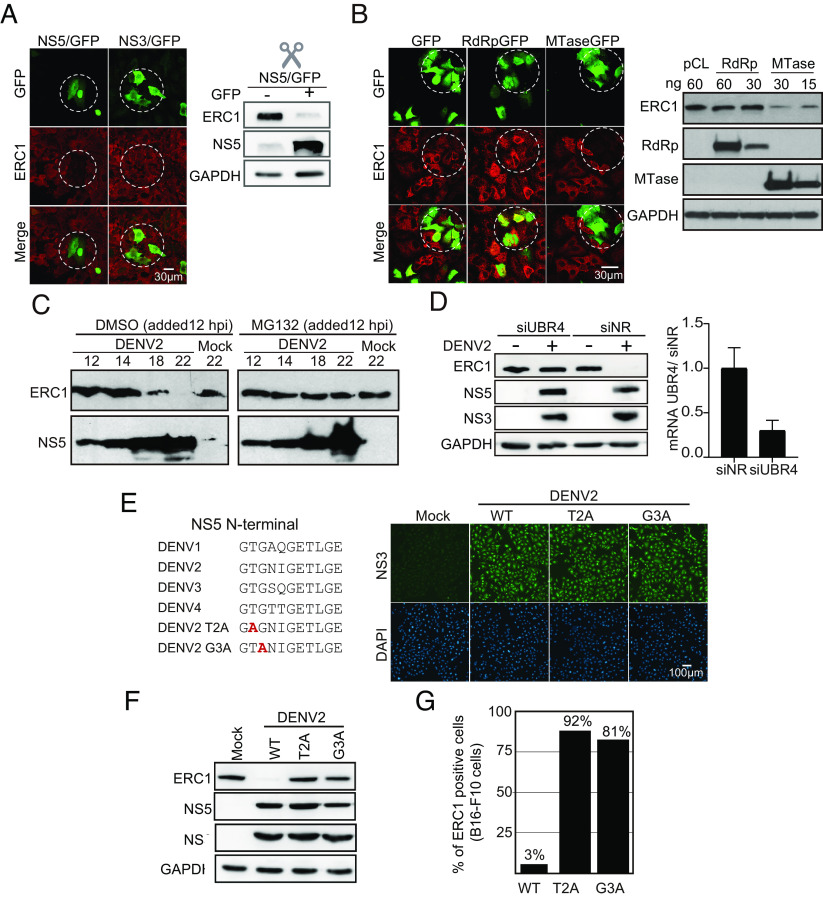
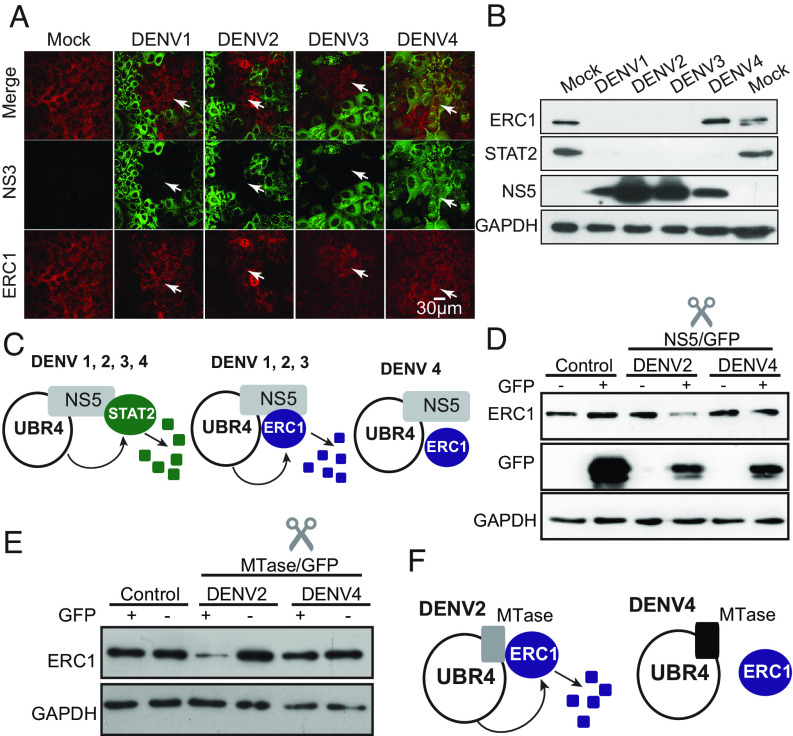
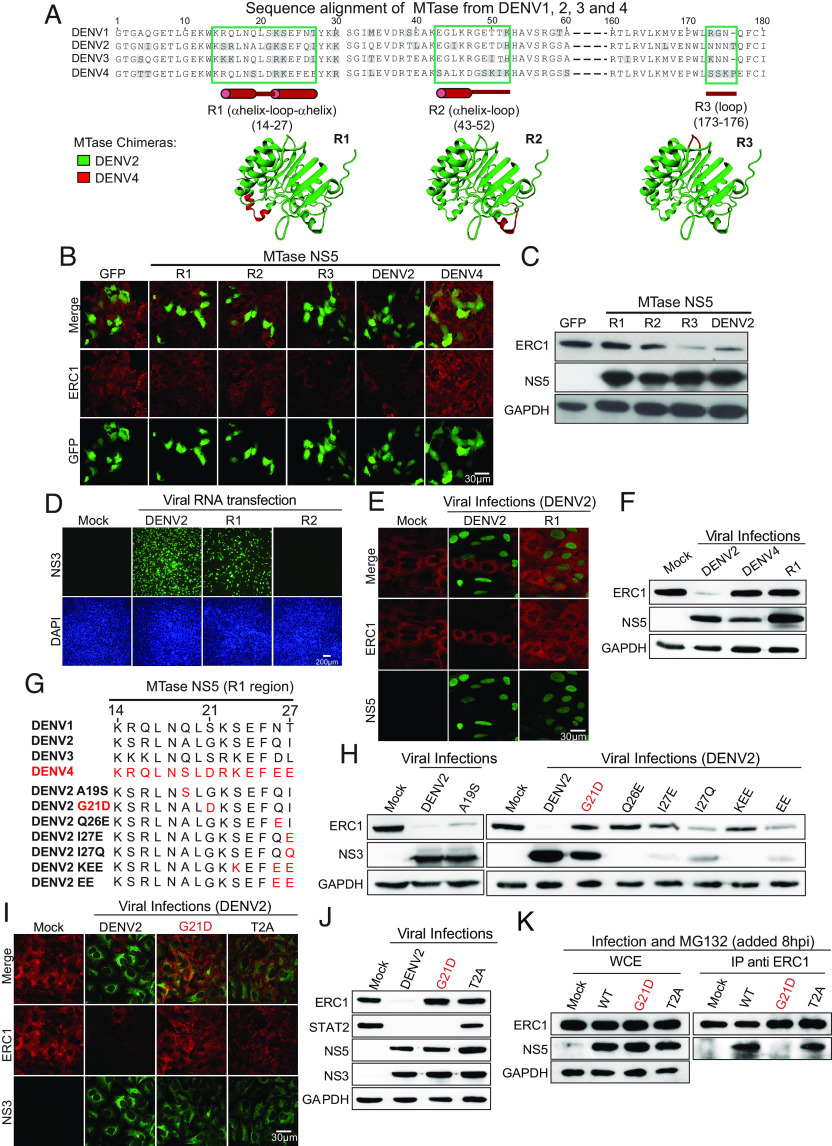
Dengue virus (DENV) is the most important human virus transmitted by mosquitos. Dengue pathogenesis is characterized by a large induction of proinflammatory cytokines. This cytokine induction varies among the four DENV serotypes (DENV1 to 4) and poses a challenge for live DENV vaccine design. Here, we identify a viral mechanism to limit NF-κB activation and cytokine secretion by the DENV protein NS5. Using proteomics, we found that NS5 binds and degrades the host protein ERC1 to antagonize NF-κB activation, limit proinflammatory cytokine secretion, and reduce cell migration. We found that ERC1 degradation involves unique properties of the methyltransferase domain of NS5 that are not conserved among the four DENV serotypes. By obtaining chimeric DENV2 and DENV4 viruses, we map the residues in NS5 for ERC1 degradation, and generate recombinant DENVs exchanging serotype properties by single amino acid substitutions. This work uncovers a function of the viral protein NS5 to limit cytokine production, critical to dengue pathogenesis. Importantly, the information provided about the serotype-specific mechanism for counteracting the antiviral response can be applied to improve live attenuated vaccines.
登革热病毒(DENV)是由蚊子传播的最重要的人类病毒。登革热的发病机制以大量诱导促炎细胞因子为特征。这种细胞因子的诱导在四种登革热血清型(DENV1 至 4)之间存在差异,这给活 DENV 疫苗的设计带来了挑战。在这里,我们确定了一种病毒机制,即通过 DENV 蛋白 NS5 来限制 NF-κB 的激活和细胞因子的分泌。通过蛋白质组学,我们发现 NS5 结合并降解宿主蛋白 ERC1,从而拮抗 NF-κB 的激活、限制促炎细胞因子的分泌并减少细胞迁移。我们发现 ERC1 的降解涉及 NS5 的甲基转移酶结构域的独特特性,这些特性在四种登革热血清型中并不保守。通过获得嵌合的 DENV2 和 DENV4 病毒,我们确定了 NS5 中用于 ERC1 降解的残基,并通过单个氨基酸取代生成了交换血清型特性的重组 DENVs。这项工作揭示了病毒蛋白 NS5 限制细胞因子产生的功能,这对登革热的发病机制至关重要。重要的是,关于对抗抗病毒反应的血清型特异性机制的信息可用于改进活减毒疫苗。