Wei Qian, Qu Chao, Jiang Jun, Zhang Guanghong
School of Clinical Medicine, Southwest Medical University, LuZhou, China.
Department of Ophthalmology, Sichuan Provincial People's Hospital, University of Electronic Science and Technology of China, Chengdu, China.
Heliyon. 2023 May 20;9(6):e16532. doi: 10.1016/j.heliyon.2023.e16532. eCollection 2023 Jun.
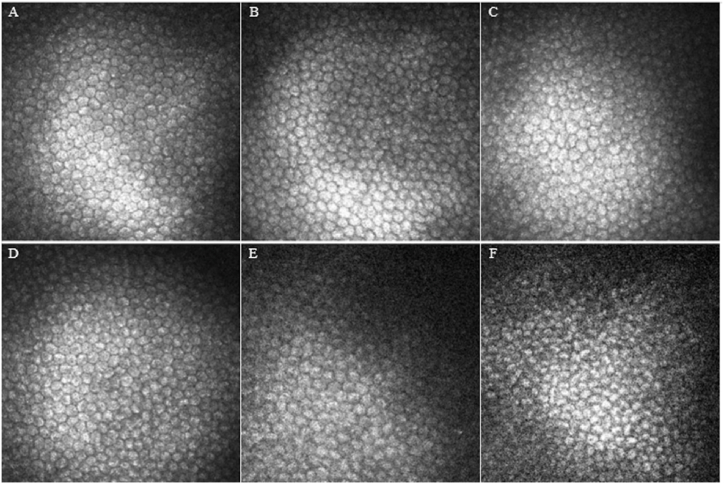
Corneal disease threatens vision globally. Among corneal diseases, calcific band keratopathy has severe effects on vision owing to its unique location. Currently, ethylene diamine tetraacetic acid (EDTA) chelation remains the most important treatment. However, only the safety of low-dose topical EDTA eye drops is well established in humans. Therefore, the purpose of this study was to determine the safe dose range of EDTA for calcific band keratopathy surgery and its toxic effects on rabbit eyes. Rabbits were administered different doses of EDTA solutions (0.50, 0.20, 0.10, 0.05, and 0.01 M) for twenty minutes. In day seven, the rabbits were euthanized and pathological examination was performed for cornea. We found severe corneal edema in 0.50 M group, while milder edema in lower-concentration treated groups. Followed by corneal thickness measurement, the measured values increase to the peak in post-operative three day (0.20 M group) or one day (lower-concentration groups), then decreased. Groups comparison shown significant difference between BSS control group and higher concentration groups (0.20 M and 0.10 M) (P < 0.001) in observation period, but no significance was observed between low concentration and control group in the day seven after surgery (P > 0.05). Confocal microscopy examination suggested, the number of corneal endothelial cells significantly decreased from 3428.6 ± 180.3 cells/mm to 2808 ± 80.6 cells/mm in the 0.50 M group, while the lower-concentration groups showed lesser toxic effects on corneal endothelial cells. Finally, our histological examination demonstrated inflammation in each experimental group and dose-dependent, compared with control group. Our study found 0.05 M and 0.01 M EDTA solutions had no obvious toxic effect on the corneal endothelium compared with higher concentration. However, further study of EDTA side effect by clinical trials, and therapeutic effect observation with different concentration are necessary.
角膜疾病在全球范围内威胁着视力。在角膜疾病中,钙化带状角膜病变因其独特的位置对视力有严重影响。目前,乙二胺四乙酸(EDTA)螯合仍然是最重要的治疗方法。然而,只有低剂量局部EDTA滴眼液在人体中的安全性得到了充分证实。因此,本研究的目的是确定用于钙化带状角膜病变手术的EDTA安全剂量范围及其对兔眼的毒性作用。给兔子滴注不同剂量的EDTA溶液(0.50、0.20、0.10、0.05和0.01M)20分钟。在第7天,对兔子实施安乐死并对角膜进行病理检查。我们发现0.50M组角膜出现严重水肿,而低浓度处理组水肿较轻。随后进行角膜厚度测量,测量值在术后3天(0.20M组)或1天(低浓度组)达到峰值,然后下降。组间比较显示,在观察期内,平衡盐溶液(BSS)对照组与较高浓度组(0.20M和0.10M)之间存在显著差异(P<0.001),但术后第7天低浓度组与对照组之间无显著差异(P>0.05)。共聚焦显微镜检查表明,0.50M组角膜内皮细胞数量从3428.6±180.3个细胞/mm显著减少至2808±80.6个细胞/mm,而低浓度组对角膜内皮细胞的毒性作用较小。最后,我们的组织学检查表明,与对照组相比,每个实验组均有炎症,且呈剂量依赖性。我们的研究发现,与高浓度相比,0.05M和0.01M的EDTA溶液对角膜内皮没有明显的毒性作用。然而,有必要通过临床试验进一步研究EDTA的副作用,并观察不同浓度的治疗效果。