Huang Liang, Yuan Huan, Shi Shengjie, Song Xiangrong, Zhang Lutong, Zhou Xiaoge, Gao Lei, Pang Weijun, Yang Gongshe, Chu Guiyan
Key Laboratory of Animal Genetics, Breeding and Reproduction of Shaanxi Province, Yangling, 712100, China.
Laboratory of Animal Fat Deposition & Muscle Development, College of Animal Science and Technology, Northwest A&F University, Yangling, 712100, China.
J Anim Sci Biotechnol. 2023 Jun 7;14(1):82. doi: 10.1186/s40104-023-00884-7.
Clock circadian regulator (CLOCK) is a core factor of the mammalian biological clock system in regulating female fertility and ovarian physiology. However, CLOCK's specific function and molecular mechanism in porcine granulosa cells (GCs) remain unclear. In this study, we focused on CLOCK's effects on GC proliferation.
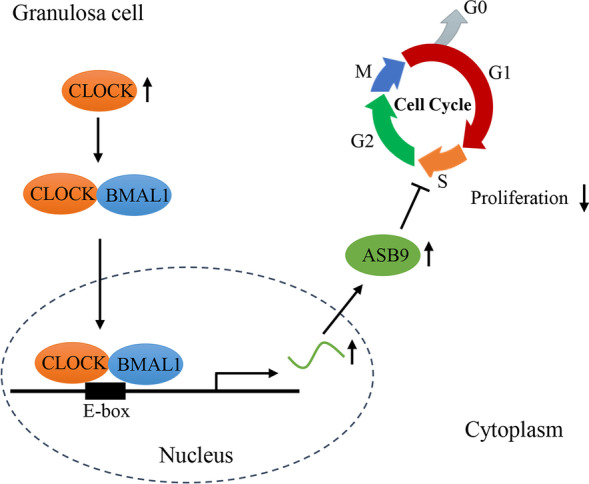
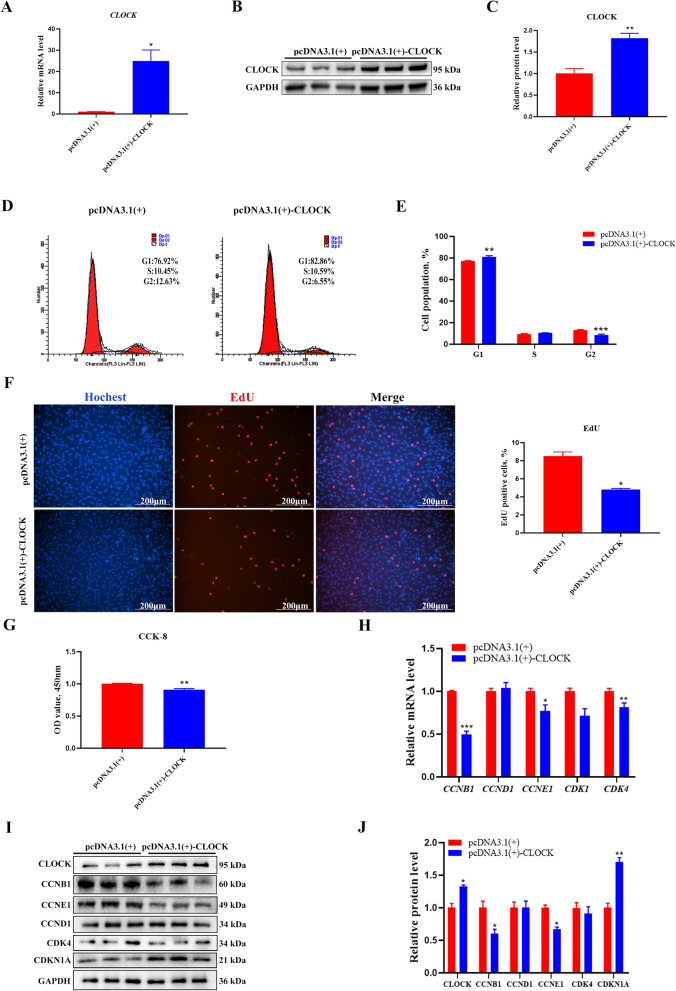
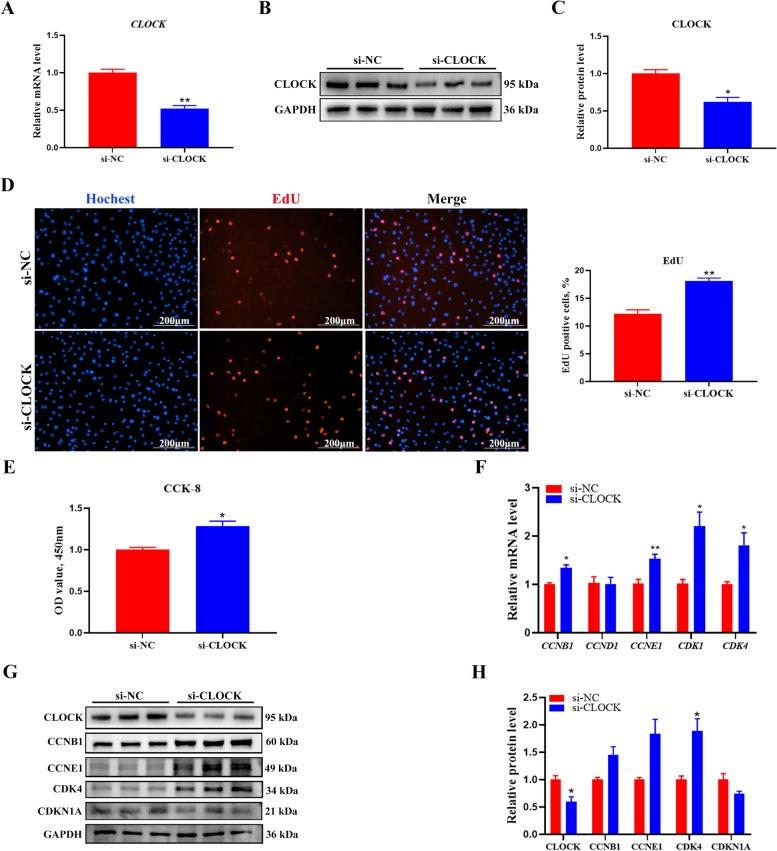
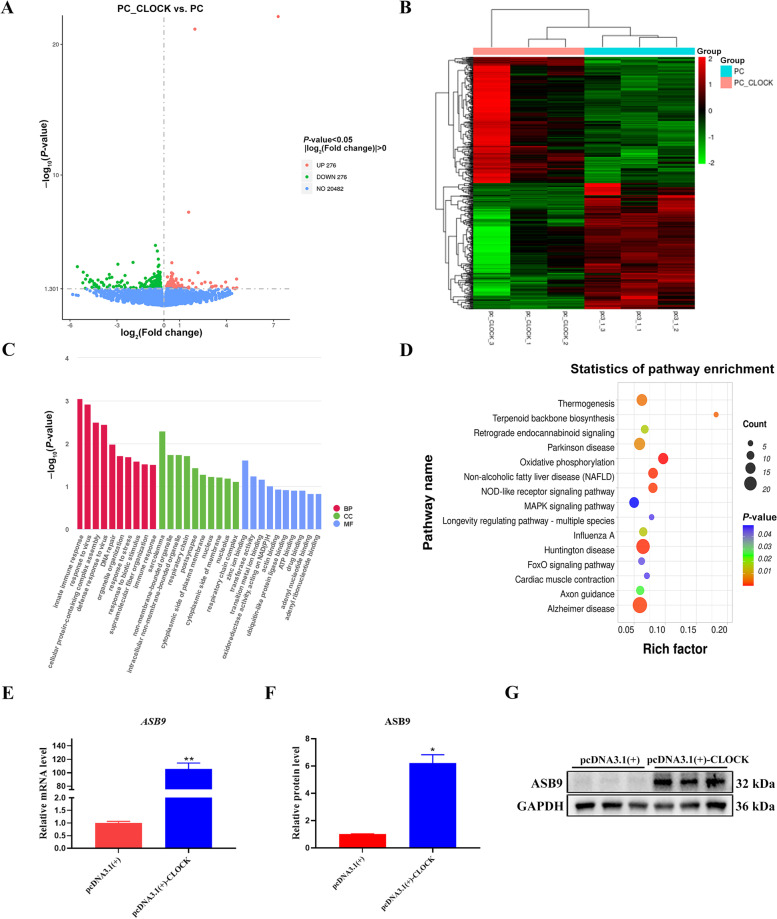
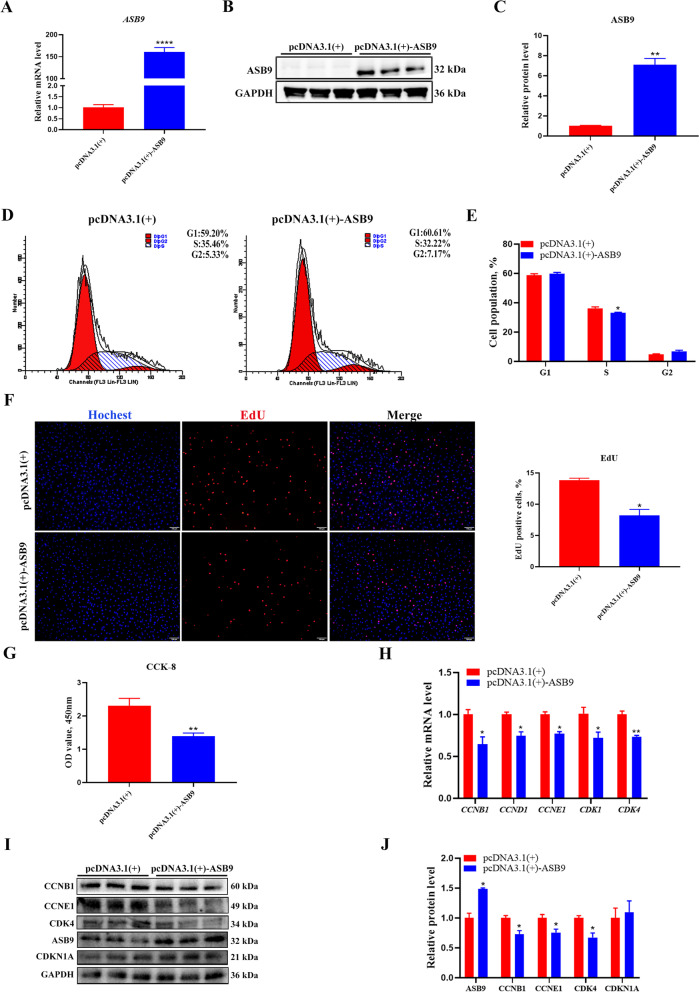
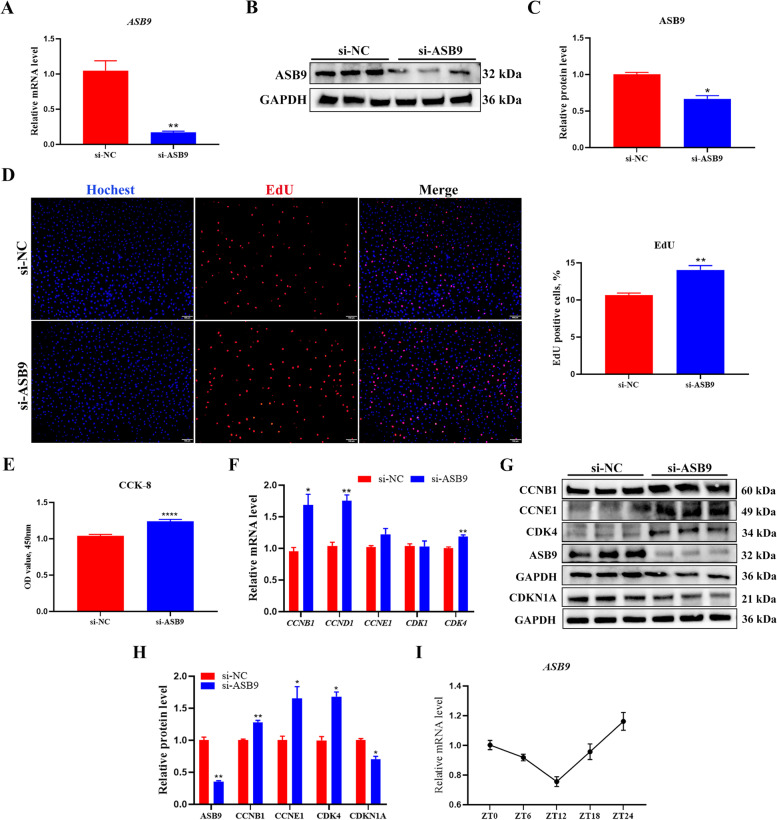
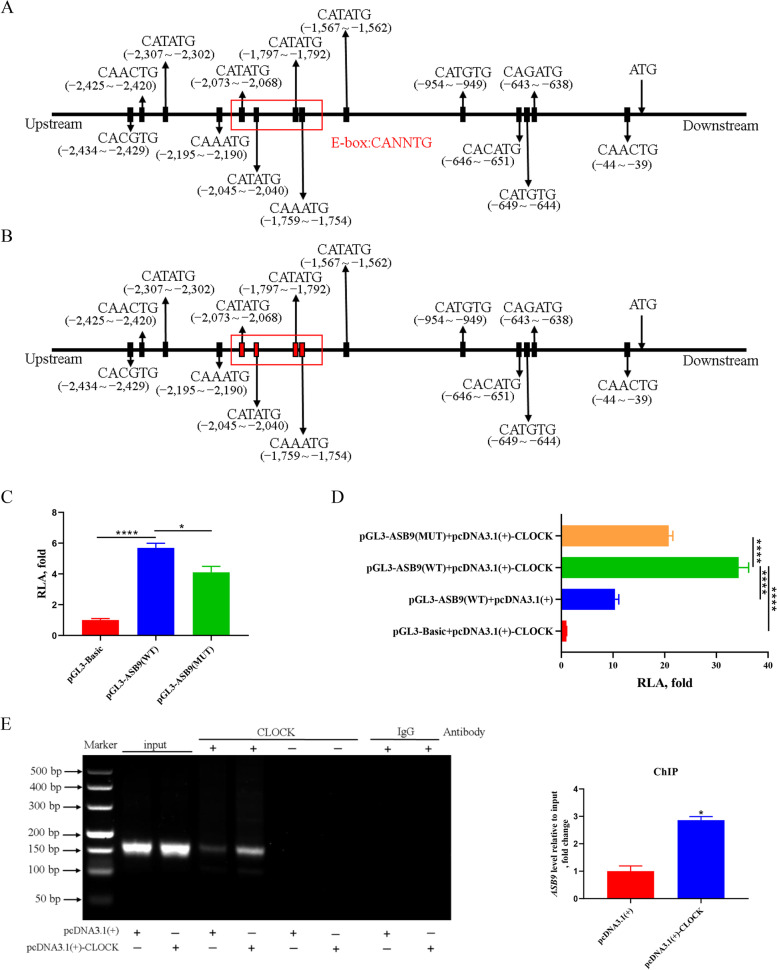
CLOCK significantly inhibited cell proliferation in porcine GCs. CLOCK decreased the expression of cell cycle-related genes, including CCNB1, CCNE1, and CDK4 at the mRNA and protein levels. CDKN1A levels were upregulated by CLOCK. ASB9 is a newly-identified target of CLOCK that inhibits GC proliferation; CLOCK binds to the E-box element in the ASB9 promoter.
These findings suggest that CLOCK inhibits the proliferation of porcine ovarian GCs by increasing ASB9 level.
生物钟昼夜节律调节因子(CLOCK)是哺乳动物生物钟系统中调节雌性生育能力和卵巢生理的核心因子。然而,CLOCK在猪颗粒细胞(GCs)中的具体功能和分子机制仍不清楚。在本研究中,我们聚焦于CLOCK对GC增殖的影响。
CLOCK显著抑制猪GCs的细胞增殖。CLOCK在mRNA和蛋白质水平上降低了细胞周期相关基因的表达,包括CCNB1、CCNE1和CDK4。CLOCK上调了CDKN1A的水平。ASB9是CLOCK新发现的抑制GC增殖的靶点;CLOCK与ASB9启动子中的E-box元件结合。
这些发现表明,CLOCK通过提高ASB9水平来抑制猪卵巢GCs的增殖。