Postgraduate Program in Veterinary Sciences, Veterinary Institute, Federal Rural University of Rio de Janeiro, Seropédica, Brazil.
Microbiology and Enzymology Laboratory, Federal University of Agreste Pernambuco, Garanhuns, PE, 55292-270, Brazil.
Parasit Vectors. 2023 Jun 6;16(1):185. doi: 10.1186/s13071-023-05790-5.
Ticks are obligate bloodsucking parasites responsible for significant economic losses and concerns with human and animal health, mainly due to the transmission of pathogens. Entomopathogenic fungi have been intensively studied as an alternative strategy for tick control that can be used in combination with synthetic acaricides in the integrated management of ticks. Here, we investigated how the gut bacterial community of Rhipicephalus microplus is shaped after Metarhizium anisopliae treatment and how the tick susceptibility to the fungus is affected after disrupting gut bacterial microbiota.
Partially engorged tick females were artificially fed with pure bovine blood or blood plus tetracycline. Two other groups received the same diet and were topically treated with M. anisopliae. The guts were dissected, and the genomic DNA was extracted 3 days after the treatment; the V3-V4 variable region of the bacterial 16S rRNA gene was amplified.
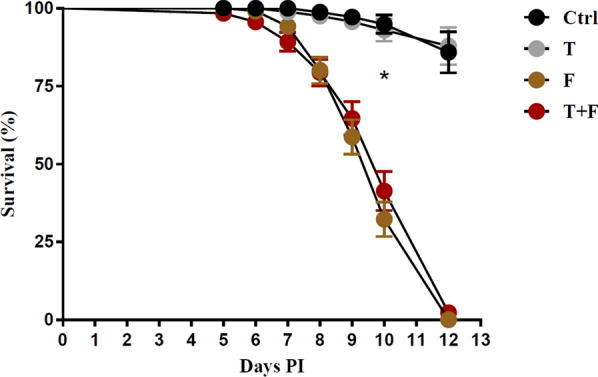
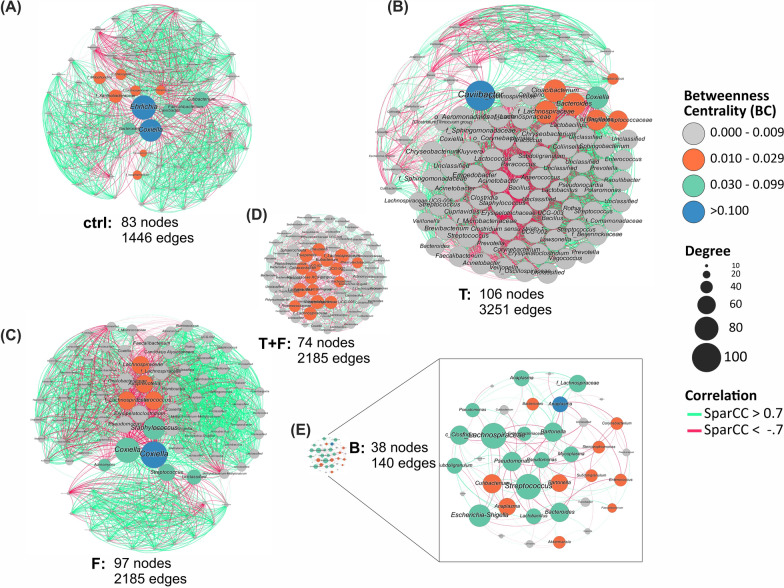
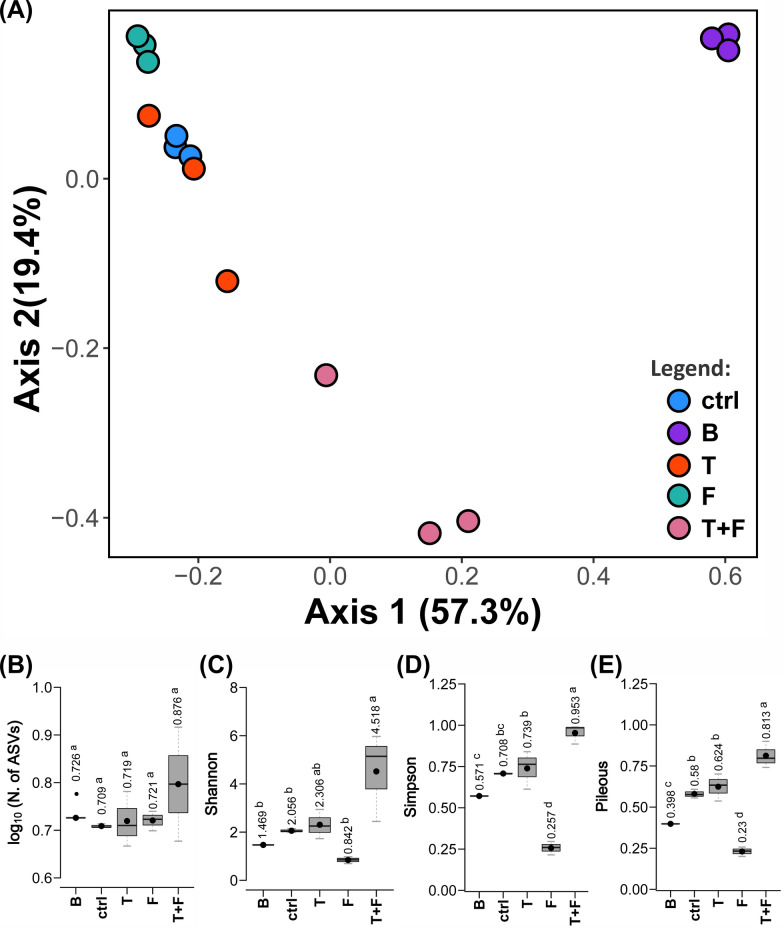
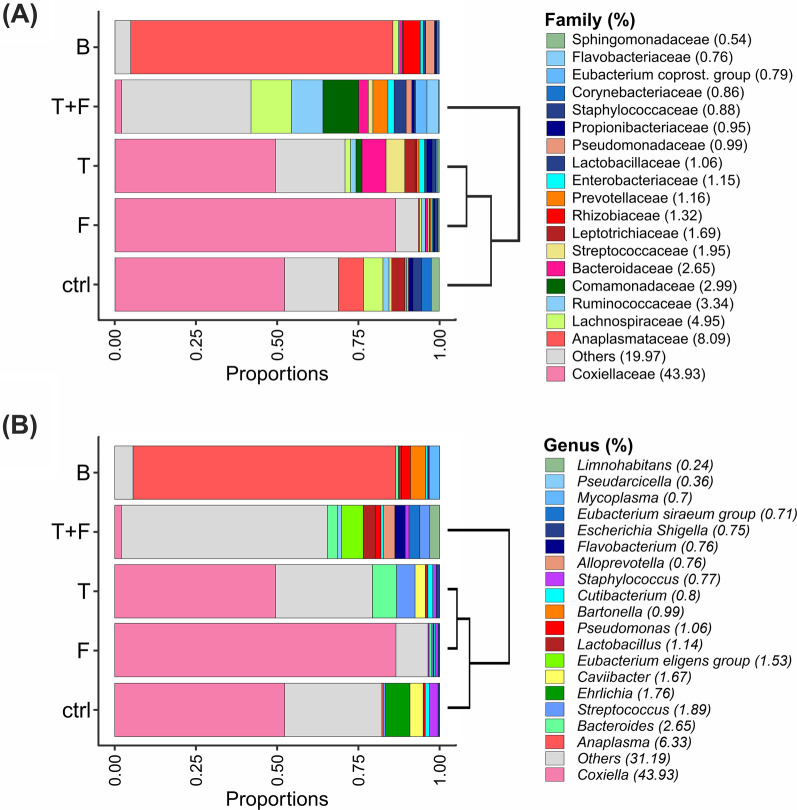
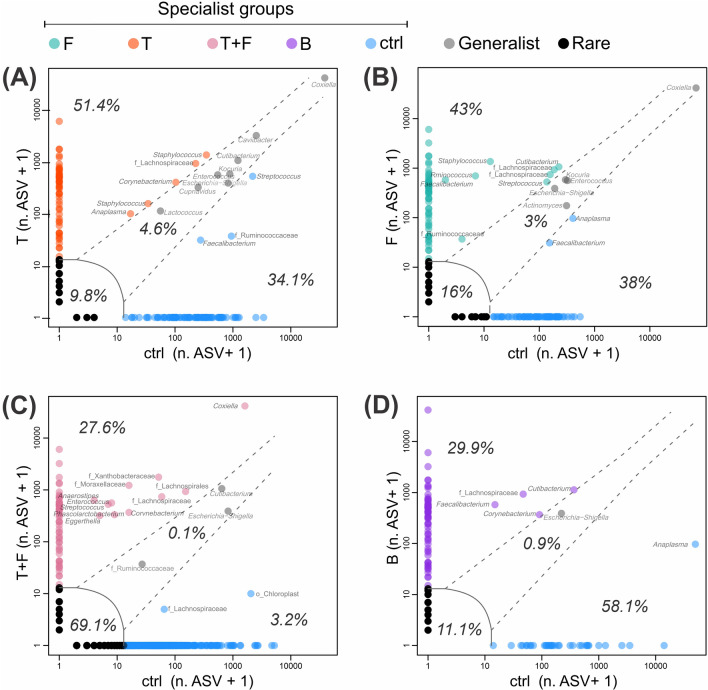
The gut of ticks that received no antibiotic but were treated with M. anisopliae exhibited lower bacterial diversity and a higher occurrence of Coxiella species. The Simpson diversity index and Pielou equability coefficient were higher in the gut bacterial community when R. microplus were fed with tetracycline and fungus-treated. Ticks from fungus-treated groups (with or without tetracycline) exhibited lower survival than untreated females. Previous feeding of ticks with the antibiotic did not change their susceptibility to the fungus. Ehrlichia spp. were not detected in the gueated groups.
These findings suggest that myco-acaricidal action would not be impacted if the calf hosting these ticks is under antibiotic therapy. Moreover, the hypothesis that entomopathogenic fungi can affect the bacterial community in the gut of R. microplus engorged females is endorsed by the fact that ticks exposed to M. anisopliae exhibited a dramatic reduction in bacterial diversity. This is the first report of an entomopathogenic fungus affecting the tick gut microbiota.
蜱是专性吸血寄生虫,主要通过传播病原体,对人类和动物健康造成严重经济损失和关注。昆虫病原真菌作为一种替代蜱控制策略,已被深入研究,可与合成杀螨剂结合用于蜱的综合管理。在这里,我们研究了感染金龟子绿僵菌后,璃眼蜱的肠道细菌群落是如何形成的,以及破坏肠道细菌微生物群后,蜱对真菌的易感性如何受到影响。
部分饱血的雌性璃眼蜱通过人工喂食纯牛血或加四环素的牛血。另外两组接受相同的饮食,并通过局部处理感染金龟子绿僵菌。处理后 3 天解剖肠道并提取基因组 DNA;扩增细菌 16S rRNA 基因 V3-V4 可变区。
未接受抗生素但经金龟子绿僵菌处理的蜱的肠道细菌多样性较低,且出现更多的柯克斯氏体。当璃眼蜱喂食四环素和真菌处理时,肠道细菌群落的 Simpson 多样性指数和 Pielou 均匀度系数较高。与未处理的雌性蜱相比,来自真菌处理组(无论是否添加四环素)的蜱的存活率较低。先前用抗生素喂养蜱不会改变其对真菌的敏感性。未在实验组中检测到埃立克体属。
这些发现表明,如果携带这些蜱的牛正在接受抗生素治疗,真菌杀蜱作用不会受到影响。此外,昆虫病原真菌可以影响饱血雌性璃眼蜱肠道细菌群落的假设,得到了以下事实的支持:暴露于金龟子绿僵菌的蜱的细菌多样性显著降低。这是首次报道昆虫病原真菌影响蜱肠道微生物群。