Department of Pharmaceutical Sciences, College of Pharmacy and Pharmaceutical Sciences, Washington State University, Spokane, Washington (R.S.T., M.F.P.); Department of Chemistry and Biochemistry, University of North Carolina at Greensboro, Greensboro, North Carolina (N.B.C., N.H.O.); Center of Excellence for Natural Product Drug Interaction Research, Spokane, Washington (N.B.C., N.H.O., A.E.R., K.E.T., M.F.P.); Departments of Medicinal Chemistry (A.E.R.) and Pharmaceutics (K.E.T.), School of Pharmacy, University of Washington, Seattle, Washington.
Department of Pharmaceutical Sciences, College of Pharmacy and Pharmaceutical Sciences, Washington State University, Spokane, Washington (R.S.T., M.F.P.); Department of Chemistry and Biochemistry, University of North Carolina at Greensboro, Greensboro, North Carolina (N.B.C., N.H.O.); Center of Excellence for Natural Product Drug Interaction Research, Spokane, Washington (N.B.C., N.H.O., A.E.R., K.E.T., M.F.P.); Departments of Medicinal Chemistry (A.E.R.) and Pharmaceutics (K.E.T.), School of Pharmacy, University of Washington, Seattle, Washington
Drug Metab Dispos. 2023 Aug;51(8):923-935. doi: 10.1124/dmd.122.001005. Epub 2023 Jun 7.
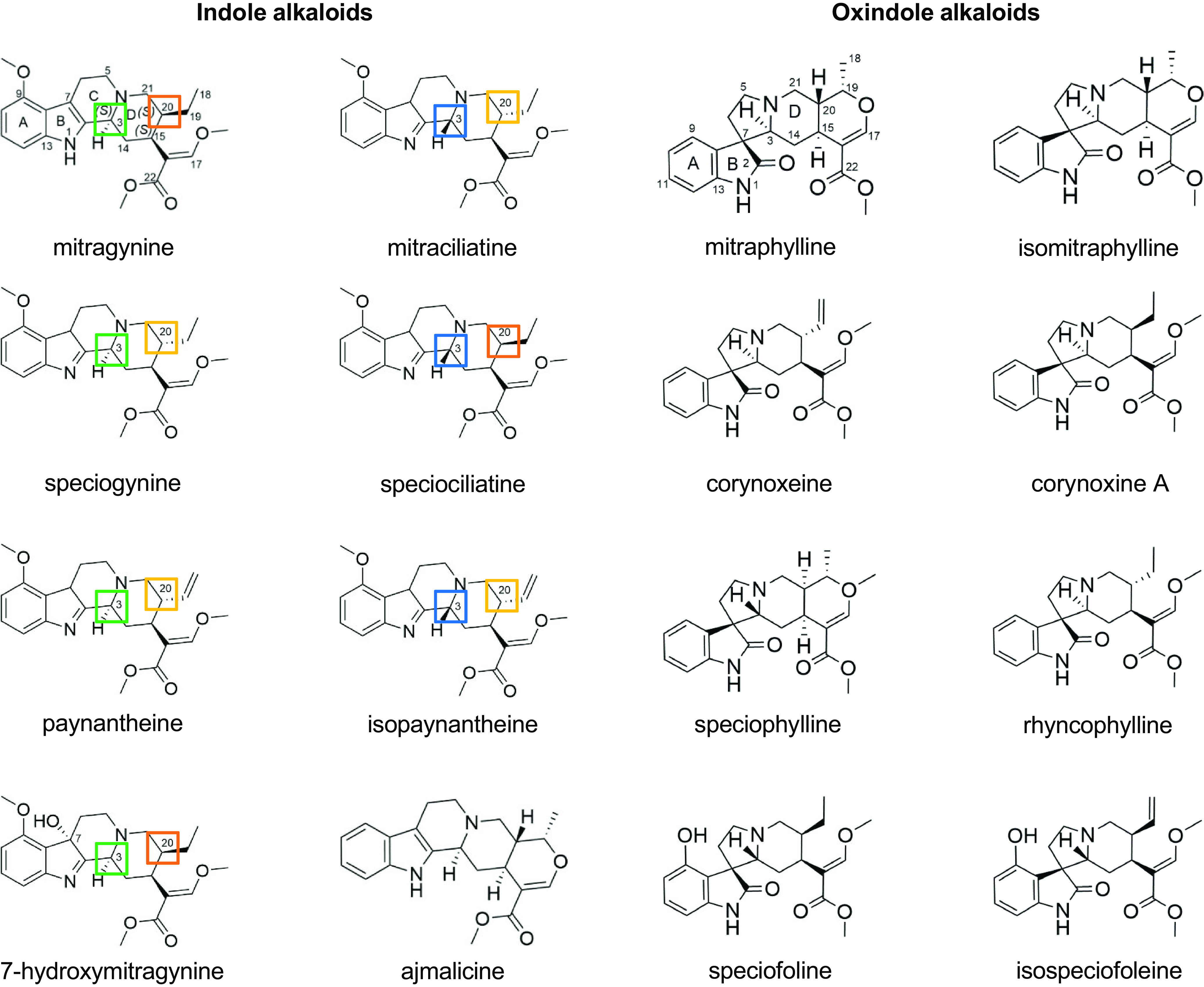
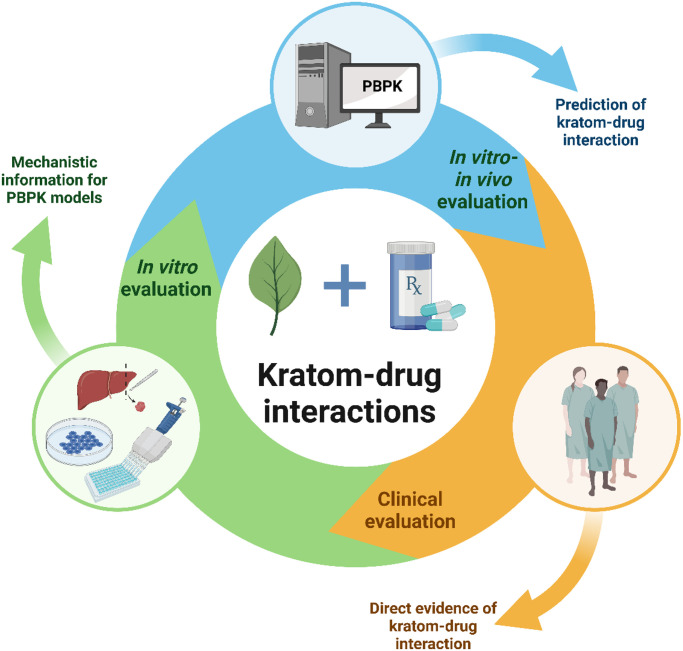
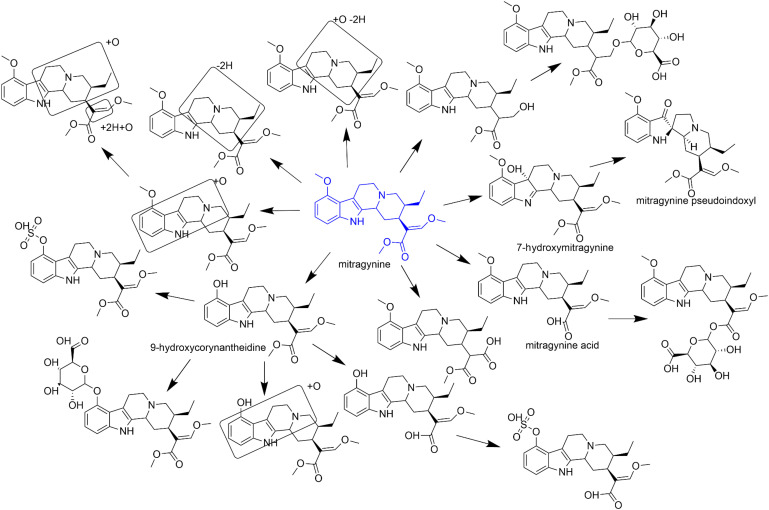
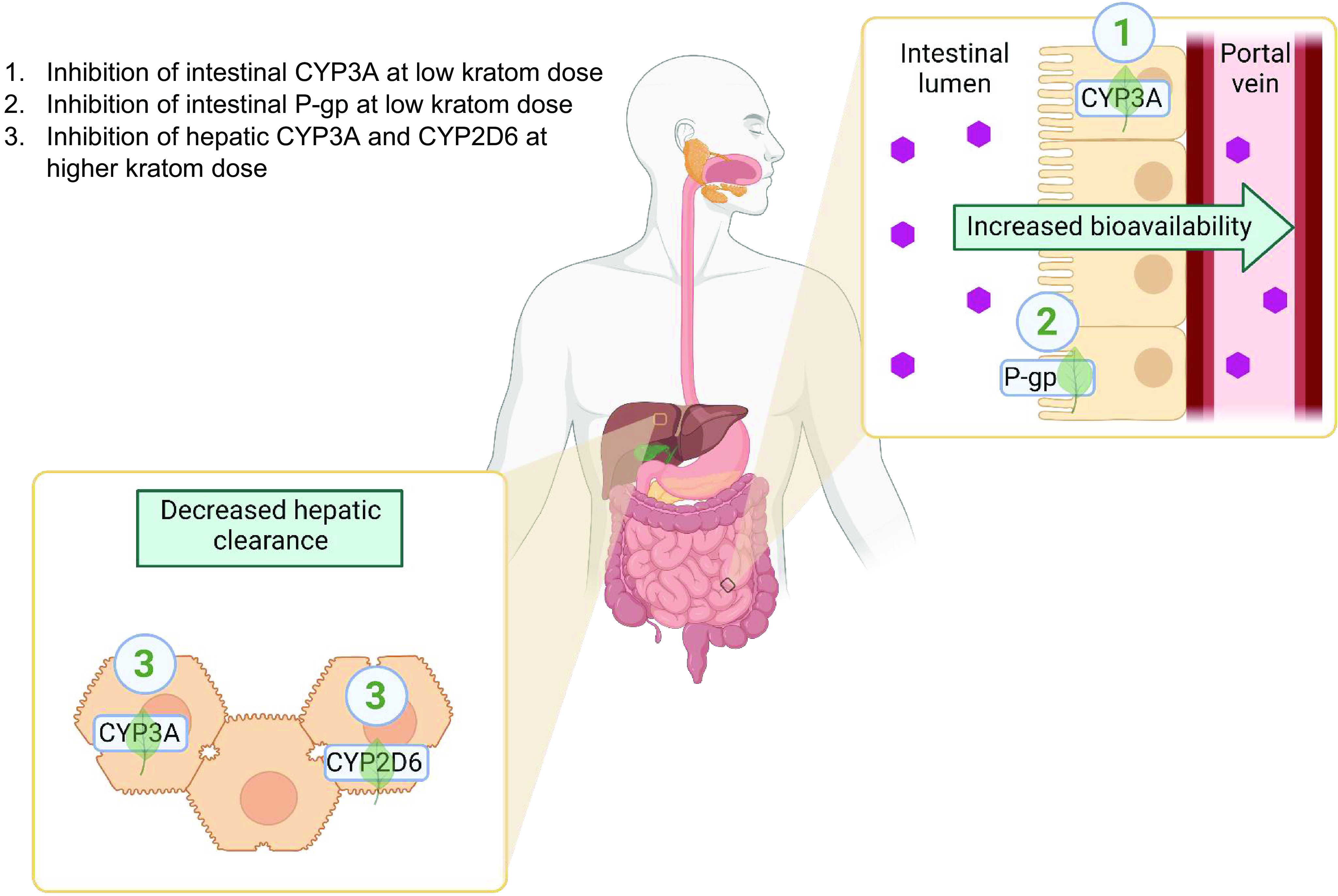
Kratom is a botanical natural product belonging to the coffee family, with stimulant effects at low doses and opioid-like effects at higher doses. During the last two decades, kratom has been purported as a safer alternative to pharmaceutical and illicit drugs to self-manage pain and opioid withdrawal symptoms. Kratom alkaloids, typically mitragynine, have been detected in biologic samples from overdose deaths. These deaths are often observed in combination with other drugs and are suspected to result from polyintoxications. This review focuses on the potential for kratom to precipitate pharmacokinetic interactions with object drugs involved in these reported polyintoxications. The legal status, chemistry, pharmacology, and toxicology are also summarized. The aggregate in vitro and clinical data identified kratom and select kratom alkaloids as modulators of cytochrome P450 (P450) enzyme activity, notably as inhibitors of CYP2D6 and CYP3A, as well as P-glycoprotein-mediated efflux activity. These inhibitory effects could increase the systemic exposure to co-consumed object drugs, which may lead to adverse effects. Collectively, the evidence to date warrants further evaluation of potential kratom-drug interactions using an iterative approach involving additional mechanistic in vitro studies, well designed clinical studies, and physiologically based pharmacokinetic modeling and simulation. This critical information is needed to fill knowledge gaps regarding the safe and effective use of kratom, thereby addressing ongoing public health concerns. SIGNIFICANCE STATEMENT: The botanical kratom is increasingly used to self-manage pain and opioid withdrawal symptoms due to having opioid-like effects. The legal status, chemistry, pharmacology, toxicology, and drug interaction potential of kratom are reviewed. Kratom-associated polyintoxications and in vitro-in vivo extrapolations suggest that kratom can precipitate pharmacokinetic drug interactions by inhibiting CYP2D6, CYP3A, and P-glycoprotein. An iterative approach that includes clinical studies and physiologically based pharmacokinetic modeling and simulation is recommended for further evaluation of potential unwanted kratom-drug interactions.
背景:卡痛叶是一种植物天然产物,属于咖啡家族,低剂量具有刺激作用,高剂量具有类阿片作用。在过去的二十年中,卡痛叶被认为是一种比药物和非法药物更安全的替代品,可以自我管理疼痛和阿片类药物戒断症状。在过量死亡的生物样本中检测到卡痛叶生物碱,通常是美沙酮。这些死亡通常与其他药物同时发生,怀疑是多药中毒的结果。
目的:本综述重点介绍了卡痛叶与报告的多药中毒中涉及的目标药物发生药物代谢动力学相互作用的潜力。还总结了卡痛叶的法律地位、化学、药理学和毒理学。
方法:综合体外和临床数据确定卡痛叶和选定的卡痛叶生物碱是细胞色素 P450(CYP)酶活性的调节剂,特别是 CYP2D6 和 CYP3A 的抑制剂,以及 P-糖蛋白介导的外排活性。这些抑制作用可能会增加共消耗的目标药物的全身暴露,从而导致不良反应。
结果:迄今为止的证据表明,需要使用迭代方法进一步评估潜在的卡痛药物相互作用,该方法涉及额外的机制体外研究、精心设计的临床研究以及基于生理的药代动力学建模和模拟。需要这些关键信息来填补有关卡痛安全有效使用的知识空白,从而解决持续存在的公共卫生问题。
结论:植物卡痛叶由于具有类阿片作用,越来越多地被用于自我管理疼痛和阿片类药物戒断症状。综述了卡痛叶的法律地位、化学、药理学、毒理学和药物相互作用潜力。卡痛叶相关的多药中毒和体外-体内外推表明,卡痛叶通过抑制 CYP2D6、CYP3A 和 P-糖蛋白可以引发药物代谢动力学药物相互作用。建议采用包括临床研究和基于生理的药代动力学建模和模拟的迭代方法,进一步评估潜在的不良卡痛药物相互作用。