McKusick-Nathans Department of Genetic Medicine, Johns Hopkins University School of Medicine, Baltimore, MD, 21205, USA.
Department of Medicine, Johns Hopkins University School of Medicine, Baltimore, MD, 21287, USA.
BMC Genomics. 2023 Jun 7;24(1):306. doi: 10.1186/s12864-023-09398-y.
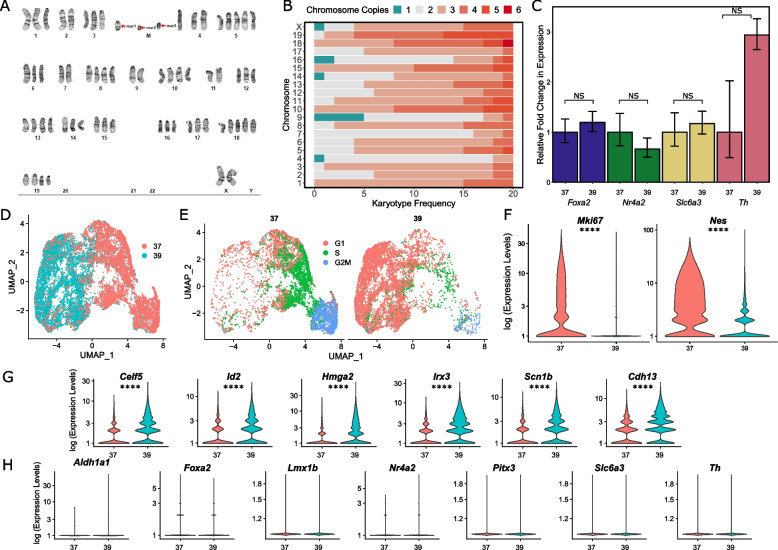
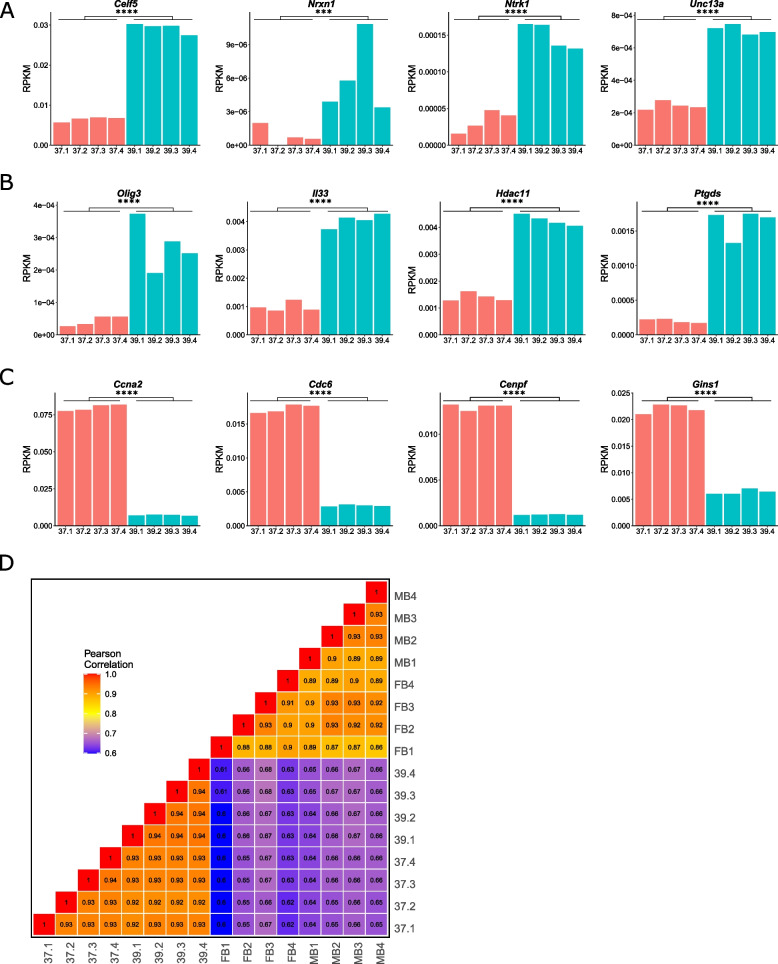
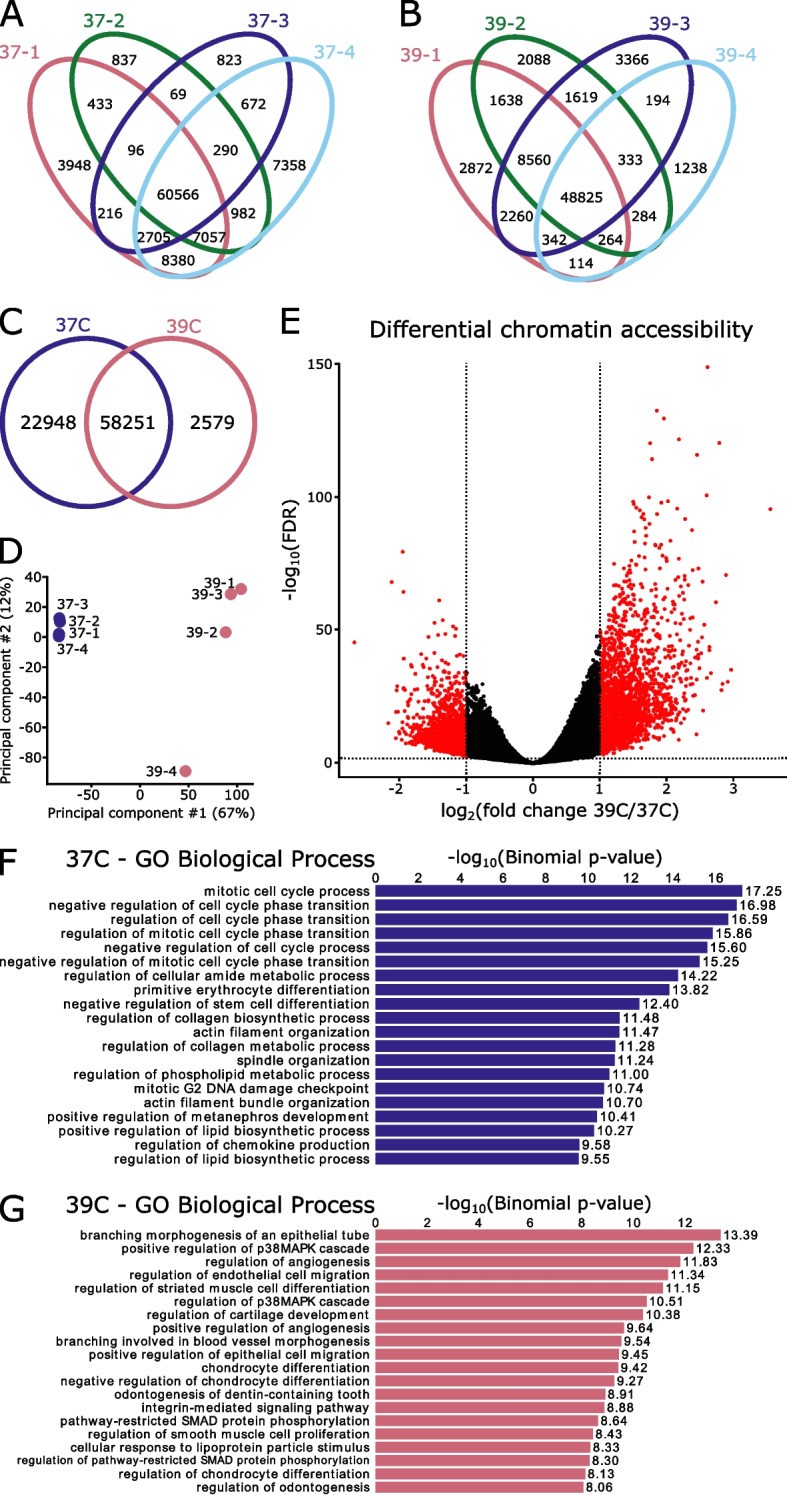
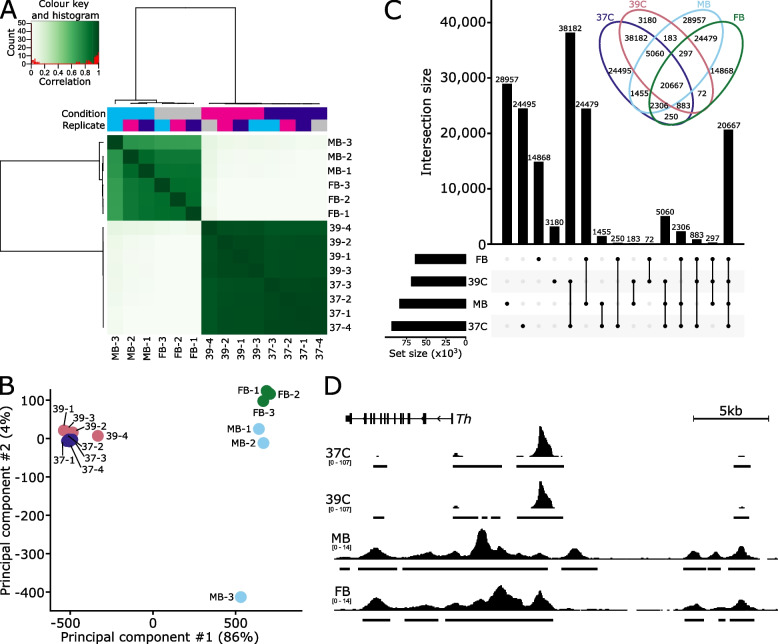
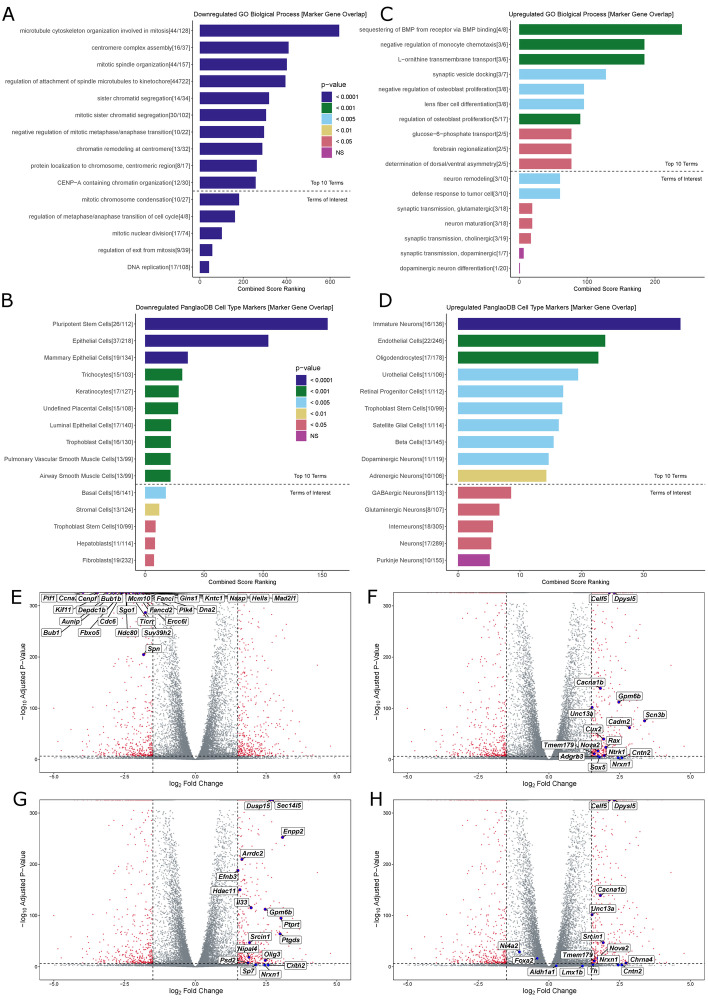
To overcome the ethical and technical limitations of in vivo human disease models, the broader scientific community frequently employs model organism-derived cell lines to investigate disease mechanisms, pathways, and therapeutic strategies. Despite the widespread use of certain in vitro models, many still lack contemporary genomic analysis supporting their use as a proxy for the affected human cells and tissues. Consequently, it is imperative to determine how accurately and effectively any proposed biological surrogate may reflect the biological processes it is assumed to model. One such cellular surrogate of human disease is the established mouse neural precursor cell line, SN4741, which has been used to elucidate mechanisms of neurotoxicity in Parkinson disease for over 25 years. Here, we are using a combination of classic and contemporary genomic techniques - karyotyping, RT-qPCR, single cell RNA-seq, bulk RNA-seq, and ATAC-seq - to characterize the transcriptional landscape, chromatin landscape, and genomic architecture of this cell line, and evaluate its suitability as a proxy for midbrain dopaminergic neurons in the study of Parkinson disease. We find that SN4741 cells possess an unstable triploidy and consistently exhibits low expression of dopaminergic neuron markers across assays, even when the cell line is shifted to the non-permissive temperature that drives differentiation. The transcriptional signatures of SN4741 cells suggest that they are maintained in an undifferentiated state at the permissive temperature and differentiate into immature neurons at the non-permissive temperature; however, they may not be dopaminergic neuron precursors, as previously suggested. Additionally, the chromatin landscapes of SN4741 cells, in both the differentiated and undifferentiated states, are not concordant with the open chromatin profiles of ex vivo, mouse E15.5 forebrain- or midbrain-derived dopaminergic neurons. Overall, our data suggest that SN4741 cells may reflect early aspects of neuronal differentiation but are likely not a suitable proxy for dopaminergic neurons as previously thought. The implications of this study extend broadly, illuminating the need for robust biological and genomic rationale underpinning the use of in vitro models of molecular processes.
为了克服体内人类疾病模型的伦理和技术限制,更广泛的科学界经常使用模式生物衍生的细胞系来研究疾病机制、途径和治疗策略。尽管某些体外模型得到了广泛应用,但许多模型仍然缺乏当代基因组分析来支持其作为受影响的人类细胞和组织的替代物。因此,必须确定任何拟议的生物替代物可以在多大程度上准确有效地反映其假定的生物过程。作为人类疾病的细胞替代物之一是已建立的小鼠神经前体细胞系 SN4741,该细胞系已被用于阐明帕金森病 25 多年来的神经毒性机制。在这里,我们使用经典和现代基因组技术的组合 - 核型分析、RT-qPCR、单细胞 RNA-seq、批量 RNA-seq 和 ATAC-seq - 来描述该细胞系的转录景观、染色质景观和基因组结构,并评估其作为研究帕金森病中中脑多巴胺能神经元的替代物的适用性。我们发现 SN4741 细胞具有不稳定的三倍体,并且在各种测定中始终表现出多巴胺能神经元标志物的低表达,即使在将细胞系转移到驱动分化的非允许温度时也是如此。SN4741 细胞的转录特征表明,它们在允许温度下保持未分化状态,并在非允许温度下分化为不成熟神经元;然而,它们可能不是多巴胺能神经元前体,如先前所述。此外,SN4741 细胞的染色质景观,无论是在分化和未分化状态下,都与体外、E15.5 小鼠前脑或中脑衍生的多巴胺能神经元的开放染色质图谱不一致。总的来说,我们的数据表明 SN4741 细胞可能反映了神经元分化的早期方面,但可能不像以前认为的那样适合作为多巴胺能神经元的替代物。这项研究的意义广泛,阐明了在使用体外分子过程模型时,需要强大的生物学和基因组基础。