Plant Molecular Biology, Faculty of Biology, Ludwig-Maximilians-University Munich, Großhaderner Street 2-4, 82152 Planegg-Martinsried, Germany.
Plant Development, Faculty of Biology, Ludwig-Maximilians-University Munich, Großhaderner Street 2-4, 82152 Planegg-Martinsried, Germany.
Plant Commun. 2023 Nov 13;4(6):100634. doi: 10.1016/j.xplc.2023.100634. Epub 2023 Jun 7.
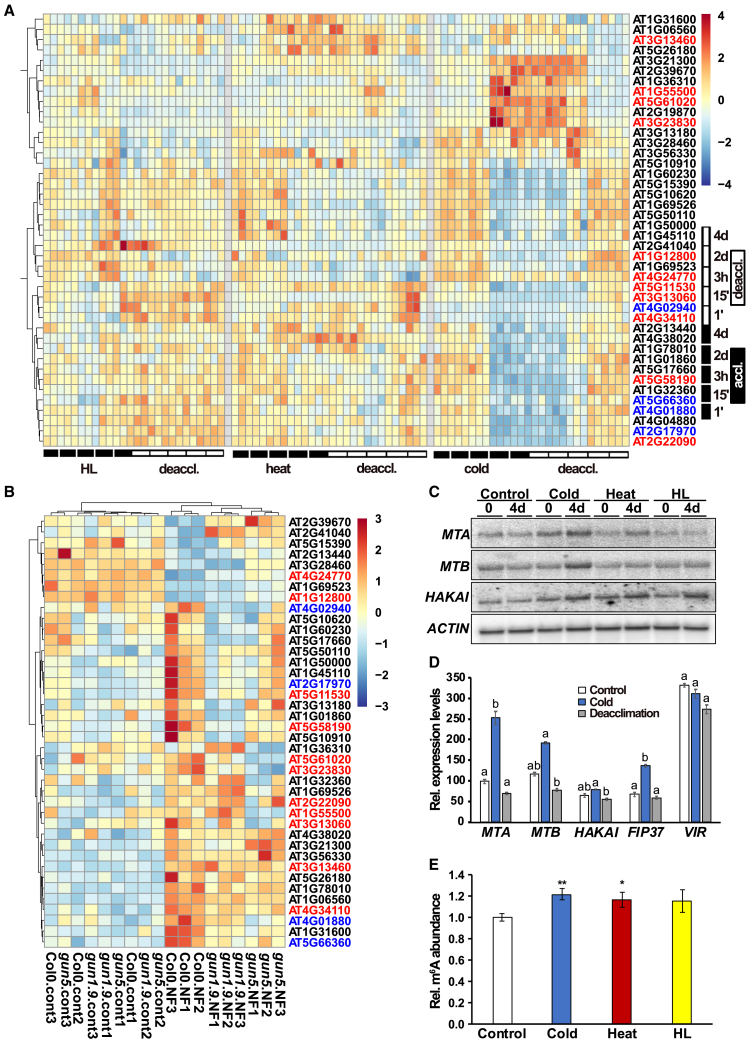
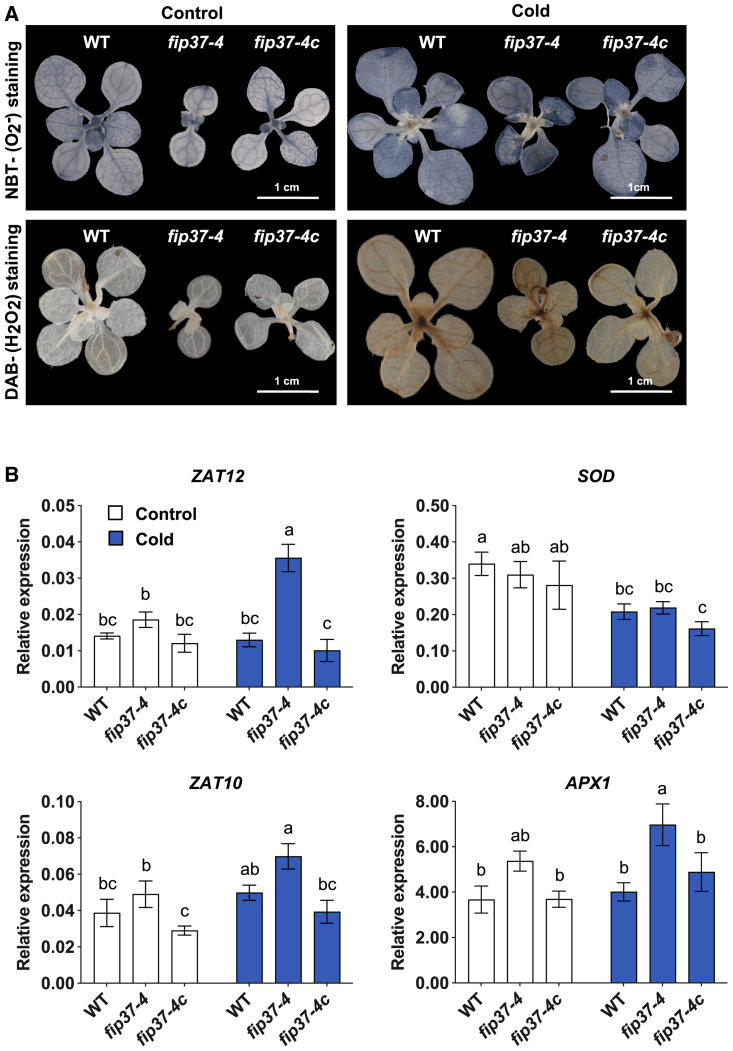
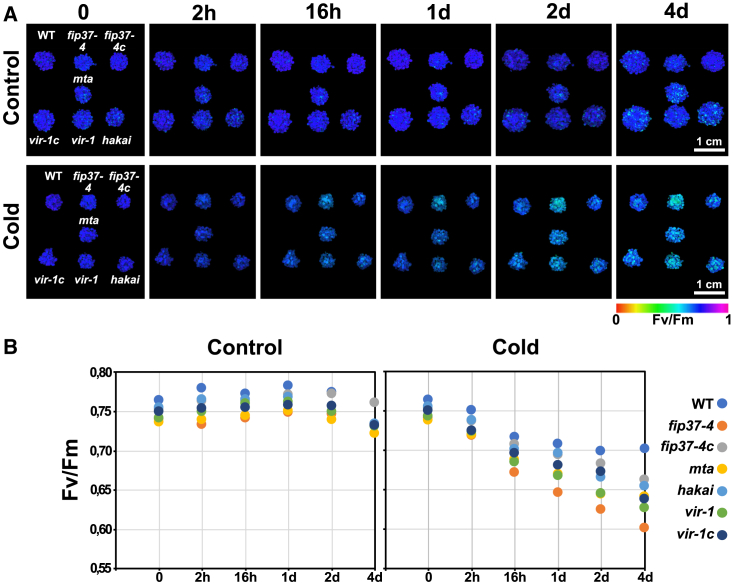
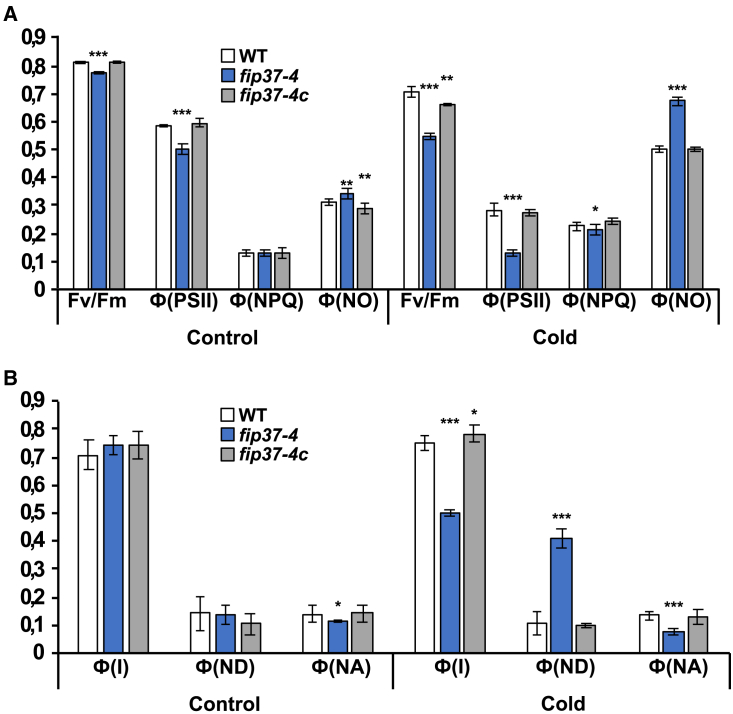
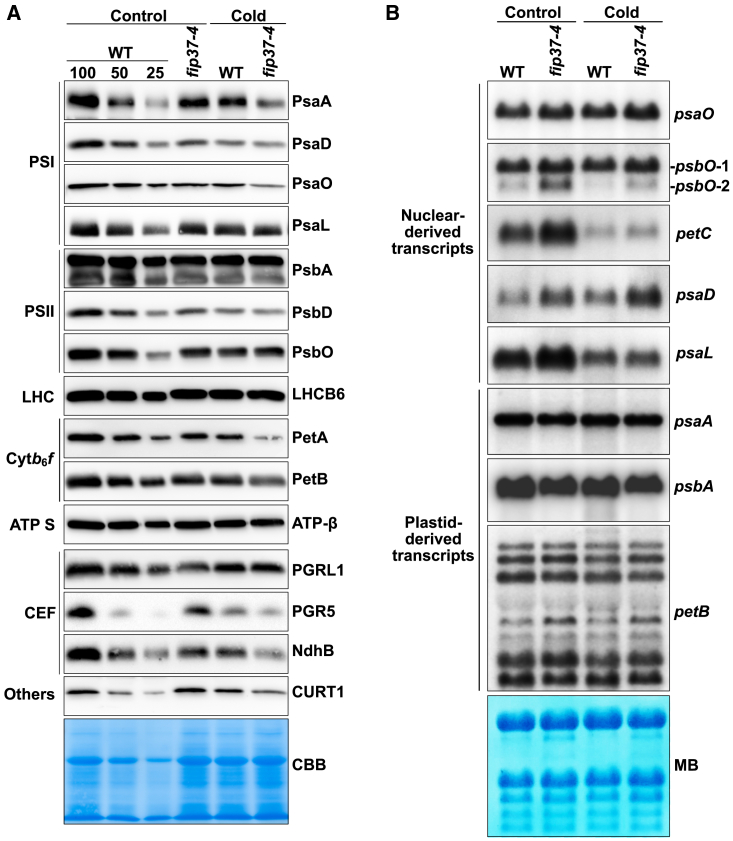
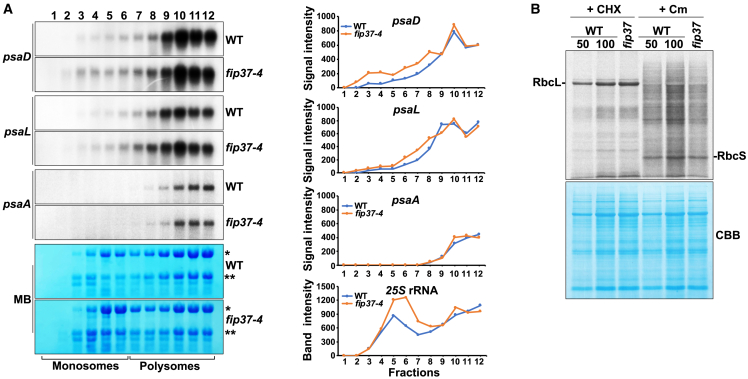
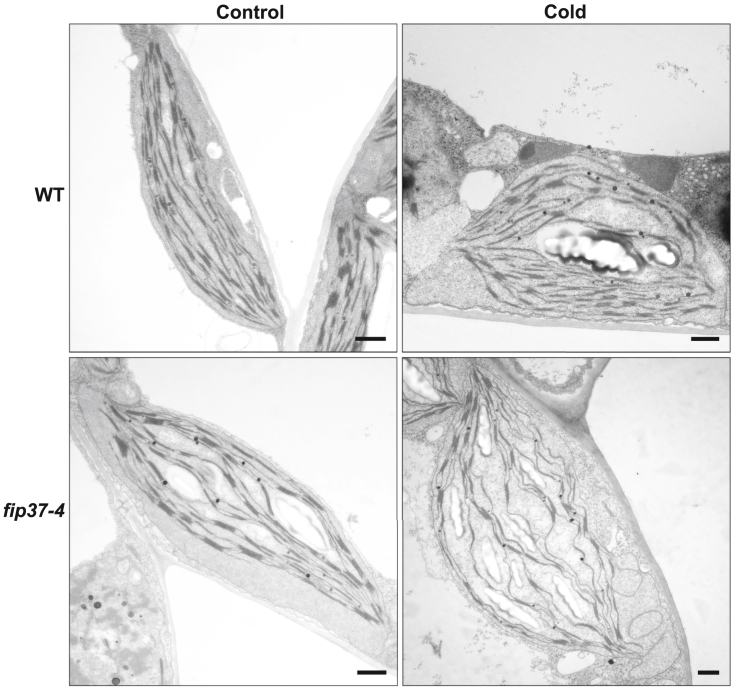
The sessile lifestyle of plants requires an immediate response to environmental stressors that affect photosynthesis, growth, and crop yield. Here, we showed that three abiotic perturbations-heat, cold, and high light-triggered considerable changes in the expression signatures of 42 epitranscriptomic factors (writers, erasers, and readers) with putative chloroplast-associated functions that formed clusters of commonly expressed genes in Arabidopsis. The expression changes under all conditions were reversible upon deacclimation, identifying epitranscriptomic players as modulators in acclimation processes. Chloroplast dysfunctions, particularly those induced by the oxidative stress-inducing norflurazon in a largely GENOME UNCOUPLED-independent manner, triggered retrograde signals to remodel chloroplast-associated epitranscriptomic expression patterns. N-methyladenosine (mA) is known as the most prevalent RNA modification and impacts numerous developmental and physiological functions in living organisms. During cold treatment, expression of components of the primary nuclear mA methyltransferase complex was upregulated, accompanied by a significant increase in cellular mA mRNA marks. In the cold, the presence of FIP37, a core component of the writer complex, played an important role in positive regulation of thylakoid structure, photosynthetic functions, and accumulation of photosystem I, the Cytbf complex, cyclic electron transport proteins, and Curvature Thylakoid1 but not that of photosystem II components and the chloroplast ATP synthase. Downregulation of FIP37 affected abundance, polysomal loading, and translation of cytosolic transcripts related to photosynthesis in the cold, suggesting mA-dependent translational regulation of chloroplast functions. In summary, we identified multifaceted roles of the cellular mA RNA methylome in coping with cold; these were predominantly associated with chloroplasts and served to stabilize photosynthesis.
植物的固着生活方式要求对影响光合作用、生长和作物产量的环境胁迫因子做出即时响应。在这里,我们表明,三种非生物胁迫——热、冷和高光——引发了具有假定与叶绿体相关功能的 42 个外转录组因子(写入器、擦除器和读取器)的表达特征发生了相当大的变化,这些因子的表达特征形成了拟南芥中共同表达基因的聚类。在所有条件下,去驯化后表达变化均可逆转,这表明外转录组因子是适应过程中的调节剂。叶绿体功能障碍,特别是在很大程度上与 GENOME UNCOUPLED 无关的氧化胁迫诱导剂 norflurazon 诱导的功能障碍,引发逆行信号以重塑与叶绿体相关的外转录组表达模式。N6-甲基腺苷 (mA) 是最常见的 RNA 修饰,影响生物体的许多发育和生理功能。在冷处理期间,初级核 mA 甲基转移酶复合物的组成部分的表达上调,伴随着细胞 mA mRNA 标记的显著增加。在寒冷中,作为写入器复合物核心组件的 FIP37 的存在在正向调节类囊体结构、光合作用功能以及 PSI、Cytbf 复合物、循环电子传递蛋白和 Curvature Thylakoid1 的积累中起着重要作用,但对 PSII 组件和叶绿体 ATP 合酶的积累没有影响。FIP37 的下调影响了冷胁迫下与光合作用相关的质体转录物的丰度、多核糖体加载和翻译,这表明 mA 依赖的质体功能的翻译调控。总之,我们鉴定了细胞 mA RNA 甲基化组在应对寒冷方面的多方面作用;这些作用主要与叶绿体相关,有助于稳定光合作用。