Darius Tom, Vergauwen Martial, Maistriaux Louis, Evrard Robin, Schlegel Andrea, Mueller Matteo, O'Neil Donna, Southam Andrew, Aydin Selda, Devresse Arnaud, De Meyer Martine, Gianello Pierre, Ludwig Christian, Dutkowski Philipp, Mourad Michel
Surgery and Abdominal Transplant Unit, University Clinics Saint Luc, Université Catholique de Louvain, 1200 Brussels, Belgium.
Institut de Recherche Expérimentale et Clinique (IREC), Pôle de Chirurgie Expérimentale et Transplantation, Université Catholique de Louvain, 1200 Brussels, Belgium.
J Clin Med. 2023 May 29;12(11):3731. doi: 10.3390/jcm12113731.
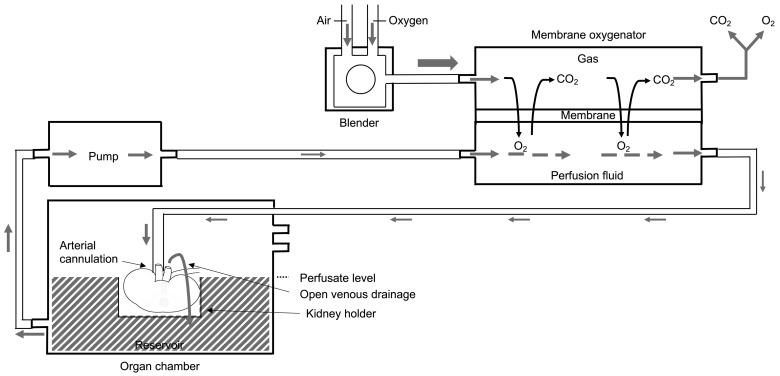
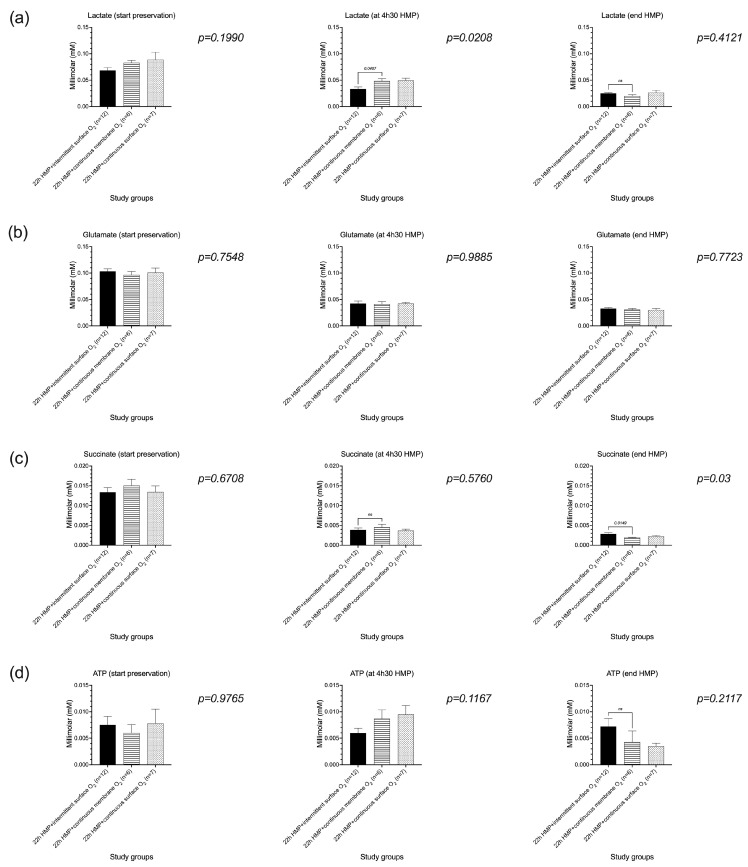
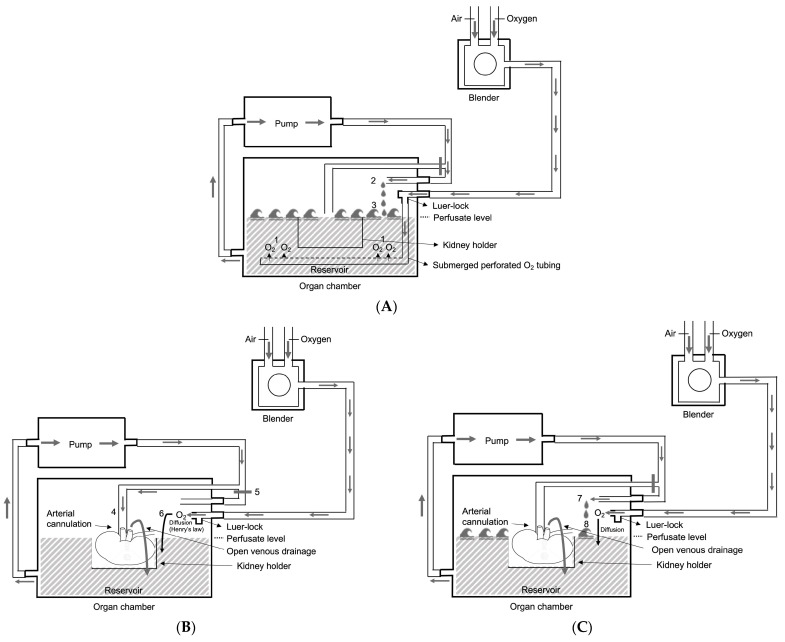
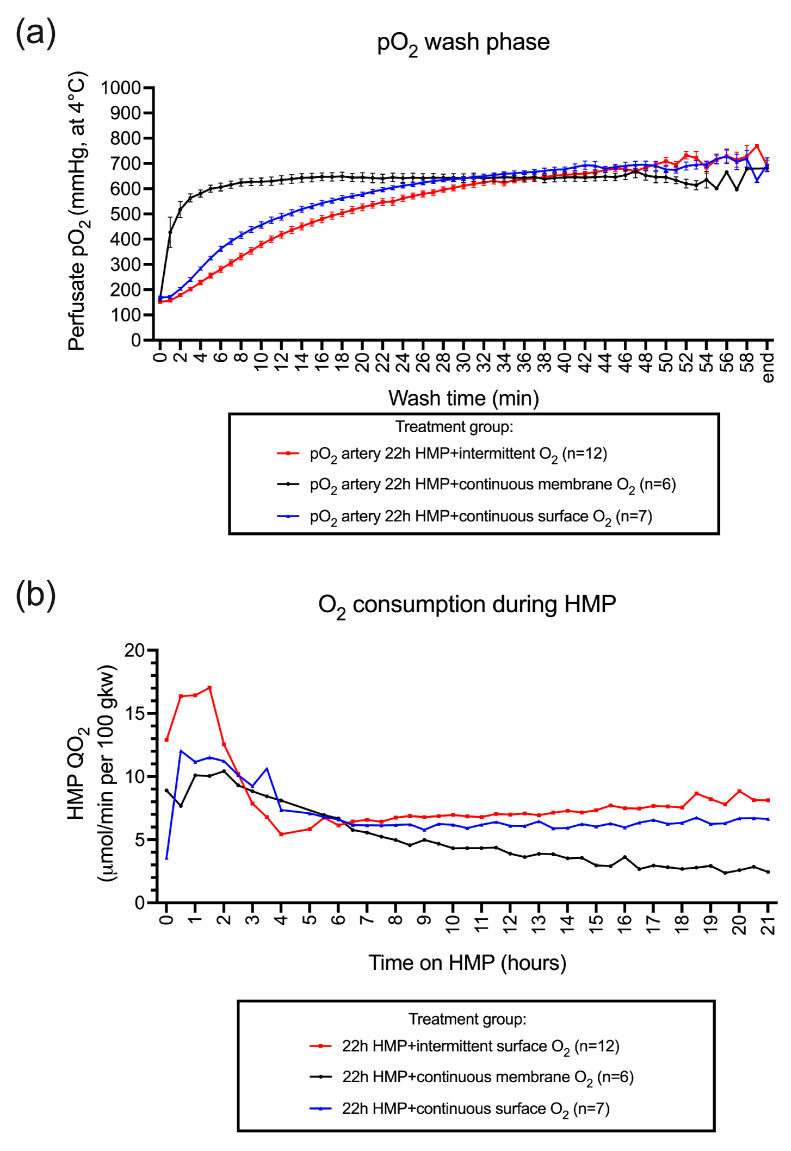
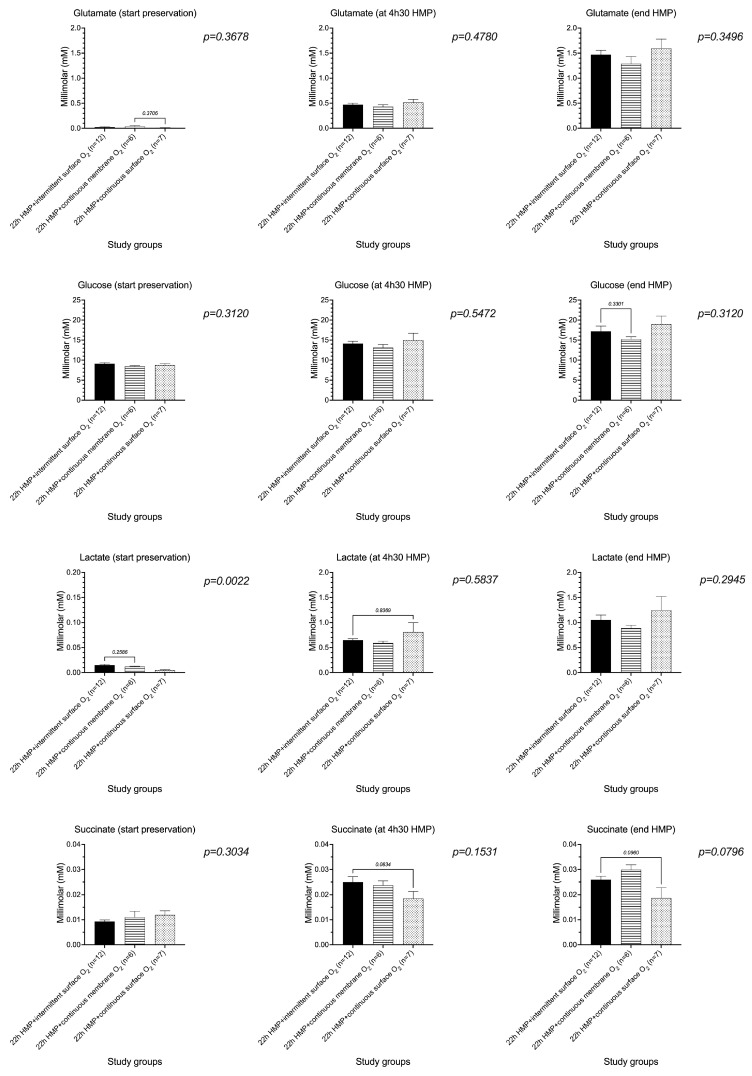
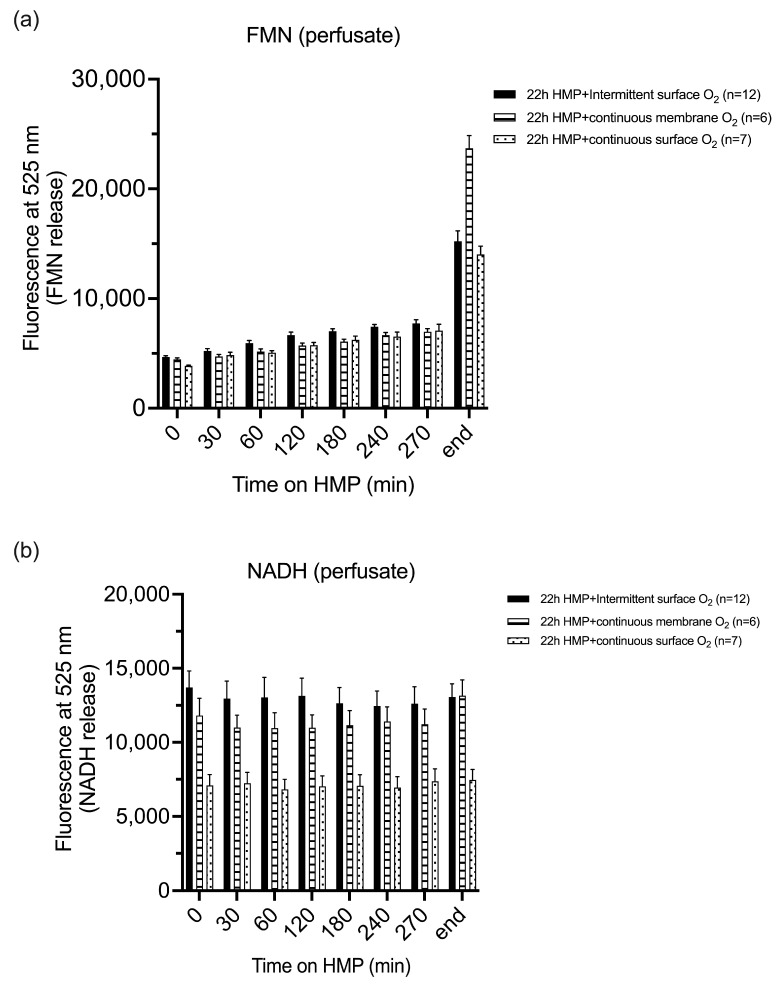
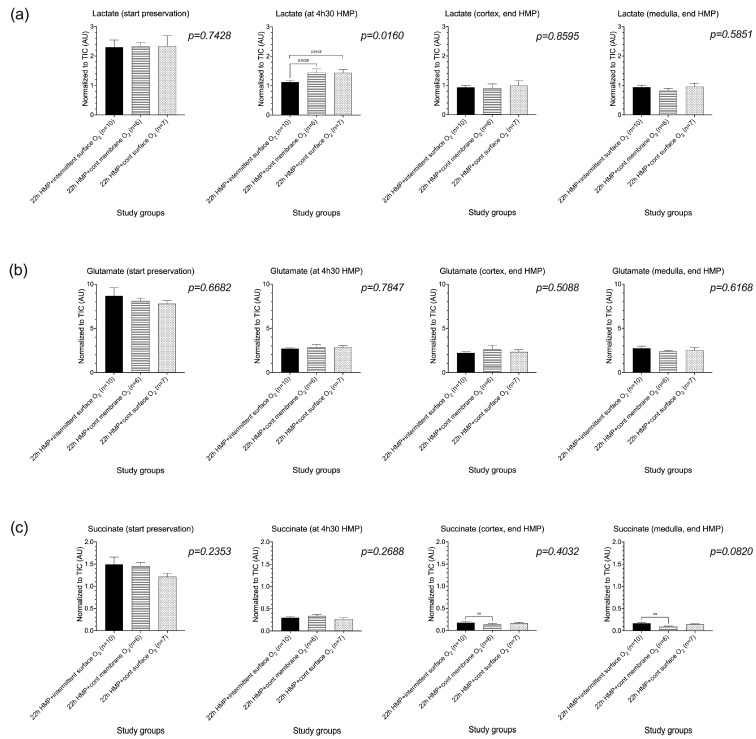
Short bubble and subsequent surface oxygenation is an innovative oxygenation technique and alternative for membrane oxygenation during hypothermic machine perfusion (HMP). The metabolic effect of the interruption of surface oxygenation for 4 h (mimicking organ transport) during HMP was compared to continuous surface and membrane oxygenation in a pig kidney ex situ preservation model. After 30 min of warm ischemia by vascular clamping, a kidney of a ±40 kg pig was procured and subsequently preserved according to one of the following groups: (1) 22-h HMP + intermittent surface oxygenation ( = 12); (2) 22-h HMP + continuous membrane oxygenation ( = 6); and (3) 22-h HMP + continuous surface oxygenation ( = 7). Brief perfusate O uploading before kidney perfusion was either obtained by direct bubble (groups 1, 3) or by membrane (group 2) oxygenation. Bubble oxygenation during minimum 15 min was as efficient as membrane oxygenation in achieving supraphysiological perfusate pO levels before kidney perfusion. Metabolic tissue analysis (i.e., lactate, succinate, ATP, NADH, and FMN) during and at the end of the preservation period demonstrated similar mitochondrial protection between all study groups. Short bubble and subsequent intermittent surface oxygenation of the perfusate of an HMP-kidney might be an effective and cheap preservation strategy to protect mitochondria, eliminating the need/costs of a membrane oxygenator and oxygen source during transport.
短气泡及后续表面氧合是一种创新的氧合技术,也是低温机器灌注(HMP)期间膜氧合的替代方法。在猪肾异位保存模型中,比较了HMP期间中断表面氧合4小时(模拟器官运输)与持续表面和膜氧合的代谢效应。通过血管夹闭进行30分钟的热缺血后,获取一只体重约40公斤猪的肾脏,并根据以下组别之一进行后续保存:(1)22小时HMP + 间歇性表面氧合(n = 12);(2)22小时HMP + 持续膜氧合(n = 6);(3)22小时HMP + 持续表面氧合(n = 7)。肾脏灌注前短暂的灌注液氧含量提升,在第1组和第3组通过直接气泡氧合获得,在第2组通过膜氧合获得。在肾脏灌注前,至少15分钟的气泡氧合在实现超生理灌注液pO₂水平方面与膜氧合一样有效。保存期中和结束时的代谢组织分析(即乳酸、琥珀酸、ATP、NADH和FMN)表明,所有研究组之间的线粒体保护作用相似。HMP肾脏灌注液的短气泡及后续间歇性表面氧合可能是一种有效且廉价的保存策略,可保护线粒体,消除运输过程中对膜氧合器和氧源的需求/成本。