Hamedi Helia, Ghorbanian S Hakiba, Mirzaeian Leila, Abrari Kataneh, Mozdziak Paul, Ghorbanian Mohammad Taghi
Department of Cellular and Molecular Biology, School of Biology, Damghan University, Damghan, Iran.
Dental School, Semnan University of Medical Science, Semnan, Iran.
Cell J. 2023 May 28;25(5):317-326. doi: 10.22074/cellj.2023.1972266.1161.
Parkinson's disease (PD) is a neurodegenerative disorder described by the dynamic decline of dopaminergic neurons in the substantia nigra pars compacta (SNpc). Stem cell transplantation is a new therapeutic strategy in the treatment of PD. The objective of the study was to assess the impact of intravenous infusion of adipose-derived mesenchymal stem cells (AD-MSCs) on memory disorder in Parkinsonian rats.
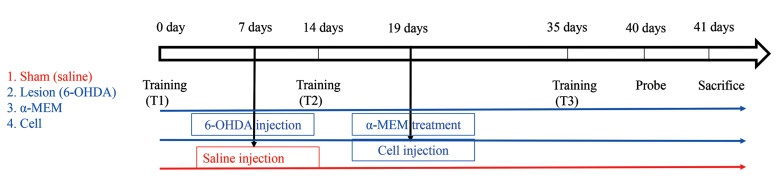
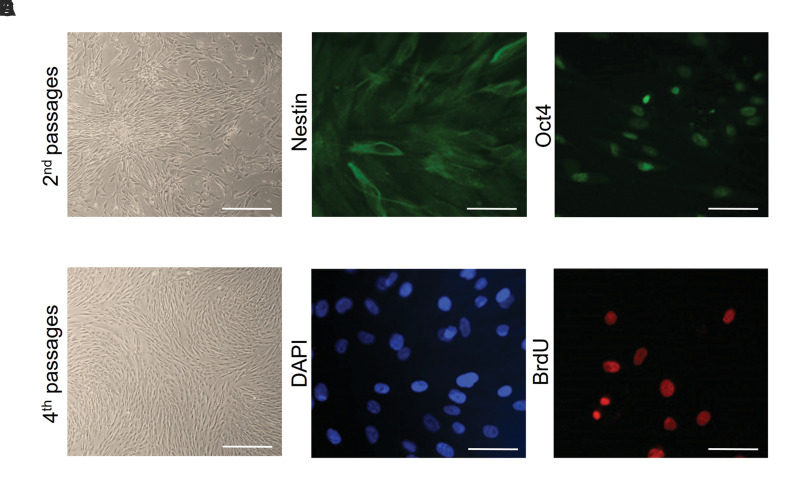
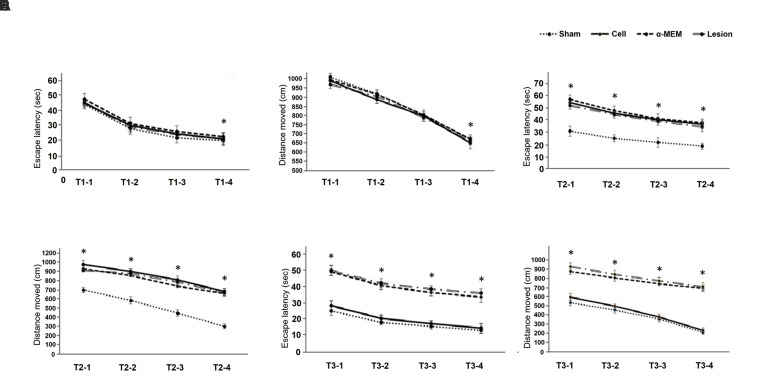
In this experimental study, male Wistar rats were randomly divided to four groups containing sham, cell treatment, control, and lesion. The cell treatment group received intravenous injection of AD-MSCs 12 days after PD induction by bilateral injection of 6-hydroxydopamine. Four weeks after lesion formation, spatial memory was examined using the Morris water maze (MWM) assessment. The rats' brains were removed and assessed by bromodeoxyuridine (BrdU), tyrosine hydroxylase (TH), and glial fibrillary acidic protein (Gfap) immunostaining.
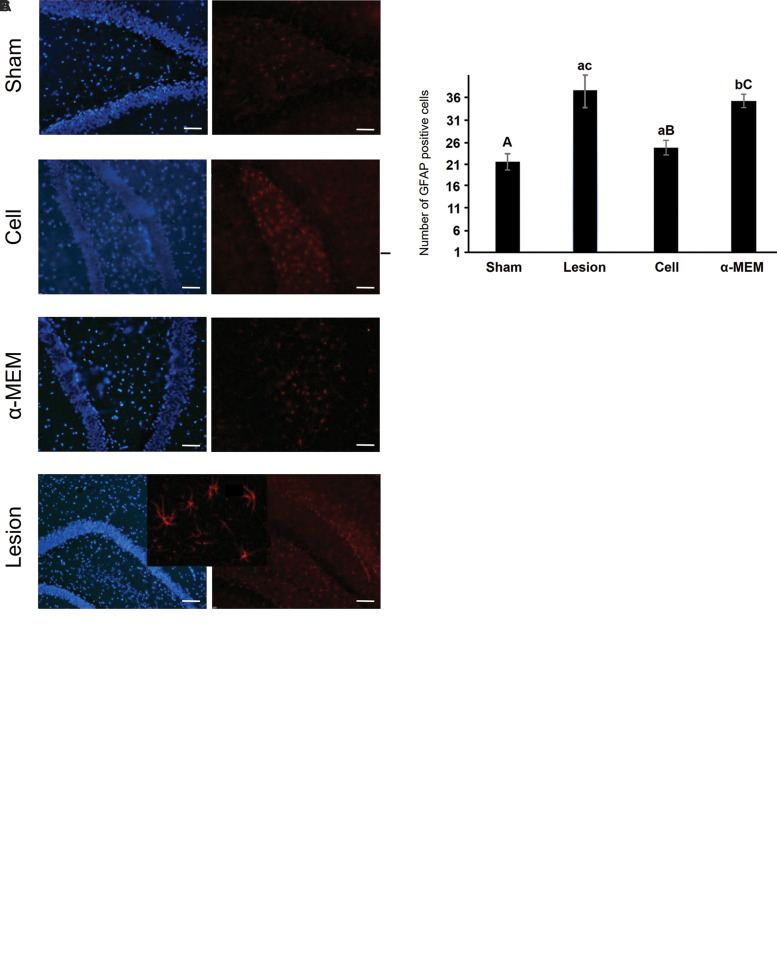
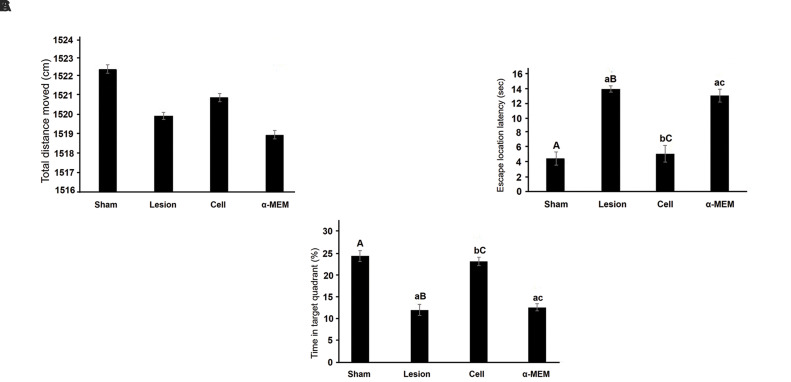
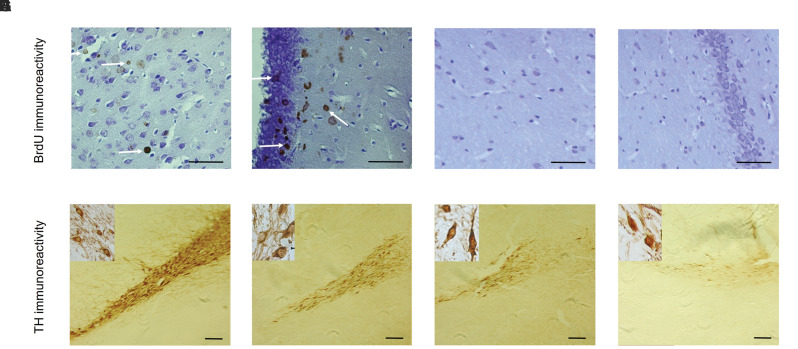
Statistical analyses revealed a significant addition and reduction in time spent and escape latency in the target quadrant, respectively, in the cell group as compared to the lesion group. Also, BrdU-labeled cells were present in the substantia nigra (SN). The density of TH-positive cells was significantly increased in the AD-MSCs transplantation group as compared to the lesion group, and the density of astrocytes significantly diminished in the AD-MSCs transplantation group as compared to the lesion group.
It appears that AD-MSCs treatment for Parkinson's could decrease the density of astrocytes and promote the density of TH-positive neurons. It appears that AD-MSCs could improve spatial memory impairment in PD.
帕金森病(PD)是一种神经退行性疾病,其特征为黑质致密部(SNpc)多巴胺能神经元的动态性减少。干细胞移植是治疗PD的一种新的治疗策略。本研究的目的是评估静脉输注脂肪源性间充质干细胞(AD-MSCs)对帕金森病大鼠记忆障碍的影响。
在本实验研究中,雄性Wistar大鼠被随机分为四组,即假手术组、细胞治疗组、对照组和损伤组。细胞治疗组在双侧注射6-羟基多巴胺诱导PD 12天后接受AD-MSCs静脉注射。损伤形成四周后,使用莫里斯水迷宫(MWM)评估来检测空间记忆。取出大鼠大脑,通过溴脱氧尿苷(BrdU)、酪氨酸羟化酶(TH)和胶质纤维酸性蛋白(Gfap)免疫染色进行评估。
统计分析显示,与损伤组相比,细胞组在目标象限花费的时间和逃避潜伏期分别有显著增加和减少。此外,黑质(SN)中存在BrdU标记的细胞。与损伤组相比,AD-MSCs移植组中TH阳性细胞的密度显著增加,与损伤组相比,AD-MSCs移植组中星形胶质细胞的密度显著降低。
似乎AD-MSCs治疗帕金森病可降低星形胶质细胞的密度并提高TH阳性神经元的密度。似乎AD-MSCs可改善PD中的空间记忆障碍。