The First Affiliated Hospital of Zhejiang Chinese Medical University (Zhejiang Provincial Hospital of Chinese Medicine), Hangzhou, Zhejiang, 310006, China.
The First College of Clinical Medicine, Zhejiang Chinese Medical University, Hangzhou, Zhejiang, 310053, China.
Apoptosis. 2023 Oct;28(9-10):1332-1345. doi: 10.1007/s10495-023-01860-2. Epub 2023 Jun 12.
This study aimed to investigate the pathogenic factors of glucocorticoids (GCs)-induced osteonecrosis of the femoral head (GONFH) and its underlying pathogenesis in vivo and in vitro.
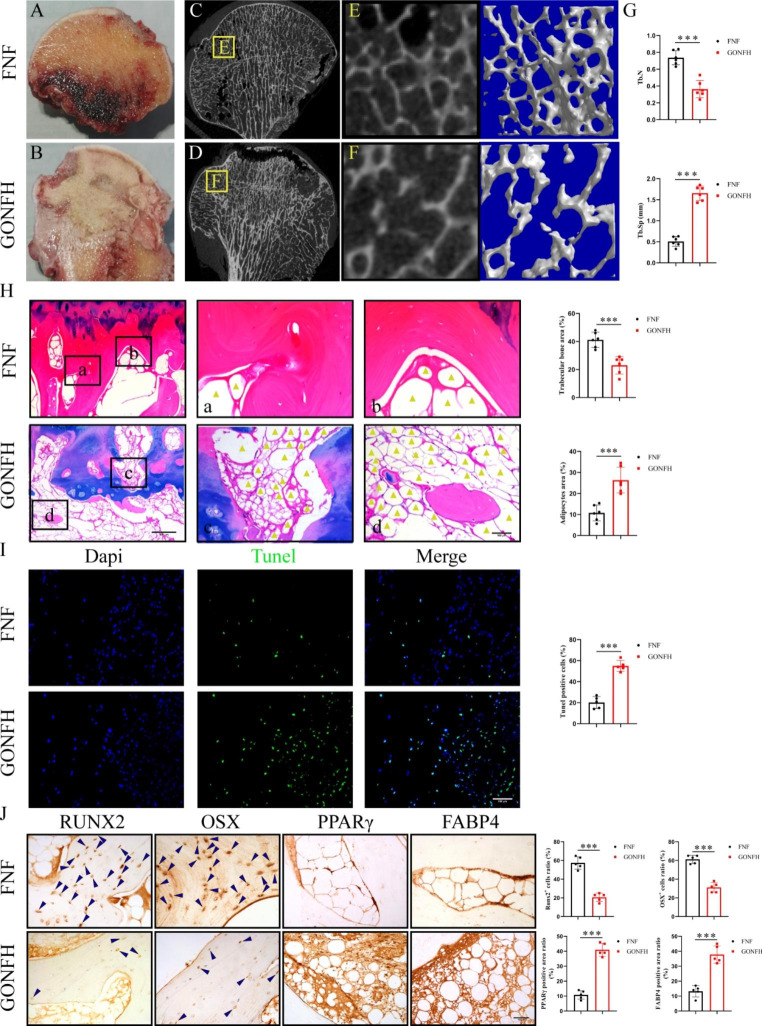
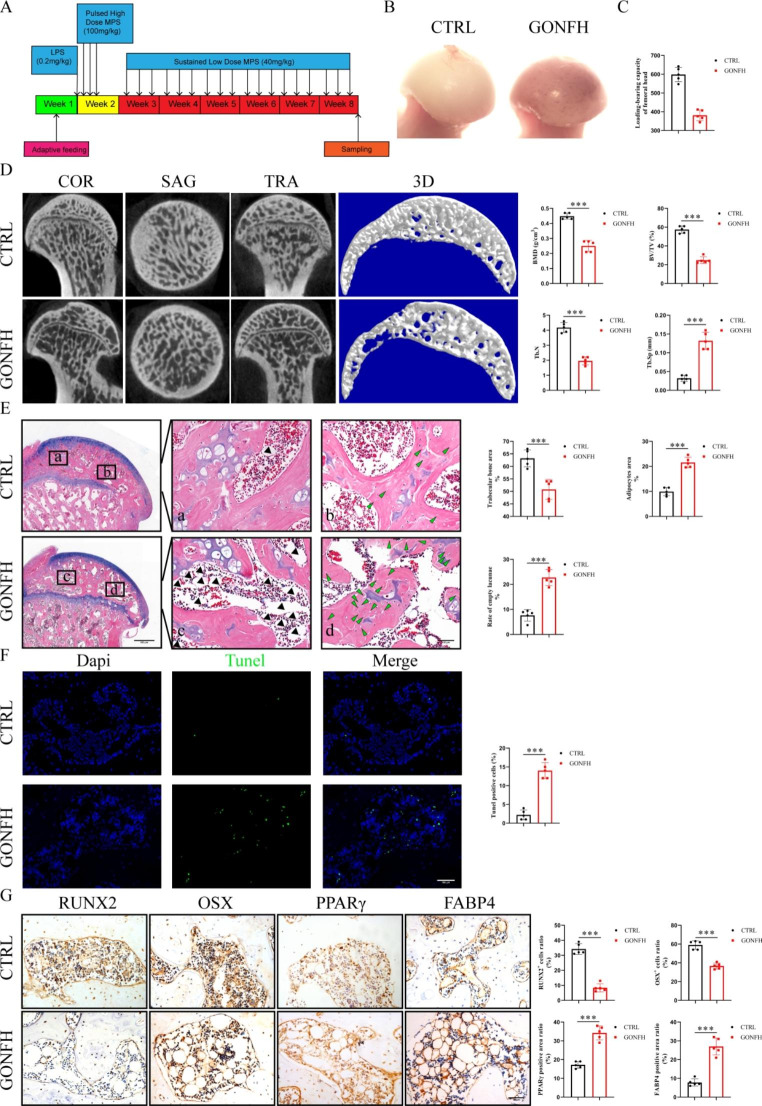
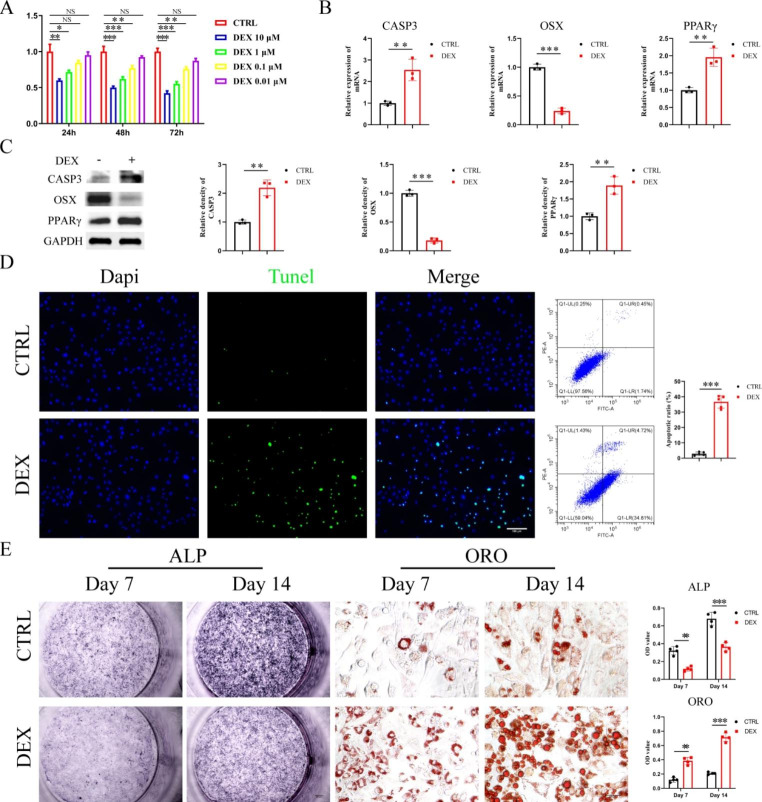
Radiographical (µCT) scanning, histopathological, immunohistochemical, reactive oxygen species (ROS) and tunel staining were conducted on GONFH patients and rats. ROS, tunel, flow cytometry, alkaline phosphatase, Oil red O staining, reverse transcription‑quantitative PCR and western blotting were applied to elucidate the exact pathogenesis mechanism.
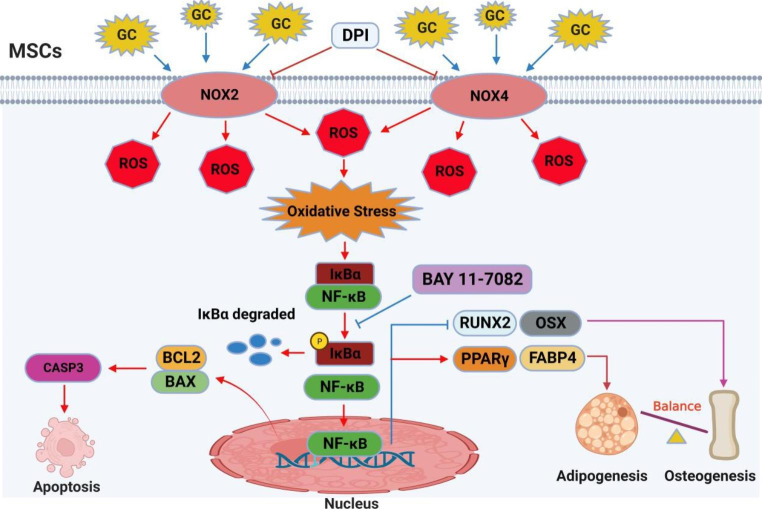
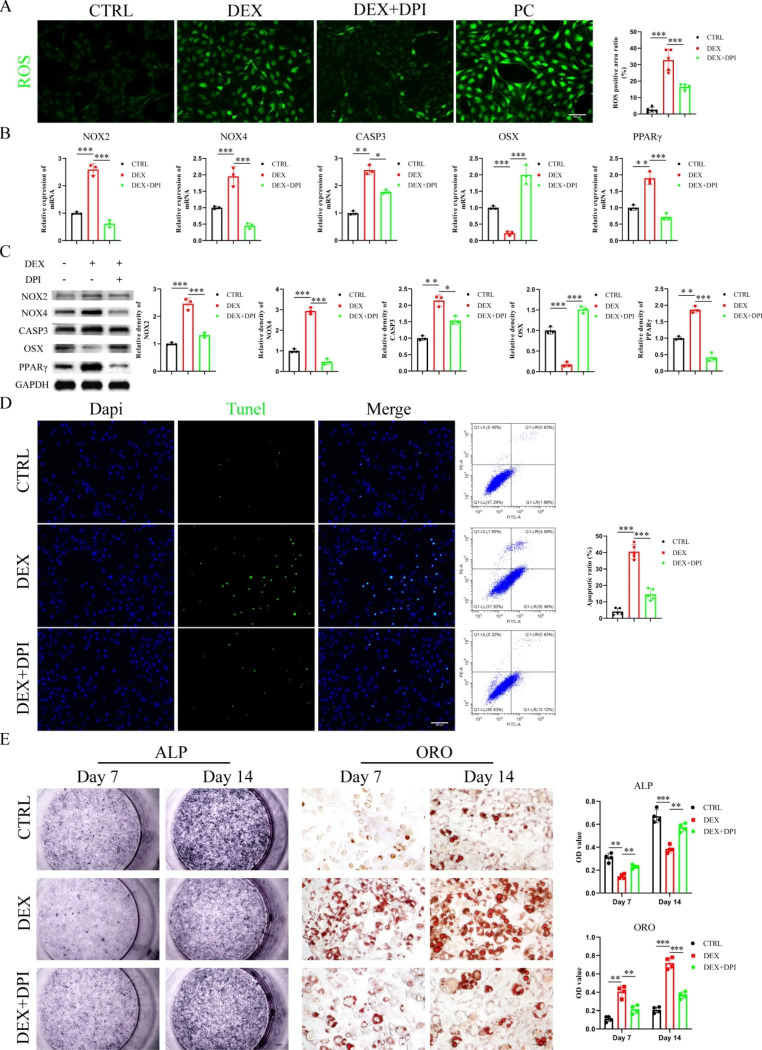
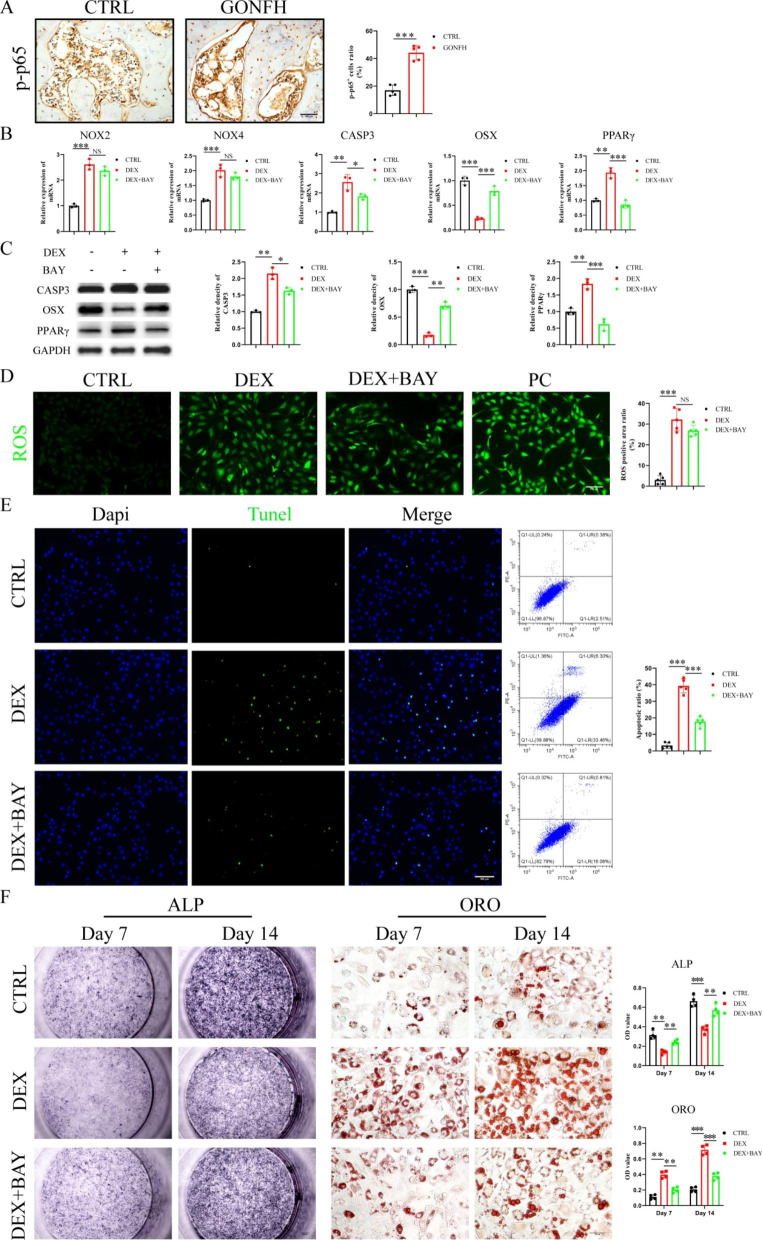
Clinical and animal studies demonstrated increased levels of ROS, aggravated oxidative stress (OS) microenvironment, augmented apoptosis and imbalance in osteogenic/lipogenic in the GONFH group compared to the control group. The fate of mesenchymal stem cells (MSCs) directed by GCs is a crucial factor in determining GONFH. In vitro studies further revealed that GCs promote excessive ROS production through the expression of NOX family proteins, leading to a deterioration of the OS microenvironment in MSCs, ultimately resulting in apoptosis and imbalance in osteogenic/lipogenic differentiation. Furthermore, our results confirmed that the NOX inhibitor-diphenyleneiodonium chloride and the NF-κB inhibitor-BAY 11-7082 ameliorated apoptosis and osteogenic/lipogenic differentiation imbalance of MSCs induced by an excess of GCs.
We demonstrated for the first time that the aggravation of the OS microenvironment in MSCs caused by high doses of GCs leading to apoptosis and differentiation imbalance is a crucial factor in the pathogenesis of GONFH, mediated through activating the NOX/ROS/NF-κB signaling pathway.
本研究旨在探讨糖皮质激素(GCs)诱导性股骨头坏死(GONFH)的发病因素及其体内、体外发病机制。
对 GONFH 患者和大鼠进行影像学(µCT)扫描、组织病理学、免疫组织化学、活性氧(ROS)和 TUNEL 染色。应用 ROS、TUNEL、流式细胞术、碱性磷酸酶、油红 O 染色、逆转录-定量 PCR 和 Western blot 阐明确切的发病机制。
临床和动物研究表明,与对照组相比,GONFH 组 ROS 水平升高,氧化应激(OS)微环境加重,细胞凋亡增加,成脂分化失衡。GCs 对间充质干细胞(MSCs)命运的定向是决定 GONFH 的关键因素。体外研究进一步表明,GCs 通过 NOX 家族蛋白的表达促进过量 ROS 的产生,导致 MSC 中 OS 微环境恶化,最终导致细胞凋亡和成脂分化失衡。此外,我们的结果证实,NOX 抑制剂二苯乙烯碘化物和 NF-κB 抑制剂 BAY 11-7082 改善了 GCs 诱导的 MSC 凋亡和成脂分化失衡。
我们首次证明,GCs 诱导的 MSC 中 OS 微环境的加重导致细胞凋亡和分化失衡是 GONFH 发病机制的关键因素,其通过激活 NOX/ROS/NF-κB 信号通路介导。