Department of Earth, Atmospheric and Planetary Sciences, Massachusetts Institute of Technology, Cambridge, MA 02139.
Department of Physics, Massachusetts Institute of Technology, Cambridge, MA 02139.
Proc Natl Acad Sci U S A. 2023 Jun 20;120(25):e2220007120. doi: 10.1073/pnas.2220007120. Epub 2023 Jun 12.
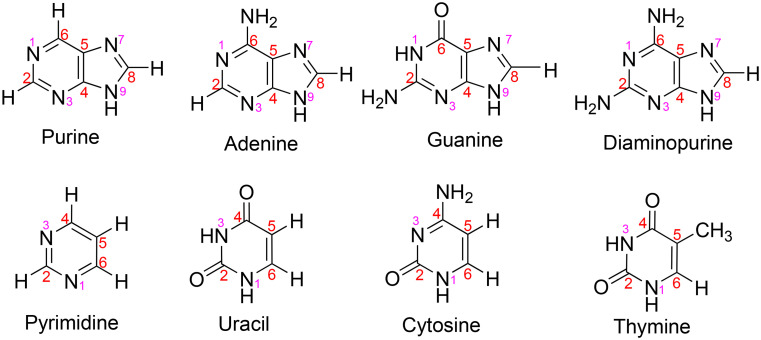
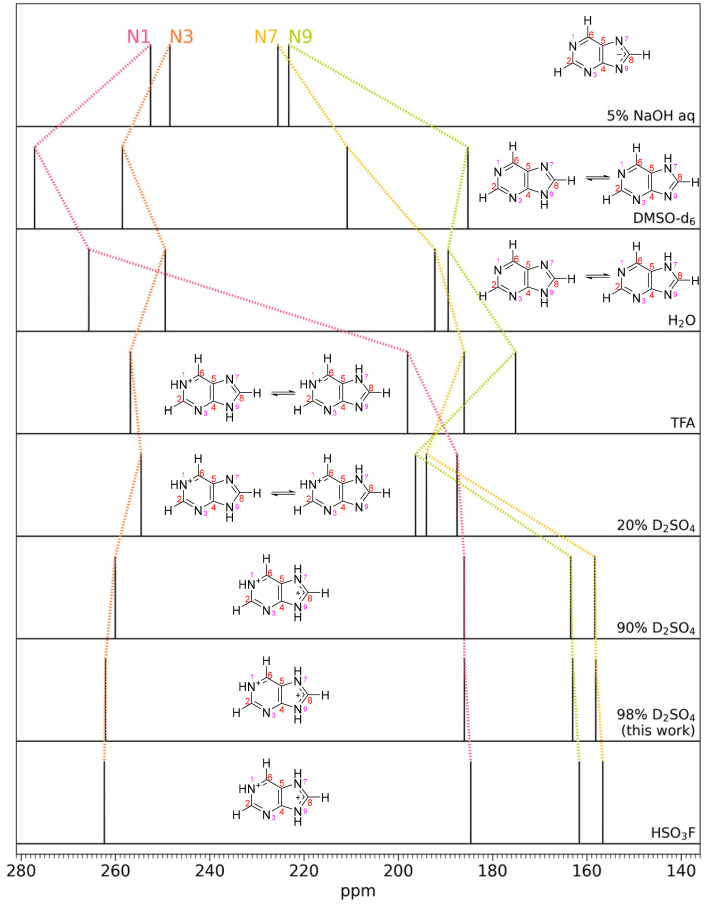
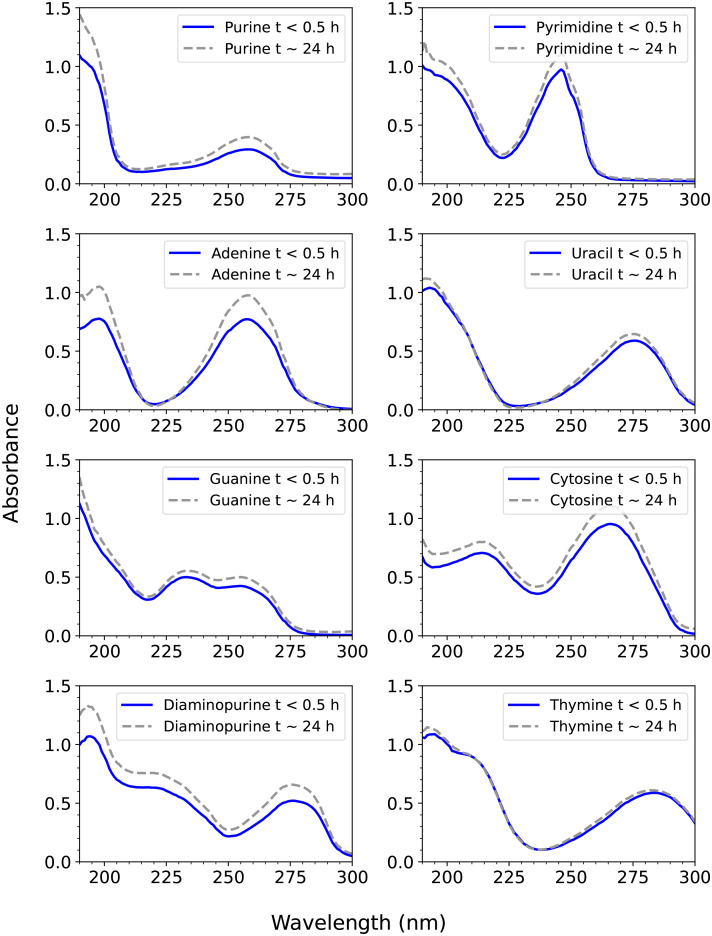
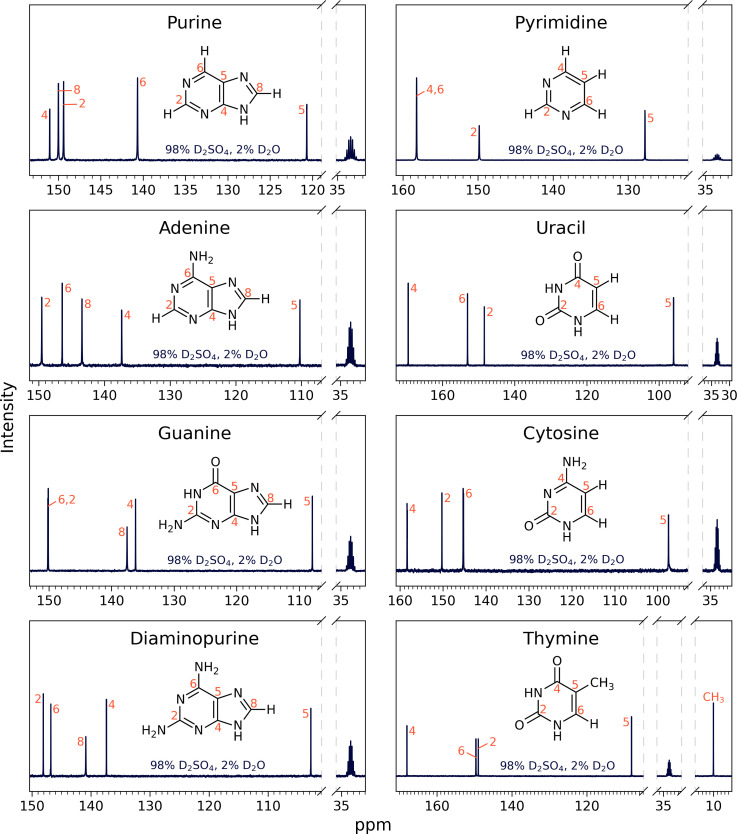
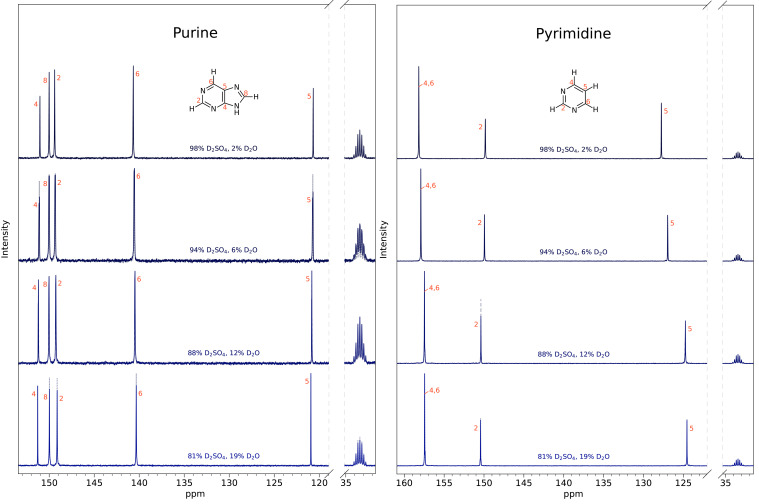
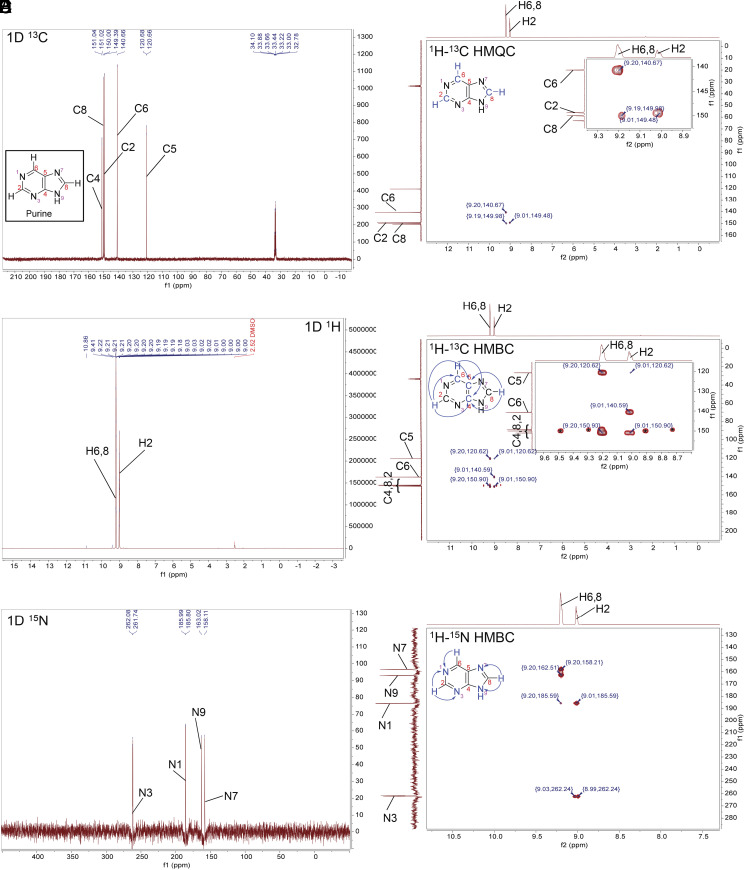
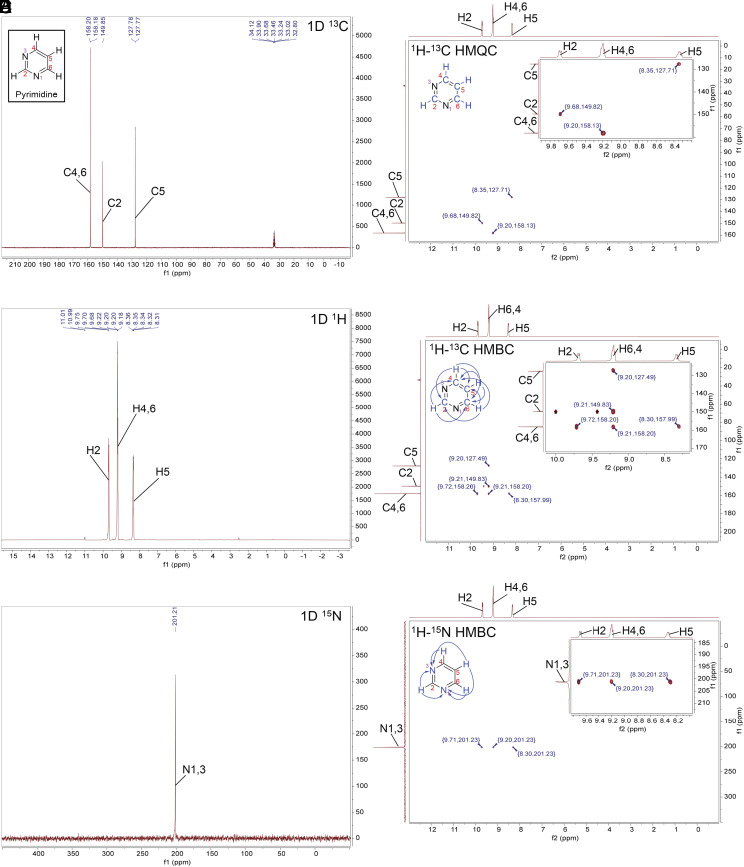
What constitutes a habitable planet is a frontier to be explored and requires pushing the boundaries of our terracentric viewpoint for what we deem to be a habitable environment. Despite Venus' 700 K surface temperature being too hot for any plausible solvent and most organic covalent chemistry, Venus' cloud-filled atmosphere layers at 48 to 60 km above the surface hold the main requirements for life: suitable temperatures for covalent bonds; an energy source (sunlight); and a liquid solvent. Yet, the Venus clouds are widely thought to be incapable of supporting life because the droplets are composed of concentrated liquid sulfuric acid-an aggressive solvent that is assumed to rapidly destroy most biochemicals of life on Earth. Recent work, however, demonstrates that a rich organic chemistry can evolve from simple precursor molecules seeded into concentrated sulfuric acid, a result that is corroborated by domain knowledge in industry that such chemistry leads to complex molecules, including aromatics. We aim to expand the set of molecules known to be stable in concentrated sulfuric acid. Here, we show that nucleic acid bases adenine, cytosine, guanine, thymine, and uracil, as well as 2,6-diaminopurine and the "core" nucleic acid bases purine and pyrimidine, are stable in sulfuric acid in the Venus cloud temperature and sulfuric acid concentration range, using UV spectroscopy and combinations of 1D and 2D H C N NMR spectroscopy. The stability of nucleic acid bases in concentrated sulfuric acid advances the idea that chemistry to support life may exist in the Venus cloud particle environment.
什么样的行星才算宜居,这是一个有待探索的前沿领域,需要突破我们以地球为中心的观点,去思考什么才是宜居环境。尽管金星表面温度高达 700K,对于任何合理的溶剂和大多数有机共价化学物质来说都太热了,但金星表面以上 48 至 60 公里的云层充满了生命的主要需求:适合共价键的温度;能源(阳光);以及液态溶剂。然而,金星云层普遍被认为无法支持生命,因为这些液滴由浓缩的硫酸组成,这种腐蚀性溶剂被认为会迅速破坏地球上大多数生命的生物化学物质。然而,最近的研究表明,从简单的前体分子中可以衍生出丰富的有机化学物质,这些分子被播种到浓缩的硫酸中。这一结果得到了工业界的专业知识的证实,即这种化学物质会导致复杂的分子,包括芳烃。我们旨在扩大已知在浓硫酸中稳定的分子集合。在这里,我们通过紫外光谱和一维和二维 HC NMR 光谱的组合,表明在金星云层温度和硫酸浓度范围内,腺嘌呤、胞嘧啶、鸟嘌呤、胸腺嘧啶和尿嘧啶等核酸碱基,以及 2,6-二氨基嘌呤和核酸碱基嘌呤和嘧啶的“核心”,在硫酸中是稳定的。核酸碱基在浓硫酸中的稳定性为生命支持化学物质可能存在于金星云层粒子环境的想法提供了依据。