Te Ārai Palliative & End of Life Research Group, School of Nursing University of Auckland , Private Bag 92019, Auckland, 1142, New Zealand.
Paramedicine Research Unit, Auckland University of Technology, Auckland, New Zealand.
BMC Emerg Med. 2023 Jun 14;23(1):68. doi: 10.1186/s12873-023-00829-3.
Emergency ambulance personnel respond to a variety of incidents in the community, including medical, trauma and obstetric emergencies. Family and bystanders present on scene may provide first aid, reassurance, background information or even act as proxy decision-makers. For most people, involvement in any event requiring an emergency ambulance response is a stressful and salient experience. The aim of this scoping review is to identify and synthesise all published, peer-reviewed research describing family and bystanders' experiences of emergency ambulance care.
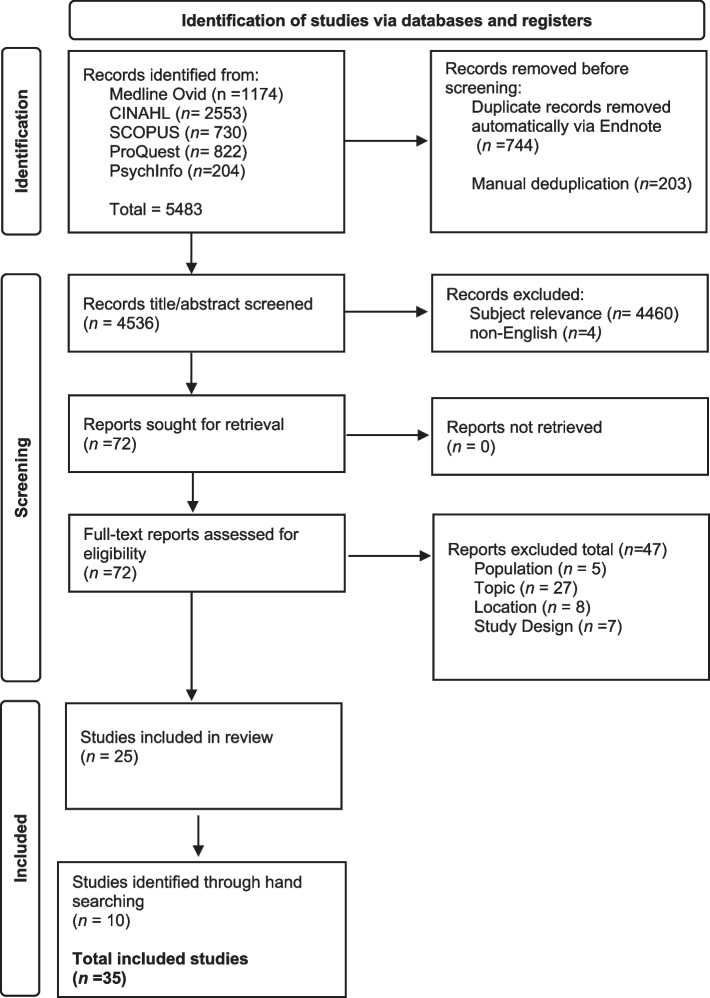
This scoping review included peer-reviewed studies that reported on family or bystander experiences where emergency ambulance services responded. Five databases were searched in May 2022: Medline, CINAHL, Scopus, ProQuest Dissertation & Theses and PsycINFO. After de-duplication and title and abstract screening, 72 articles were reviewed in full by two authors for inclusion. Data analysis was completed using thematic synthesis.
Thirty-five articles reporting heterogeneous research designs were included in this review (Qualitative = 21, Quantitative = 2, Mixed methods = 10, Evidence synthesis = 2). Thematic synthesis developed five key themes characterising family member and bystander experiences. In an emergency event, family members and bystanders described chaotic and unreal scenes and emotional extremes of hope and hopelessness. Communication with emergency ambulance personnel played a key role in family member and bystander experience both during and after an emergency event. It is particularly important to family members that they are present during emergencies not just as witnesses but as partners in decision-making. In the event of a death, family and bystanders want access to psychological post-event support.
By incorporating patient and family-centred care into practice emergency ambulance personnel can influence the experience of family members and bystanders during emergency ambulance responses. More research is needed to explore the needs of diverse populations, particularly regarding differences in cultural and family paradigms as current research reports the experiences of westernised nuclear family experiences.
急救人员在社区中应对各种事件,包括医疗、创伤和产科紧急情况。现场的家属和旁观者可能会提供急救、安慰、背景信息,甚至充当代理决策者。对于大多数人来说,参与任何需要紧急救护车响应的事件都是一种紧张和突出的体验。本范围综述的目的是确定和综合所有已发表的、同行评议的研究,描述家属和旁观者在紧急救护车护理方面的体验。
本范围综述包括报告紧急救护车服务响应的家属或旁观者体验的同行评议研究。在 2022 年 5 月,我们在五个数据库中进行了搜索:Medline、CINAHL、Scopus、ProQuest Dissertation & Theses 和 PsycINFO。经过去重和标题与摘要筛选后,两名作者对 72 篇全文进行了审查,以确定是否纳入。使用主题合成进行数据分析。
本综述共纳入 35 篇报告不同研究设计的文章(定性研究=21 篇,定量研究=2 篇,混合方法研究=10 篇,证据综合研究=2 篇)。主题合成确定了五个关键主题,这些主题描述了家属和旁观者的体验特征。在紧急事件中,家属和旁观者描述了混乱和不真实的场景,以及希望和绝望的情绪极端。与紧急救护车人员的沟通在紧急事件期间和之后对家属和旁观者的体验都起着关键作用。对于家属来说,他们不仅希望作为目击者,而且希望作为决策伙伴参与紧急事件,这一点尤为重要。在发生死亡的情况下,家属和旁观者希望获得事后心理支持。
通过将以患者和家庭为中心的护理纳入实践,紧急救护车人员可以影响家属和旁观者在紧急救护车响应期间的体验。需要更多的研究来探索不同人群的需求,特别是在文化和家庭模式方面的差异,因为目前的研究报告了西方化核心家庭体验的经验。