CIC bioGUNE, Derio, Spain.
VIVEbiotech, Donostia, Spain.
Nat Struct Mol Biol. 2023 Jul;30(7):958-969. doi: 10.1038/s41594-023-01014-7. Epub 2023 Jun 15.
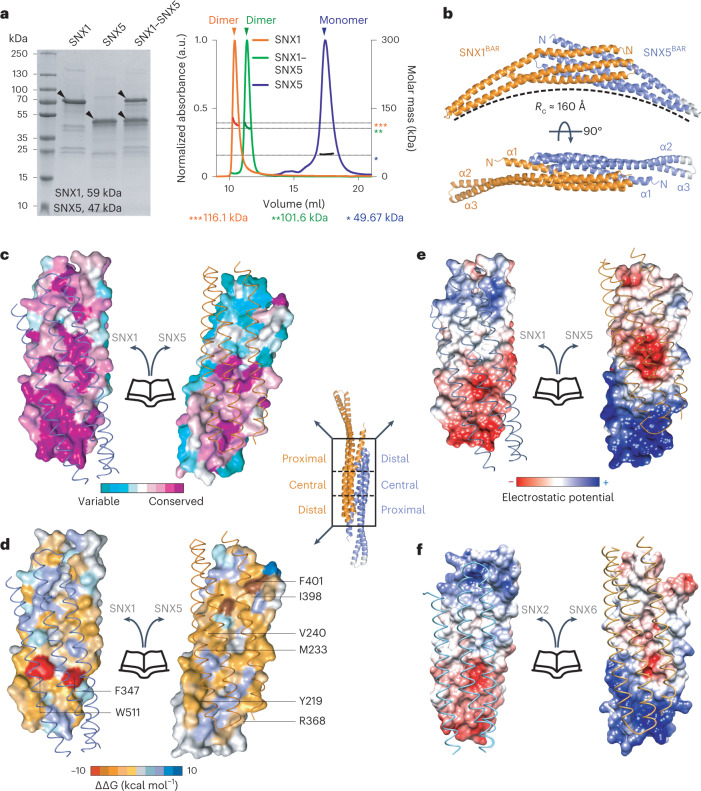
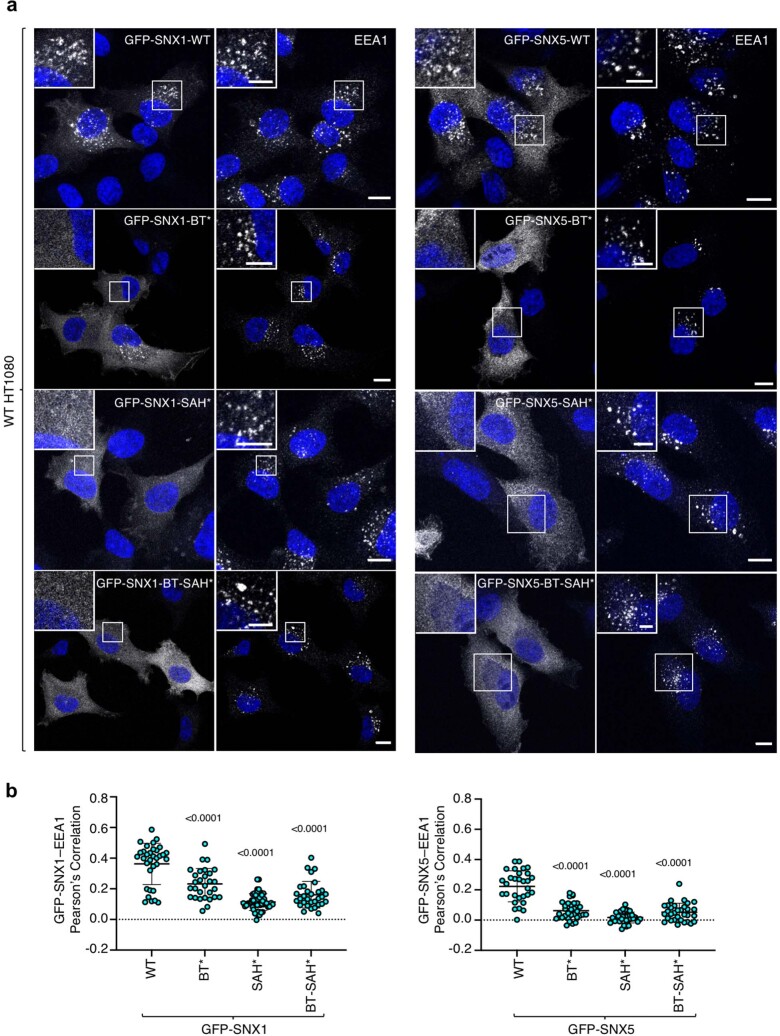
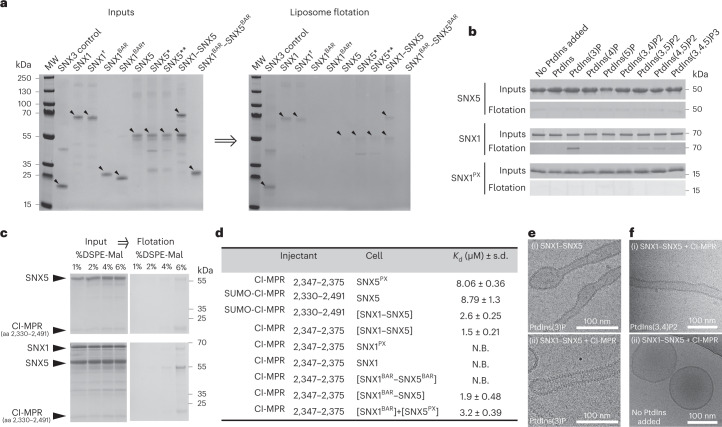
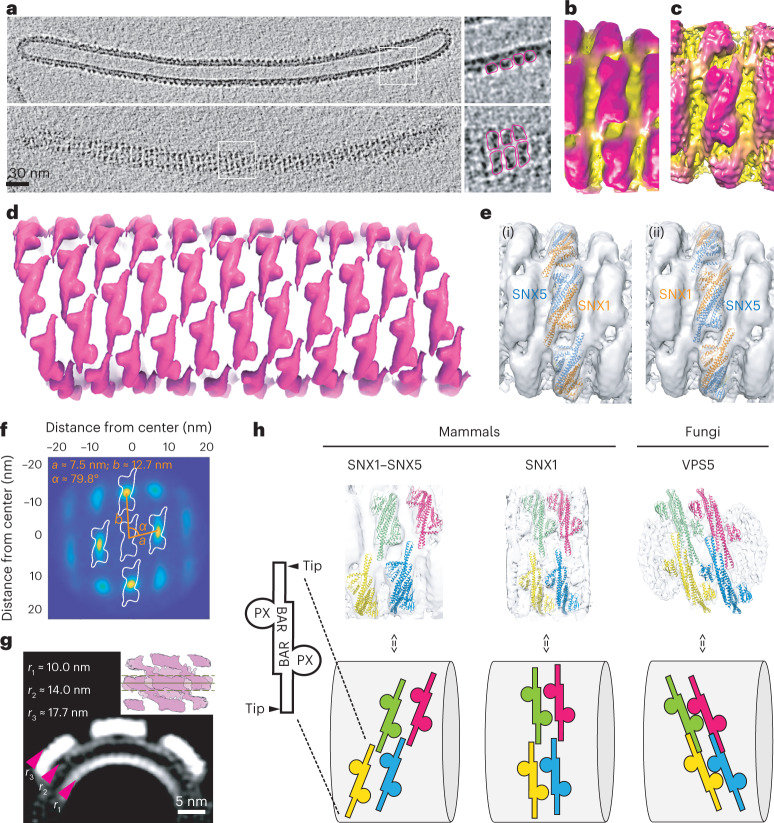
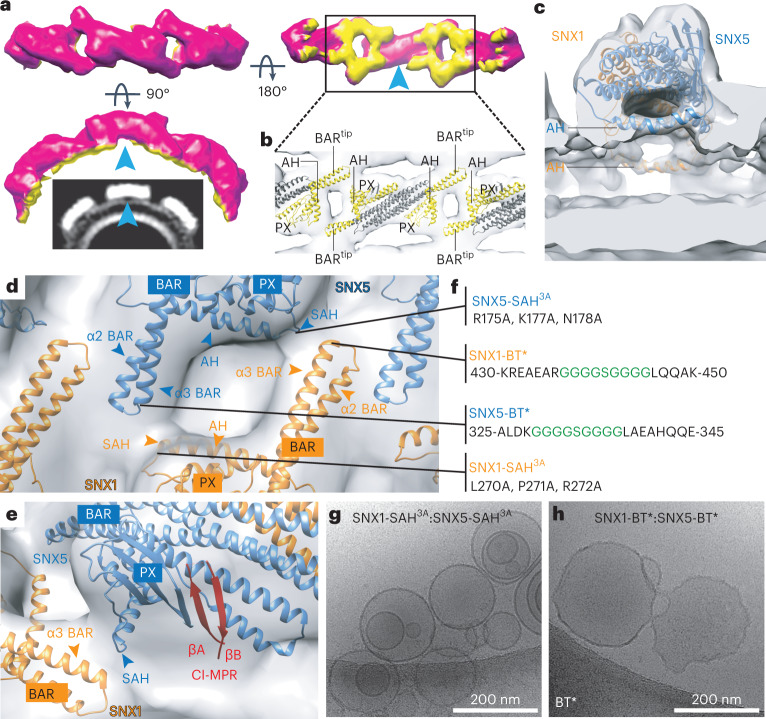
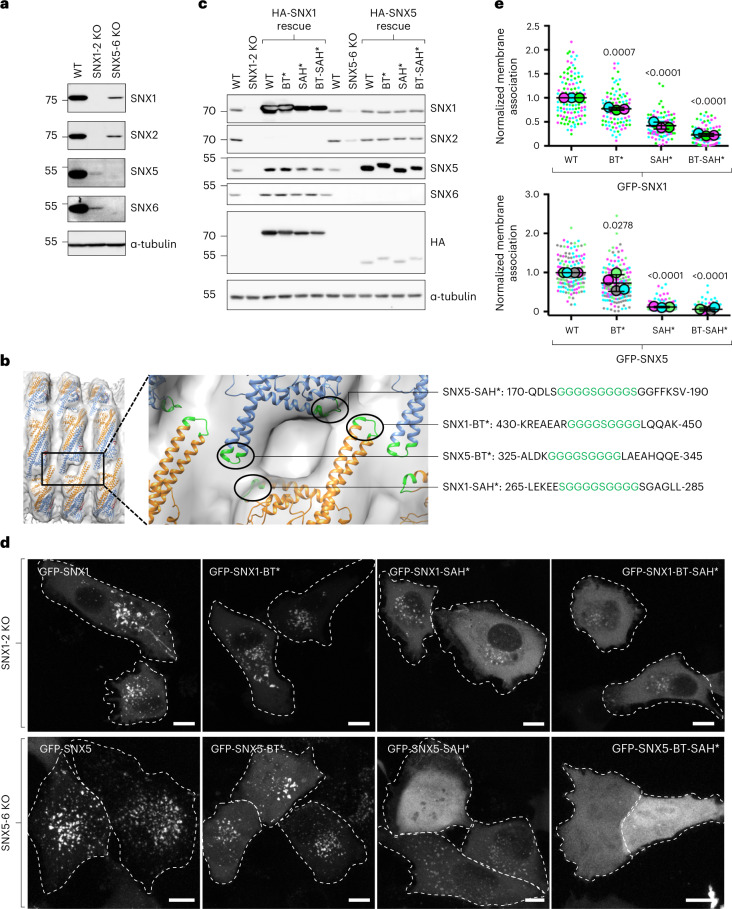
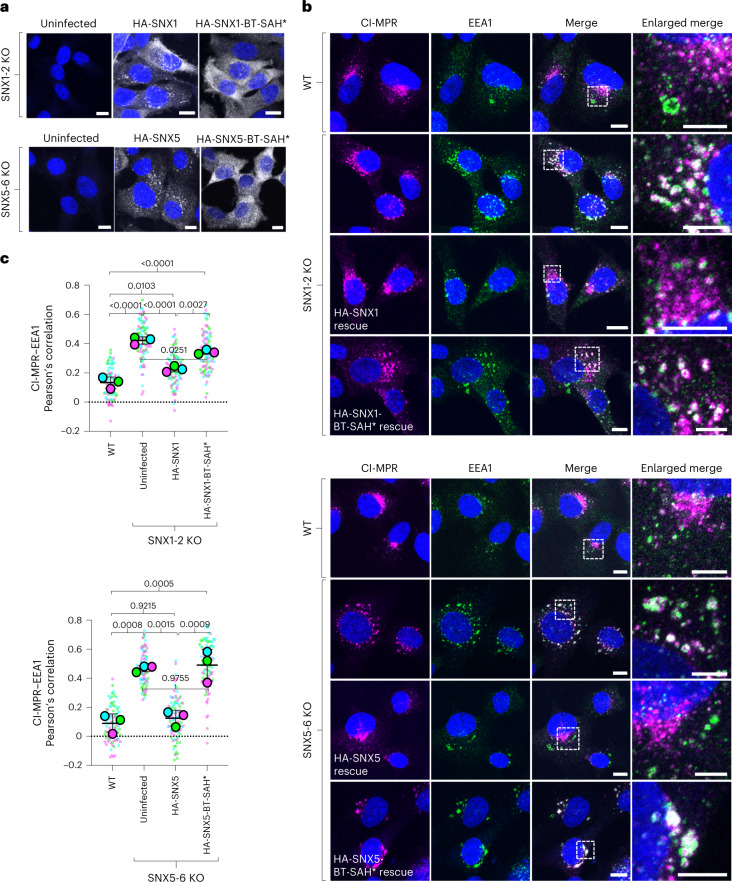
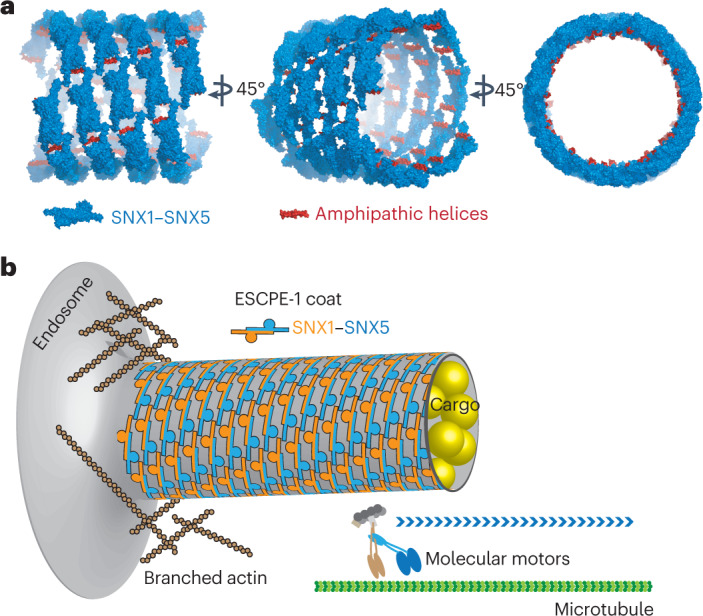
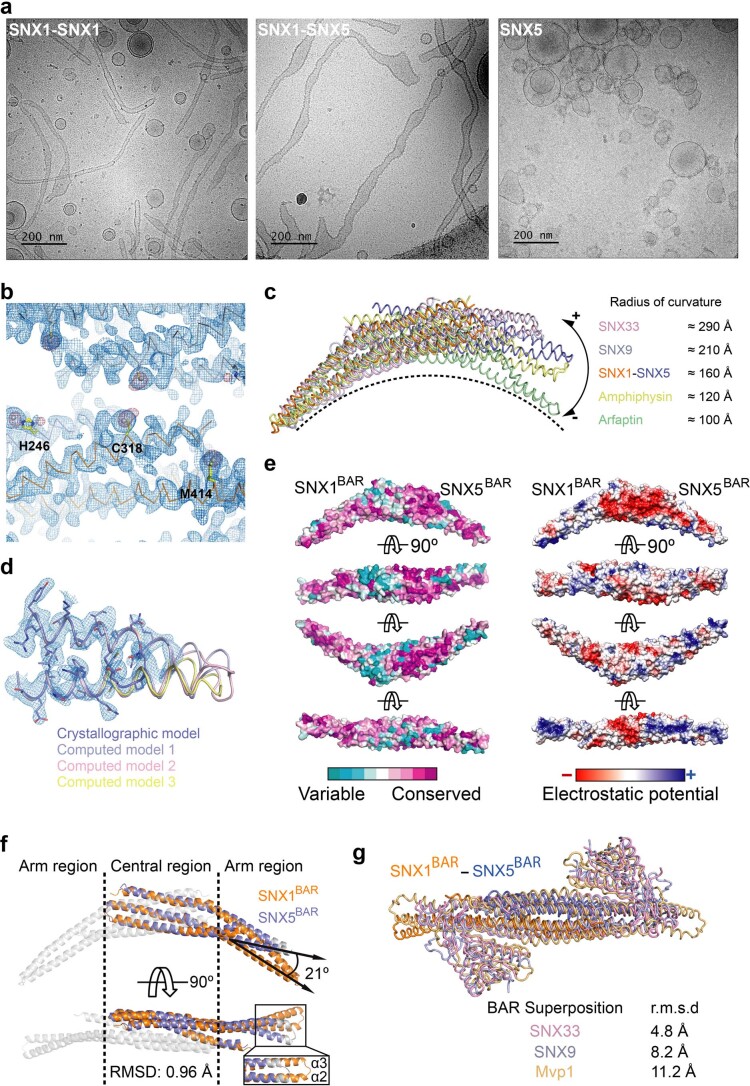
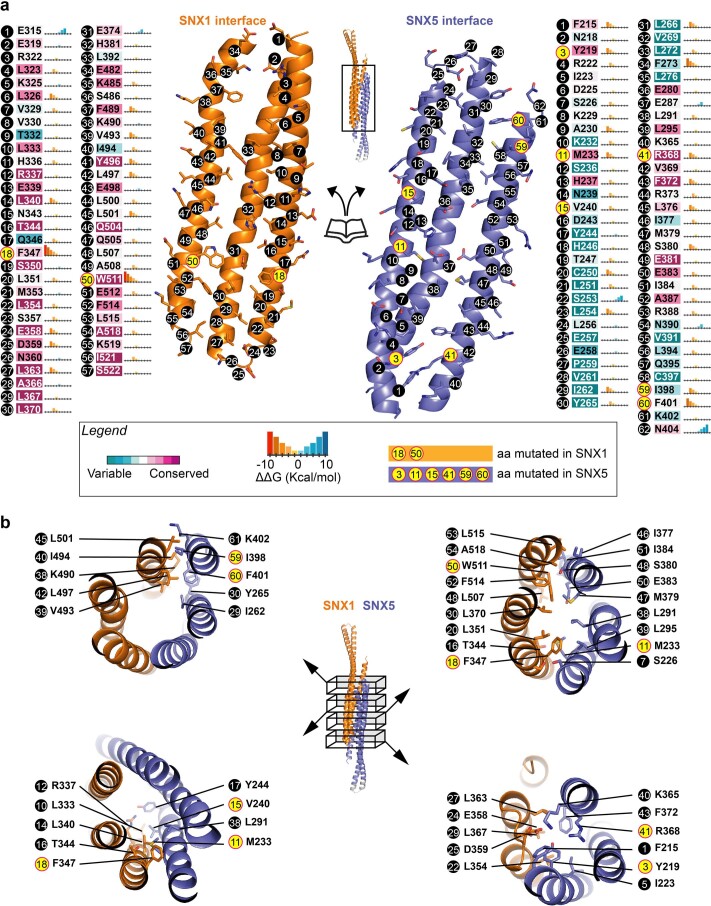
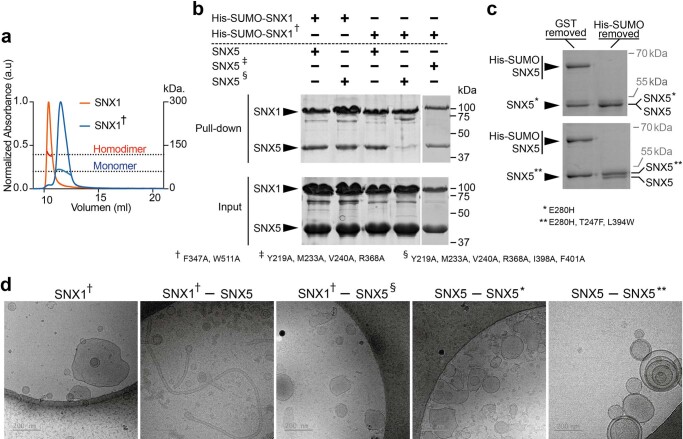
Recycling of membrane proteins enables the reuse of receptors, ion channels and transporters. A key component of the recycling machinery is the endosomal sorting complex for promoting exit 1 (ESCPE-1), which rescues transmembrane proteins from the endolysosomal pathway for transport to the trans-Golgi network and the plasma membrane. This rescue entails the formation of recycling tubules through ESCPE-1 recruitment, cargo capture, coat assembly and membrane sculpting by mechanisms that remain largely unknown. Herein, we show that ESCPE-1 has a single-layer coat organization and suggest how synergistic interactions between ESCPE-1 protomers, phosphoinositides and cargo molecules result in a global arrangement of amphipathic helices to drive tubule formation. Our results thus define a key process of tubule-based endosomal sorting.
膜蛋白的回收利用使受体、离子通道和转运蛋白得以重复使用。回收机制的一个关键组成部分是促进外排 1(ESCPE-1)的内体分选复合物,它将跨膜蛋白从内体溶酶体途径中拯救出来,以便运输到反式高尔基体网络和质膜。这种挽救需要通过 ESCPE-1 的募集、货物捕获、外壳组装和通过机制进行的膜塑形来形成回收管,而这些机制在很大程度上仍然未知。在此,我们表明 ESCPE-1 具有单层外壳组织,并提出 ESCPE-1 原聚体、磷酸肌醇和货物分子之间的协同相互作用如何导致两性螺旋的整体排列,从而驱动管的形成。因此,我们的结果定义了基于管的内体分选的关键过程。