• 文献检索
  • 文档翻译
  • 深度研究
  • 学术资讯
  • Suppr Zotero 插件Zotero 插件
  • 邀请有礼
  • 套餐&价格
  • 历史记录
应用&插件
Suppr Zotero 插件Zotero 插件浏览器插件Mac 客户端Windows 客户端微信小程序
定价
高级版会员购买积分包购买API积分包
服务
文献检索文档翻译深度研究API 文档MCP 服务
关于我们
关于 Suppr公司介绍联系我们用户协议隐私条款
关注我们

Suppr 超能文献

核心技术专利:CN118964589B侵权必究
粤ICP备2023148730 号-1Suppr @ 2026

文献检索

告别复杂PubMed语法,用中文像聊天一样搜索,搜遍4000万医学文献。AI智能推荐,让科研检索更轻松。

立即免费搜索

文件翻译

保留排版,准确专业,支持PDF/Word/PPT等文件格式,支持 12+语言互译。

免费翻译文档

深度研究

AI帮你快速写综述,25分钟生成高质量综述,智能提取关键信息,辅助科研写作。

立即免费体验

分析大学生感知到的心理和社会压力:一种机器学习方法。

Analyzing Perceived Psychological and Social Stress of University Students: A Machine Learning Approach.

作者信息

Ratul Ishrak Jahan, Nishat Mirza Muntasir, Faisal Fahim, Sultana Sadia, Ahmed Ashik, Al Mamun Md Abdullah

机构信息

Department of EEE, Islamic University of Technology, Gazipur, Bangladesh.

Department of TVE, Islamic University of Technology, Gazipur, Bangladesh.

出版信息

Heliyon. 2023 Jun;9(6):e17307. doi: 10.1016/j.heliyon.2023.e17307. Epub 2023 Jun 15.

DOI:10.1016/j.heliyon.2023.e17307
PMID:37332920
原文链接:https://pmc.ncbi.nlm.nih.gov/articles/PMC10266890/
Abstract

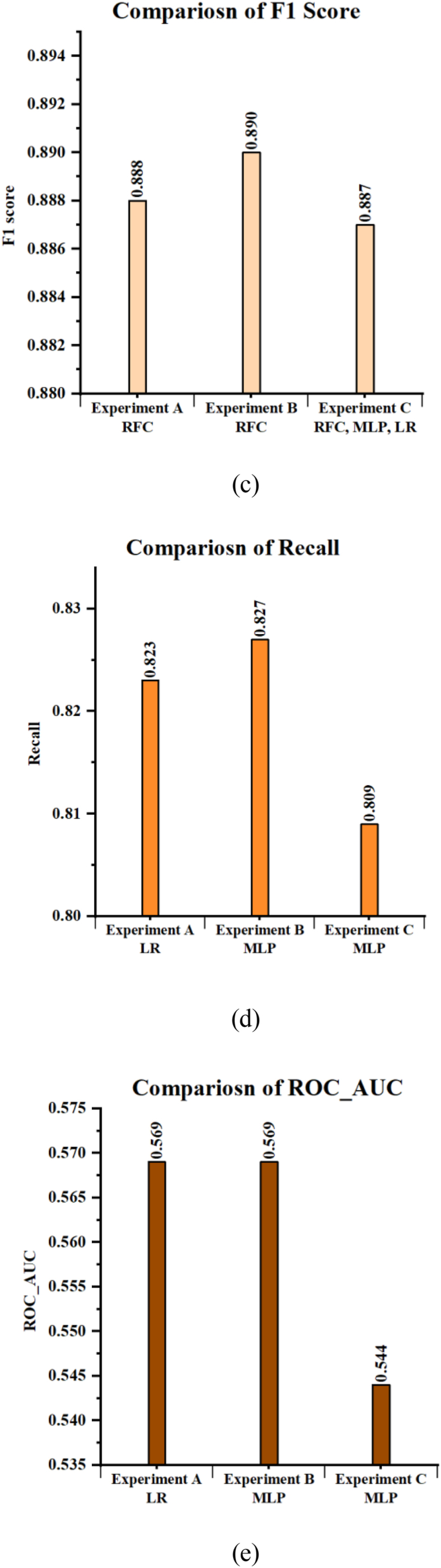
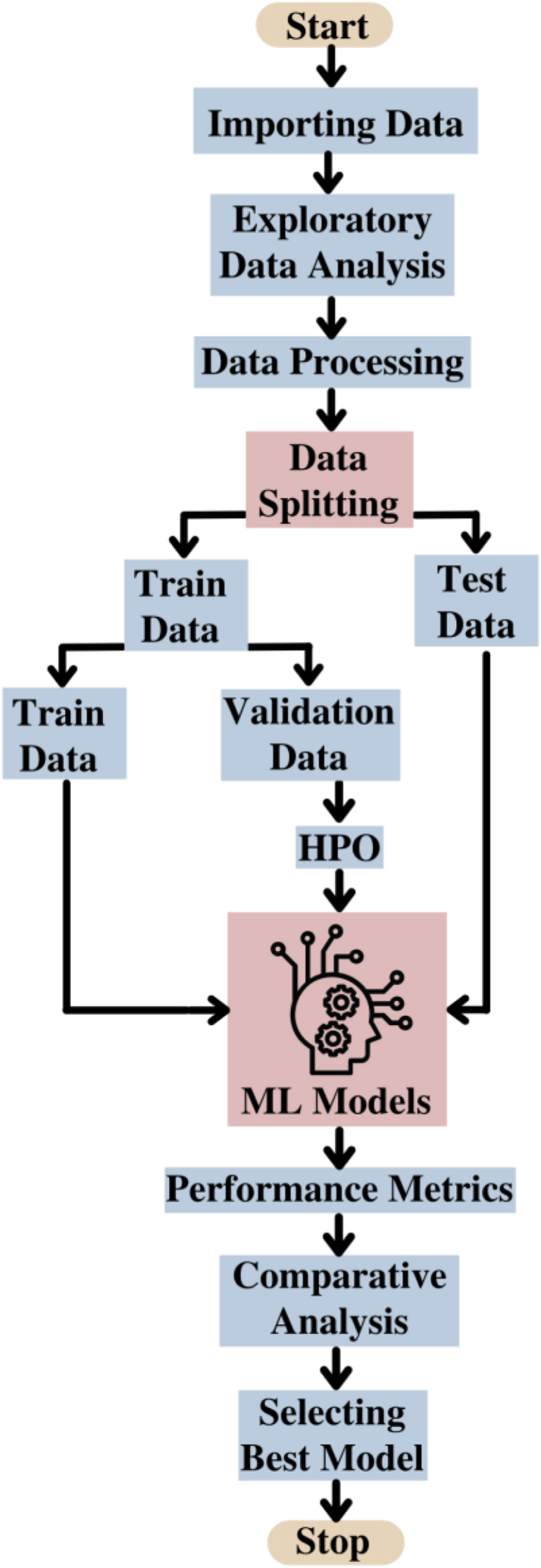
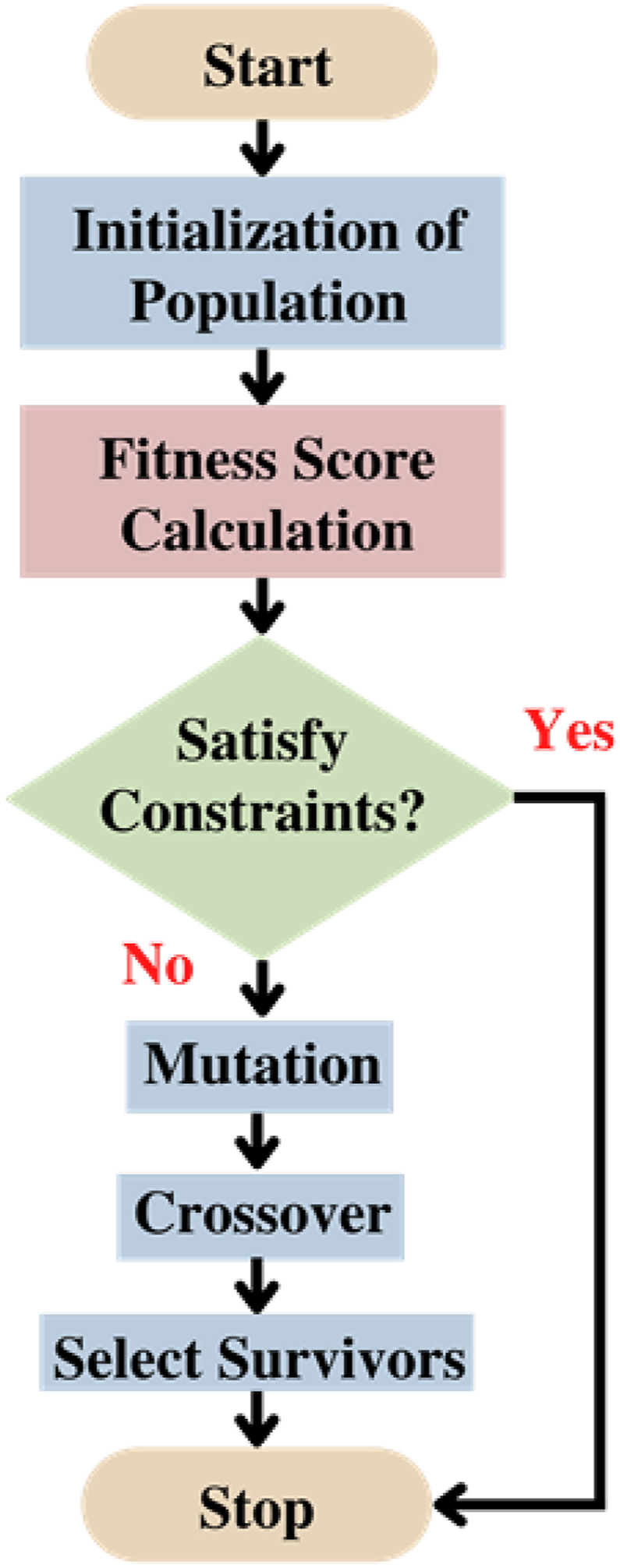
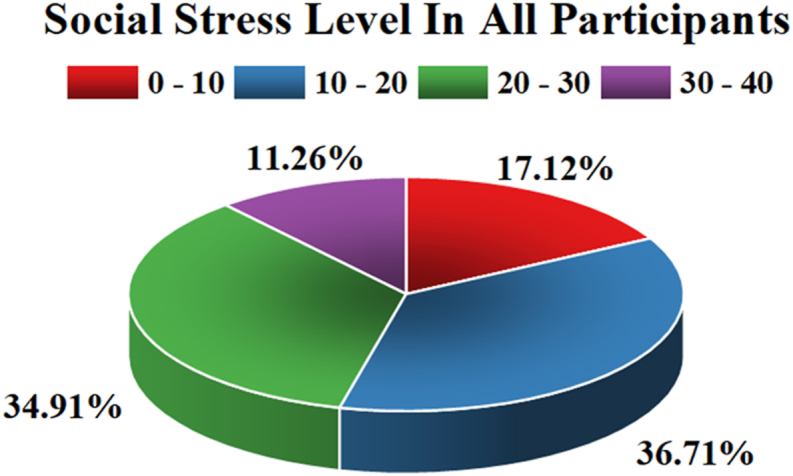
The COVID-19 pandemic has worsened the psychological and social stress levels of university students due to physical illness, enhanced dependence on mobile devices and internet, a lack of social activities, and home confinement. Therefore, early stress detection is crucial for their successful academic performance and mental well-being. The advent of machine learning (ML)-based prediction models can have a crucial impact in predicting stress at its early stages and taking necessary steps for the well-being of individuals. This study aims to develop a reliable machine learning-based prediction model for perceived stress prediction and validate the model using real-world data collected through an online survey among 444 university students from different ethnicity. The machine learning models were built using supervised machine learning algorithms. Principal Component Analysis (PCA) and the chi-squared test were employed as feature reduction techniques. Moreover, Grid Search Cross-Validation (GSCV) and Genetic Algorithm (GA) were employed for hyperparameter optimization (HPO). According to the findings, around 11.26% of individuals were identified with high levels of social stress. In comparison, approximately 24.10% of people were found to be suffering from extremely high psychological stress, which is quite alarming for students' mental health. Furthermore, the prediction results of the ML models demonstrated the most remarkable accuracy (80.5%), precision (1.000), F1 score (0.890), and recall value (0.826). The Multilayer Perceptron model was shown to have the maximum accuracy when combined with PCA as a feature reduction approach and GSCV for HPO. The convenience sampling technique used in this study only considers self-reported data, which may have biased results and lack generalizability. Future research should consider a large sample of data and focus on tracking long-term impacts with coping strategies and interventions. The results of this study can be used to develop strategies to mitigate adverse effects of the overuse of mobile devices and promote student well-being during pandemics and other stressful situations.

摘要

新冠疫情因身体疾病、对移动设备和互联网的依赖性增强、缺乏社交活动以及居家隔离等因素,加剧了大学生的心理和社会压力水平。因此,早期压力检测对于他们学业的成功以及心理健康至关重要。基于机器学习(ML)的预测模型的出现,对于在早期阶段预测压力并采取必要措施促进个人幸福安康可能会产生至关重要的影响。本研究旨在开发一个可靠的基于机器学习的感知压力预测模型,并使用通过对来自不同种族的444名大学生进行在线调查收集的真实世界数据对该模型进行验证。机器学习模型是使用监督机器学习算法构建的。主成分分析(PCA)和卡方检验被用作特征约简技术。此外,网格搜索交叉验证(GSCV)和遗传算法(GA)被用于超参数优化(HPO)。根据研究结果,约11.26%的个体被确定为具有高水平的社会压力。相比之下,约24.10%的人被发现患有极高的心理压力,这对学生的心理健康相当令人担忧。此外,ML模型的预测结果显示出最显著的准确率(80.5%)、精确率(1.000)、F1分数(0.890)和召回值(0.826)。当多层感知器模型与作为特征约简方法的PCA以及用于HPO的GSCV相结合时,显示出最高的准确率。本研究中使用的便利抽样技术仅考虑自我报告的数据,这可能会导致结果有偏差且缺乏普遍性。未来的研究应考虑大量的数据样本,并专注于跟踪应对策略和干预措施的长期影响。本研究结果可用于制定策略,以减轻过度使用移动设备的不利影响,并在疫情及其他压力情况下促进学生的幸福安康。

https://cdn.ncbi.nlm.nih.gov/pmc/blobs/4c7d/10293729/43bb65085c31/gr12b.jpg
https://cdn.ncbi.nlm.nih.gov/pmc/blobs/4c7d/10293729/94089e58ad95/gr1.jpg
https://cdn.ncbi.nlm.nih.gov/pmc/blobs/4c7d/10293729/ee5d1d2bc683/gr2.jpg
https://cdn.ncbi.nlm.nih.gov/pmc/blobs/4c7d/10293729/0732bdf8e93d/gr3.jpg
https://cdn.ncbi.nlm.nih.gov/pmc/blobs/4c7d/10293729/8f97ca1a892d/gr4.jpg
https://cdn.ncbi.nlm.nih.gov/pmc/blobs/4c7d/10293729/8b288823655f/gr5.jpg
https://cdn.ncbi.nlm.nih.gov/pmc/blobs/4c7d/10293729/dba98d3490a6/gr6.jpg
https://cdn.ncbi.nlm.nih.gov/pmc/blobs/4c7d/10293729/b2a631fa97ea/gr7.jpg
https://cdn.ncbi.nlm.nih.gov/pmc/blobs/4c7d/10293729/7dd08eb4c5f1/gr8.jpg
https://cdn.ncbi.nlm.nih.gov/pmc/blobs/4c7d/10293729/7945762fb739/gr9a.jpg
https://cdn.ncbi.nlm.nih.gov/pmc/blobs/4c7d/10293729/a0379d587f3e/gr9b.jpg
https://cdn.ncbi.nlm.nih.gov/pmc/blobs/4c7d/10293729/975331aaffca/gr10a.jpg
https://cdn.ncbi.nlm.nih.gov/pmc/blobs/4c7d/10293729/f65a1dee68db/gr10b.jpg
https://cdn.ncbi.nlm.nih.gov/pmc/blobs/4c7d/10293729/7981c8b7eb86/gr11.jpg
https://cdn.ncbi.nlm.nih.gov/pmc/blobs/4c7d/10293729/c6f939385cb0/gr12a.jpg
https://cdn.ncbi.nlm.nih.gov/pmc/blobs/4c7d/10293729/43bb65085c31/gr12b.jpg
https://cdn.ncbi.nlm.nih.gov/pmc/blobs/4c7d/10293729/94089e58ad95/gr1.jpg
https://cdn.ncbi.nlm.nih.gov/pmc/blobs/4c7d/10293729/ee5d1d2bc683/gr2.jpg
https://cdn.ncbi.nlm.nih.gov/pmc/blobs/4c7d/10293729/0732bdf8e93d/gr3.jpg
https://cdn.ncbi.nlm.nih.gov/pmc/blobs/4c7d/10293729/8f97ca1a892d/gr4.jpg
https://cdn.ncbi.nlm.nih.gov/pmc/blobs/4c7d/10293729/8b288823655f/gr5.jpg
https://cdn.ncbi.nlm.nih.gov/pmc/blobs/4c7d/10293729/dba98d3490a6/gr6.jpg
https://cdn.ncbi.nlm.nih.gov/pmc/blobs/4c7d/10293729/b2a631fa97ea/gr7.jpg
https://cdn.ncbi.nlm.nih.gov/pmc/blobs/4c7d/10293729/7dd08eb4c5f1/gr8.jpg
https://cdn.ncbi.nlm.nih.gov/pmc/blobs/4c7d/10293729/7945762fb739/gr9a.jpg
https://cdn.ncbi.nlm.nih.gov/pmc/blobs/4c7d/10293729/a0379d587f3e/gr9b.jpg
https://cdn.ncbi.nlm.nih.gov/pmc/blobs/4c7d/10293729/975331aaffca/gr10a.jpg
https://cdn.ncbi.nlm.nih.gov/pmc/blobs/4c7d/10293729/f65a1dee68db/gr10b.jpg
https://cdn.ncbi.nlm.nih.gov/pmc/blobs/4c7d/10293729/7981c8b7eb86/gr11.jpg
https://cdn.ncbi.nlm.nih.gov/pmc/blobs/4c7d/10293729/c6f939385cb0/gr12a.jpg
https://cdn.ncbi.nlm.nih.gov/pmc/blobs/4c7d/10293729/43bb65085c31/gr12b.jpg

相似文献

1
Analyzing Perceived Psychological and Social Stress of University Students: A Machine Learning Approach.分析大学生感知到的心理和社会压力:一种机器学习方法。
Heliyon. 2023 Jun;9(6):e17307. doi: 10.1016/j.heliyon.2023.e17307. Epub 2023 Jun 15.
2
Impact of mobile connectivity on students' wellbeing: Detecting learners' depression using machine learning algorithms.移动连接对学生幸福感的影响:使用机器学习算法检测学习者的抑郁。
PLoS One. 2023 Nov 27;18(11):e0294803. doi: 10.1371/journal.pone.0294803. eCollection 2023.
3
Mental health, learning behaviour and perceived fatigue among university students during the COVID-19 outbreak: a cross-sectional multicentric study in the UAE.新冠肺炎疫情期间阿联酋大学生的心理健康、学习行为和疲劳感知:一项跨中心的横断面研究。
BMC Psychol. 2022 Mar 2;10(1):47. doi: 10.1186/s40359-022-00758-z.
4
Prevalence and predicting factors of perceived stress among Bangladeshi university students using machine learning algorithms.利用机器学习算法评估孟加拉国大学生感知压力的现状及预测因素。
J Health Popul Nutr. 2021 Nov 27;40(1):50. doi: 10.1186/s41043-021-00276-5.
5
How do you feel during the COVID-19 pandemic? A survey using psychological and linguistic self-report measures, and machine learning to investigate mental health, subjective experience, personality, and behaviour during the COVID-19 pandemic among university students.在 COVID-19 大流行期间你感觉如何?一项使用心理和语言自我报告测量以及机器学习的研究调查了 COVID-19 大流行期间大学生的心理健康、主观体验、个性和行为。
BMC Psychol. 2021 Jun 2;9(1):90. doi: 10.1186/s40359-021-00574-x.
6
Data-driven modeling and prediction of blood glucose dynamics: Machine learning applications in type 1 diabetes.基于数据驱动的血糖动力学建模与预测:机器学习在 1 型糖尿病中的应用。
Artif Intell Med. 2019 Jul;98:109-134. doi: 10.1016/j.artmed.2019.07.007. Epub 2019 Jul 26.
7
The impact of social support and stress on academic burnout among medical students in online learning: The mediating role of resilience.社会支持和压力对医学生在线学习中学业倦怠的影响:韧性的中介作用。
Front Public Health. 2022 Jul 22;10:938132. doi: 10.3389/fpubh.2022.938132. eCollection 2022.
8
Dynamic prediction of psychological treatment outcomes: development and validation of a prediction model using routinely collected symptom data.动态预测心理治疗结果:使用常规收集的症状数据开发和验证预测模型。
Lancet Digit Health. 2021 Apr;3(4):e231-e240. doi: 10.1016/S2589-7500(21)00018-2.
9
Utilizing grid search cross-validation with adaptive boosting for augmenting performance of machine learning models.利用网格搜索交叉验证和自适应增强来提高机器学习模型的性能。
PeerJ Comput Sci. 2022 Feb 21;8:e803. doi: 10.7717/peerj-cs.803. eCollection 2022.
10
Student adaptation to college and coping in relation to adjustment during COVID-19: A machine learning approach.学生对大学的适应和在 COVID-19 期间的应对与调整的关系:一种机器学习方法。
PLoS One. 2022 Dec 30;17(12):e0279711. doi: 10.1371/journal.pone.0279711. eCollection 2022.

引用本文的文献

1
An artificial intelligence tool to assess the risk of severe mental distress among college students in terms of demographics, eating habits, lifestyles, and sport habits: an externally validated study using machine learning.一种人工智能工具,用于根据人口统计学、饮食习惯、生活方式和运动习惯评估大学生严重精神困扰的风险:使用机器学习进行的外部验证研究。
BMC Psychiatry. 2024 Aug 27;24(1):581. doi: 10.1186/s12888-024-06017-2.

本文引用的文献

1
The Chinese Version of the Perceived Stress Questionnaire-13: Psychometric Properties and Measurement Invariance for Medical Students.中文版感知压力问卷-13:医学生的心理测量特性与测量不变性
Psychol Res Behav Manag. 2023 Jan 7;16:71-83. doi: 10.2147/PRBM.S385510. eCollection 2023.
2
Assessing medical students' perceived stress levels by comparing a chatbot-based approach to the Perceived Stress Questionnaire (PSQ20) in a mixed-methods study.在一项混合方法研究中,通过比较基于聊天机器人的方法与感知压力问卷(PSQ20)来评估医学生的感知压力水平。
Digit Health. 2022 Nov 22;8:20552076221139092. doi: 10.1177/20552076221139092. eCollection 2022 Jan-Dec.
3
Survival Prediction of Children Undergoing Hematopoietic Stem Cell Transplantation Using Different Machine Learning Classifiers by Performing Chi-Square Test and Hyperparameter Optimization: A Retrospective Analysis.
采用卡方检验和超参数优化的不同机器学习分类器对接受造血干细胞移植的儿童进行生存预测的回顾性分析。
Comput Math Methods Med. 2022 Sep 25;2022:9391136. doi: 10.1155/2022/9391136. eCollection 2022.
4
Predicting the Next-Day Perceived and Physiological Stress of Pregnant Women by Using Machine Learning and Explainability: Algorithm Development and Validation.利用机器学习和可解释性预测孕妇次日的感知和生理压力:算法开发和验证。
JMIR Mhealth Uhealth. 2022 Aug 2;10(8):e33850. doi: 10.2196/33850.
5
Cerebral Cortical Activity During Academic Stress Amongst Undergraduate Medical Students at Kampala International University (Uganda).乌干达坎帕拉国际大学本科医学生学业压力期间的大脑皮质活动
Front Psychiatry. 2022 Jun 10;13:551508. doi: 10.3389/fpsyt.2022.551508. eCollection 2022.
6
College student mental health: Understanding changes in psychological symptoms in the context of the COVID-19 pandemic in the United States.大学生心理健康:了解美国在新冠疫情背景下心理症状的变化
Curr Psychol. 2022 May 23:1-10. doi: 10.1007/s12144-022-03193-w.
7
Effect of the COVID-19 pandemic on dental interns in Saudi Arabia.新冠疫情对沙特阿拉伯牙科实习生的影响。
Work. 2022;71(4):825-831. doi: 10.3233/WOR-205377.
8
Impact of the COVID-19 pandemic on the experience and mental health of university students studying in Canada and the UK: a cross-sectional study.新冠疫情对在加拿大和英国留学的大学生的经历和心理健康的影响:一项横断面研究。
BMJ Open. 2022 Jan 24;12(1):e050187. doi: 10.1136/bmjopen-2021-050187.
9
Anxiety, Anger and Depression Amongst Low-Income Earners in Southwestern Uganda During the COVID-19 Total Lockdown.乌干达西南部 COVID-19 全面封锁期间低收入人群的焦虑、愤怒和抑郁。
Front Public Health. 2021 Dec 9;9:590458. doi: 10.3389/fpubh.2021.590458. eCollection 2021.
10
Psychological Impact of the COVID-19 Pandemic on Students, Assistants, and Faculty of a Dental Institute of Saudi Arabia.沙特阿拉伯某牙科学院学生、助教和教员在新冠疫情期间的心理影响。
Int J Environ Res Public Health. 2021 Dec 19;18(24):13366. doi: 10.3390/ijerph182413366.