Academic Unit for Psychiatry of Old Age, Department of Psychiatry, Melbourne Medical School, The University of Melbourne, Parkville, Australia.
North Western Mental Health, Royal Melbourne Hospital, Parkville, Australia.
J Alzheimers Dis. 2023;94(2):781-799. doi: 10.3233/JAD-221216.
People experiencing cognitive concerns and symptoms of depression or anxiety are at risk for Alzheimer's disease and dementia. We know physical activity can benefit cognition but understanding how to best support engagement is an ongoing challenge. Evidence-based conceptual models of factors underpinning physical activity engagement in target populations can inform intervention tailoring to address this challenge.
This study (part of a pragmatic physical activity implementation trial) aimed to develop a specified model of physical activity engagement in people experiencing depressive or anxiety symptoms and cognitive concerns, to enable optimized dementia risk reduction intervention tailoring.
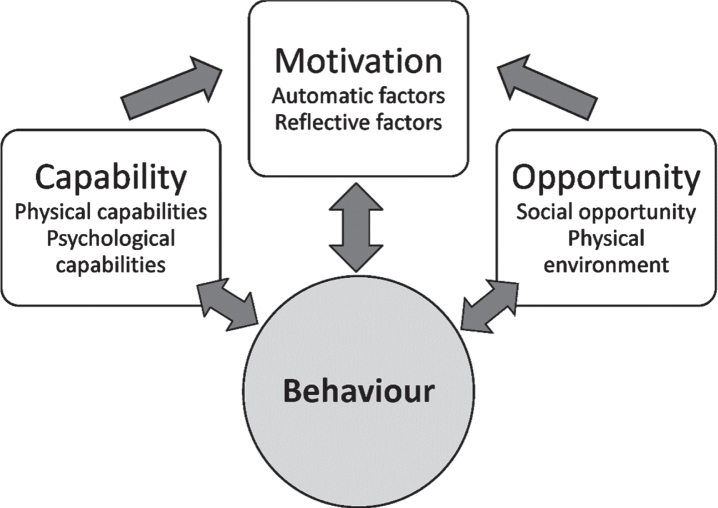
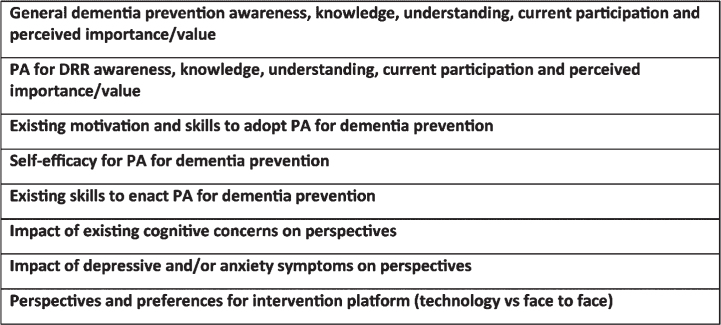
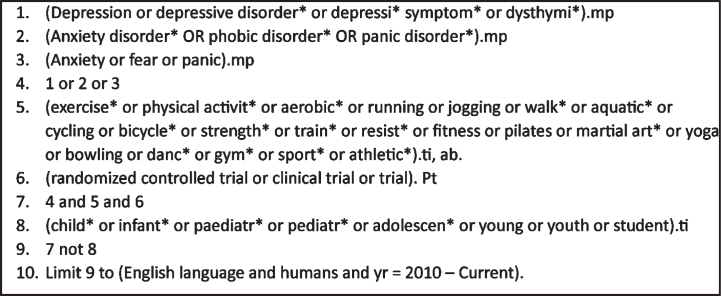
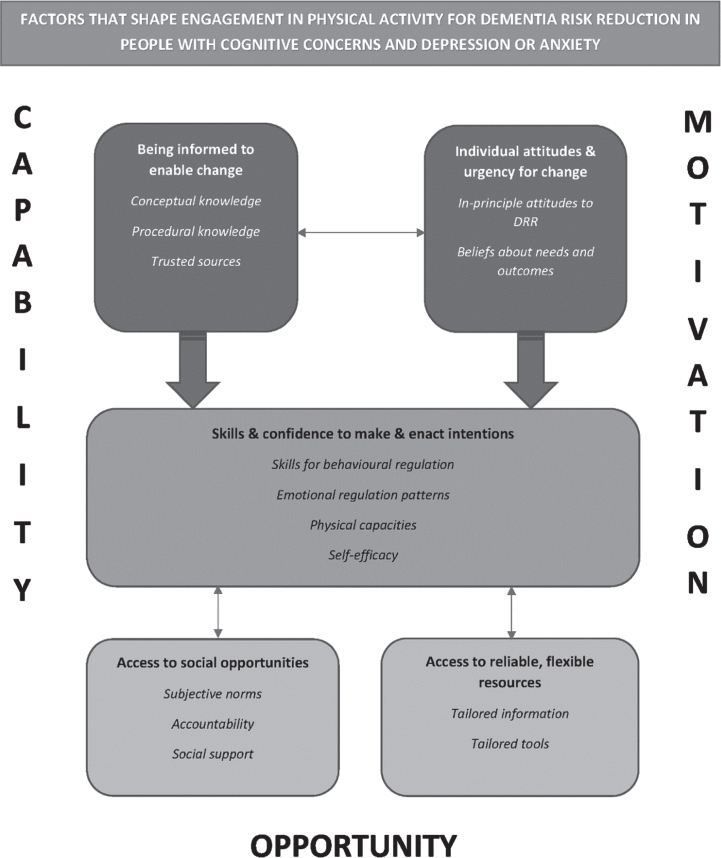
We employed a qualitative design, triangulating data from three sources: semi-structured individual interviews with people experiencing cognitive concerns and mild to moderate depressive or anxiety symptoms; review of published evidence; and the Capability, Opportunity and Motivation system of behavior, an existing behavioral science model. Findings were integrated to develop a contextualized model of mechanisms of action for optimizing engagement.
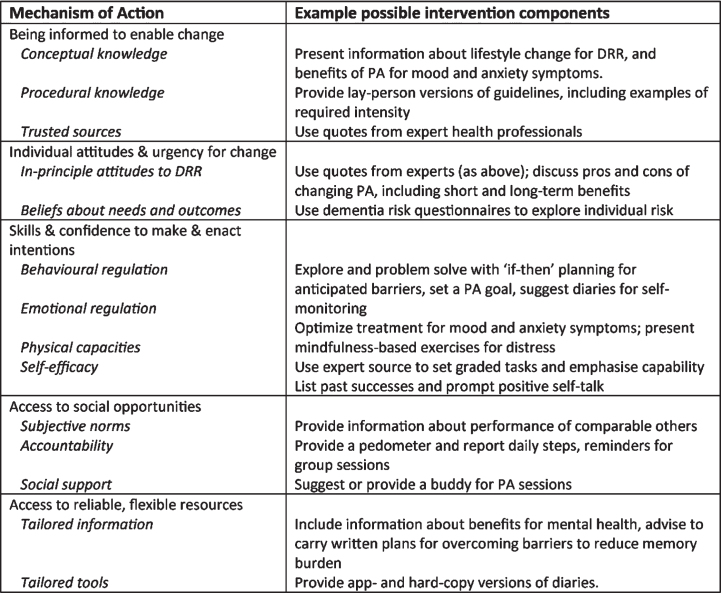
Twenty-one participants were interviewed, and 24 relevant papers included. Convergent and complementary themes extended understanding of intervention needs. Findings highlighted emotional regulation, capacities to enact intentions despite barriers, and confidence in existing skills as areas of population-specific need that have not previously been emphasized. The final model provides specificity, directionality, and linked approaches for intervention tailoring.
This study demonstrated that people experiencing cognitive concerns and symptoms of depression or anxiety require different interventions to improve physical activity engagement. This novel model can enable more precise intervention tailoring, and, ultimately, benefits for a key at-risk population.
出现认知问题和抑郁或焦虑症状的人群罹患阿尔茨海默病和痴呆的风险较高。我们知道,身体活动有益于认知,但了解如何最好地支持参与是一个持续存在的挑战。基于实证的行为活动参与因素概念模型可以为干预措施的调整提供信息,以应对这一挑战。
本研究(一项实用身体活动实施试验的一部分)旨在为出现认知问题和轻度至中度抑郁或焦虑症状的人群制定具体的身体活动参与模型,以实现优化的痴呆风险降低干预措施的调整。
我们采用了定性设计,从三个来源对数据进行三角分析:对出现认知问题和轻度至中度抑郁或焦虑症状的人群进行半结构化个体访谈;对已发表的证据进行综述;以及行为的能力、机会和动机系统,这是一个现有的行为科学模型。研究结果进行了整合,以制定一个优化参与的作用机制的情境化模型。
对 21 名参与者进行了访谈,并纳入了 24 篇相关论文。通过收敛和互补主题,扩展了对干预需求的理解。研究结果强调了情绪调节、尽管存在障碍仍能执行意图的能力,以及对现有技能的信心,这些都是以前没有强调过的人群特定需求领域。最终模型提供了具体的、方向性的和关联的干预措施调整方法。
本研究表明,出现认知问题和抑郁或焦虑症状的人群需要不同的干预措施来提高身体活动参与度。这个新的模型可以实现更精确的干预措施调整,并最终使这一关键的高危人群受益。