Satsuma Lab, Centre for Medical Image Computing (CMIC), University College London, London, UK.
Department of Neuroimaging, King's College London, London, UK.
Sci Rep. 2023 Jun 20;13(1):9986. doi: 10.1038/s41598-023-32469-9.
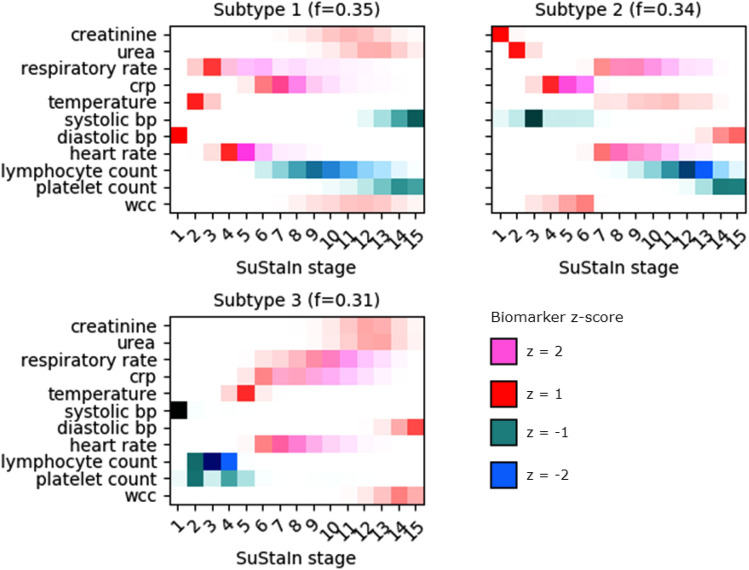
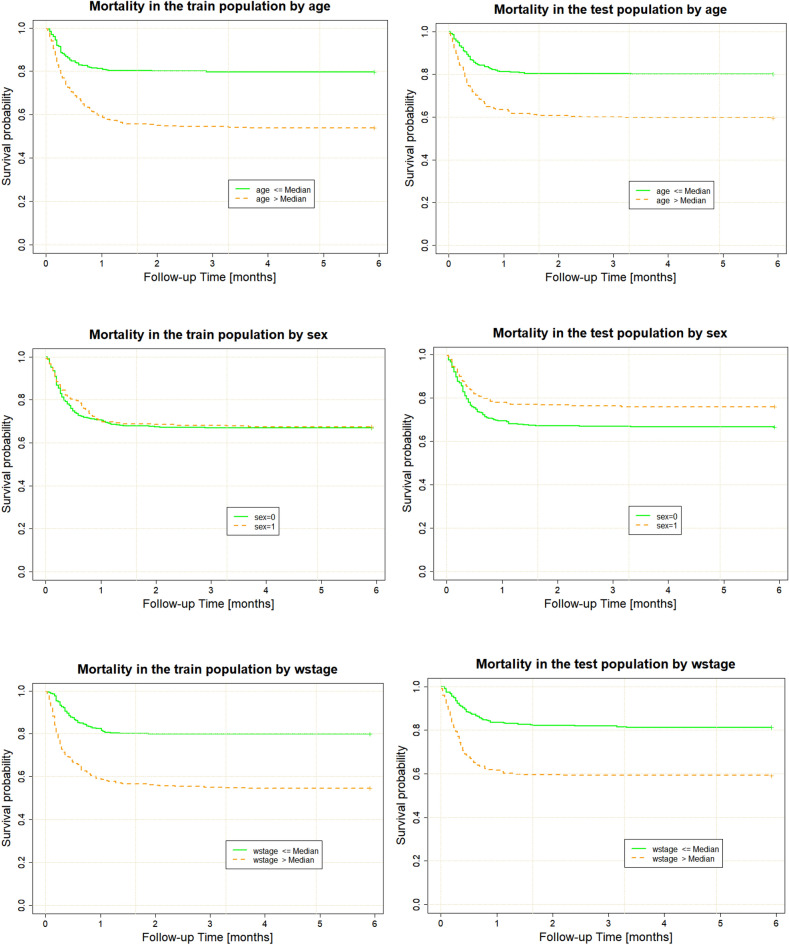
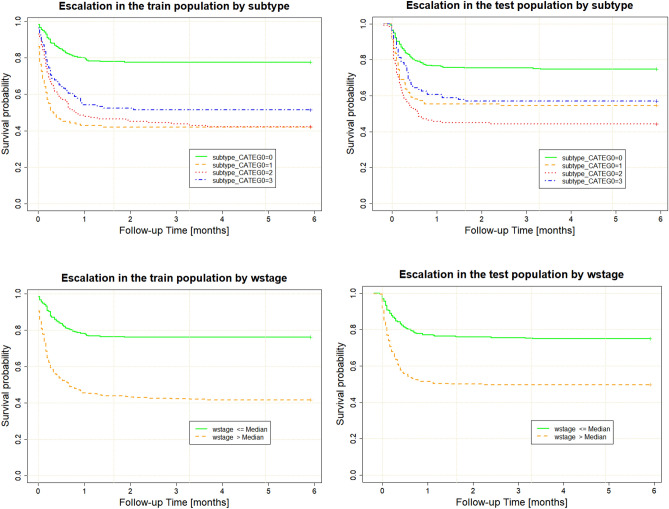
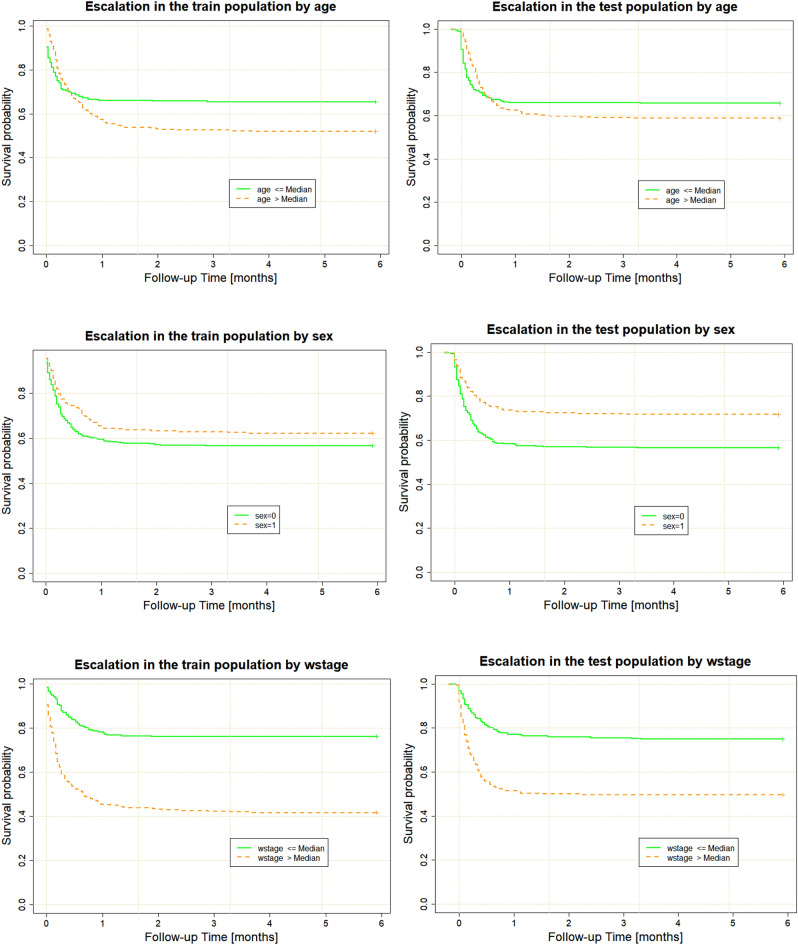
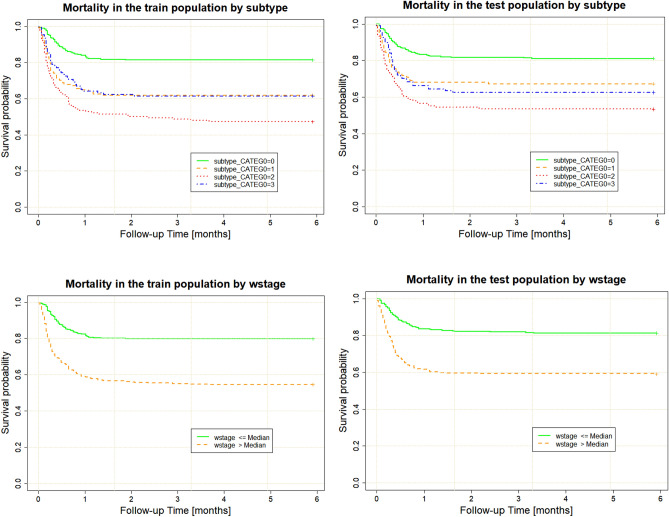
The COVID-19 pandemic has been a great challenge to healthcare systems worldwide. It highlighted the need for robust predictive models which can be readily deployed to uncover heterogeneities in disease course, aid decision-making and prioritise treatment. We adapted an unsupervised data-driven model-SuStaIn, to be utilised for short-term infectious disease like COVID-19, based on 11 commonly recorded clinical measures. We used 1344 patients from the National COVID-19 Chest Imaging Database (NCCID), hospitalised for RT-PCR confirmed COVID-19 disease, splitting them equally into a training and an independent validation cohort. We discovered three COVID-19 subtypes (General Haemodynamic, Renal and Immunological) and introduced disease severity stages, both of which were predictive of distinct risks of in-hospital mortality or escalation of treatment, when analysed using Cox Proportional Hazards models. A low-risk Normal-appearing subtype was also discovered. The model and our full pipeline are available online and can be adapted for future outbreaks of COVID-19 or other infectious disease.
新冠疫情对全球医疗体系构成了巨大挑战。它凸显了对稳健预测模型的需求,这些模型可以迅速部署,以揭示疾病进程中的异质性,辅助决策并确定治疗优先级。我们基于 11 项常见的临床指标,对一种无监督数据驱动的模型——SuStaIn 进行了调整,以应用于 COVID-19 等短期传染病。我们使用了来自全国 COVID-19 胸部成像数据库(NCCID)的 1344 名因经 RT-PCR 确诊 COVID-19 而住院的患者,将他们平均分为训练和独立验证队列。我们发现了三种 COVID-19 亚型(一般血流动力学、肾脏和免疫),并引入了疾病严重程度阶段,当使用 Cox 比例风险模型进行分析时,这些亚型和阶段都可以预测住院死亡率或治疗升级的不同风险。我们还发现了一种低风险的正常表现亚型。该模型和我们的完整流程已在网上提供,并可适用于未来的 COVID-19 或其他传染病爆发。