College of Pharmacy, Seoul National University, 1 Gwanak-ro, Gwanak-gu, 08826, Seoul, Republic of Korea.
Division of Chemical Engineering and Bioengineering, College of Art Culture and Engineering, Kangwon National University, Chuncheon, South Korea.
Stem Cell Res Ther. 2023 Jun 20;14(1):164. doi: 10.1186/s13287-023-03394-5.
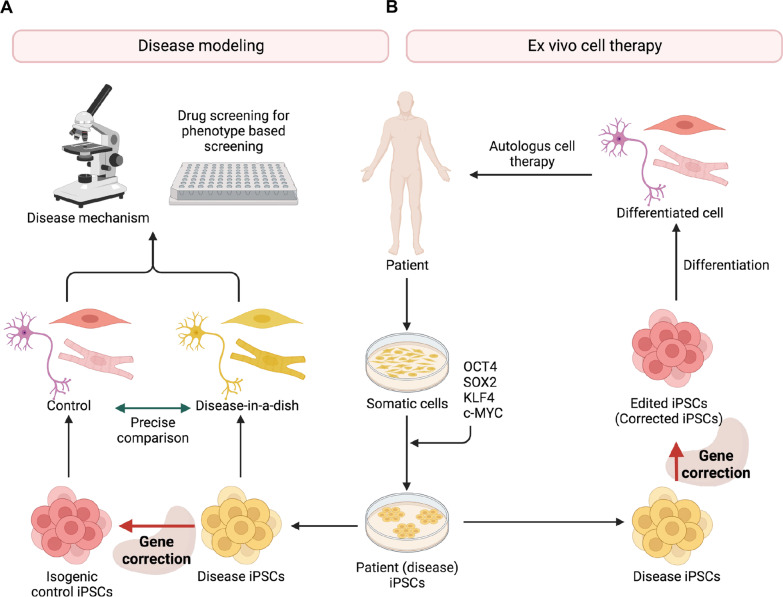
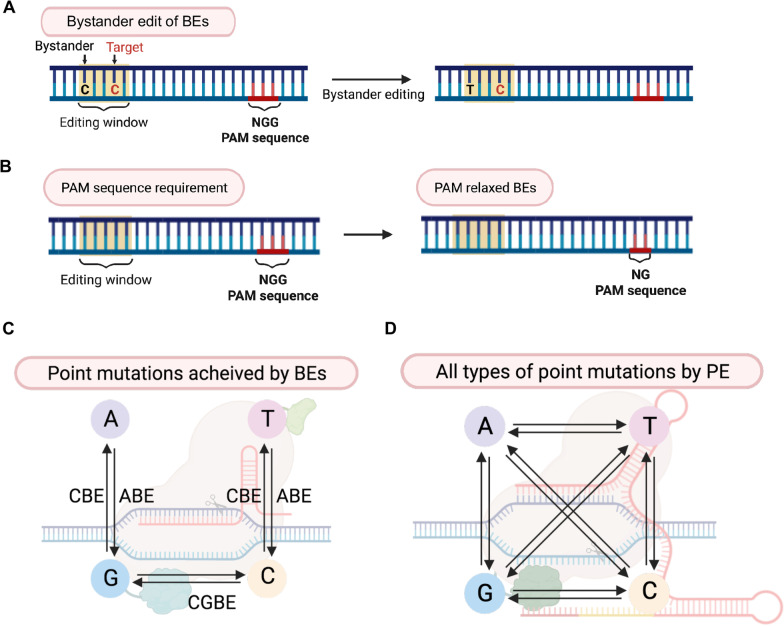
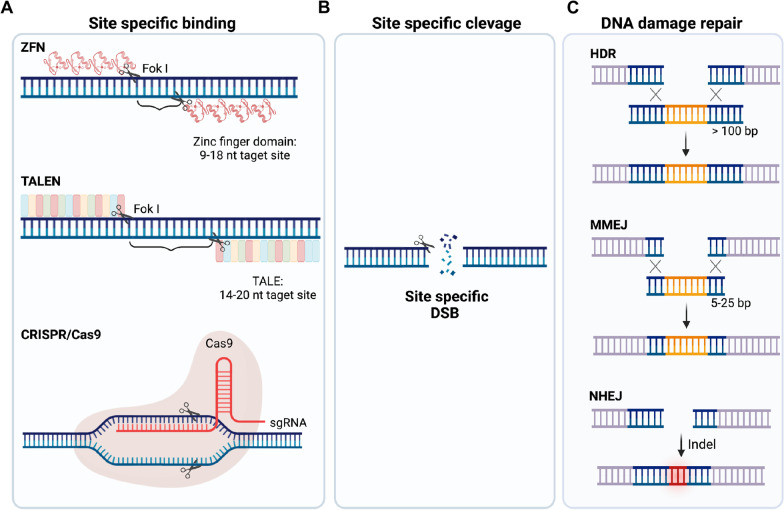
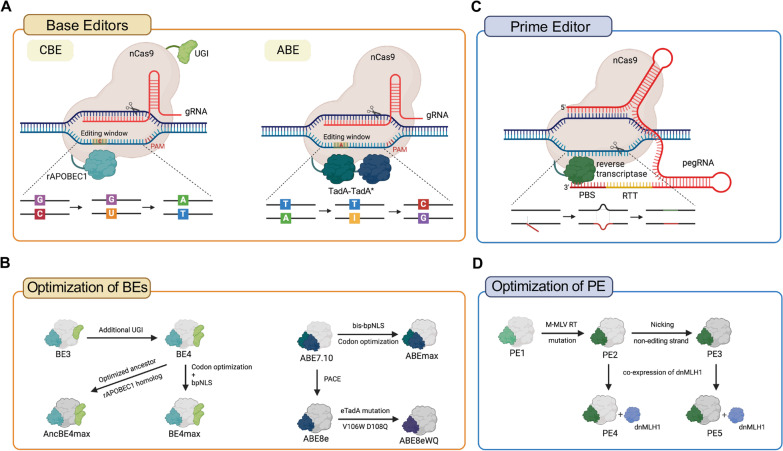
Owing to the advances in genome editing technologies, research on human pluripotent stem cells (hPSCs) have recently undergone breakthroughs that enable precise alteration of desired nucleotide bases in hPSCs for the creation of isogenic disease models or for autologous ex vivo cell therapy. As pathogenic variants largely consist of point mutations, precise substitution of mutated bases in hPSCs allows researchers study disease mechanisms with "disease-in-a-dish" and provide functionally repaired cells to patients for cell therapy. To this end, in addition to utilizing the conventional homologous directed repair system in the knock-in strategy based on endonuclease activity of Cas9 (i.e., 'scissors' like gene editing), diverse toolkits for editing the desirable bases (i.e., 'pencils' like gene editing) that avoid the accidental insertion and deletion (indel) mutations as well as large harmful deletions have been developed. In this review, we summarize the recent progress in genome editing methodologies and employment of hPSCs for future translational applications.
由于基因组编辑技术的进步,人类多能干细胞(hPSCs)的研究最近取得了突破,能够精确改变 hPSCs 中所需的核苷酸碱基,从而创建同基因疾病模型或自体体外细胞治疗。由于致病变体主要由点突变组成,因此精确替换 hPSCs 中的突变碱基可以使研究人员用“盘中的疾病”来研究疾病机制,并为细胞治疗向患者提供功能修复的细胞。为此,除了利用 Cas9 的内切酶活性(即“剪刀”样基因编辑)基于同源定向修复系统的传统敲入策略外,还开发了各种用于编辑所需碱基的工具包(即“铅笔”样基因编辑),以避免意外的插入和缺失(indel)突变以及大的有害缺失。在这篇综述中,我们总结了基因组编辑方法的最新进展以及 hPSCs 在未来转化应用中的应用。