The Ken & Ruth Davee Department of Neurology, Feinberg School of Medicine, Northwestern University, Chicago, IL 60611, USA.
The Ken & Ruth Davee Department of Neurology, Feinberg School of Medicine, Northwestern University, Chicago, IL 60611, USA; Simpson Querrey Center of Neurogenetics, Feinberg School of Medicine, Northwestern University, Chicago, IL 60611, USA.
Stem Cell Reports. 2022 Apr 12;17(4):993-1008. doi: 10.1016/j.stemcr.2022.02.008. Epub 2022 Mar 10.
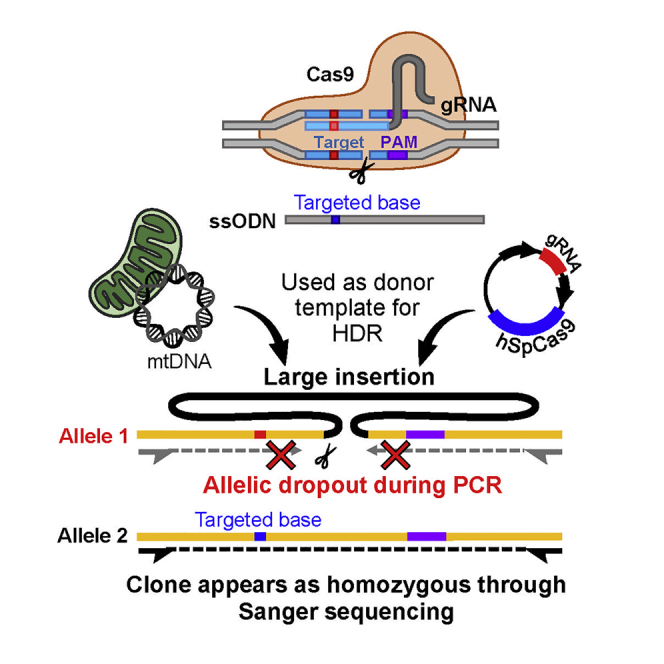
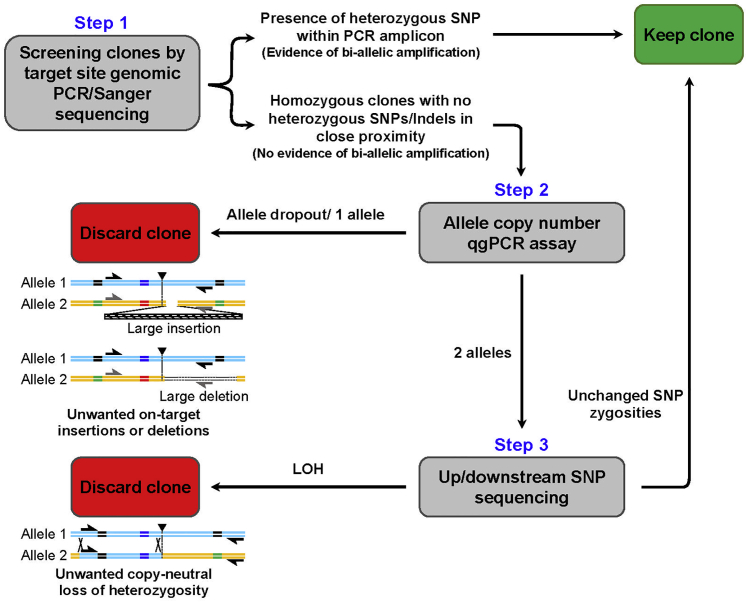
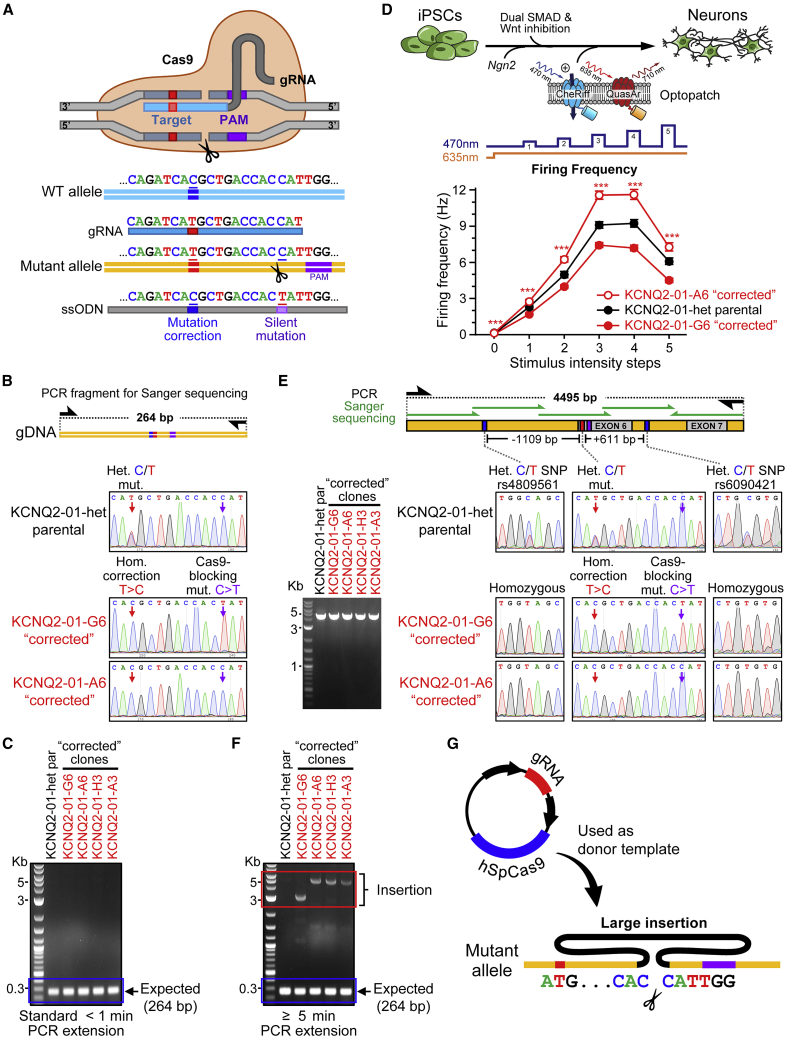
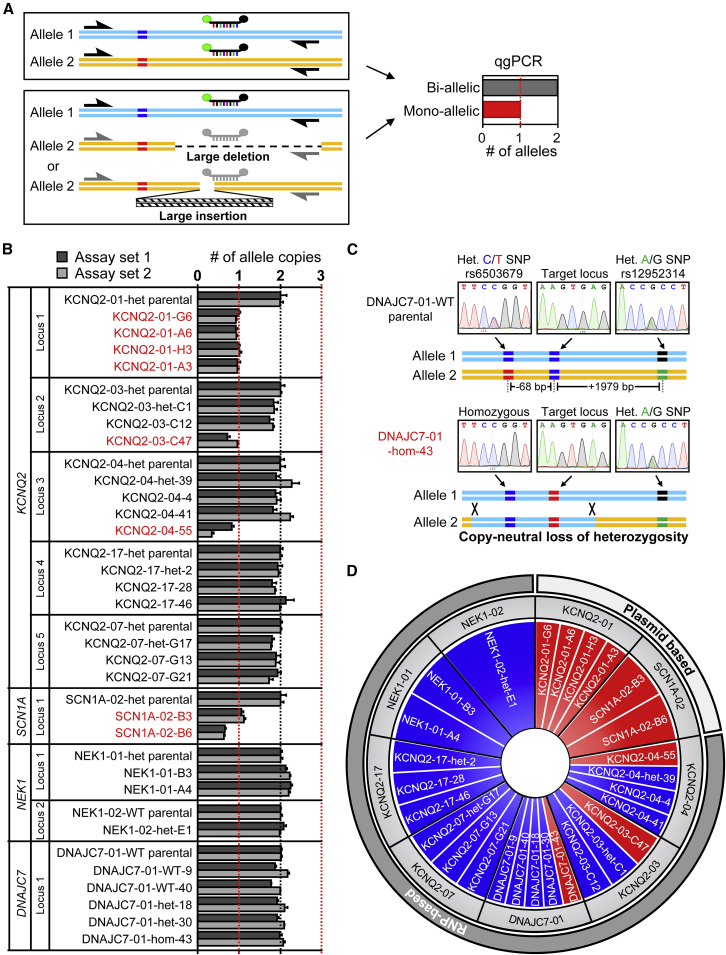
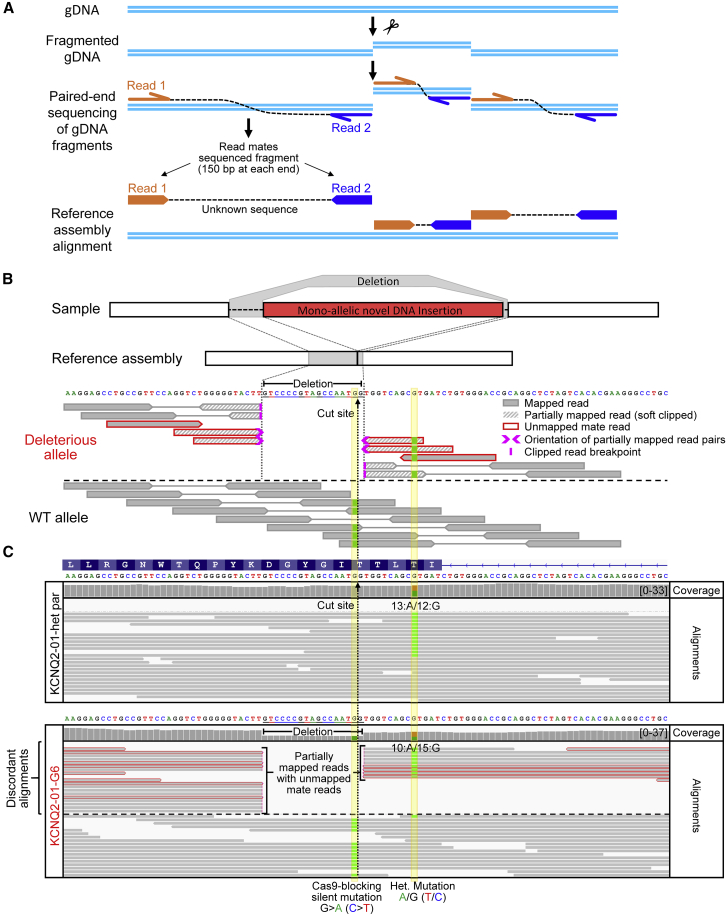
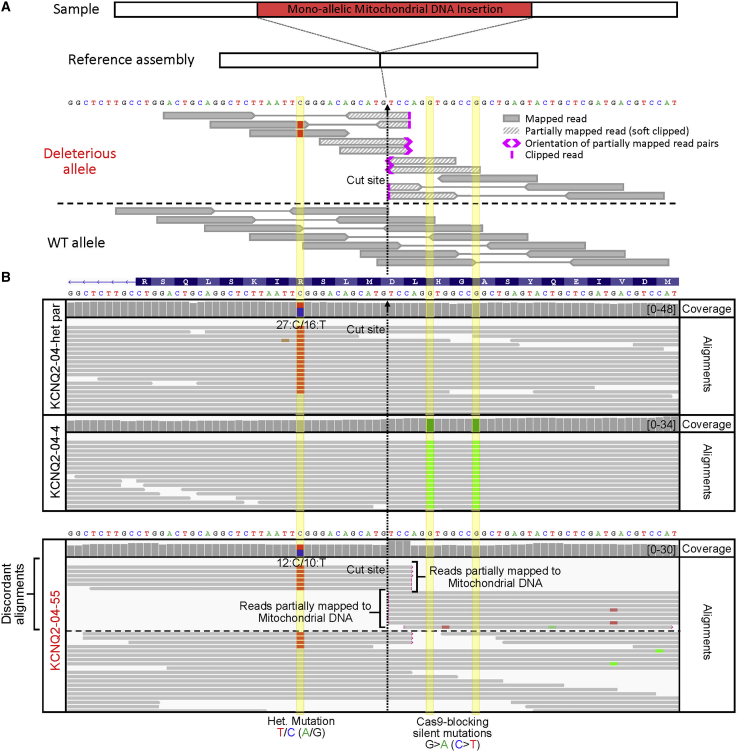
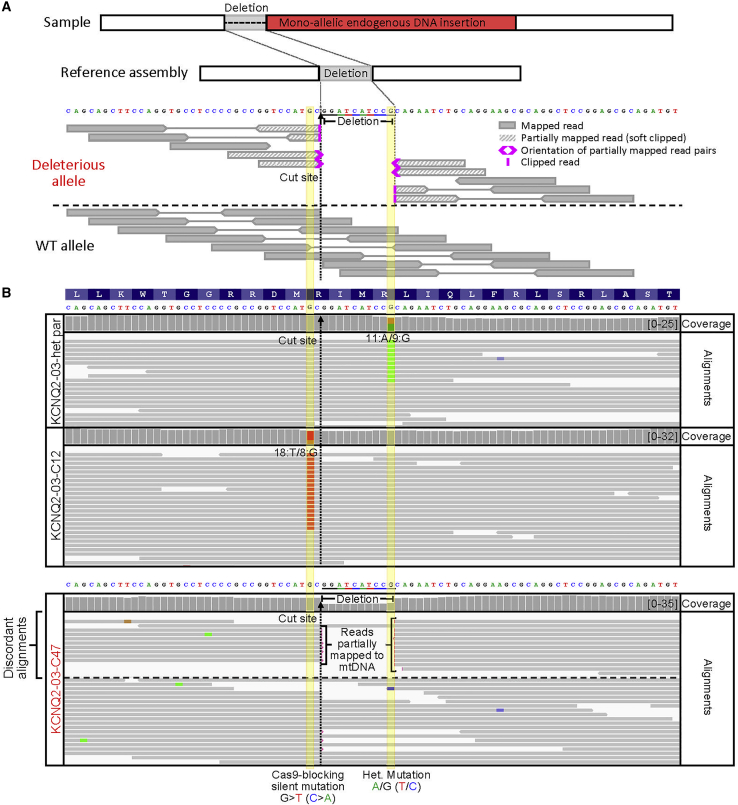
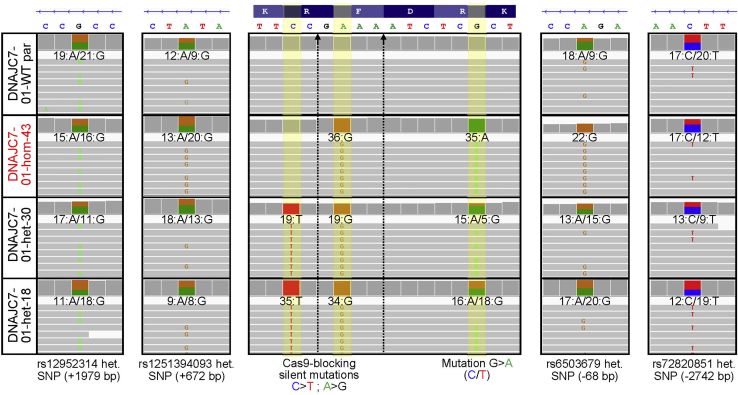
The ability to precisely edit the genome of human induced pluripotent stem cell (iPSC) lines using CRISPR/Cas9 has enabled the development of cellular models that can address genotype to phenotype relationships. While genome editing is becoming an essential tool in iPSC-based disease modeling studies, there is no established quality control workflow for edited cells. Moreover, large on-target deletions and insertions that occur through DNA repair mechanisms have recently been uncovered in CRISPR/Cas9-edited loci. Yet the frequency of these events in human iPSCs remains unclear, as they can be difficult to detect. We examined 27 iPSC clones generated after targeting 9 loci and found that 33% had acquired large, on-target genomic defects, including insertions and loss of heterozygosity. Critically, all defects had escaped standard PCR and Sanger sequencing analysis. We describe a cost-efficient quality control strategy that successfully identified all edited clones with detrimental on-target events and could facilitate the integrity of iPSC-based studies.
使用 CRISPR/Cas9 精确编辑人类诱导多能干细胞 (iPSC) 系的能力使能够开发出能够解决基因型与表型关系的细胞模型。虽然基因组编辑正在成为基于 iPSC 的疾病建模研究中的重要工具,但对于编辑细胞,目前还没有建立既定的质量控制工作流程。此外,最近在 CRISPR/Cas9 编辑的基因座中发现了通过 DNA 修复机制发生的大型靶向外显子缺失和插入。然而,由于这些事件很难检测到,因此在人类 iPSC 中它们的发生频率尚不清楚。我们检查了靶向 9 个基因座后生成的 27 个 iPSC 克隆,发现其中 33% 获得了大型的靶向外显子基因组缺陷,包括插入和杂合性丢失。至关重要的是,所有缺陷都逃避了标准的 PCR 和 Sanger 测序分析。我们描述了一种具有成本效益的质量控制策略,该策略成功地鉴定了所有具有有害靶向外显子事件的编辑克隆,并能够促进基于 iPSC 的研究的完整性。