Berben Amanda, Stephens Natalie C, Gonzalez-Cueto Jaime, Velasquez Yulibeth, Quiroga Sigmer, González María Teresa, Baeza J Antonio
Universidad del Magdalena, Santa Marta, Colombia.
Department of Biological Sciences, Clemson University, 132 Long Hall, Clemson, SC, 29634, USA.
BMC Zool. 2023 Jun 26;8(1):6. doi: 10.1186/s40850-023-00165-w.
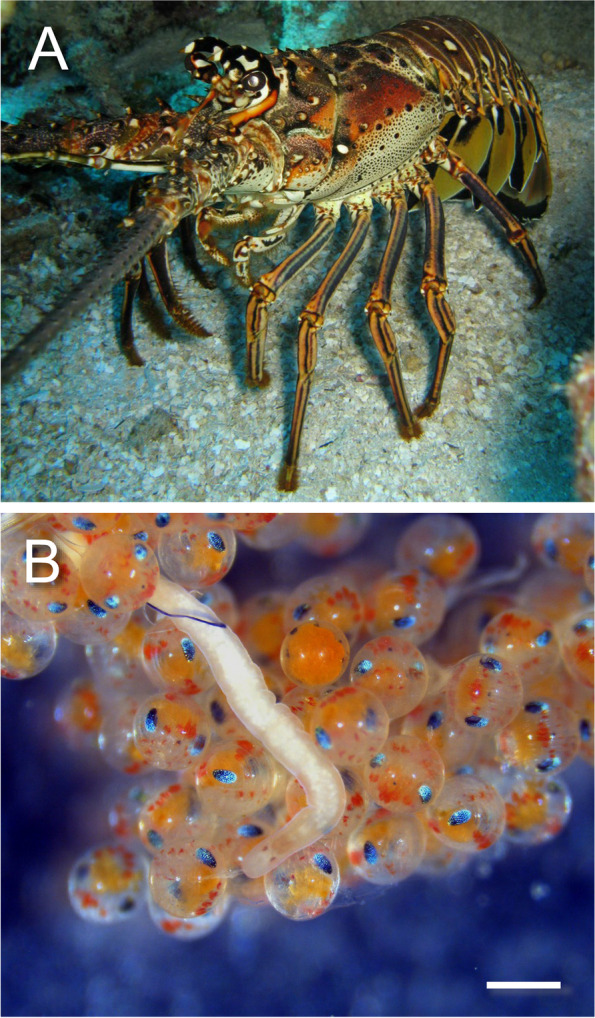
The Caribbean spiny lobster Panulirus argus is heavily fished throughout its Greater Caribbean and Gulf of Mexico distribution, suggesting a heightened susceptibility to a fisheries collapse. In 2017, a nemertean worm, Carcinonemertes conanobrieni was described from ovigerous females of P. argus in Florida, USA. A year later, the presence of the same egg predator was recorded along the southern Caribbean coast (Colombia). The effect of this egg predator on the reproductive performance, including fecundity, embryo mortality, and reproductive output, of its host is unknown. This study tested whether C. conanobrieni affects embryo mortality, fecundity, and reproductive output in brooding females of P. argus.
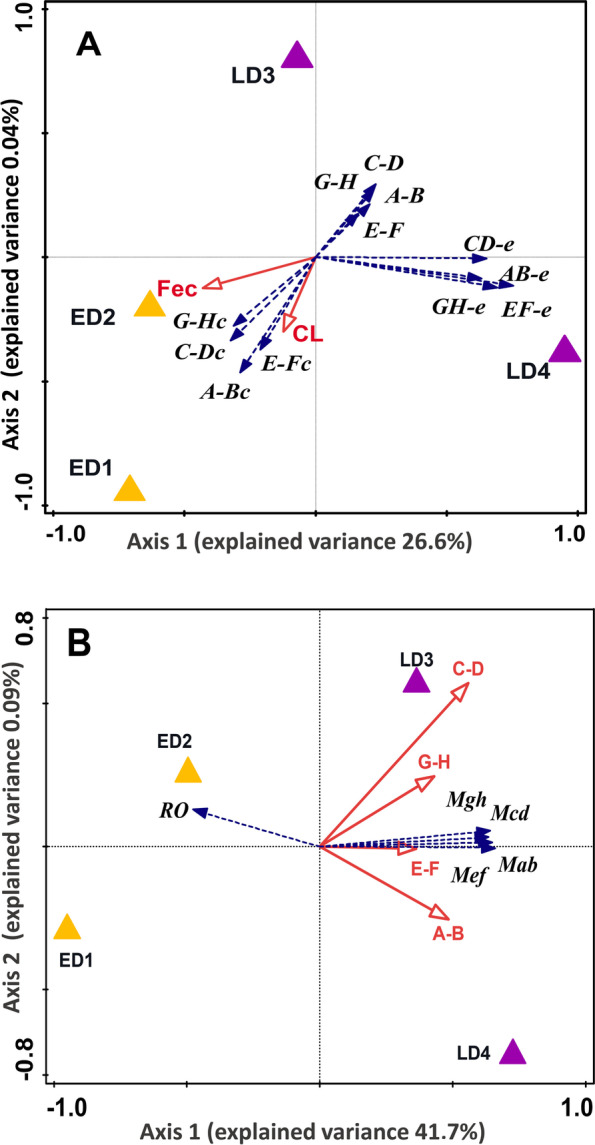
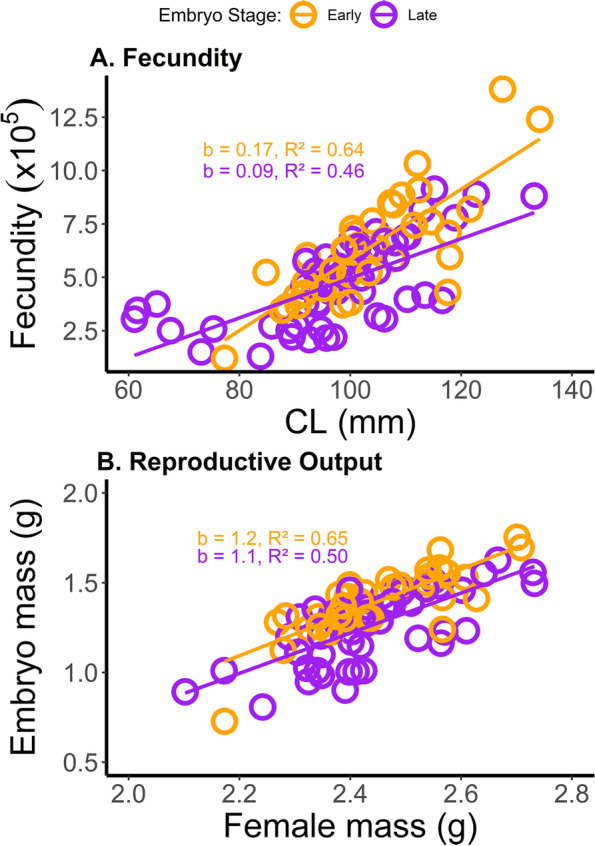
Artisan fishers caught 90 ovigerous lobsters near Pueblo Viejo, Magdalena, Colombia. Each ovigerous female was examined for the presence/absence of the egg predator. Lobster egg mortality (%), fecundity (nº eggs female), and reproductive output (%) were estimated. Prevalence of C. conanobrieni in the studied population was 87.78%. The mean intensity of C. conanobrieni (all life stages) in the population was 11.68 (± 1.98) egg predators per brood mass sample. Infected females brooding late-stage embryos exhibited lower fecundity, lower reproductive performance values, and higher embryo mortality compared to infected females brooding early-stage embryos. Embryo stage and worm infection level negatively impacted fecundity and reproductive output. Worm infection level and the number of adult nemertean worms also negatively affected embryo mortality.
These results demonstrate an adverse effect of C. conanobrieni on the reproductive performance of P. argus. The interactive impact of this egg predator, natural stressors, and anthropogenic stressors on individual P. argus reproductive performance could facilitate losses at large-scale fisheries levels.
加勒比刺龙虾(Panulirus argus)在其整个大加勒比地区和墨西哥湾分布范围内都遭到大量捕捞,这表明其极易受到渔业崩溃的影响。2017年,在美国佛罗里达州的抱卵雌性加勒比刺龙虾中发现了一种纽形动物蠕虫——柯南布里尼蟹奴(Carcinonemertes conanobrieni)。一年后,在加勒比海沿岸南部(哥伦比亚)也记录到了这种相同的卵捕食者的存在。这种卵捕食者对其宿主的繁殖性能,包括繁殖力、胚胎死亡率和繁殖产出的影响尚不清楚。本研究测试了柯南布里尼蟹奴是否会影响加勒比刺龙虾抱卵雌体的胚胎死亡率、繁殖力和繁殖产出。
个体渔民在哥伦比亚马格达莱纳省旧普韦布洛附近捕获了90只抱卵龙虾。检查每只抱卵雌体是否存在这种卵捕食者。估计龙虾卵死亡率(%)、繁殖力(每只雌体的卵数)和繁殖产出(%)。在研究种群中,柯南布里尼蟹奴的感染率为87.78%。种群中柯南布里尼蟹奴(所有生命阶段)的平均感染强度为每窝样本11.68(±1.98)个卵捕食者。与孵化早期胚胎的受感染雌体相比,孵化晚期胚胎的受感染雌体繁殖力较低,繁殖性能值较低,胚胎死亡率较高。胚胎阶段和蠕虫感染水平对繁殖力和繁殖产出有负面影响。蠕虫感染水平和成年纽形动物蠕虫的数量也对胚胎死亡率有负面影响。
这些结果表明柯南布里尼蟹奴对加勒比刺龙虾的繁殖性能有不利影响。这种卵捕食者、自然应激源和人为应激源对加勒比刺龙虾个体繁殖性能的相互作用影响可能会导致大规模渔业层面的损失。