Alengebawy Ahmed, Ran Yi, Ghimire Nirmal, Osman Ahmed I, Ai Ping
College of Engineering, Huazhong Agricultural University, Wuhan, 430070 China.
Technology & Equipment Center for Carbon Neutrality, Huazhong Agricultural University, Wuhan, 430070 China.
Environ Chem Lett. 2023 Jun 15:1-32. doi: 10.1007/s10311-023-01612-3.
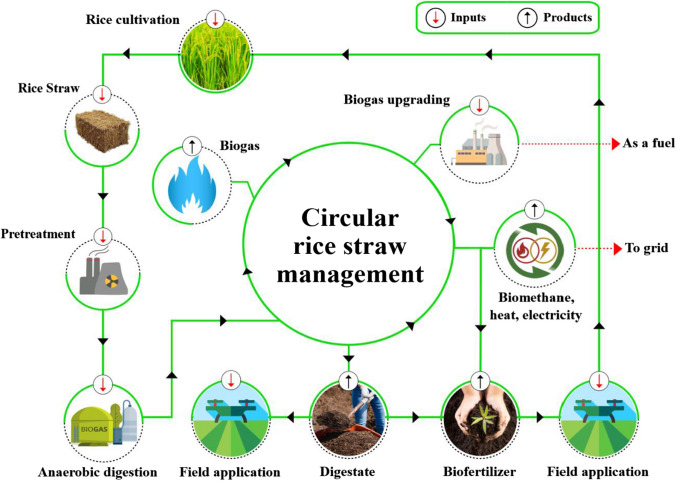
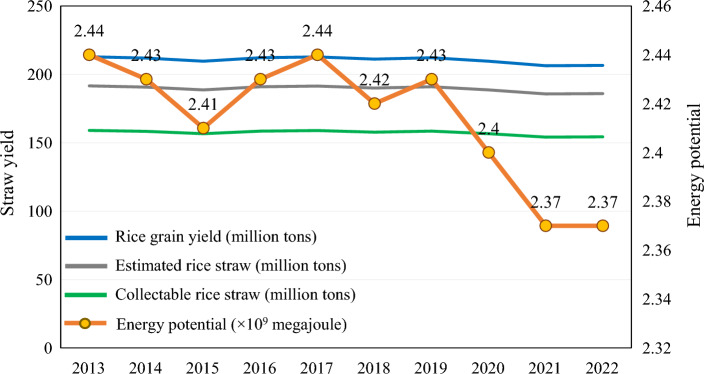
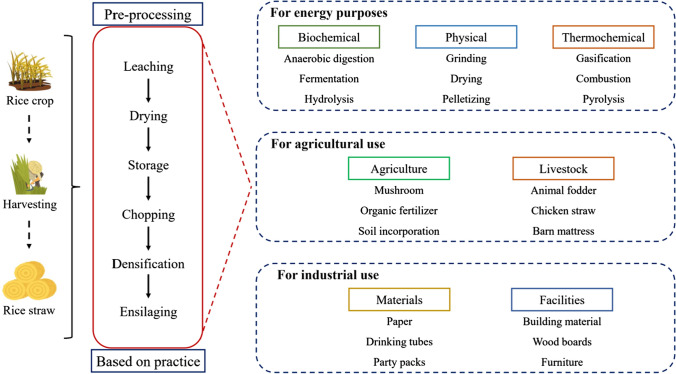
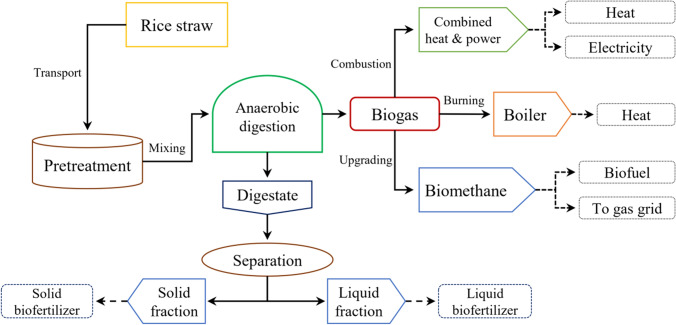
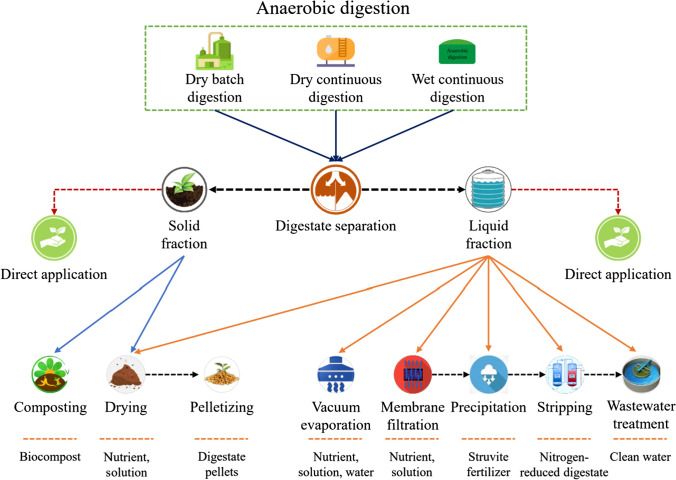
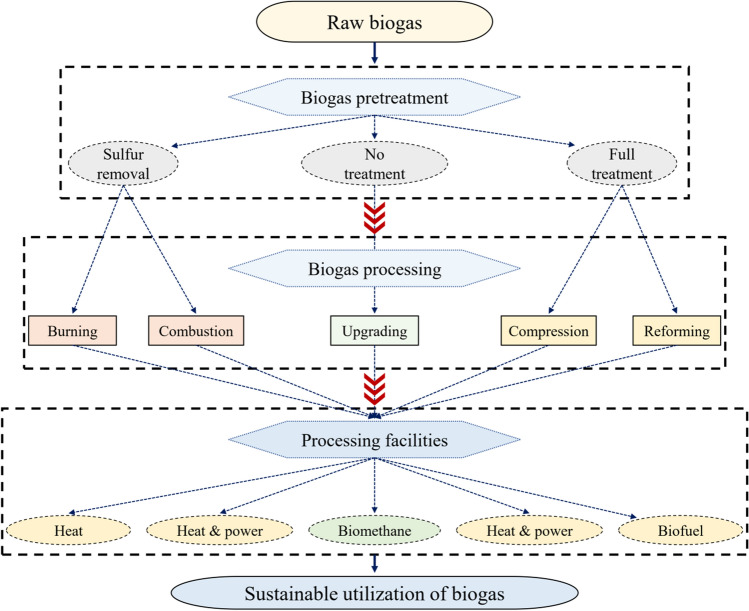
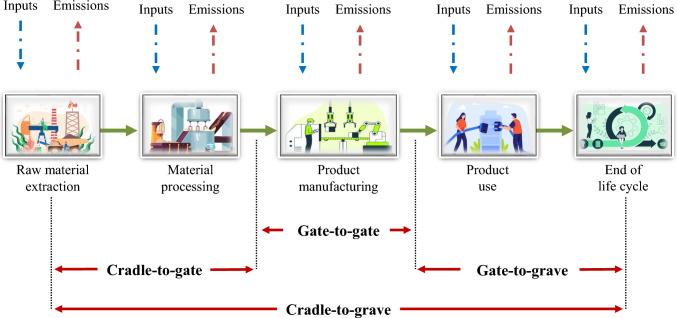
The rise of global waste and the decline of fossil fuels are calling for recycling waste into energy and materials. For example, rice straw, a by-product of rice cultivation, can be converted into biogas and by-products with added value, e.g., biofertilizer, yet processing rice straw is limited by the low energy content, high ash and silica, low nitrogen, high moisture, and high-quality variability. Here, we review the recycling of rice straw with focus on the global and Chinese energy situations, conversion of rice straw into energy and gas, biogas digestate management, cogeneration, biogas upgrading, bioeconomy, and life cycle assessment. The quality of rice straw can be improved by pretreatments, such as baling, ensiling, and co-digestion of rice straw with other feedstocks. The biogas digestate can be used to fertilize soils. The average annual potential energy of collectable rice straw, with a lower heating value of 15.35 megajoule/kilogram, over the past ten years (2013-2022) could reach 2.41 × 10 megajoule.
全球废弃物的增加和化石燃料的减少促使人们将废弃物回收转化为能源和材料。例如,稻草作为水稻种植的副产品,可以转化为沼气和具有附加值的副产品,如生物肥料,然而稻草的处理受到其低能量含量、高灰分和二氧化硅、低氮、高水分以及质量变异性大的限制。在此,我们围绕全球和中国的能源形势、稻草转化为能源和气体、沼液管理、热电联产、沼气升级、生物经济以及生命周期评估等方面,对稻草回收利用进行综述。稻草的质量可通过预处理得到改善,如打捆、青贮以及将稻草与其他原料进行共消化。沼液可用于土壤施肥。过去十年(2013 - 2022年),可收集稻草的年均潜在能量(低热值为15.35兆焦/千克)可达2.41×10兆焦。