Voronkina Alona, Romanczuk-Ruszuk Eliza, Przekop Robert E, Lipowicz Pawel, Gabriel Ewa, Heimler Korbinian, Rogoll Anika, Vogt Carla, Frydrych Milosz, Wienclaw Pawel, Stelling Allison L, Tabachnick Konstantin, Tsurkan Dmitry, Ehrlich Hermann
Pharmacy Department, National Pirogov Memorial Medical University, Vinnytsya, Pyrogov str. 56, 21018 Vinnytsia, Ukraine.
Institute of Electronics and Sensor Materials, TU Bergakademie Freiberg, Gustav-Zeuner Str. 3, 09599 Freiberg, Germany.
Biomimetics (Basel). 2023 Jun 3;8(2):234. doi: 10.3390/biomimetics8020234.
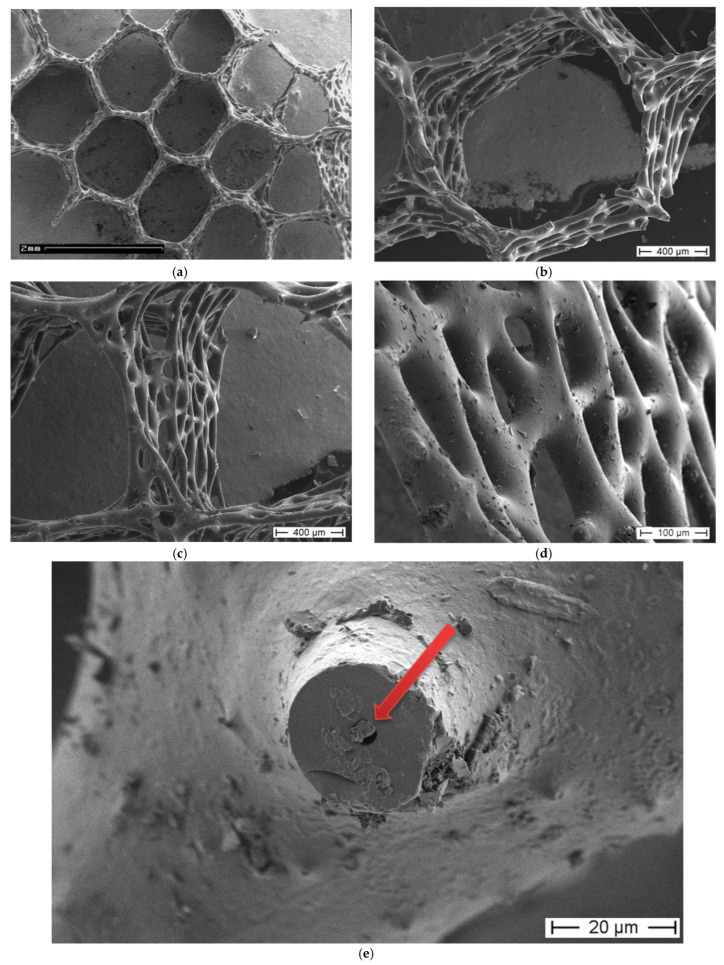
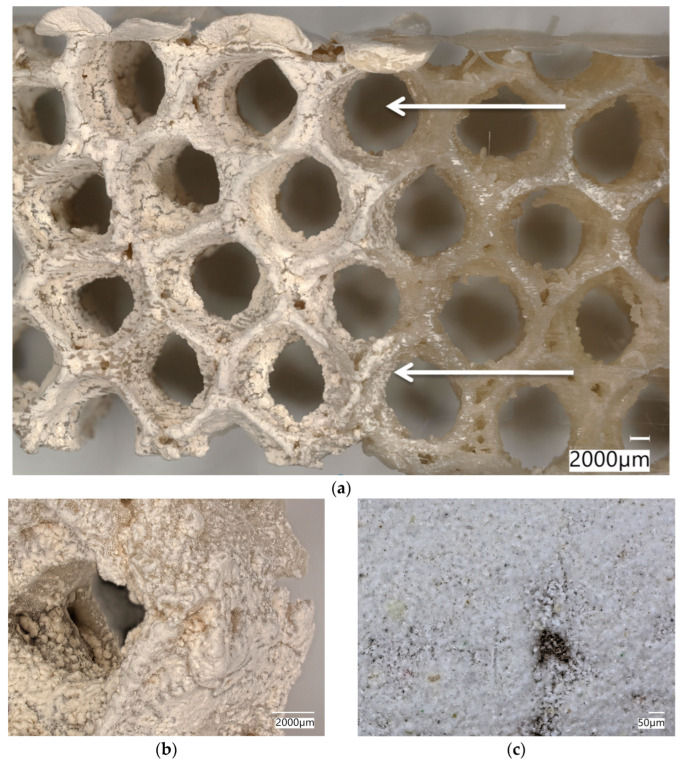
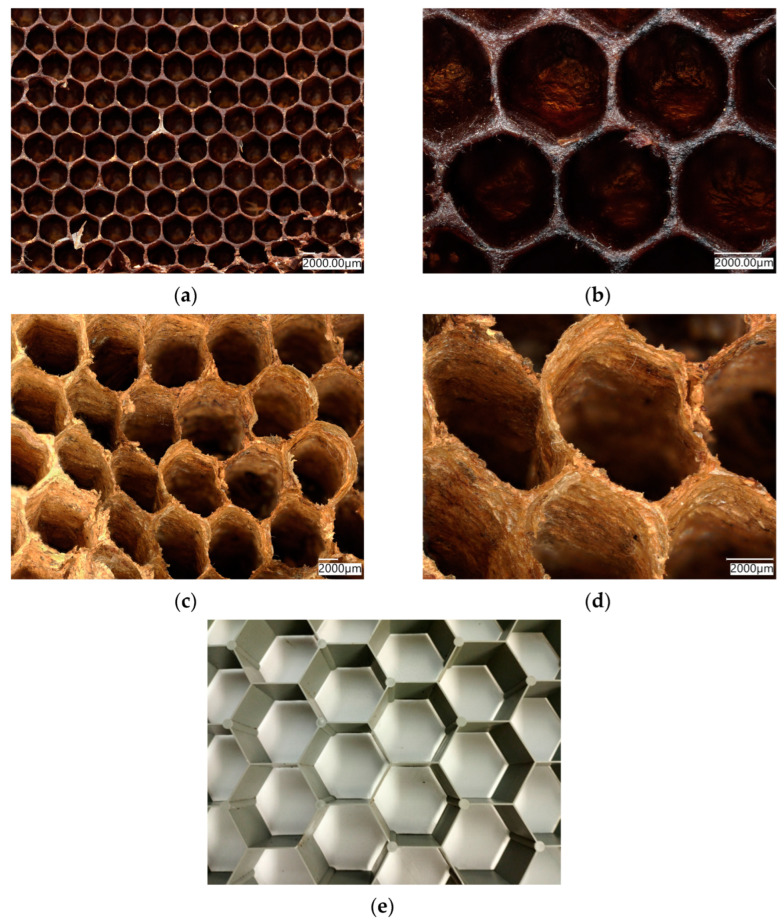
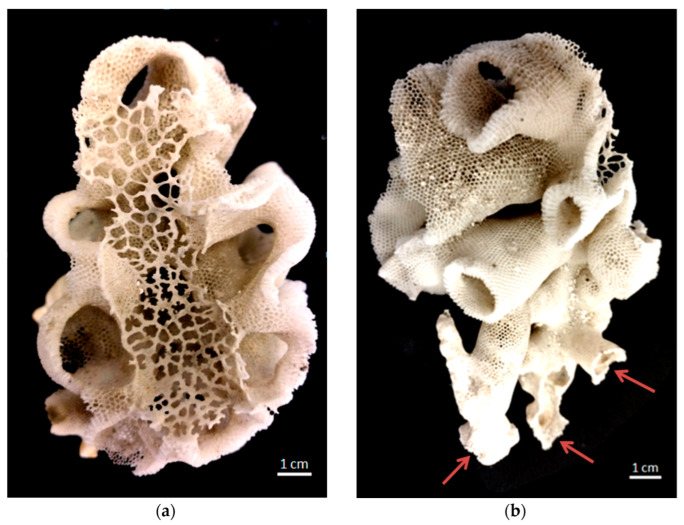
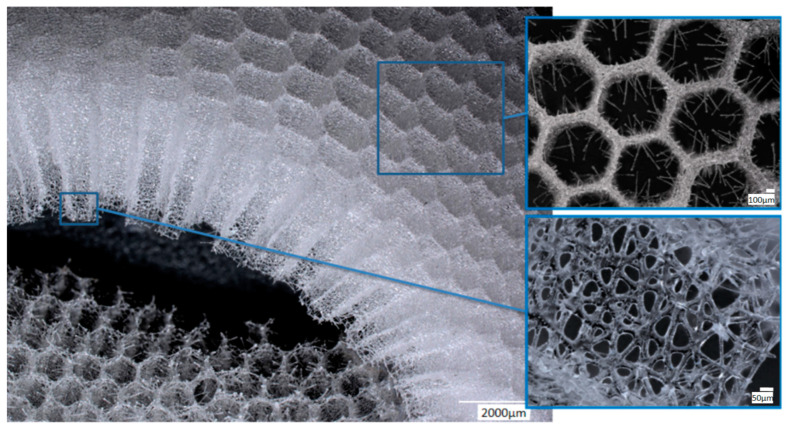
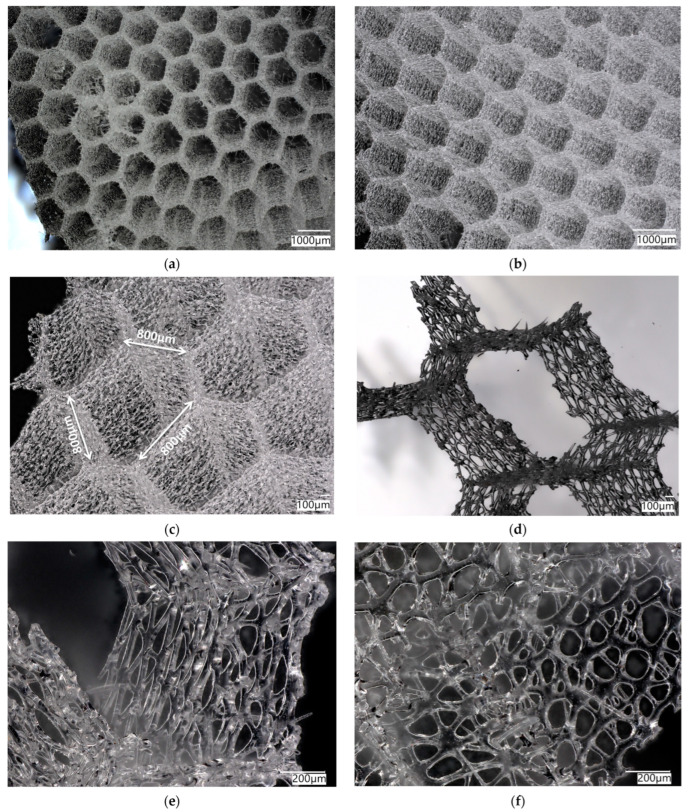
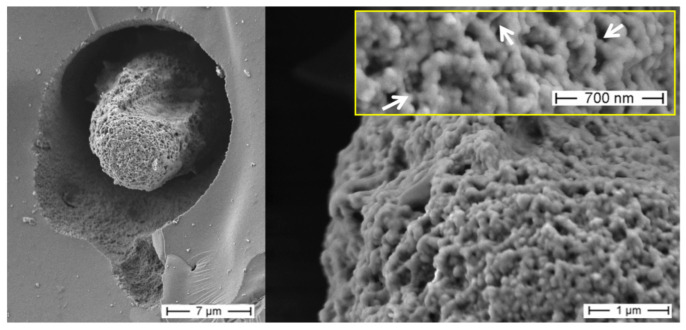
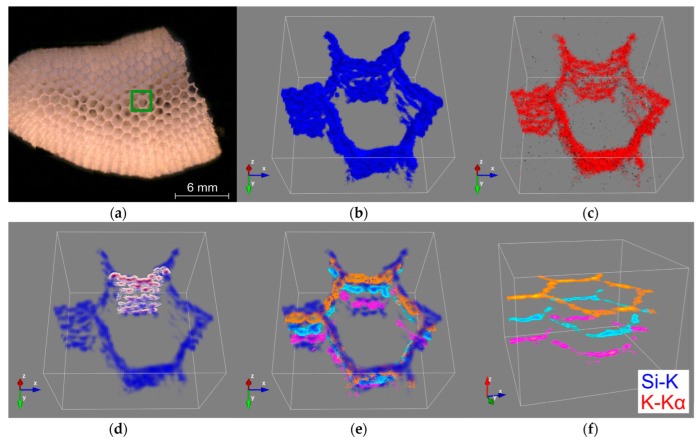
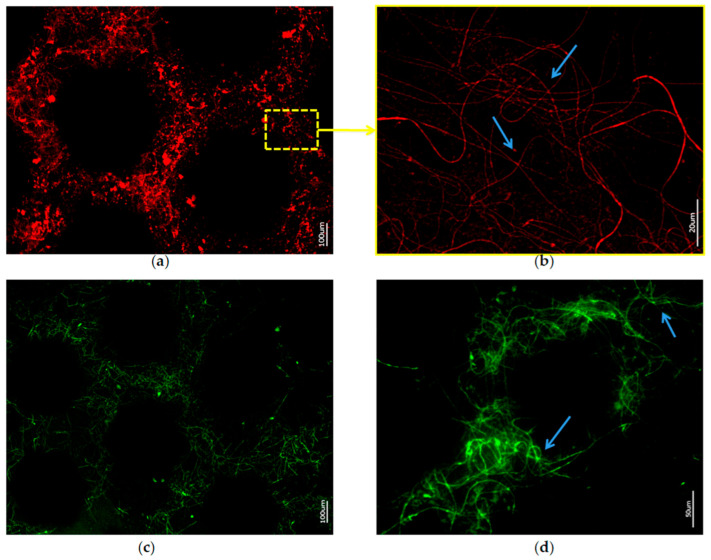
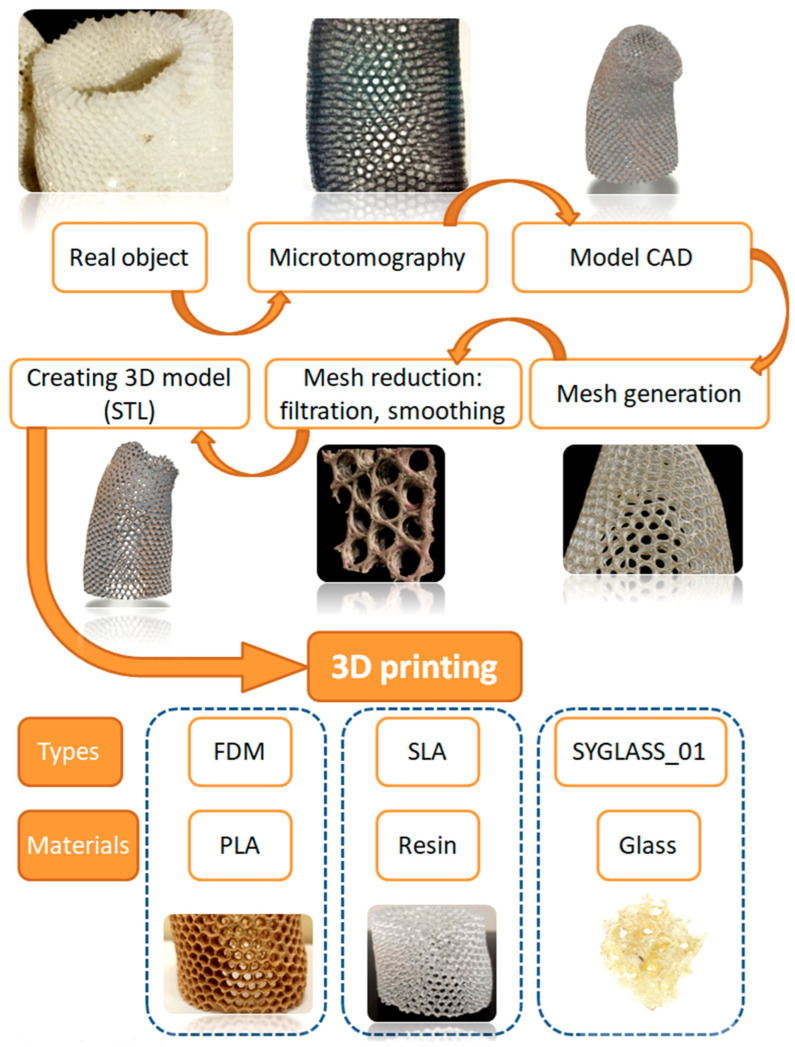
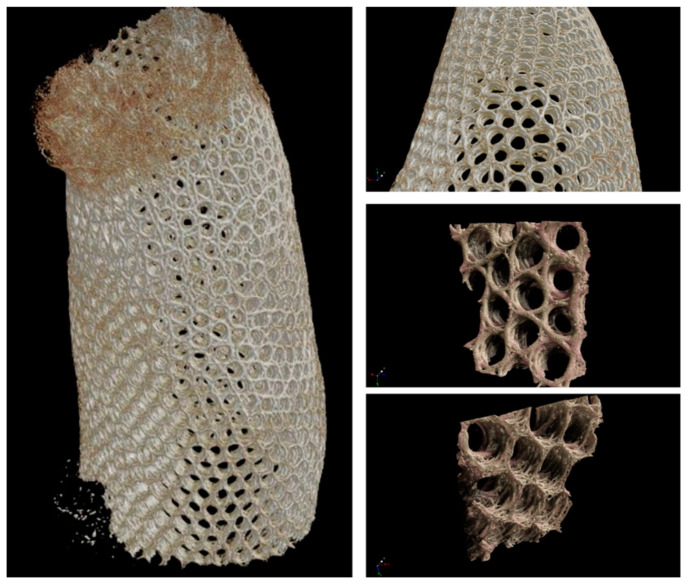
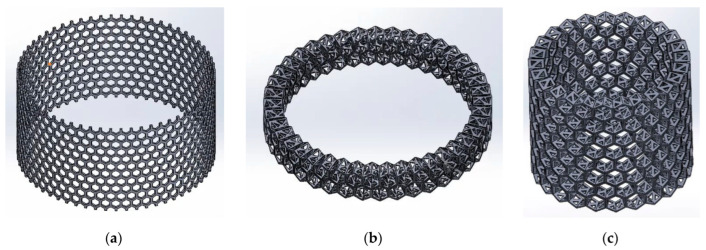
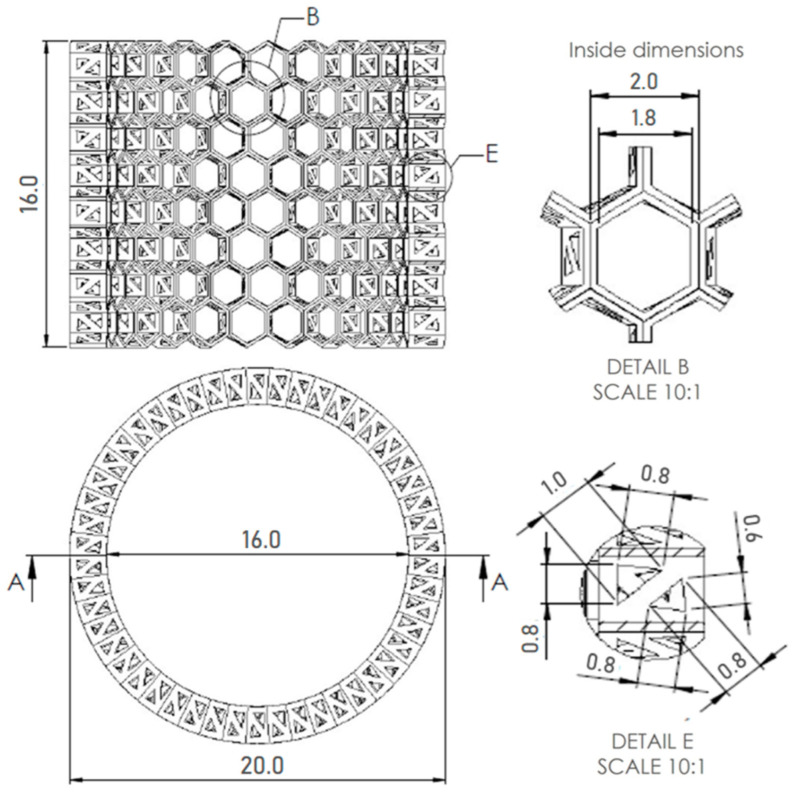
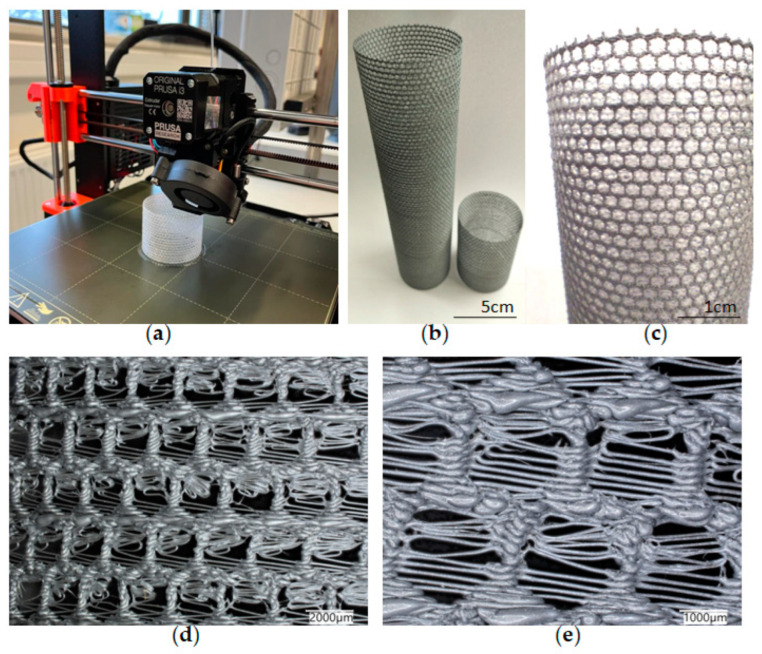
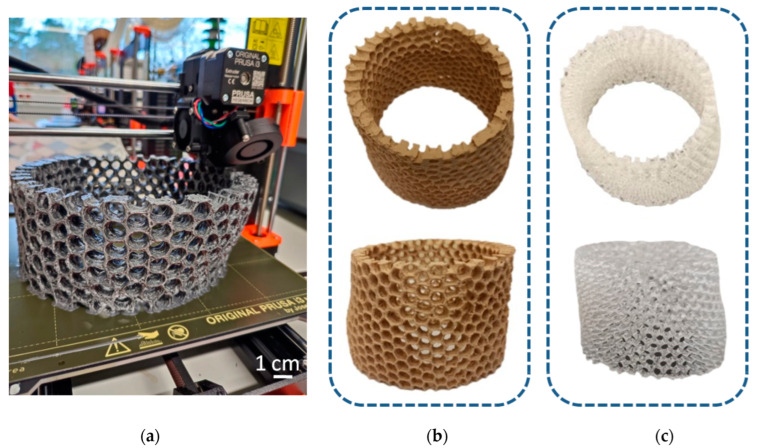
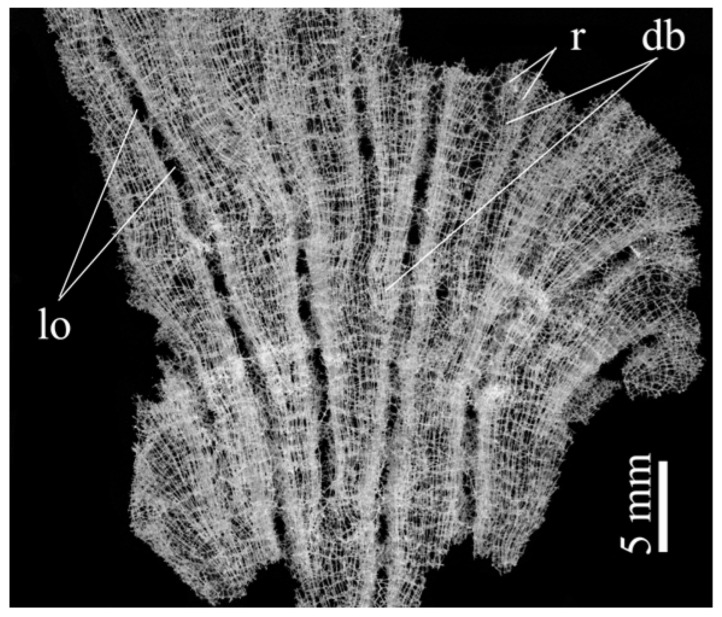
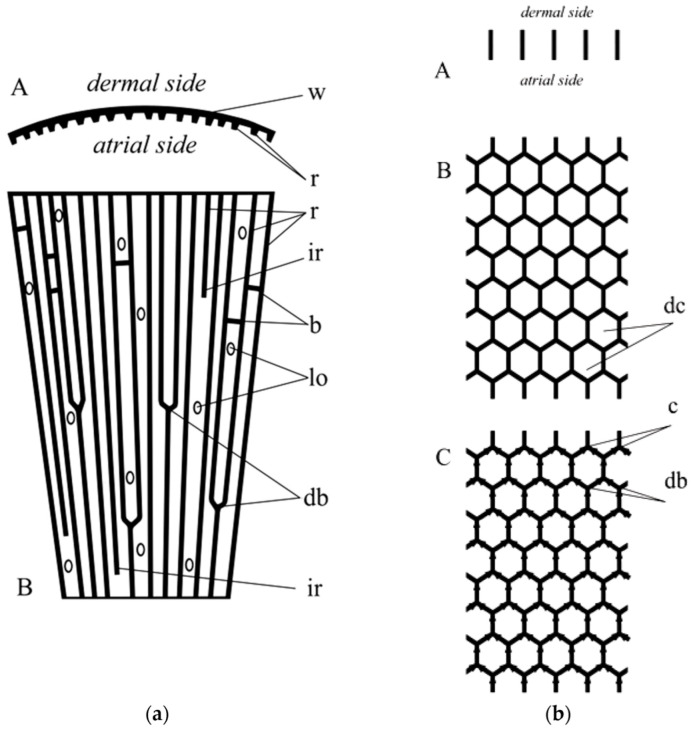
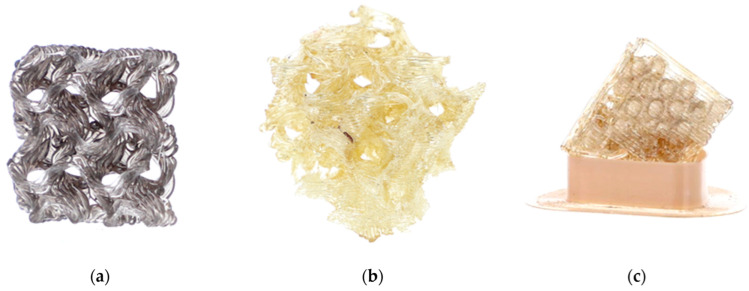
Structural bioinspiration in modern material science and biomimetics represents an actual trend that was originally based on the bioarchitectural diversity of invertebrate skeletons, specifically, honeycomb constructs of natural origin, which have been in humanities focus since ancient times. We conducted a study on the principles of bioarchitecture regarding the unique biosilica-based honeycomb-like skeleton of the deep-sea glass sponge . Experimental data show, with compelling evidence, the location of actin filaments within honeycomb-formed hierarchical siliceous walls. Principles of the unique hierarchical organization of such formations are discussed. Inspired by poriferan honeycomb biosilica, we designed diverse models, including 3D printing, using PLA-, resin-, and synthetic-glass-prepared corresponding microtomography-based 3D reconstruction.
现代材料科学与仿生学中的结构生物启发是一种实际趋势,其最初基于无脊椎动物骨骼的生物结构多样性,具体而言,是天然来源的蜂窝结构,自古以来就备受人文关注。我们对深海玻璃海绵独特的基于生物二氧化硅的蜂窝状骨架的生物结构原理进行了研究。实验数据有力地证明了肌动蛋白丝在蜂窝状分层硅质壁内的位置。讨论了这种结构独特分层组织的原理。受海绵动物蜂窝状生物二氧化硅的启发,我们设计了多种模型,包括3D打印,使用基于聚乳酸、树脂和合成玻璃制备的相应显微断层扫描3D重建。