Stanciu Magdalena-Cristina, Nichifor Marieta, Teacă Carmen-Alice
Natural Polymers, Bioactive and Biocompatible Materials Department, "Petru Poni" Institute of Macromolecular Chemistry, 41A, Gr. Ghica-Voda Alley, 700487 Iasi, Romania.
Center for Advanced Research in Bionanoconjugates and Biopolymers, "Petru Poni" Institute of Macromolecular Chemistry, 41A, Gr. Ghica-Voda Alley, 700487 Iasi, Romania.
Gels. 2023 Jun 19;9(6):500. doi: 10.3390/gels9060500.
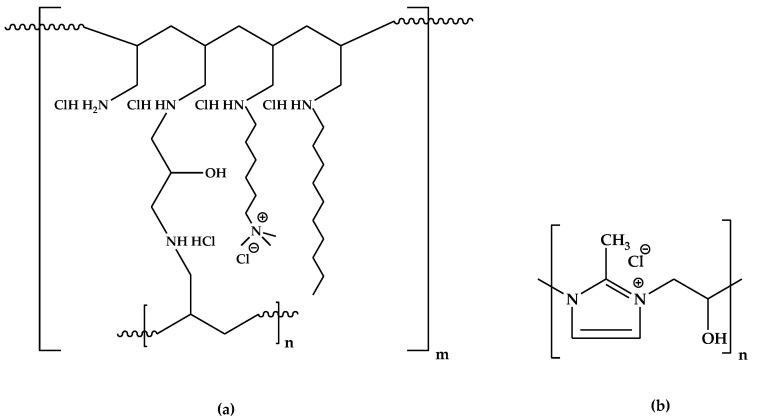
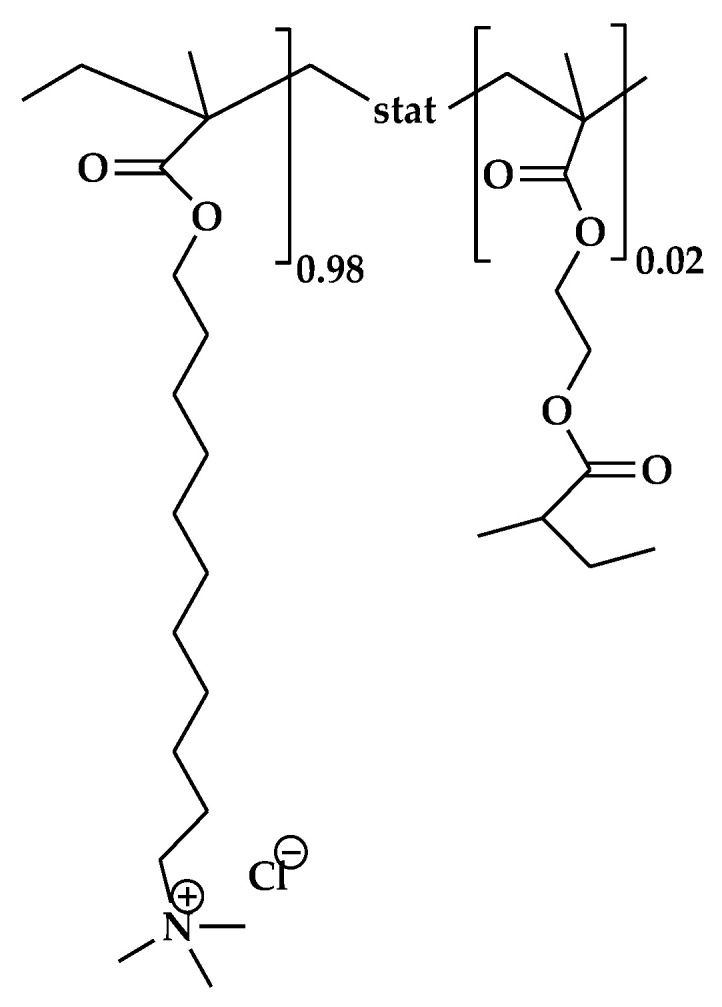
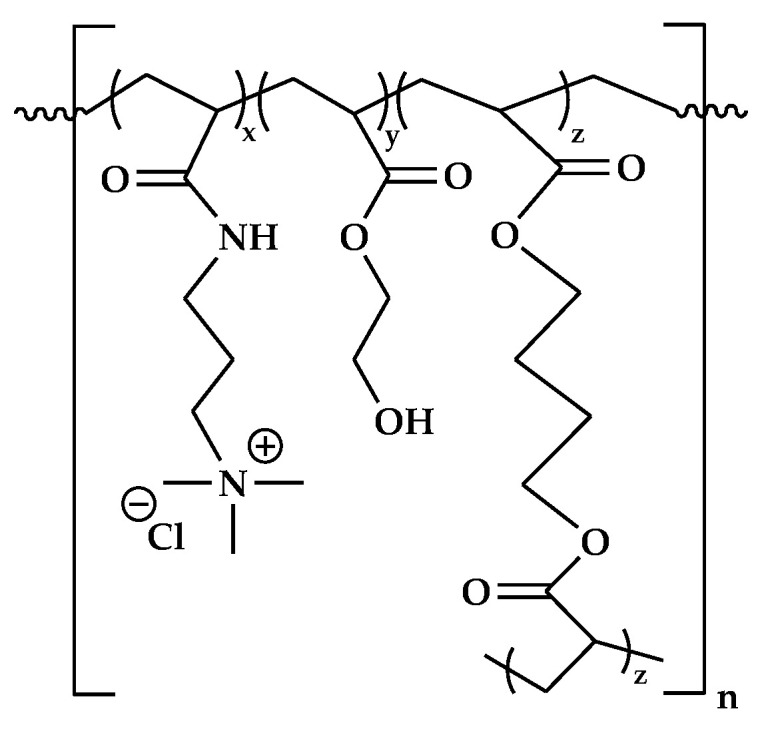
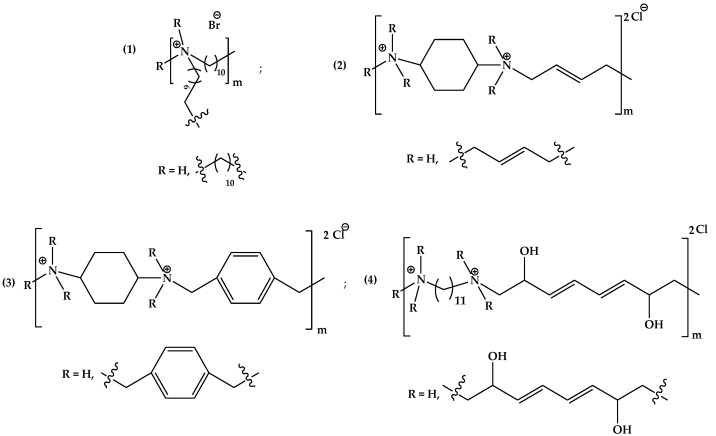
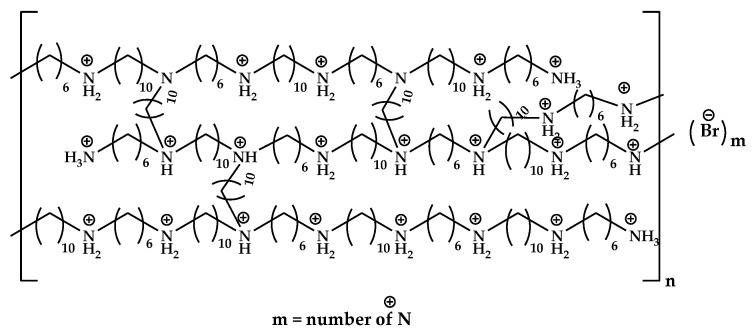
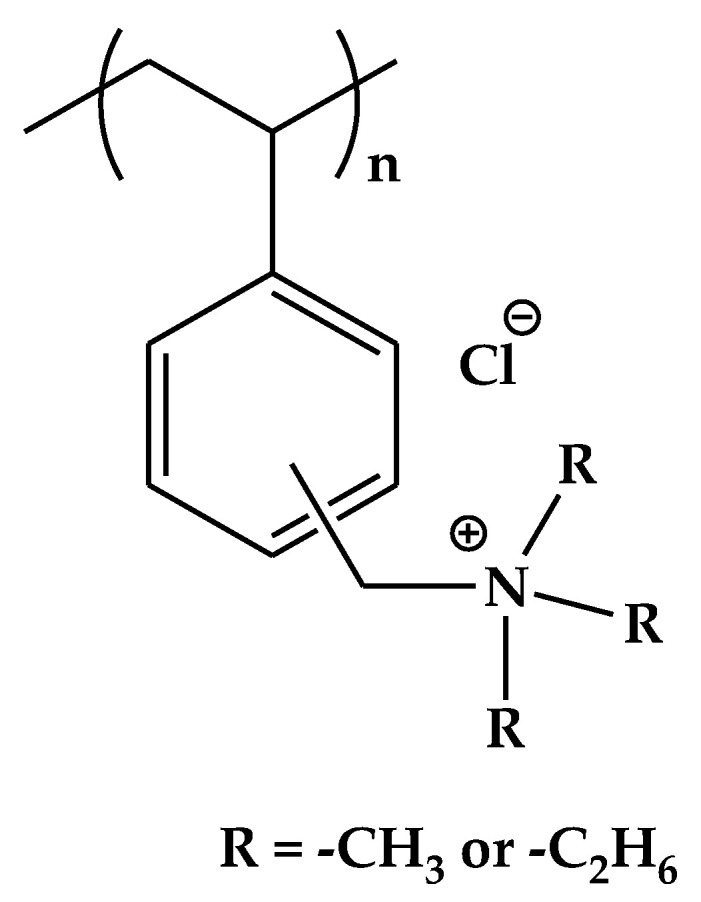
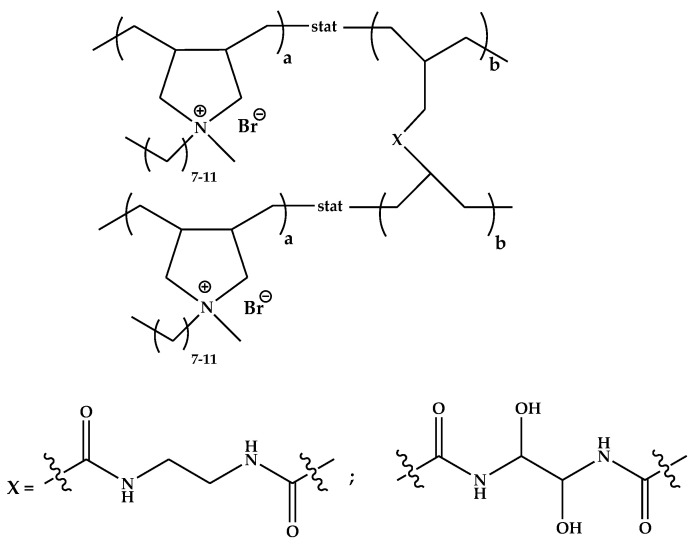
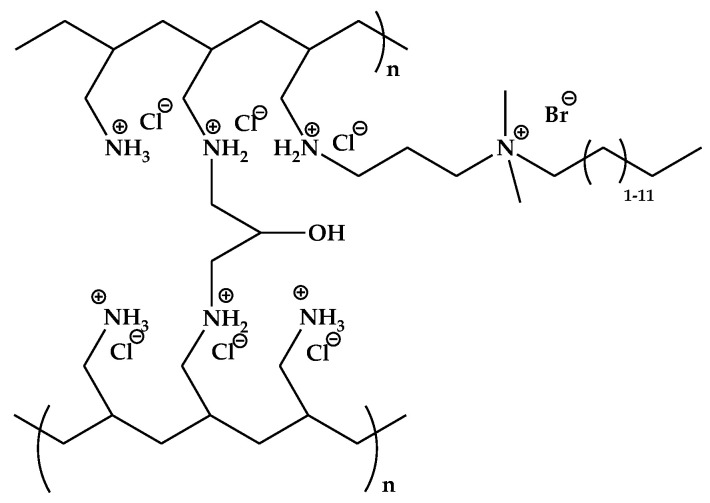
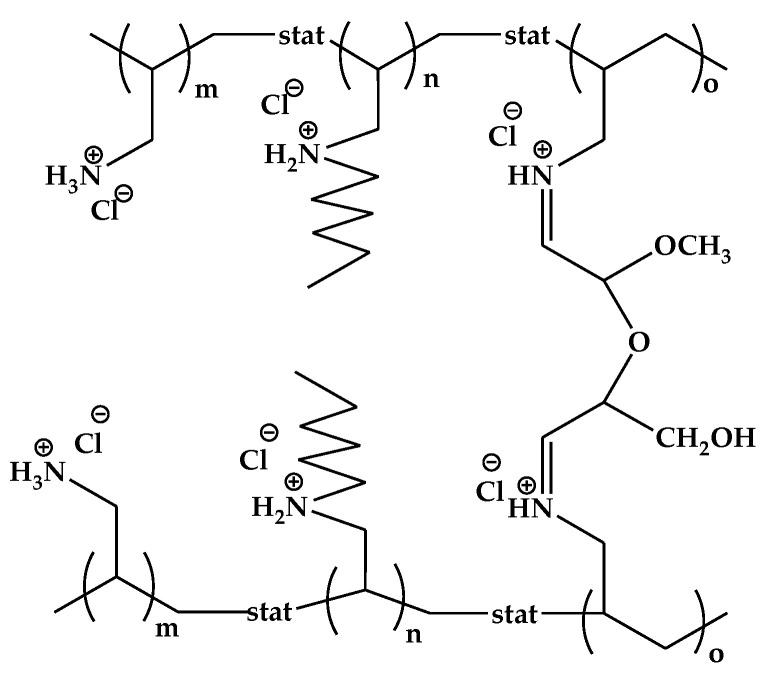
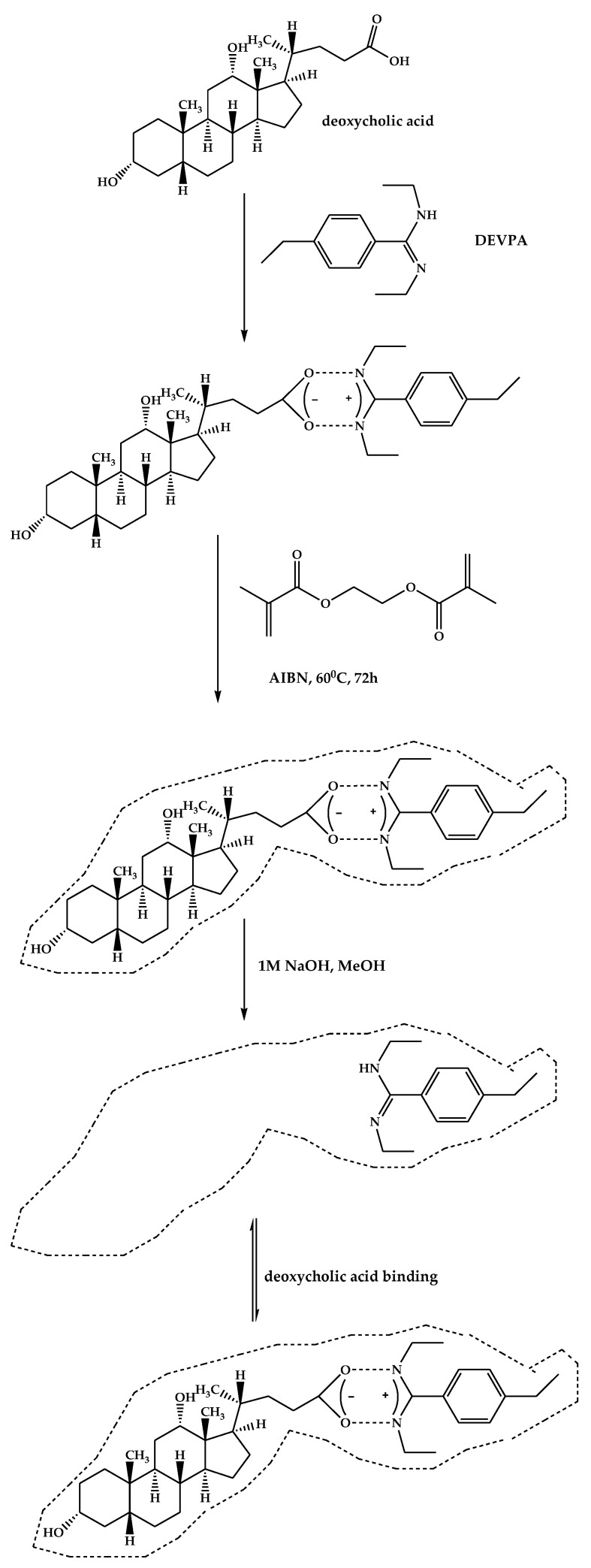
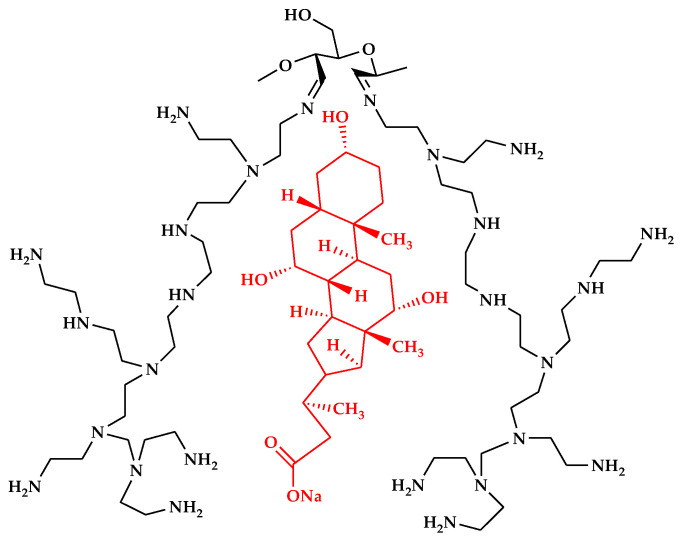
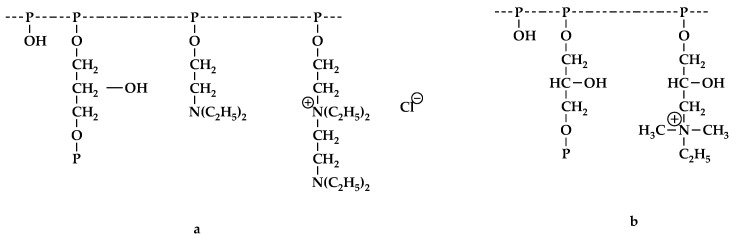
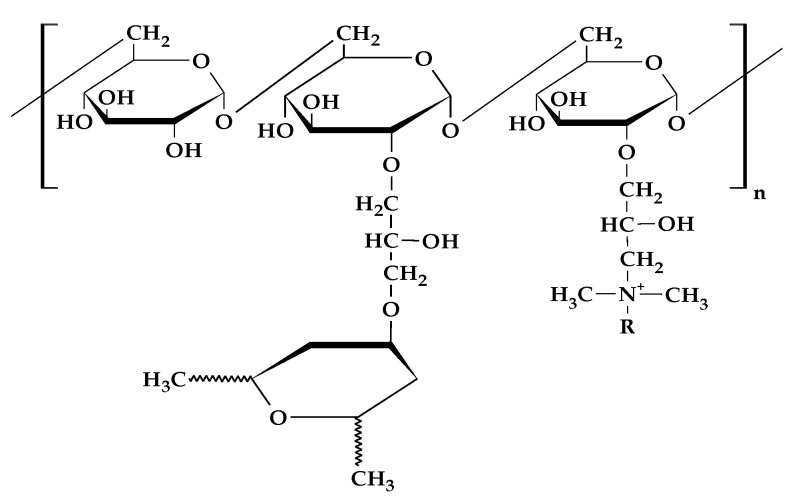
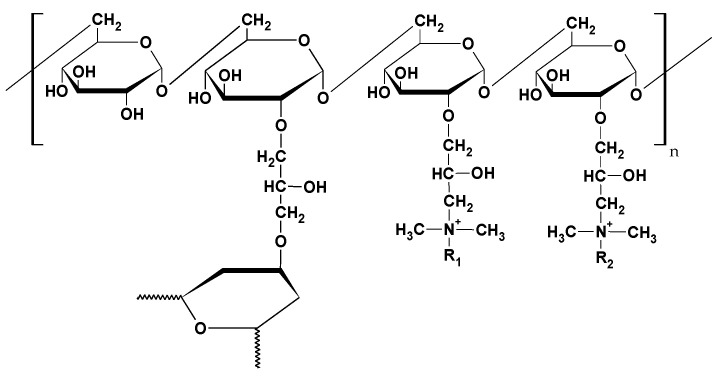
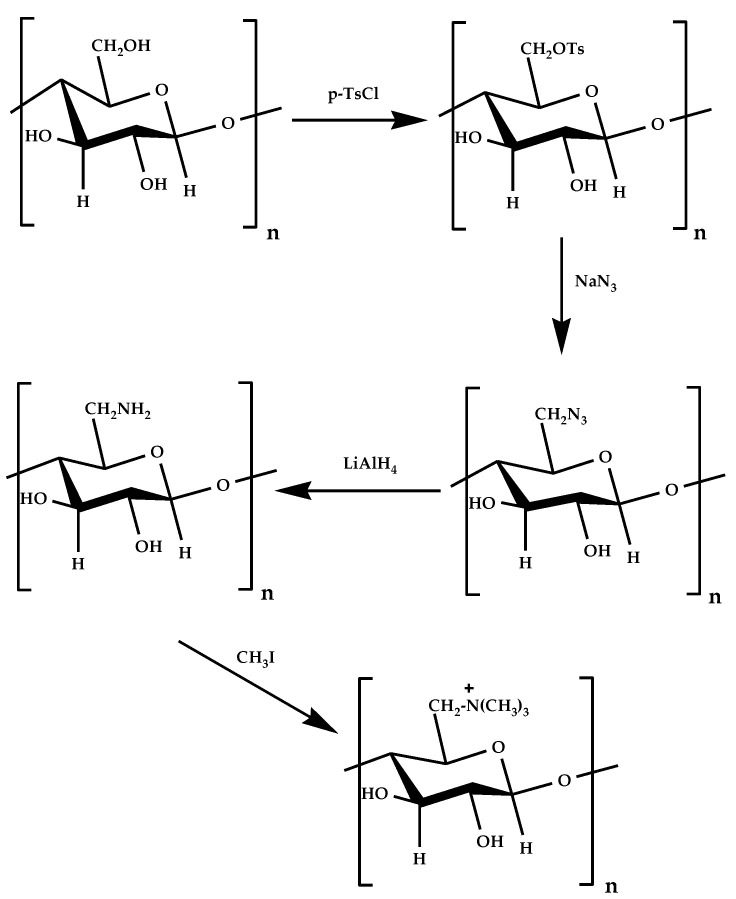
Bile acid sequestrants (BASs) are non-systemic therapeutic agents used for the management of hypercholesterolemia. They are generally safe and not associated with serious systemic adverse effects. Usually, BASs are cationic polymeric gels that have the ability to bind bile salts in the small intestine and eliminate them by excretion of the non-absorbable polymer-bile salt complex. This review gives a general presentation of bile acids and the characteristics and mechanisms of action of BASs. The chemical structures and methods of synthesis are shown for commercial BASs of first- (cholestyramine, colextran, and colestipol) and second-generation (colesevelam and colestilan) and potential BASs. The latter are based on either synthetic polymers such as poly((meth)acrylates/acrylamides), poly(alkylamines), poly(allylamines) and vinyl benzyl amino polymers or biopolymers, such as cellulose, dextran, pullulan, methylan, and poly(cyclodextrins). A separate section is dedicated to molecular imprinting polymers (MIPs) because of their great selectivity and affinity for the template molecules used in the imprinting technique. Focus is given to the understanding of the relationships between the chemical structure of these cross-linked polymers and their potential to bind bile salts. The synthetic pathways used in obtaining BASs and their in vitro and in vivo hypolipidemic activities are also introduced.
胆汁酸螯合剂(BASs)是用于治疗高胆固醇血症的非全身性治疗药物。它们通常安全,且不伴有严重的全身性不良反应。通常,BASs是阳离子聚合物凝胶,能够在小肠中结合胆汁盐,并通过排泄不可吸收的聚合物 - 胆汁盐复合物将其清除。本综述概述了胆汁酸以及BASs的特性和作用机制。展示了第一代(考来烯胺、共聚维酮和考来替泊)和第二代(考来维仑和考来替兰)商用BASs以及潜在BASs的化学结构和合成方法。后者基于合成聚合物,如聚((甲基)丙烯酸酯/丙烯酰胺)、聚(烷基胺)、聚(烯丙胺)和乙烯基苄基氨基聚合物,或生物聚合物,如纤维素、葡聚糖、支链淀粉、甲基纤维素和聚(环糊精)。由于分子印迹聚合物(MIPs)对印迹技术中使用的模板分子具有高度的选择性和亲和力,因此专门用一个章节进行介绍。重点在于理解这些交联聚合物的化学结构与其结合胆汁盐的潜力之间的关系。还介绍了制备BASs所采用的合成途径及其体外和体内的降血脂活性。