JAM Conseil, 92200 Neuilly-sur-Seine, France.
Department of Chemistry, Politecnico di Milano, 20133 Milan, Italy.
Int J Mol Sci. 2023 Jun 19;24(12):10329. doi: 10.3390/ijms241210329.
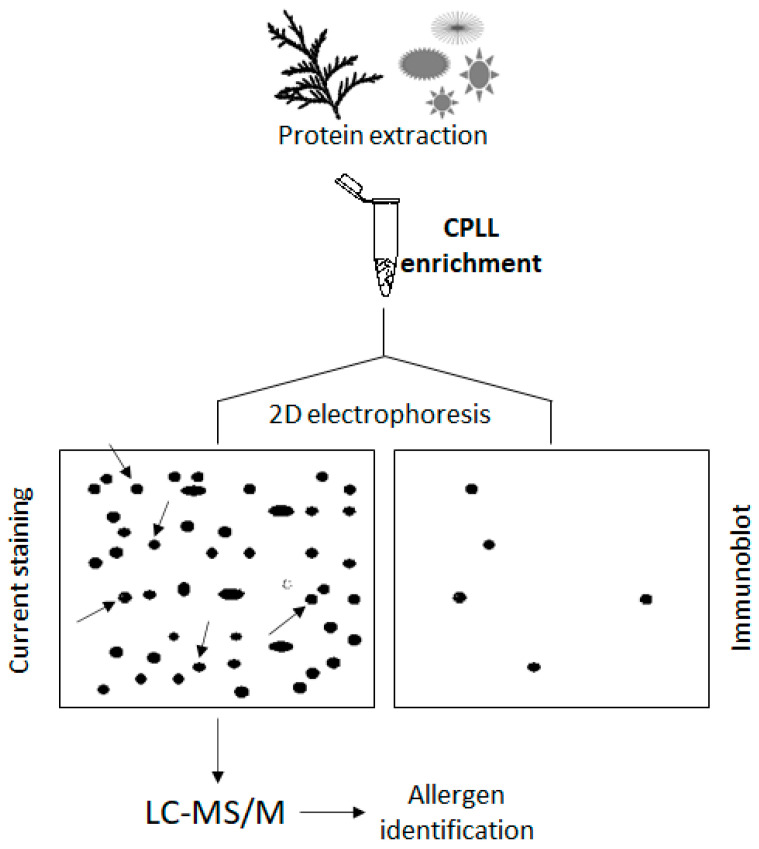
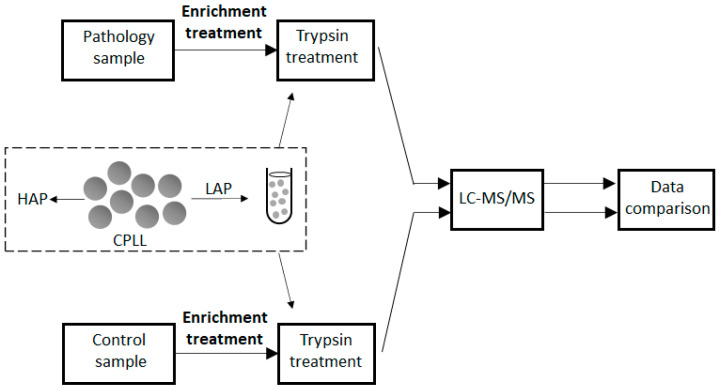
The discovery of low- and very low-abundance proteins in medical applications is considered a key success factor in various important domains. To reach this category of proteins, it is essential to adopt procedures consisting of the selective enrichment of species that are present at extremely low concentrations. In the past few years pathways towards this objective have been proposed. In this review, a general landscape of the enrichment technology situation is made first with the presentation and the use of combinatorial peptide libraries. Then, a description of this peculiar technology for the identification of early-stage biomarkers for well-known pathologies with concrete examples is given. In another field of medical applications, the determination of host cell protein traces potentially present in recombinant therapeutic proteins, such as antibodies, is discussed along with their potentially deleterious effects on the health of patients on the one hand, and on the stability of these biodrugs on the other hand. Various additional applications of medical interest are disclosed for biological fluids investigations where the target proteins are present at very low concentrations (e.g., protein allergens).
在医学应用中发现低丰度和极低丰度蛋白质被认为是各个重要领域的关键成功因素。为了达到这一类蛋白质,必须采用选择性富集存在于极低浓度的物种的程序。在过去的几年中,已经提出了实现这一目标的途径。在这篇综述中,首先通过组合肽文库的介绍和使用,对富集技术的现状进行了概述。然后,通过具体实例,对用于鉴定众所周知的病理的早期生物标志物的这种特殊技术进行了描述。在医学应用的另一个领域中,讨论了确定重组治疗性蛋白质(如抗体)中潜在存在的宿主细胞蛋白痕迹,一方面是因为这些蛋白对患者健康的潜在有害影响,另一方面是因为这些生物药物的稳定性。对于目标蛋白浓度极低的生物体液研究(例如,蛋白过敏原),还揭示了其他一些医学相关的应用。