
ω-3脂肪酸对胰岛素抵抗的影响。
The Effect of Omega-3 Fatty Acids on Insulin Resistance.
作者信息
Sinha Susmita, Haque Mainul, Lugova Halyna, Kumar Santosh
机构信息
Department of Physiology, Khulna City Medical College and Hospital, 33 KDA Avenue, Hotel Royal Crossing, Khulna Sadar, Khulna 9100, Bangladesh.
The Unit of Pharmacology, Faculty of Medicine and Defence Health, Universiti Pertahanan Nasional Malaysia (National Defence University of Malaysia), Kem Perdana Sungai Besi, Kuala Lumpur 57000, Malaysia.
出版信息
Life (Basel). 2023 Jun 5;13(6):1322. doi: 10.3390/life13061322.
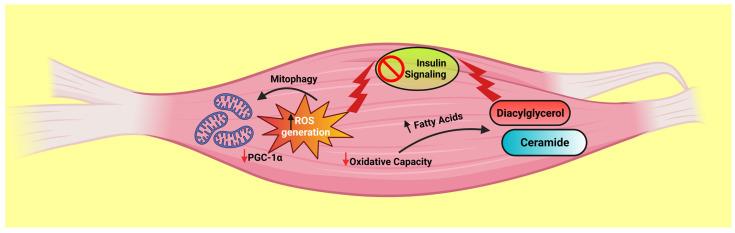
Insulin resistance is a critical pathophysiological process in the onset and advancement of type 2 diabetes mellitus. It is well-recognized that alterations in the metabolism of lipids and aberrant fat buildup effectively trigger the development of resistance to insulin. Adjusting one's eating habits and managing weight appropriately are crucial for treating, controlling, and reducing the risk of T2DM because obesity and a lack of physical exercise are the primary factors responsible for the worldwide rise in T2DM. Omega-3 fatty acid is one of the polyunsaturated fatty acids (PUFA) that include long-chain omega-3 fatty acids such as eicosapentaenoic acid and docosahexaenoic acid, commonly found in fish oils. Omega-3 and omega-6 polyunsaturated fatty acids (PUFAs; 3 and 6 PUFAs) are essential for human health because they serve as metabolic precursors of eicosanoids, a class of signaling molecules that are essential for controlling a body's inflammation. Since humans are unable to produce any of the omega-3 or omega-6 PUFAs, they both constitute imperative nutritional ingredients. Long-standing concerns about long-chain omega-3 fatty acids' impact on diabetes management have been supported by experimental investigations that found significant increases in fasting glucose following omega-3 fatty acid supplementation and foods rich in PUFA and omega-3 fatty acid. Cellular explanations to explain the connection between inflammation and IR include mitochondrial dysfunction, endoplasmic reticulum (ER) stress, and oxidative stress. Modifications in the lipid composition of mitochondrial membranes and/or receptor-mediated signaling may be part of the mechanism behind the activation of mitochondrial fusion by fish oil/omega-3 PUFA. The exact molecular processes by which omega-3 PUFAs control mitochondrial activity to defend against IR are still unknown.
胰岛素抵抗是2型糖尿病发生和进展的关键病理生理过程。众所周知,脂质代谢改变和异常脂肪堆积有效地引发了胰岛素抵抗的发展。调整饮食习惯和适当控制体重对于治疗、控制和降低2型糖尿病风险至关重要,因为肥胖和缺乏体育锻炼是全球2型糖尿病发病率上升的主要因素。ω-3脂肪酸是多不饱和脂肪酸(PUFA)之一,包括长链ω-3脂肪酸,如二十碳五烯酸和二十二碳六烯酸,常见于鱼油中。ω-3和ω-6多不饱和脂肪酸(PUFAs;3和6 PUFAs)对人类健康至关重要,因为它们是类花生酸的代谢前体,类花生酸是一类对控制身体炎症至关重要的信号分子。由于人类无法产生任何ω-3或ω-6 PUFAs,它们都是必需的营养成分。长期以来,关于长链ω-3脂肪酸对糖尿病管理影响的担忧得到了实验研究的支持,这些研究发现补充ω-3脂肪酸以及富含PUFA和ω-3脂肪酸的食物后空腹血糖显著升高。解释炎症与胰岛素抵抗之间联系的细胞机制包括线粒体功能障碍、内质网(ER)应激和氧化应激。线粒体膜脂质组成的改变和/或受体介导的信号传导可能是鱼油/ω-3 PUFA激活线粒体融合背后机制的一部分。ω-3 PUFAs控制线粒体活性以抵御胰岛素抵抗的确切分子过程仍然未知。


 Zotero 插件