• 文献检索
  • 文档翻译
  • 深度研究
  • 学术资讯
  • Suppr Zotero 插件Zotero 插件
  • 邀请有礼
  • 套餐&价格
  • 历史记录
应用&插件
Suppr Zotero 插件Zotero 插件浏览器插件Mac 客户端Windows 客户端微信小程序
定价
高级版会员购买积分包购买API积分包
服务
文献检索文档翻译深度研究API 文档MCP 服务
关于我们
关于 Suppr公司介绍联系我们用户协议隐私条款
关注我们

Suppr 超能文献

核心技术专利:CN118964589B侵权必究
粤ICP备2023148730 号-1Suppr @ 2026

文献检索

告别复杂PubMed语法,用中文像聊天一样搜索,搜遍4000万医学文献。AI智能推荐,让科研检索更轻松。

立即免费搜索

文件翻译

保留排版,准确专业,支持PDF/Word/PPT等文件格式,支持 12+语言互译。

免费翻译文档

深度研究

AI帮你快速写综述,25分钟生成高质量综述,智能提取关键信息,辅助科研写作。

立即免费体验

粉末床熔融中的多金属研究:综述

Multimetal Research in Powder Bed Fusion: A Review.

作者信息

Yao Liming, Ramesh Aditya, Xiao Zhongmin, Chen Yang, Zhuang Quihui

机构信息

State Key Laboratory of Robotics and Systems (HIT), Harbin 150000, China.

School of Mechanical and Aerospace Engineering, Nanyang Technological University, 50 Nanyang Avenue, Singapore 639798, Singapore.

出版信息

Materials (Basel). 2023 Jun 9;16(12):4287. doi: 10.3390/ma16124287.

DOI:10.3390/ma16124287
PMID:37374471
原文链接:https://pmc.ncbi.nlm.nih.gov/articles/PMC10305177/
Abstract

This article discusses the different forms of powder bed fusion (PBF) techniques, namely laser powder bed fusion (LPBF), electron beam powder bed fusion (EB-PBF) and large-area pulsed laser powder bed fusion (L-APBF). The challenges faced in multimetal additive manufacturing, including material compatibility, porosity, cracks, loss of alloying elements and oxide inclusions, have been extensively discussed. Solutions proposed to overcome these challenges include the optimization of printing parameters, the use of support structures, and post-processing techniques. Future research on metal composites, functionally graded materials, multi-alloy structures and materials with tailored properties are needed to address these challenges and improve the quality and reliability of the final product. The advancement of multimetal additive manufacturing can offer significant benefits for various industries.

摘要

本文讨论了粉末床熔融(PBF)技术的不同形式,即激光粉末床熔融(LPBF)、电子束粉末床熔融(EB-PBF)和大面积脉冲激光粉末床熔融(L-APBF)。文中广泛讨论了多金属增材制造面临的挑战,包括材料兼容性、孔隙率、裂纹、合金元素损失和氧化物夹杂。为克服这些挑战而提出的解决方案包括优化打印参数、使用支撑结构和后处理技术。需要对金属复合材料、功能梯度材料、多合金结构和具有定制性能的材料进行未来研究,以应对这些挑战并提高最终产品的质量和可靠性。多金属增材制造的进步可为各个行业带来显著益处。
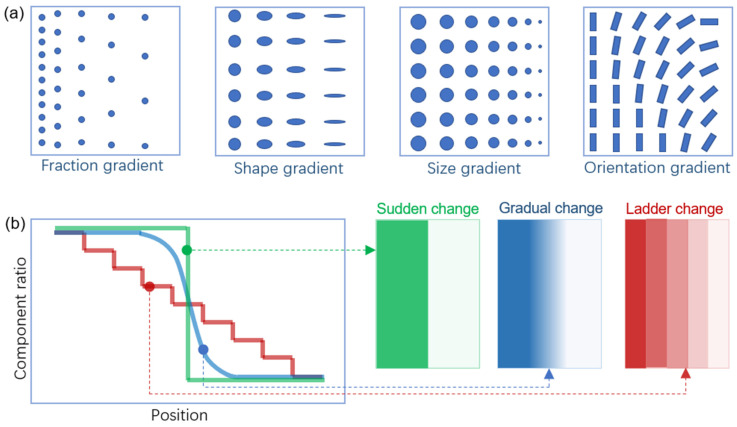
https://cdn.ncbi.nlm.nih.gov/pmc/blobs/ce4b/10305177/da99f07dd711/materials-16-04287-g011.jpg
https://cdn.ncbi.nlm.nih.gov/pmc/blobs/ce4b/10305177/1bbbd9102b02/materials-16-04287-g001.jpg
https://cdn.ncbi.nlm.nih.gov/pmc/blobs/ce4b/10305177/c3316a9d808a/materials-16-04287-g002.jpg
https://cdn.ncbi.nlm.nih.gov/pmc/blobs/ce4b/10305177/da96e82ef9a4/materials-16-04287-g003.jpg
https://cdn.ncbi.nlm.nih.gov/pmc/blobs/ce4b/10305177/8cbd3fef6965/materials-16-04287-g004.jpg
https://cdn.ncbi.nlm.nih.gov/pmc/blobs/ce4b/10305177/558ef8810f3e/materials-16-04287-g005.jpg
https://cdn.ncbi.nlm.nih.gov/pmc/blobs/ce4b/10305177/7132e27ae5c2/materials-16-04287-g006.jpg
https://cdn.ncbi.nlm.nih.gov/pmc/blobs/ce4b/10305177/464ec94b13ae/materials-16-04287-g007.jpg
https://cdn.ncbi.nlm.nih.gov/pmc/blobs/ce4b/10305177/06f204397a76/materials-16-04287-g008.jpg
https://cdn.ncbi.nlm.nih.gov/pmc/blobs/ce4b/10305177/869c5237fe50/materials-16-04287-g009.jpg
https://cdn.ncbi.nlm.nih.gov/pmc/blobs/ce4b/10305177/6e0eba0f86b8/materials-16-04287-g010.jpg
https://cdn.ncbi.nlm.nih.gov/pmc/blobs/ce4b/10305177/da99f07dd711/materials-16-04287-g011.jpg
https://cdn.ncbi.nlm.nih.gov/pmc/blobs/ce4b/10305177/1bbbd9102b02/materials-16-04287-g001.jpg
https://cdn.ncbi.nlm.nih.gov/pmc/blobs/ce4b/10305177/c3316a9d808a/materials-16-04287-g002.jpg
https://cdn.ncbi.nlm.nih.gov/pmc/blobs/ce4b/10305177/da96e82ef9a4/materials-16-04287-g003.jpg
https://cdn.ncbi.nlm.nih.gov/pmc/blobs/ce4b/10305177/8cbd3fef6965/materials-16-04287-g004.jpg
https://cdn.ncbi.nlm.nih.gov/pmc/blobs/ce4b/10305177/558ef8810f3e/materials-16-04287-g005.jpg
https://cdn.ncbi.nlm.nih.gov/pmc/blobs/ce4b/10305177/7132e27ae5c2/materials-16-04287-g006.jpg
https://cdn.ncbi.nlm.nih.gov/pmc/blobs/ce4b/10305177/464ec94b13ae/materials-16-04287-g007.jpg
https://cdn.ncbi.nlm.nih.gov/pmc/blobs/ce4b/10305177/06f204397a76/materials-16-04287-g008.jpg
https://cdn.ncbi.nlm.nih.gov/pmc/blobs/ce4b/10305177/869c5237fe50/materials-16-04287-g009.jpg
https://cdn.ncbi.nlm.nih.gov/pmc/blobs/ce4b/10305177/6e0eba0f86b8/materials-16-04287-g010.jpg
https://cdn.ncbi.nlm.nih.gov/pmc/blobs/ce4b/10305177/da99f07dd711/materials-16-04287-g011.jpg

相似文献

1
Multimetal Research in Powder Bed Fusion: A Review.粉末床熔融中的多金属研究:综述
Materials (Basel). 2023 Jun 9;16(12):4287. doi: 10.3390/ma16124287.
2
Laser additive manufacturing of biodegradable magnesium alloy WE43: A detailed microstructure analysis.激光增材制造可生物降解镁合金 WE43:详细的微观结构分析。
Acta Biomater. 2019 Oct 15;98:36-49. doi: 10.1016/j.actbio.2019.05.056. Epub 2019 May 25.
3
Advancements in Additive Manufacturing of Tantalum via the Laser Powder Bed Fusion (PBF-LB/M): A Comprehensive Review.通过激光粉末床熔融(PBF-LB/M)进行钽的增材制造进展:全面综述
Materials (Basel). 2023 Sep 27;16(19):6419. doi: 10.3390/ma16196419.
4
Effect of Laser Scanning Speed on the Microstructure and Mechanical Properties of Laser-Powder-Bed-Fused K418 Nickel-Based Alloy.激光扫描速度对激光粉末床熔融K418镍基合金微观结构和力学性能的影响
Materials (Basel). 2022 Apr 22;15(9):3045. doi: 10.3390/ma15093045.
5
In-Situ Alloy Formation of a WMoTaNbV Refractory Metal High Entropy Alloy by Laser Powder Bed Fusion (PBF-LB/M).通过激光粉末床熔融(PBF-LB/M)原位合金化制备WMoTaNbV难熔金属高熵合金
Materials (Basel). 2021 Jun 4;14(11):3095. doi: 10.3390/ma14113095.
6
Research Progress on Laser Powder Bed Fusion Additive Manufacturing of Zinc Alloys.锌合金激光粉末床熔融增材制造的研究进展
Materials (Basel). 2024 Aug 30;17(17):4309. doi: 10.3390/ma17174309.
7
Laser Powder-Bed Fusion as an Alloy Development Tool: Parameter Selection for In-Situ Alloying Using Elemental Powders.激光粉末床熔融作为一种合金开发工具:使用元素粉末进行原位合金化的参数选择
Materials (Basel). 2020 Sep 4;13(18):3922. doi: 10.3390/ma13183922.
8
Advancements in the Additive Manufacturing of Magnesium and Aluminum Alloys through Laser-Based Approach.基于激光方法的镁合金和铝合金增材制造进展
Materials (Basel). 2022 Nov 16;15(22):8122. doi: 10.3390/ma15228122.
9
Additive manufacturing of Zn-Mg alloy porous scaffolds with enhanced osseointegration: In vitro and in vivo studies.具有增强骨整合能力的 Zn-Mg 合金多孔支架的增材制造:体外和体内研究。
Acta Biomater. 2022 Jun;145:403-415. doi: 10.1016/j.actbio.2022.03.055. Epub 2022 Apr 2.
10
Powder based additive manufacturing for biomedical application of titanium and its alloys: a review.用于钛及其合金生物医学应用的基于粉末的增材制造:综述
Biomed Eng Lett. 2020 Oct 26;10(4):505-516. doi: 10.1007/s13534-020-00177-2. eCollection 2020 Nov.

引用本文的文献

1
Research and Applications of Additive Manufacturing in Oil and Gas Extraction and Gathering Engineering.增材制造在油气开采与集输工程中的研究与应用
Materials (Basel). 2025 Jul 17;18(14):3353. doi: 10.3390/ma18143353.
2
Advancements in 3D printing technologies for personalized treatment of osteonecrosis of the femoral head.用于股骨头坏死个性化治疗的3D打印技术进展
Mater Today Bio. 2025 Feb 4;31:101531. doi: 10.1016/j.mtbio.2025.101531. eCollection 2025 Apr.
3
Influence of Process Parameters on Selected Properties of Ti6Al4V Manufacturing via L-PBF Process.

本文引用的文献

1
Laser Powder Bed Fusion of Dissimilar Metal Materials: A Review.异种金属材料的激光粉末床熔融:综述
Materials (Basel). 2023 Mar 30;16(7):2757. doi: 10.3390/ma16072757.
2
Requirements for Processing High-Strength AlZnMgCu Alloys with PBF-LB/M to Achieve Crack-Free and Dense Parts.采用PBF-LB/M工艺加工高强度AlZnMgCu合金以获得无裂纹且致密零件的要求。
Materials (Basel). 2021 Nov 25;14(23):7190. doi: 10.3390/ma14237190.
3
Additive Manufacturing Processes in Medical Applications.医学应用中的增材制造工艺
工艺参数对通过激光粉末床熔融工艺制造Ti6Al4V所选性能的影响。
Materials (Basel). 2024 Sep 5;17(17):4384. doi: 10.3390/ma17174384.
4
The Effect of Scanning Strategy on the Thermal Behavior and Residual Stress Distribution of Damping Alloys during Selective Laser Melting.扫描策略对阻尼合金在选择性激光熔化过程中的热行为和残余应力分布的影响
Materials (Basel). 2024 Jun 14;17(12):2912. doi: 10.3390/ma17122912.
5
Powder Bed Fusion 3D Printing in Precision Manufacturing for Biomedical Applications: A Comprehensive Review.用于生物医学应用的精密制造中的粉末床熔融3D打印:全面综述
Materials (Basel). 2024 Feb 5;17(3):769. doi: 10.3390/ma17030769.
6
Multiscale Analysis of Composite Structures with Artificial Neural Network Support for Micromodel Stress Determination.基于人工神经网络支持的复合材料结构多尺度分析用于微观模型应力测定
Materials (Basel). 2023 Dec 27;17(1):154. doi: 10.3390/ma17010154.
7
Interface Analysis between Inconel 625 and Cobalt-Chromium Alloy Fabricated by Powder Bed Fusion Using Pulsed Wave Laser.使用脉冲波激光通过粉末床熔融制造的因科镍合金625与钴铬合金之间的界面分析
Materials (Basel). 2023 Sep 28;16(19):6456. doi: 10.3390/ma16196456.
8
A Review on Multiplicity in Multi-Material Additive Manufacturing: Process, Capability, Scale, and Structure.多材料增材制造中的多样性综述:工艺、能力、规模和结构
Materials (Basel). 2023 Jul 26;16(15):5246. doi: 10.3390/ma16155246.
Materials (Basel). 2021 Jan 3;14(1):191. doi: 10.3390/ma14010191.
4
Pyrometric-Based Melt Pool Monitoring Study of CuCr1Zr Processed Using L-PBF.基于高温测量法的激光粉末床熔融工艺制备CuCr1Zr熔池监测研究
Materials (Basel). 2020 Oct 16;13(20):4626. doi: 10.3390/ma13204626.
5
Controlling interdependent meso-nanosecond dynamics and defect generation in metal 3D printing.控制金属 3D 打印中的介观纳秒级动力学和缺陷生成。
Science. 2020 May 8;368(6491):660-665. doi: 10.1126/science.aay7830.
6
High-resolution tomographic volumetric additive manufacturing.高分辨率断层扫描体积增材制造
Nat Commun. 2020 Feb 12;11(1):852. doi: 10.1038/s41467-020-14630-4.
7
Additive manufacturing of biodegradable metals: Current research status and future perspectives.可生物降解金属的增材制造:当前研究现状和未来展望。
Acta Biomater. 2019 Oct 15;98:3-22. doi: 10.1016/j.actbio.2019.04.046. Epub 2019 Apr 25.
8
Additive Manufacturing Processes: Selective Laser Melting, Electron Beam Melting and Binder Jetting-Selection Guidelines.增材制造工艺:选择性激光熔化、电子束熔化和粘结剂喷射——选择指南。
Materials (Basel). 2017 Jun 19;10(6):672. doi: 10.3390/ma10060672.
9
Printability of alloys for additive manufacturing.用于增材制造的合金的可打印性。
Sci Rep. 2016 Jan 22;6:19717. doi: 10.1038/srep19717.
10
Porosity Measurements and Analysis for Metal Additive Manufacturing Process Control.用于金属增材制造过程控制的孔隙率测量与分析
J Res Natl Inst Stand Technol. 2014 Sep 16;119:494-528. doi: 10.6028/jres.119.019. eCollection 2014.