González-López Pablo, Gómez-Revuelta Cristina, Puchol Rizo Martin, Verdú Martínez Iván, Fernández Villa de Rey Salgado Jaime, Lafuente Jesús, Fernández-Jover Eduardo, Fernández-Cornejo Víctor, Nieto-Navarro Juan
Department of Neurosurgery, Alicante General University Hospital, Alicante Institute of Health and Biomedical Research (ISABIAL), Avda. Pintor Baeza Sn, 03010, Alicante, Spain.
Department of Neurosurgery, Hospital Universitario del Mar, Pg. Marítim de la Barceloneta, 25, 29, 08003, Barcelona, Spain.
Brain Spine. 2023 Apr 5;3:101736. doi: 10.1016/j.bas.2023.101736. eCollection 2023.
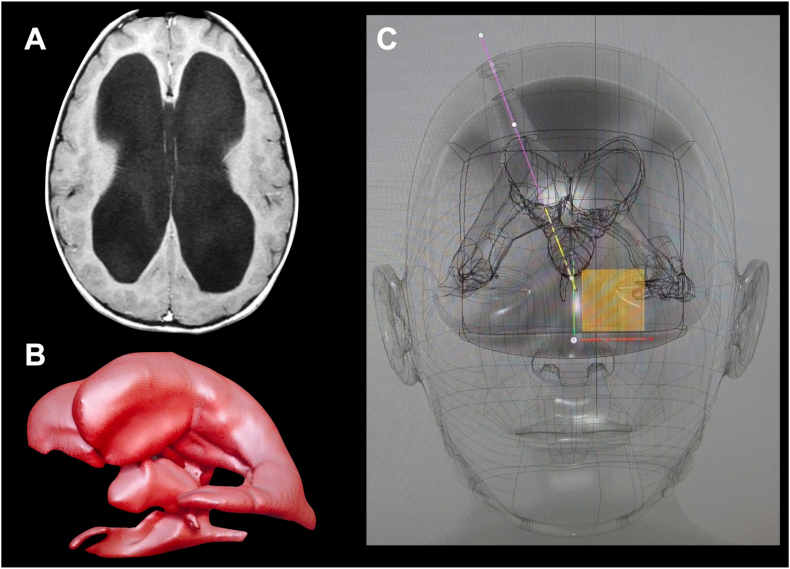
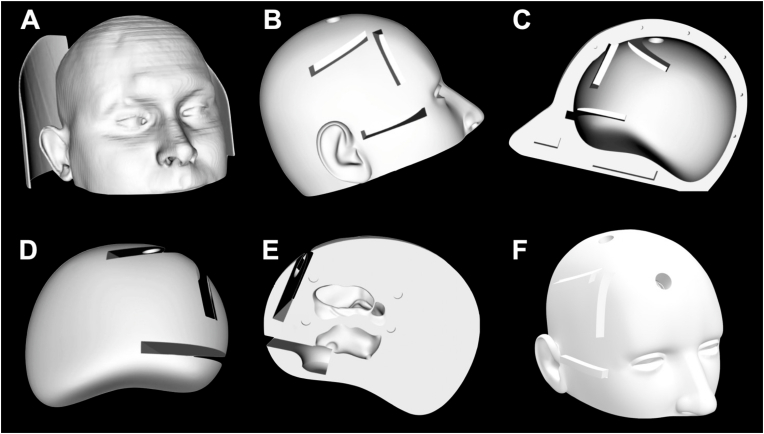
Pediatric hydrocephalus is highly prevalent and therefore a major neurosurgical problem in Africa. In addition to ventriculoperitoneal shunts, which have high cost and potential complications, endoscopic third ventriculostomy is becoming an increasingly popular technique especially in this part of the world. However, performing this procedure requires trained neurosurgeons with an optimal learning curve. For this reason, we have developed a 3D printed training model of hydrocephalus so that neurosurgeons without previous experience with endoscopic techniques can acquire these skills, especially in low-income countries, where specific techniques training as this, are relatively absent.
Our research question was about the possibility to develop and produce a low-cost endoscopic training model and to evaluate the usefulness and the skills acquired after training with it.
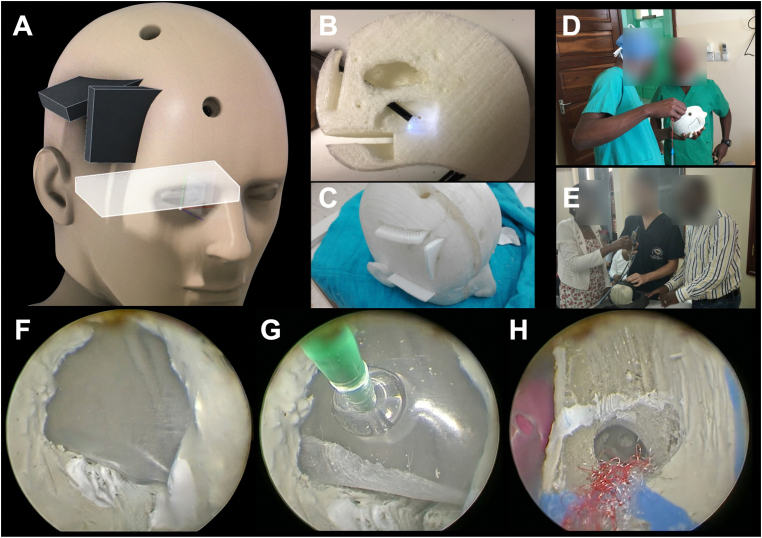
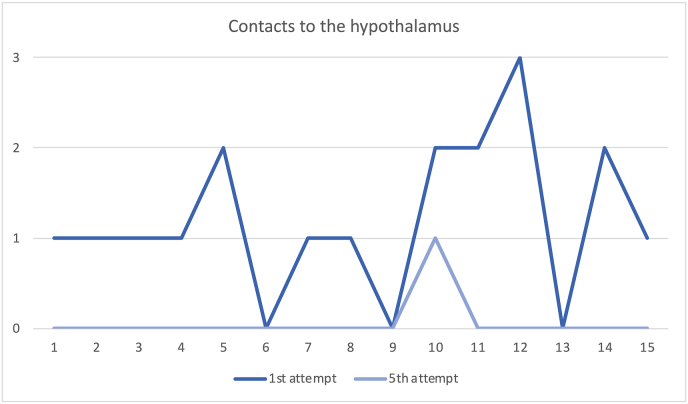
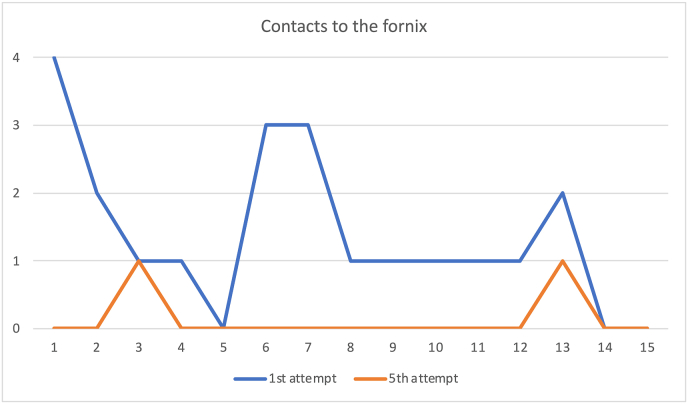
A neuroendoscopy simulation model was developed. A sample of last year medical students and junior neurosurgery residents without prior experience in neuroendoscopy were involved in the study. The model was evaluated by measuring several parameters, as procedure time, number of fenestration attempts, diameter of the fenestration, and number of contacts with critical structures.
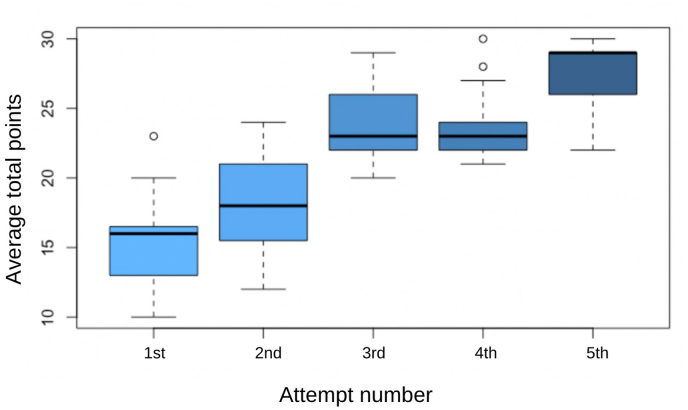
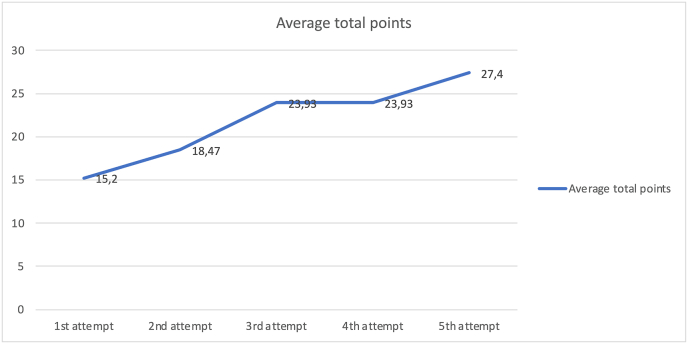
An improvement of the average score on the ETV-Training-Scale was noticed between the first and last attempt (11.6, compared to 27.5 points; p<0.0001). A statistically significant improvement in all parameters, was observed.
This 3D printed simulator facilitates acquiring surgical skills with the neuroendoscope to treat hydrocephalus by performing an endoscopic third ventriculostomy. Furthermore, it has been shown to be useful to understand the intraventricular anatomical relationships.
小儿脑积水在非洲极为普遍,因此是一个主要的神经外科问题。除了成本高昂且有潜在并发症的脑室腹腔分流术外,内镜下第三脑室造瘘术正变得越来越流行,尤其是在世界的这一地区。然而,实施该手术需要训练有素的神经外科医生,且有一个最佳的学习曲线。出于这个原因,我们开发了一种脑积水的3D打印训练模型,以便没有内镜技术经验的神经外科医生能够掌握这些技能,特别是在低收入国家,那里相对缺乏这种特定技术的培训。
我们的研究问题是能否开发并生产一种低成本的内镜训练模型,并评估其在训练后所获得的实用性和技能。
开发了一种神经内镜模拟模型。去年的医学生和没有神经内镜经验的初级神经外科住院医师样本参与了该研究。通过测量几个参数来评估该模型,如手术时间、开窗尝试次数、开窗直径以及与关键结构的接触次数。
在第一次和最后一次尝试之间,ETV训练量表的平均得分有提高(分别为11.6分和27.5分;p<0.0001)。在所有参数上均观察到有统计学意义的改善。
这种3D打印模拟器有助于通过实施内镜下第三脑室造瘘术来掌握使用神经内镜治疗脑积水的手术技能。此外,它已被证明有助于理解脑室内的解剖关系。