Department of Molecular, Cellular and Developmental Biology, University of Michigan, Ann Arbor, Michigan, United States of America.
Neuroscience Graduate Program, University of Michigan, Ann Arbor, Michigan, United States of America.
PLoS One. 2023 Jun 29;18(6):e0287858. doi: 10.1371/journal.pone.0287858. eCollection 2023.
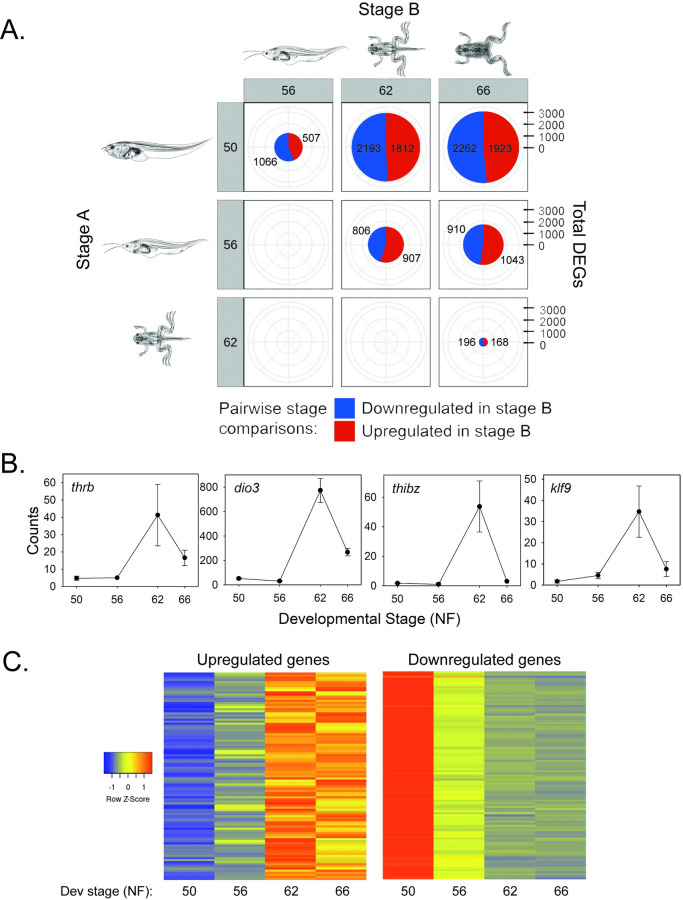
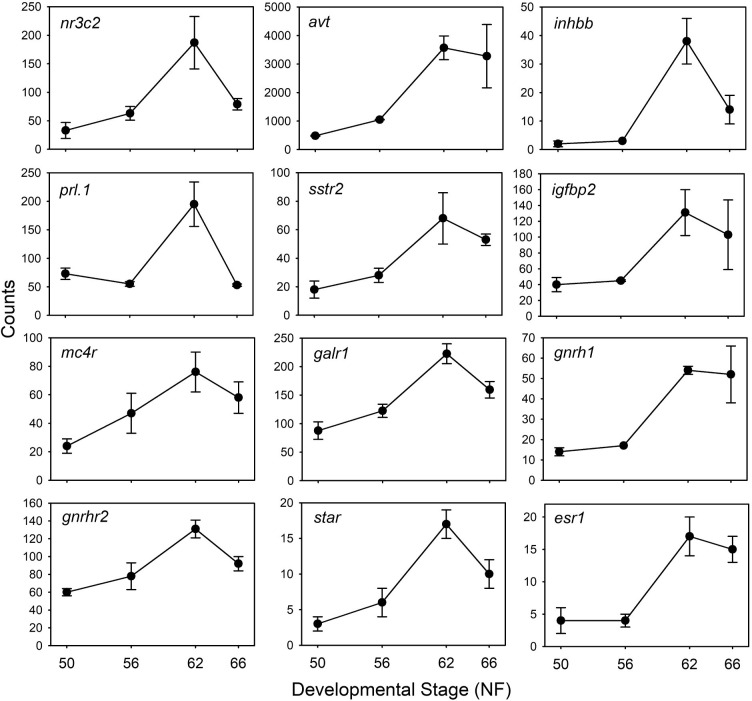
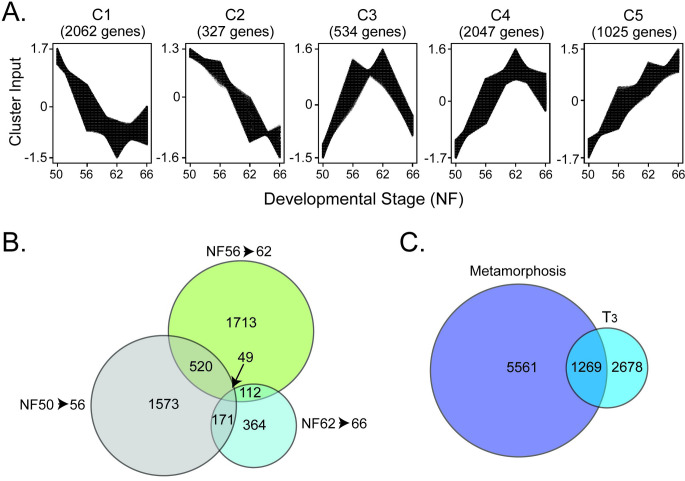
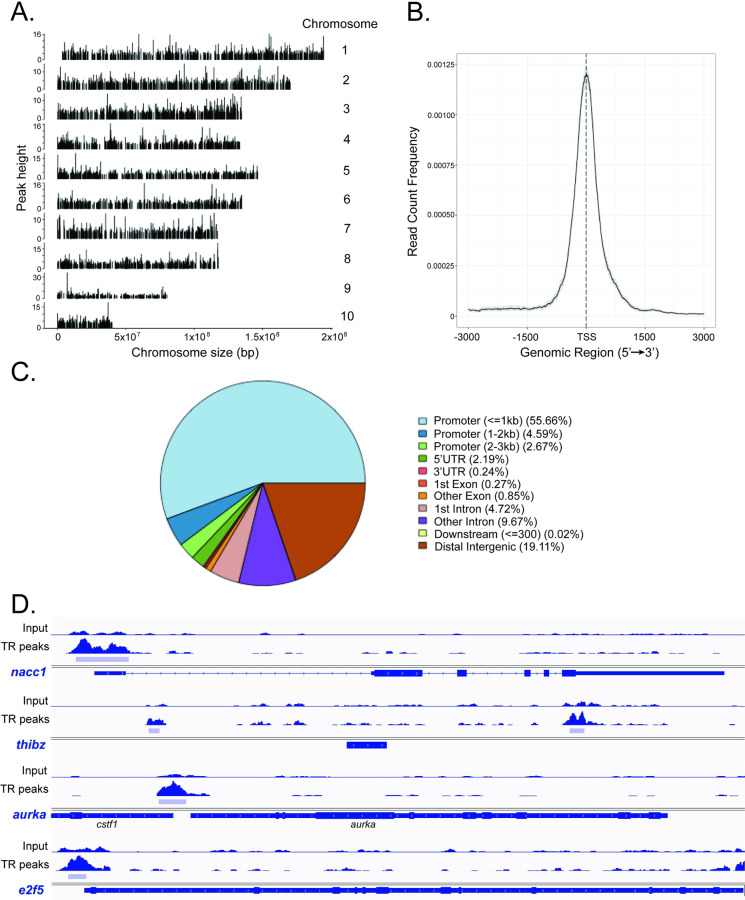
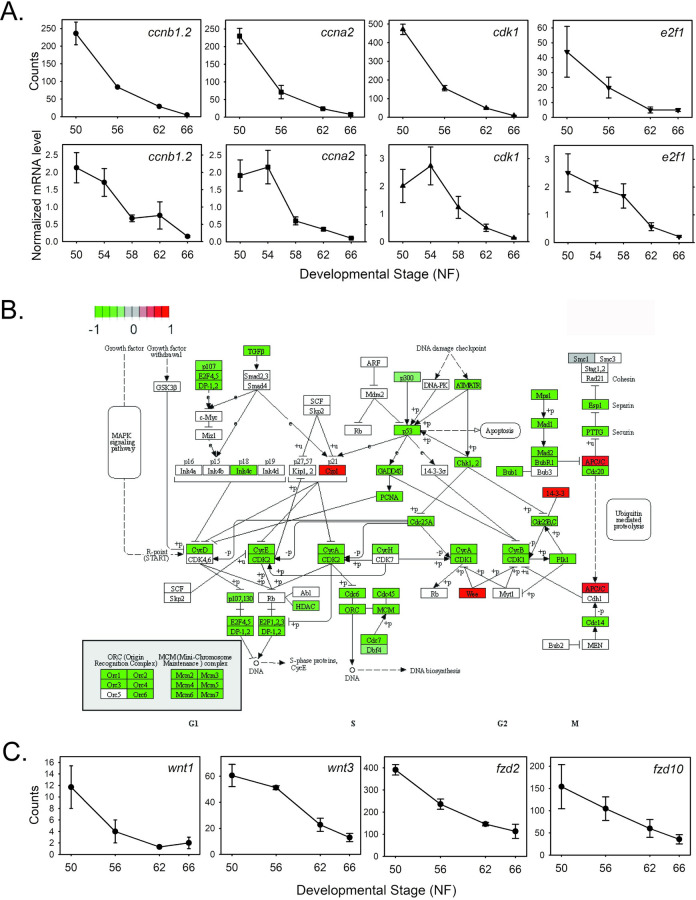
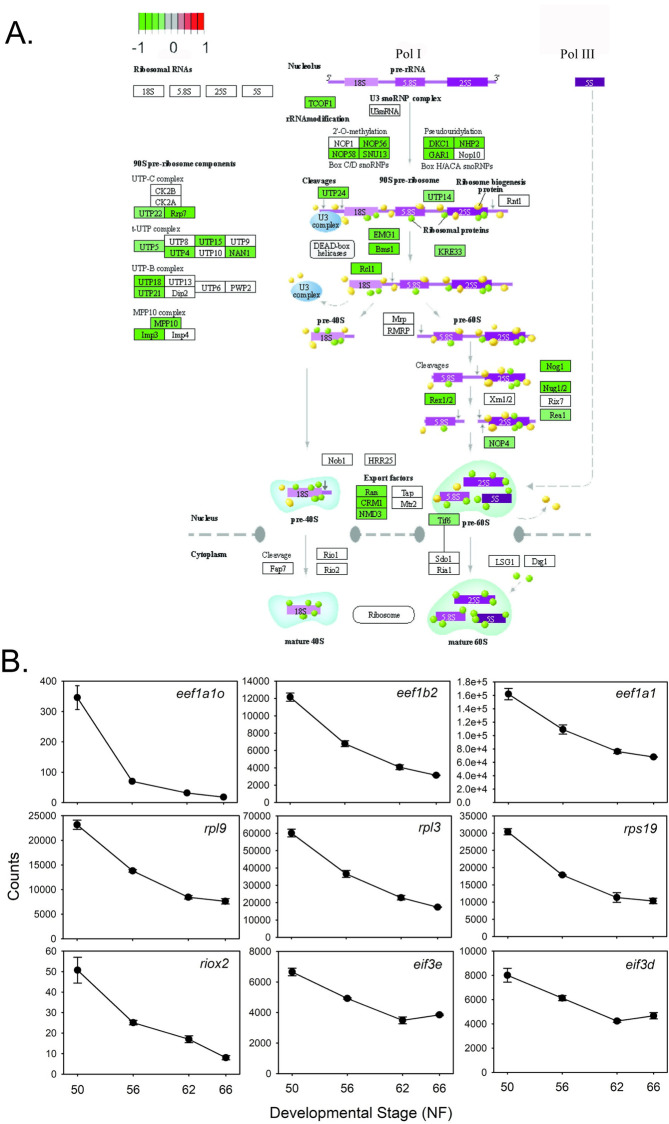
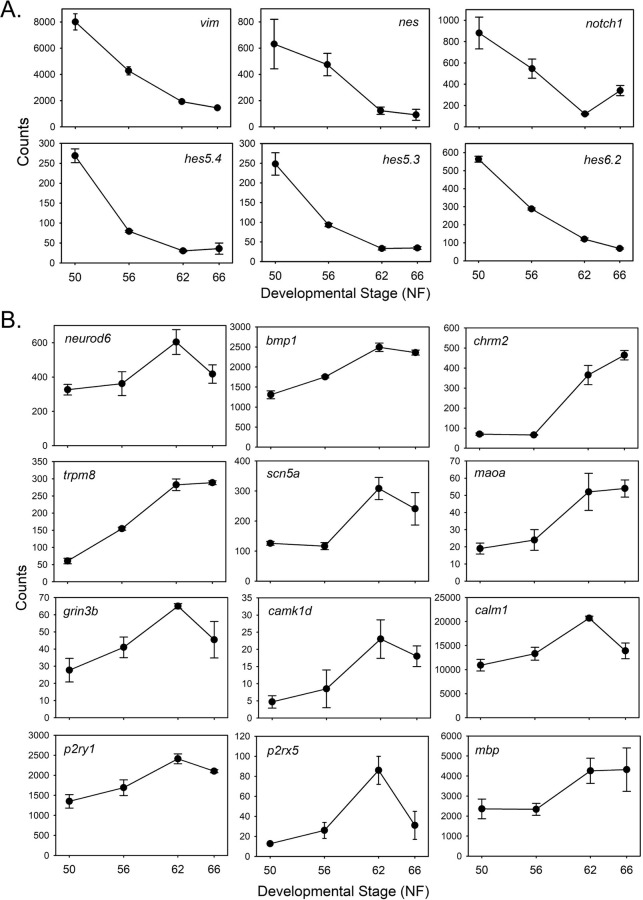
Amphibian metamorphosis is controlled by thyroid hormone (TH), which binds TH receptors (TRs) to regulate gene expression programs that underlie morphogenesis. Gene expression screens using tissues from premetamorphic tadpoles treated with TH identified some TH target genes, but few studies have analyzed genome-wide changes in gene regulation during spontaneous metamorphosis. We analyzed RNA sequencing data at four developmental stages from the beginning to the end of spontaneous metamorphosis, conducted on the neuroendocrine centers of Xenopus tropicalis tadpole brain. We also conducted chromatin immunoprecipitation sequencing (ChIP-seq) for TRs, and we compared gene expression changes during metamorphosis with those induced by exogenous TH. The mRNA levels of 26% of protein coding genes changed during metamorphosis; about half were upregulated and half downregulated. Twenty four percent of genes whose mRNA levels changed during metamorphosis had TR ChIP-seq peaks. Genes involved with neural cell differentiation, cell physiology, synaptogenesis and cell-cell signaling were upregulated, while genes involved with cell cycle, protein synthesis, and neural stem/progenitor cell homeostasis were downregulated. There is a shift from building neural structures early in the metamorphic process, to the differentiation and maturation of neural cells and neural signaling pathways characteristic of the adult frog brain. Only half of the genes modulated by treatment of premetamorphic tadpoles with TH for 16 h changed expression during metamorphosis; these represented 33% of the genes whose mRNA levels changed during metamorphosis. Taken together, our results provide a foundation for understanding the molecular basis for metamorphosis of tadpole brain, and they highlight potential caveats for interpreting gene regulation changes in premetamorphic tadpoles induced by exogenous TH.
两栖动物的变态发育受甲状腺激素(TH)的控制,TH 与 TH 受体(TR)结合,调控基因表达程序,从而促进变态发育。使用经 TH 处理的前变态期蝌蚪组织进行基因表达筛选,鉴定出了一些 TH 靶基因,但很少有研究分析过自发变态过程中基因调控的全基因组变化。我们分析了来自非洲爪蟾前变态期蝌蚪大脑神经内分泌中心的四个发育阶段(从开始到结束)的 RNA 测序数据。我们还进行了 TR 的染色质免疫沉淀测序(ChIP-seq),并将变态过程中的基因表达变化与外源性 TH 诱导的变化进行了比较。在变态过程中,26%的蛋白质编码基因的 mRNA 水平发生了变化;大约一半上调,一半下调。在变态过程中 mRNA 水平发生变化的基因中有 24%具有 TR ChIP-seq 峰。涉及神经细胞分化、细胞生理、突触形成和细胞间信号传递的基因上调,而与细胞周期、蛋白质合成和神经干细胞/祖细胞内稳态相关的基因下调。在变态过程早期,从构建神经结构到分化和成熟神经细胞以及成年青蛙大脑特有的神经信号通路的转变。只有在经 TH 处理的前变态期蝌蚪中,16 小时调节的一半基因在变态过程中改变表达;这些基因代表了在变态过程中 mRNA 水平发生变化的基因的 33%。总之,我们的研究结果为理解蝌蚪大脑变态发育的分子基础提供了基础,并强调了对外源性 TH 诱导的前变态期蝌蚪基因调控变化进行解释的潜在注意事项。