Department of Pediatric Hematology and Oncology, University Children's Hospital Muenster, Muenster, Germany.
Department of Medicine A, University of Muenster, Muenster, Germany.
Cancer Gene Ther. 2023 Oct;30(10):1355-1368. doi: 10.1038/s41417-023-00642-x. Epub 2023 Jun 30.
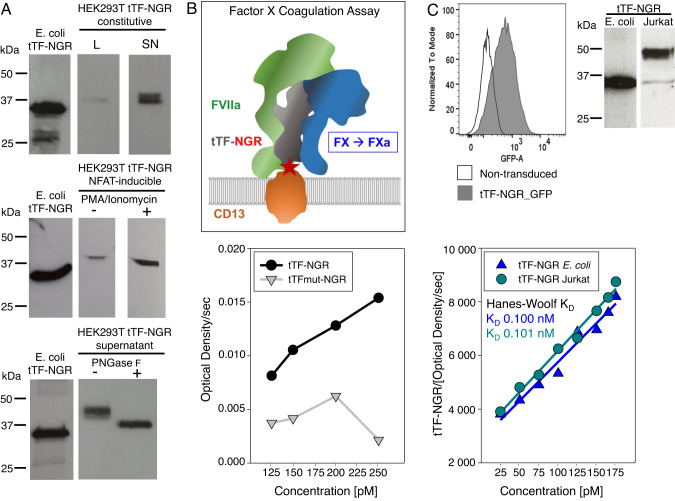
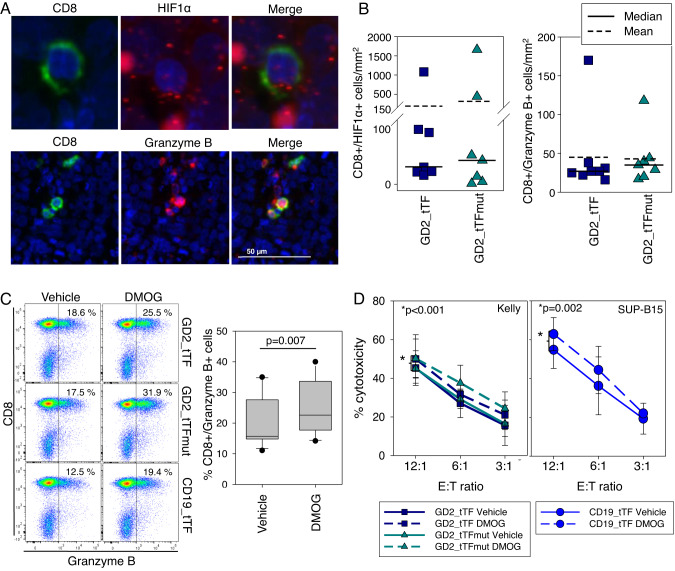
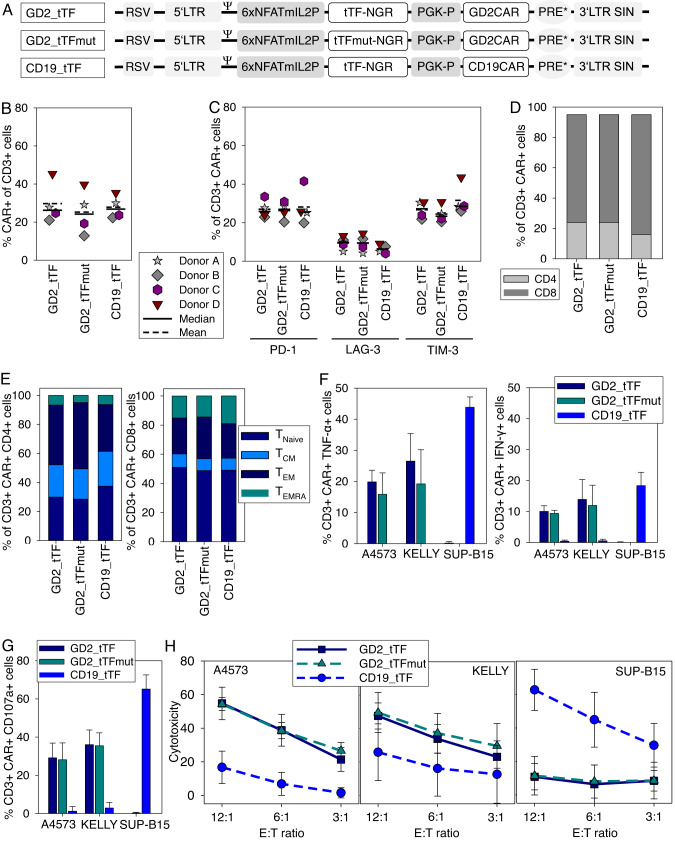
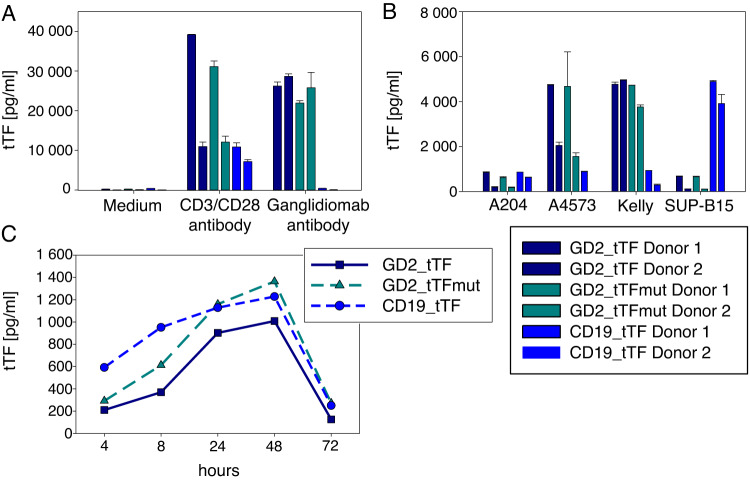
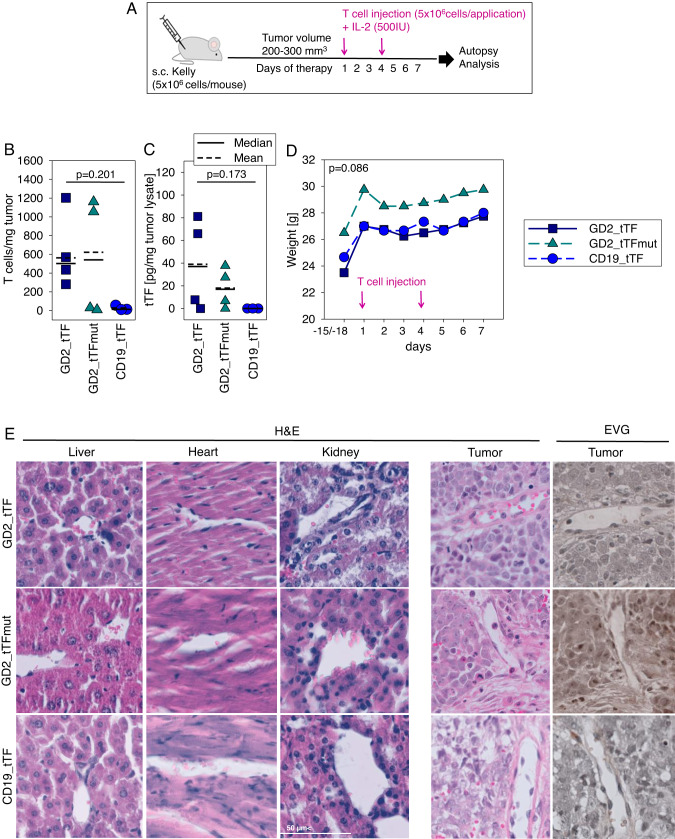
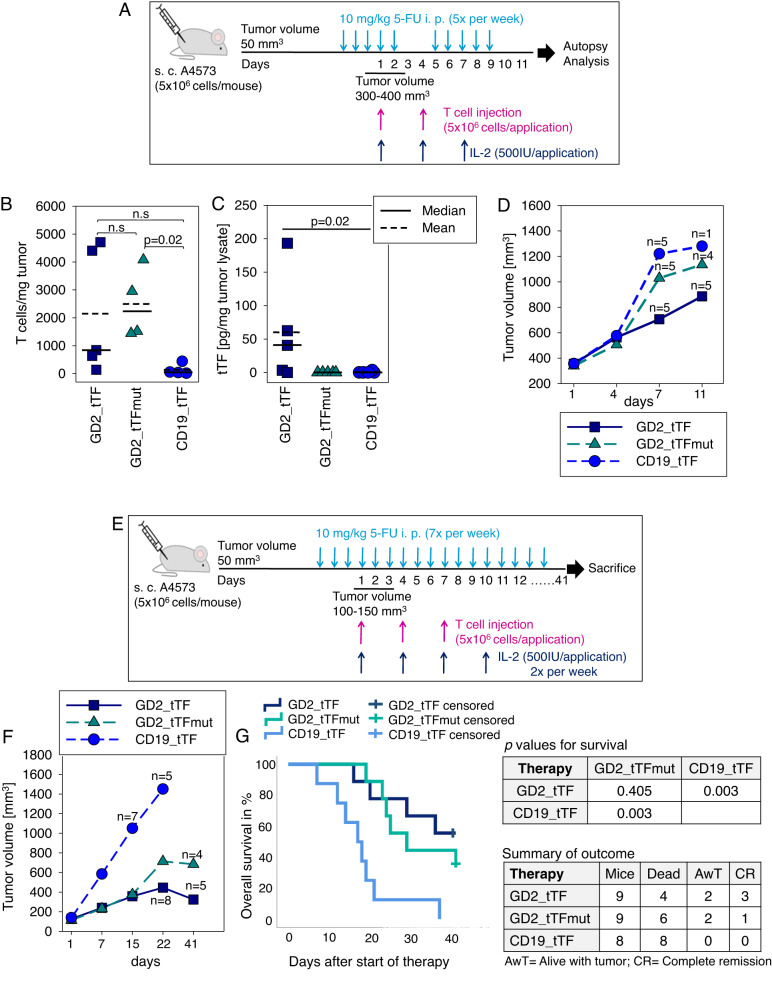
To enhance the potency of chimeric antigen receptor (CAR) engineered T cells in solid cancers, we designed a novel cell-based combination strategy with an additional therapeutic mode of action. CAR T cells are used as micropharmacies to produce a targeted pro-coagulatory fusion protein, truncated tissue factor (tTF)-NGR, which exerts pro-coagulatory activity and hypoxia upon relocalization to the vascular endothelial cells that invade tumor tissues. Delivery by CAR T cells aimed to induce locoregional tumor vascular infarction for combined immune-mediated and hypoxic tumor cell death. Human T cells that were one-vector gene-modified to express a G-specific CAR along with CAR-inducible tTF-NGR exerted potent G-specific effector functions while secreting tTF-NGR that activates the extrinsic coagulation pathway in a strictly G-dependent manner. In murine models, the CAR T cells infiltrated G-positive tumor xenografts, secreted tTF-NGR into the tumor microenvironment and showed a trend towards superior therapeutic activity compared with control cells producing functionally inactive tTF-NGR. In vitro evidence supports a mechanism of hypoxia-mediated enhancement of T cell cytolytic activity. We conclude that combined CAR T cell targeting with an additional mechanism of antitumor action in a one-vector engineering strategy is a promising approach to be further developed for targeted treatment of solid cancers.
为了增强嵌合抗原受体 (CAR) 工程化 T 细胞在实体瘤中的效力,我们设计了一种新的基于细胞的联合治疗策略,增加了一种额外的治疗作用模式。CAR T 细胞被用作微型药厂,产生靶向促凝融合蛋白,截断组织因子(tTF)-NGR,该蛋白在重新定位到侵袭肿瘤组织的血管内皮细胞时发挥促凝活性和缺氧作用。通过 CAR T 细胞的递送旨在诱导局部肿瘤血管梗死,以实现联合免疫介导和缺氧肿瘤细胞死亡。经过单载体基因修饰表达 G 特异性 CAR 以及 CAR 诱导型 tTF-NGR 的人 T 细胞发挥强大的 G 特异性效应功能,同时分泌 tTF-NGR,以严格依赖 G 的方式激活外源性凝血途径。在小鼠模型中,CAR T 细胞浸润 G 阳性肿瘤异种移植物,将 tTF-NGR 分泌到肿瘤微环境中,并显示出与产生功能上无活性 tTF-NGR 的对照细胞相比具有更好的治疗活性的趋势。体外证据支持缺氧介导的 T 细胞细胞毒性活性增强的机制。我们得出结论,在单载体工程策略中,CAR T 细胞联合靶向治疗与额外的抗肿瘤作用机制相结合,是进一步开发实体瘤靶向治疗的一种很有前途的方法。