Fejzo M, Rocha N, Cimino I, Lockhart S M, Petry C, Kay R G, Burling K, Barker P, George A L, Yasara N, Premawardhena A, Gong S, Cook E, Rainbow K, Withers D J, Cortessis V, Mullin P M, MacGibbon K W, Jin E, Kam A, Campbell A, Polasek O, Tzoneva G, Gribble F M, Yeo Gsh, Lam Byh, Saudek V, Hughes I A, Ong K K, Perry Jrb, Sutton Cole A, Baumgarten M, Welsh P, Sattar N, Smith Gcs, Charnock Jones D S, Coll A P, Meek C L, Mettananda S, Hayward C, Mancuso N, O'Rahilly S
Department of Obstetrics and Gynaecology, Keck School of Medicine, University of Southern California, Los Angeles, CA.
Medical Research Council (MRC) Metabolic Diseases Unit, Wellcome-MRC Institute of Metabolic Science, University of Cambridge, Cambridge, UK.
bioRxiv. 2023 Jun 4:2023.06.02.542661. doi: 10.1101/2023.06.02.542661.
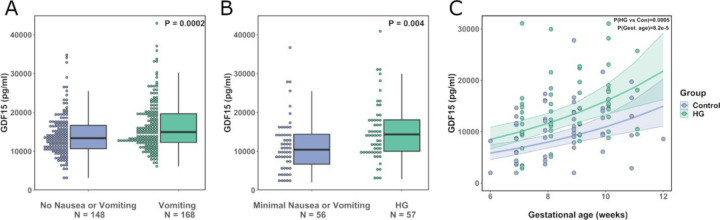
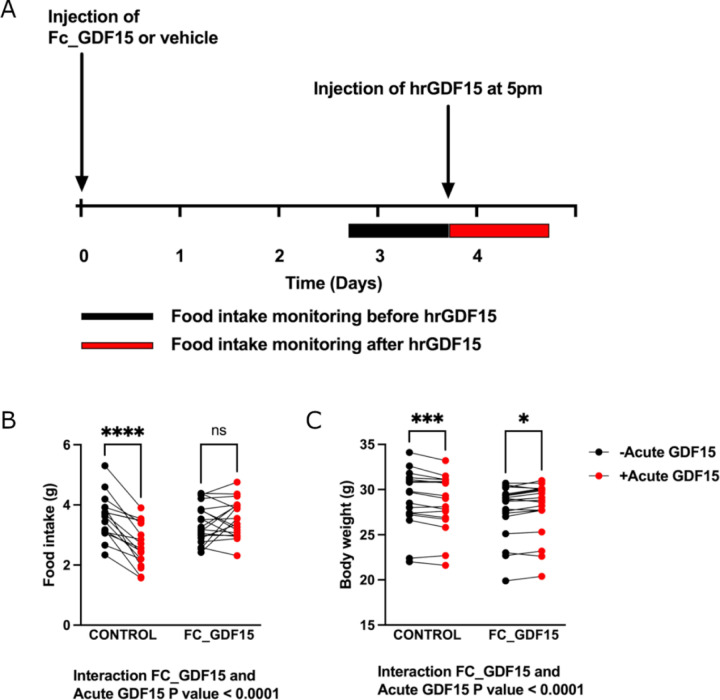
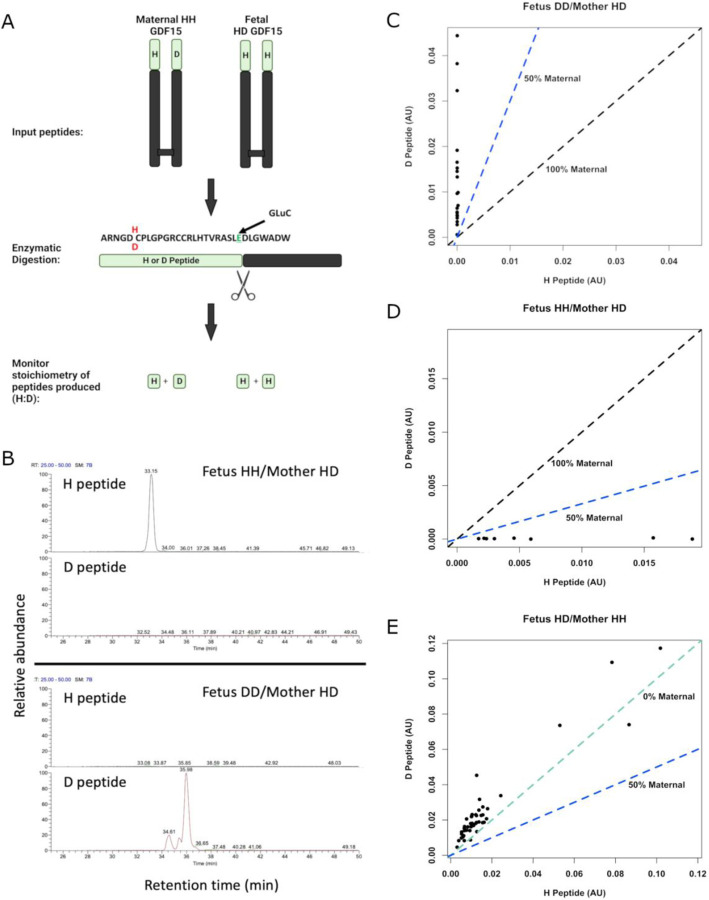
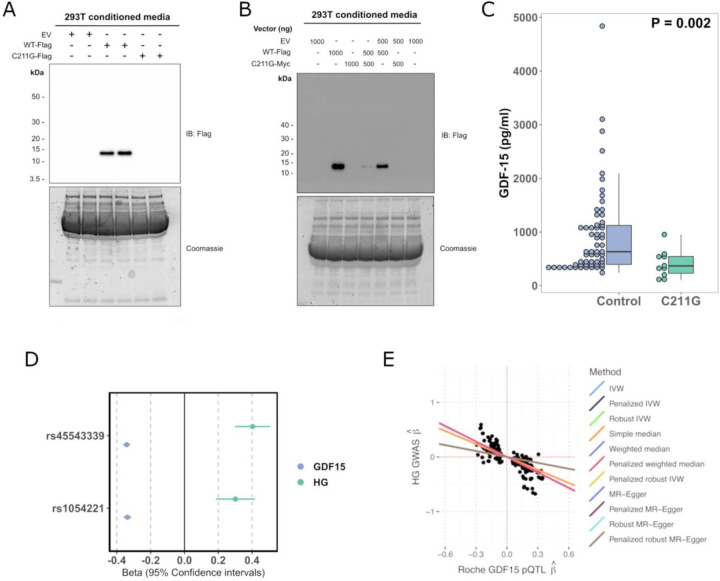
Human pregnancy is frequently accompanied by nausea and vomiting that may become severe and life-threatening, as in hyperemesis gravidarum (HG), the cause of which is unknown. Growth Differentiation Factor-15 (GDF15), a hormone known to act on the hindbrain to cause emesis, is highly expressed in the placenta and its levels in maternal blood rise rapidly in pregnancy. Variants in the maternal gene are associated with HG. Here we report that fetal production of GDF15, and maternal sensitivity to it, both contribute substantially to the risk of HG. We found that the great majority of GDF15 in maternal circulation is derived from the feto-placental unit and that higher GDF15 levels in maternal blood are associated with vomiting and are further elevated in patients with HG. Conversely, we found that lower levels of GDF15 in the non-pregnant state predispose women to HG. A rare C211G variant in which strongly predisposes mothers to HG, particularly when the fetus is wild-type, was found to markedly impair cellular secretion of GDF15 and associate with low circulating levels of GDF15 in the non-pregnant state. Consistent with this, two common haplotypes which predispose to HG were associated with lower circulating levels outside pregnancy. The administration of a long-acting form of GDF15 to wild-type mice markedly reduced subsequent responses to an acute dose, establishing that desensitisation is a feature of this system. GDF15 levels are known to be highly and chronically elevated in patients with beta thalassemia. In women with this disorder, reports of symptoms of nausea or vomiting in pregnancy were strikingly diminished. Our findings support a causal role for fetal derived GDF15 in the nausea and vomiting of human pregnancy, with maternal sensitivity, at least partly determined by pre-pregnancy exposure to GDF15, being a major influence on its severity. They also suggest mechanism-based approaches to the treatment and prevention of HG.
人类怀孕常伴有恶心和呕吐,严重时可能危及生命,如妊娠剧吐(HG),其病因尚不清楚。生长分化因子15(GDF15)是一种已知作用于后脑引起呕吐的激素,在胎盘中高度表达,孕期母体血液中其水平迅速升高。母体基因中的变异与HG有关。在此我们报告,胎儿产生的GDF15及其母体对它的敏感性,都在很大程度上导致了HG的风险。我们发现母体循环中绝大多数的GDF15来自胎儿 - 胎盘单位,母体血液中较高的GDF15水平与呕吐有关,且在HG患者中进一步升高。相反,我们发现非孕期GDF15水平较低会使女性易患HG。发现一种罕见的C211G变异,它使母亲极易患HG,尤其是当胎儿为野生型时,该变异会显著损害GDF15的细胞分泌,并与非孕期循环中GDF15的低水平相关。与此一致的是,两种易患HG的常见单倍型与孕期外较低的循环水平有关。给野生型小鼠注射长效形式的GDF15可显著降低其随后对急性剂量的反应,这表明脱敏是该系统的一个特征。已知β地中海贫血患者的GDF15水平长期显著升高。在患有这种疾病的女性中,孕期恶心或呕吐症状的报告明显减少。我们的研究结果支持胎儿来源的GDF15在人类孕期恶心和呕吐中起因果作用,母体敏感性至少部分由孕前接触GDF15决定,是影响其严重程度的主要因素。它们还提示了基于机制的HG治疗和预防方法。