Oxford Vaccine Group, Department of Paediatrics, University of Oxford, Oxford, United Kingdom.
NIHR Oxford Biomedical Research Centre and Oxford University Hospitals NHS Foundation Trust, Oxford, United Kingdom.
J Clin Invest. 2023 Aug 15;133(16):e169676. doi: 10.1172/JCI169676.
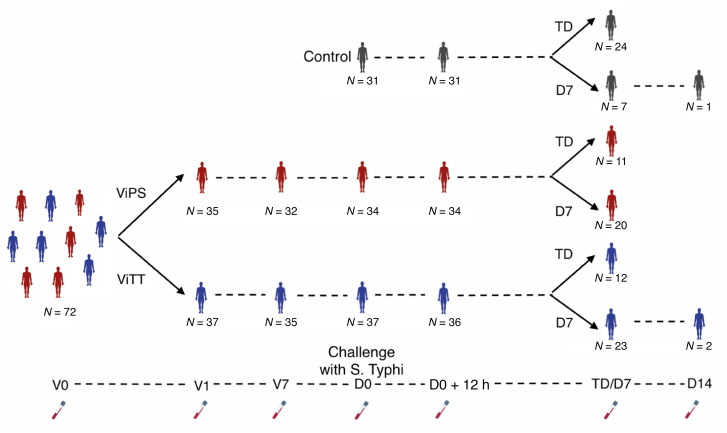
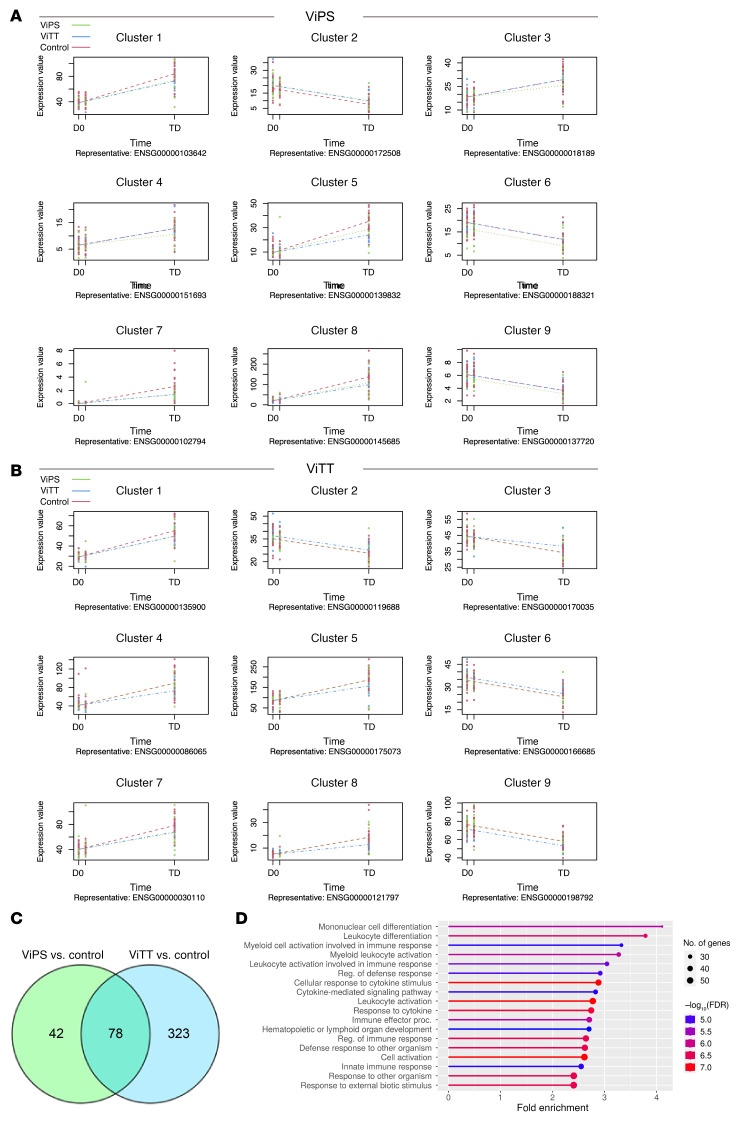
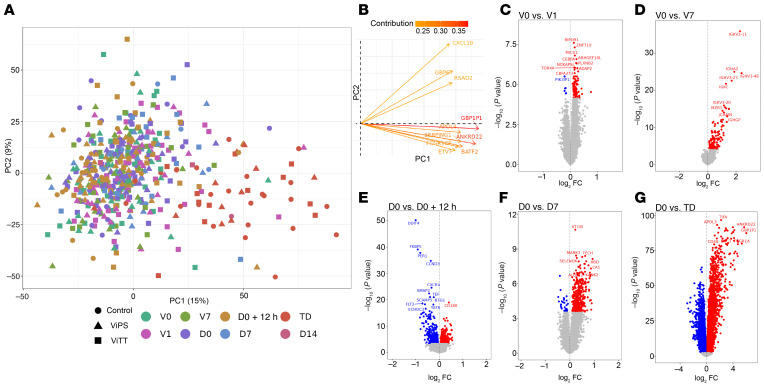
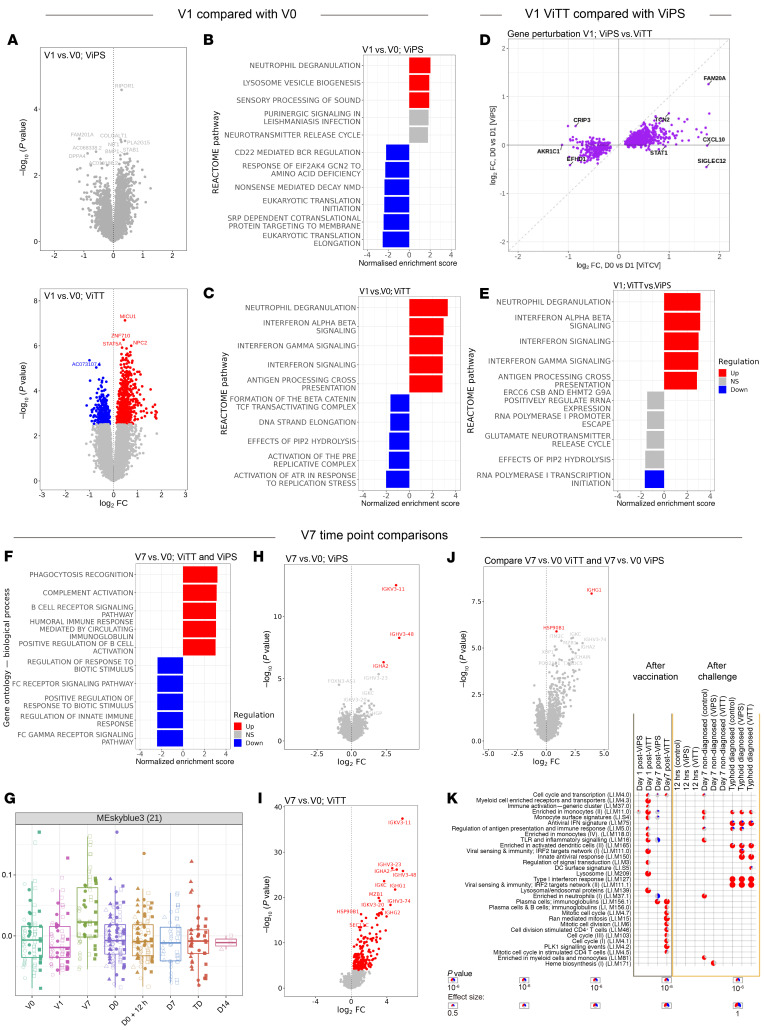
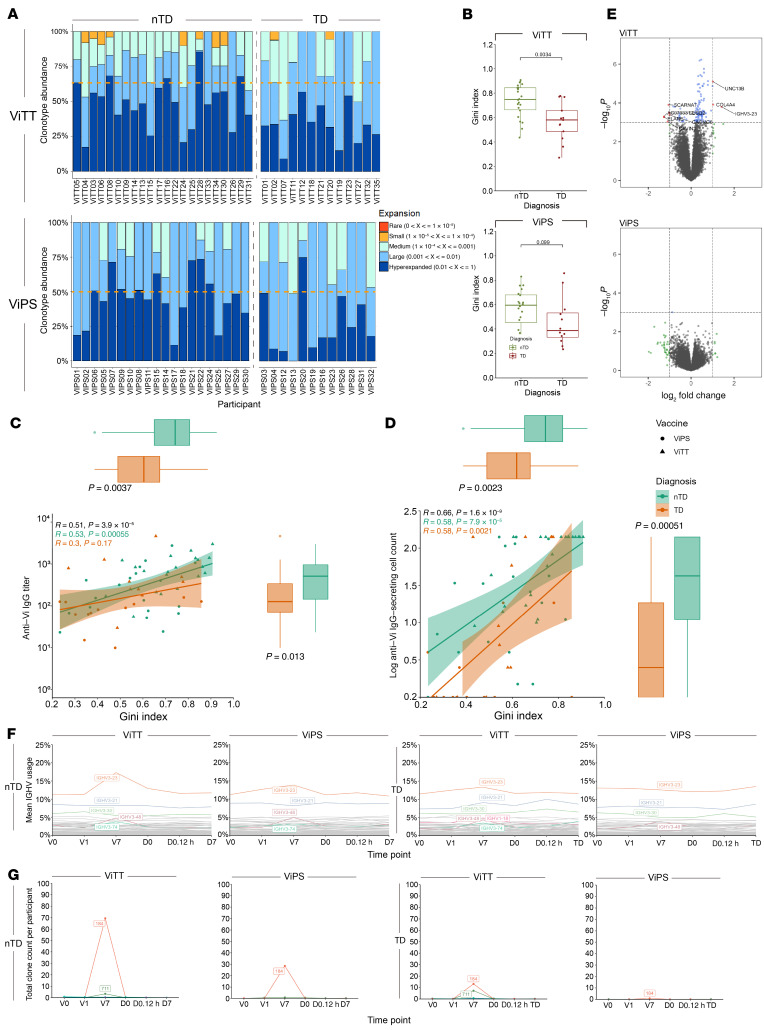
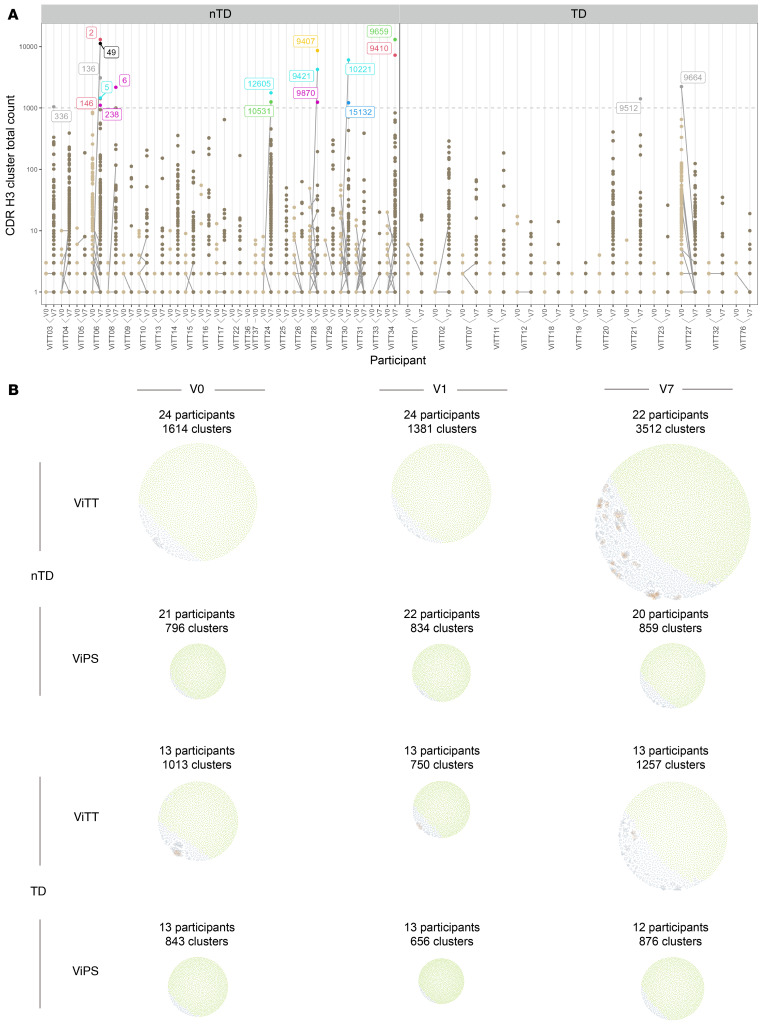
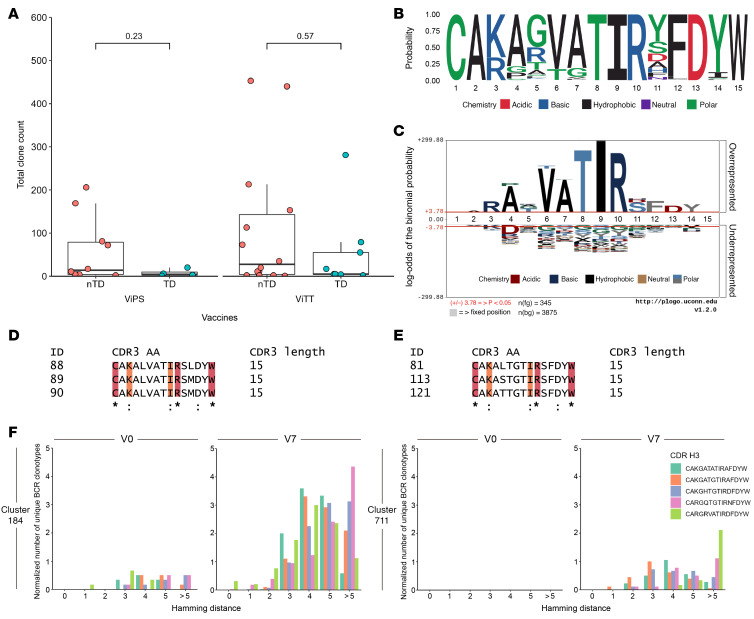
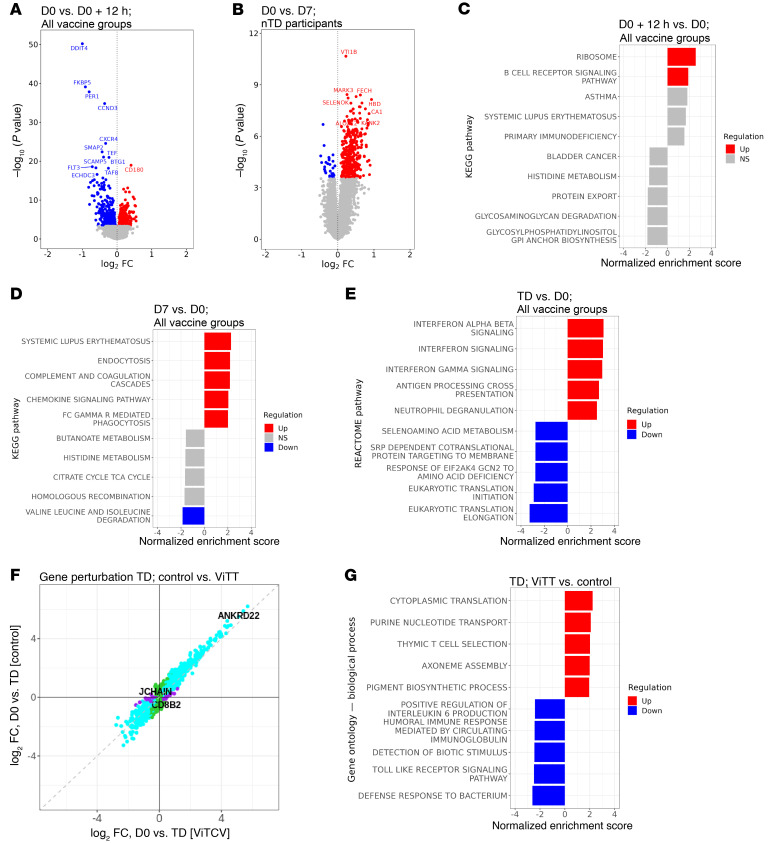
BACKGROUNDTyphoid fever is caused by the Gram-negative bacterium Salmonella enterica serovar Typhi and poses a substantial public health burden worldwide. Vaccines have been developed based on the surface Vi-capsular polysaccharide of S. Typhi; these include a plain-polysaccharide-based vaccine, ViPS, and a glycoconjugate vaccine, ViTT. To understand immune responses to these vaccines and their vaccine-induced immunological protection, molecular signatures were analyzed using bioinformatic approaches.METHODSBulk RNA-Seq data were generated from blood samples obtained from adult human volunteers enrolled in a vaccine trial, who were then challenged with S. Typhi in a controlled human infection model (CHIM). These data were used to conduct differential gene expression analyses, gene set and modular analyses, B cell repertoire analyses, and time-course analyses at various post-vaccination and post-challenge time points between participants receiving ViTT, ViPS, or a control meningococcal vaccine.RESULTSTranscriptomic responses revealed strong differential molecular signatures between the 2 typhoid vaccines, mostly driven by the upregulation in humoral immune signatures, including selective usage of immunoglobulin heavy chain variable region (IGHV) genes and more polarized clonal expansions. We describe several molecular correlates of protection against S. Typhi infection, including clusters of B cell receptor (BCR) clonotypes associated with protection, with known binders of Vi-polysaccharide among these.CONCLUSIONThe study reports a series of contemporary analyses that reveal the transcriptomic signatures after vaccination and infectious challenge, while identifying molecular correlates of protection that may inform future vaccine design and assessment.TRIAL REGISTRATIONClinicalTrials.gov NCT02324751.
背景
伤寒是由革兰氏阴性细菌伤寒沙门氏菌血清型 Typhi 引起的,在全球范围内造成了重大的公共卫生负担。疫苗是基于伤寒沙门氏菌表面 Vi-荚膜多糖开发的;其中包括一种基于 plain-polysaccharide 的疫苗 ViPS 和一种糖缀合物疫苗 ViTT。为了了解这些疫苗的免疫反应及其疫苗诱导的免疫保护作用,使用生物信息学方法分析了分子特征。
方法
从参加疫苗试验的成年人类志愿者的血液样本中生成了批量 RNA-Seq 数据,然后在受控人体感染模型 (CHIM) 中用 S. Typhi 对这些志愿者进行了挑战。这些数据用于进行差异基因表达分析、基因集和模块分析、B 细胞库分析以及在接受 ViTT、ViPS 或对照脑膜炎球菌疫苗的参与者之间的各种接种后和接种后时间点的时间过程分析。
结果
转录组反应揭示了两种伤寒疫苗之间的强烈差异分子特征,主要由体液免疫特征的上调驱动,包括免疫球蛋白重链可变区 (IGHV) 基因的选择性使用和更极化的克隆扩增。我们描述了几种针对 S. Typhi 感染的保护分子相关性,包括与保护相关的 B 细胞受体 (BCR) 克隆型簇,其中包括 Vi-多糖的已知结合物。
结论
该研究报告了一系列当代分析,揭示了接种和感染挑战后的转录组特征,同时确定了可能为未来疫苗设计和评估提供信息的保护分子相关性。
试验注册
ClinicalTrials.gov NCT02324751。