Hu Chunhua, Ye Mujie, Bai Jianan, Liu Pengfei, Lu Feiyu, Chen Jinhao, Yu Ping, Chen Tiaotiao, Shi Xiaoting, Tang Qiyun
Department of Geriatric Gastroenterology, Neuroendocrine Tumor Center, Jiangsu Province Hospital, The First Affiliated Hospital of Nanjing Medical University, Institute of Neuroendocrine Tumor, Nanjing Medical University, NO. 300 Guangzhou Road, Nanjing, China.
Department of Gastroenterology, Jiangyin People's Hospital, Jiangyin, Jiangsu Province, China.
Cancer Cell Int. 2023 Jul 5;23(1):131. doi: 10.1186/s12935-023-02973-z.
It has been manifested in several studies that age-related metabolic reprogramming is associated with tumor progression, in particular, colorectal cancer (CRC). Here we investigated the role of upregulated metabolites of the aged serum, including methylmalonic acid (MMA), phosphoenolpyruvate (PEP), and quinolinate (QA), in CRC.
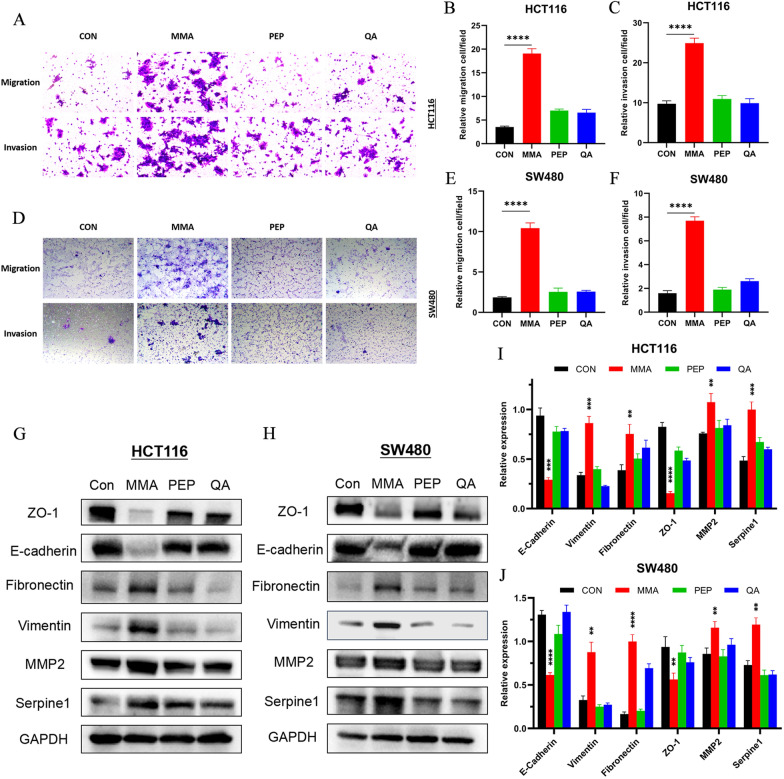
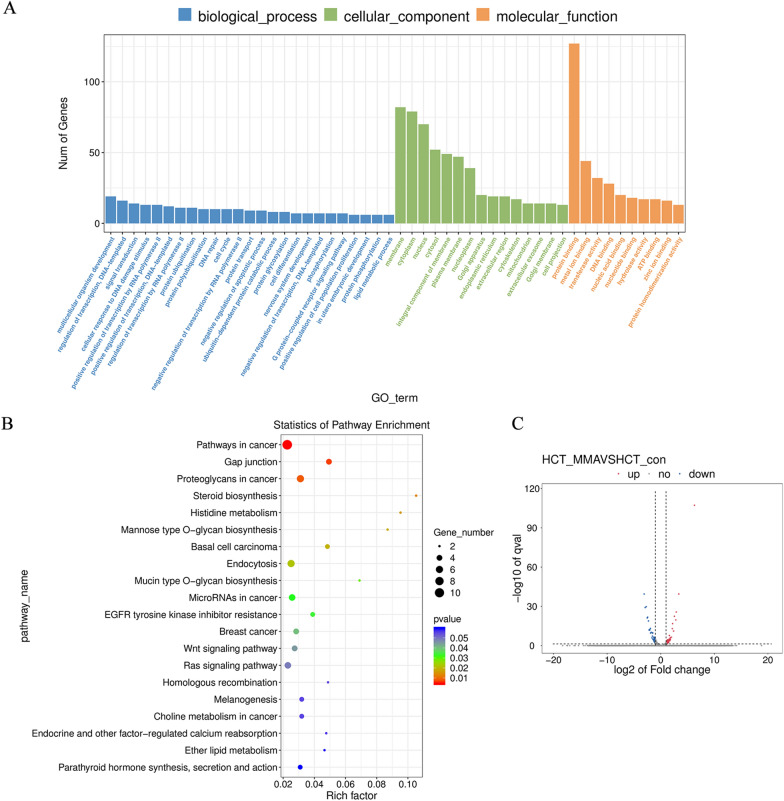
Functional assays including CCK-8, EdU, colony formation and transwell experiments were used to ascertain which upregulated metabolite of elderly serum was related to tumor progression. RNA-seq analysis was conducted to explore the potential mechanisms of MMA-induced CRC progression. Subcutaneous tumorigenesis and metastatic tumor models were constructed to verify the function of MMA in vivo.
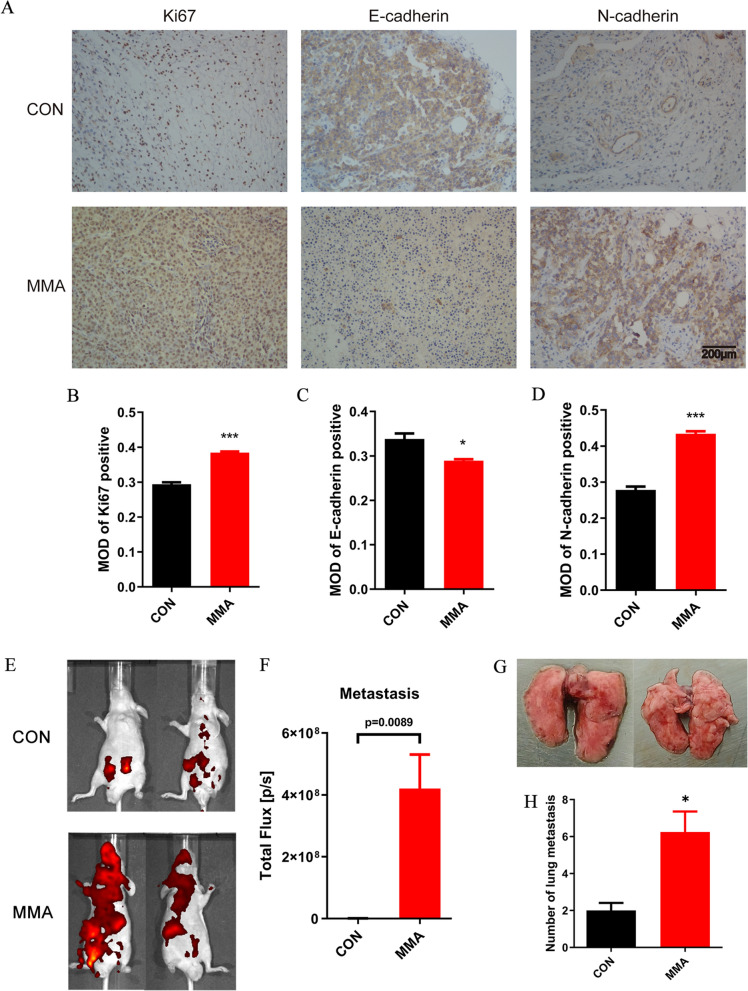
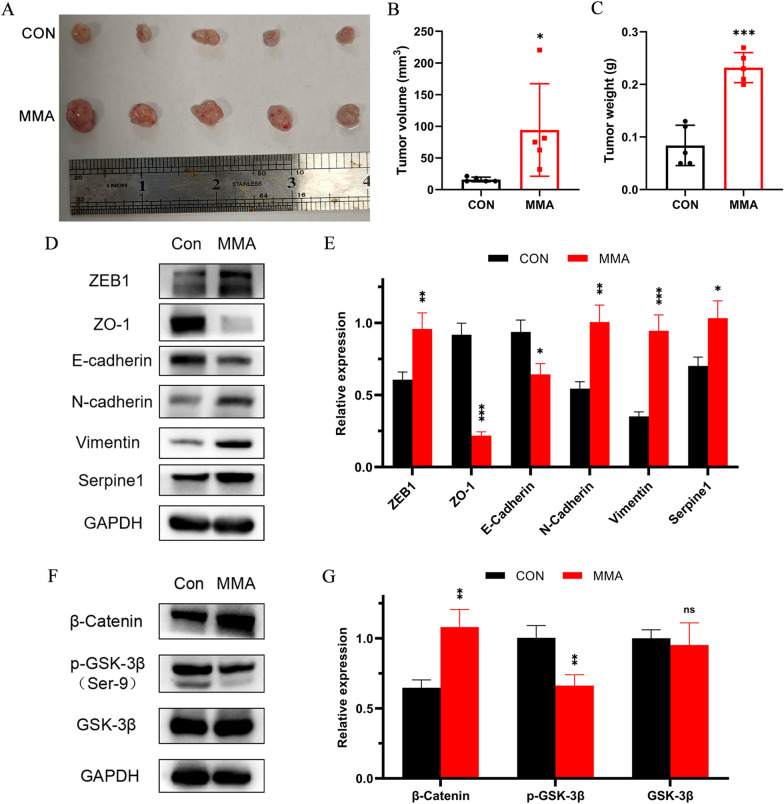
Among three consistently increased metabolites of the aged sera, MMA was responsible for tumorigenesis and metastasis in CRC, according to functional assays. The promotion of Epithelial-mesenchymal transition (EMT) was observed in CRC cells treated with MMA, on the basis of protein expression of EMT markers. Moreover, combined with transcriptome sequencing, Wnt/β-catenin signaling pathway was activated in CRC cells treated with MMA, which was verified by western blot and qPCR experiments. Furthermore, animal assays demonstrated the pro-proliferation and promotion of metastasis role of MMA in vivo.
We have identified that age-dependent upregulation of MMA in serum promoted the progression of CRC via Wnt/β-catenin signaling pathway mediated EMT. These collective findings provide valuable insights into the vital role of age-related metabolic reprogramming in CRC progression and propose a potential therapeutic target for elderly CRC.
多项研究表明,与年龄相关的代谢重编程与肿瘤进展有关,尤其是结直肠癌(CRC)。在此,我们研究了老年血清中上调的代谢产物,包括甲基丙二酸(MMA)、磷酸烯醇丙酮酸(PEP)和喹啉酸(QA)在结直肠癌中的作用。
采用CCK-8、EdU、集落形成和Transwell实验等功能测定方法,以确定老年血清中哪种上调的代谢产物与肿瘤进展相关。进行RNA测序分析以探索MMA诱导结直肠癌进展的潜在机制。构建皮下肿瘤发生和转移肿瘤模型以在体内验证MMA的功能。
根据功能测定,在老年血清中持续增加的三种代谢产物中,MMA是结直肠癌发生和转移的原因。基于EMT标志物的蛋白表达,在用MMA处理的结直肠癌细胞中观察到上皮-间质转化(EMT)的促进。此外,结合转录组测序,在用MMA处理的结直肠癌细胞中Wnt/β-连环蛋白信号通路被激活,这通过蛋白质印迹和qPCR实验得到验证。此外,动物实验证明了MMA在体内具有促进增殖和转移的作用。
我们已经确定血清中MMA的年龄依赖性上调通过Wnt/β-连环蛋白信号通路介导的EMT促进了结直肠癌的进展。这些共同发现为与年龄相关的代谢重编程在结直肠癌进展中的重要作用提供了有价值的见解,并为老年结直肠癌提出了一个潜在的治疗靶点。