Boboila Shuobo, Okochi Shunpei, Banerjee Debarshi, Barton Sunjay, Street Cherease, Zenilman Ariela L, Wang Qi, Gartrell Robyn D, Saenger Yvonne M, Welch David, Wu Cheng-Chia, Kadenhe-Chiweshe Angela, Yamashiro Darrell J, Connolly Eileen P
Department of Radiation Oncology, Columbia University Irving Medical Center, New York, NY 10032, USA.
Department of Surgery, Columbia University Irving Medical Center, New York, NY 10032, USA.
Heliyon. 2023 Jun 19;9(6):e17399. doi: 10.1016/j.heliyon.2023.e17399. eCollection 2023 Jun.
The mortality in patients with -amplified high-risk neuroblastoma remains greater than 50% despite advances in multimodal therapy. Novel therapies are urgently needed that requires preclinical evaluation in appropriate mice models. Combinatorial treatment with high-dose radiotherapy (HDRT) and immunotherapy has emerged as an effective treatment option in a variety of cancers. Current models of neuroblastoma do not recapitulate the anatomic and immune environment in which multimodal therapies can be effectively tested, and there is a need for an appropriate syngeneic neuroblastoma mice model to study interaction of immunotherapy with host immune cells. Here, we develop a novel syngeneic mouse model of -amplified neuroblastoma and report the relevance and opportunities of this model to study radiotherapy and immunotherapy.
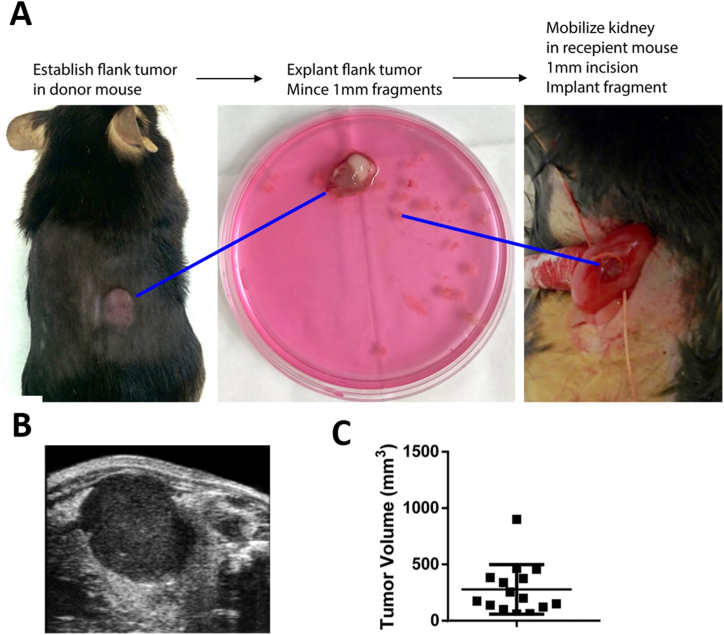
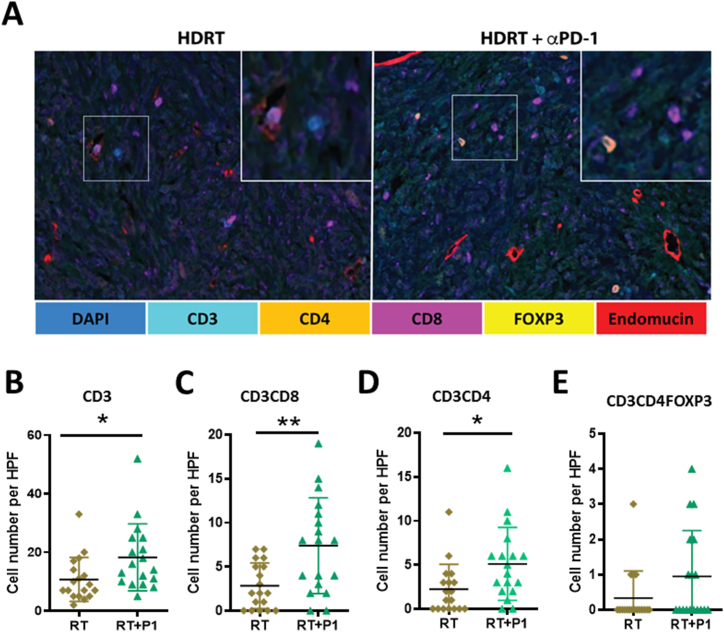
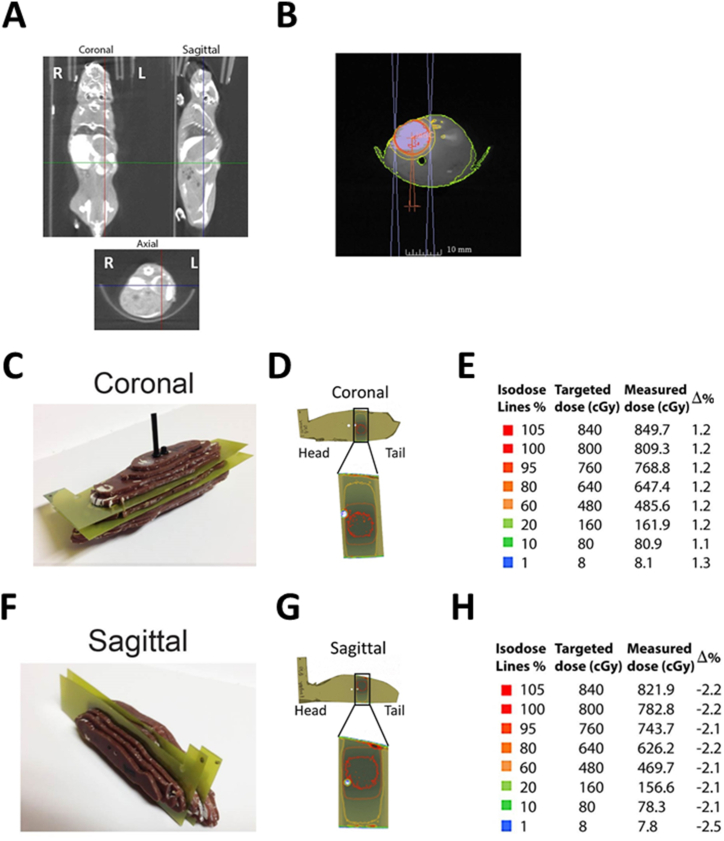
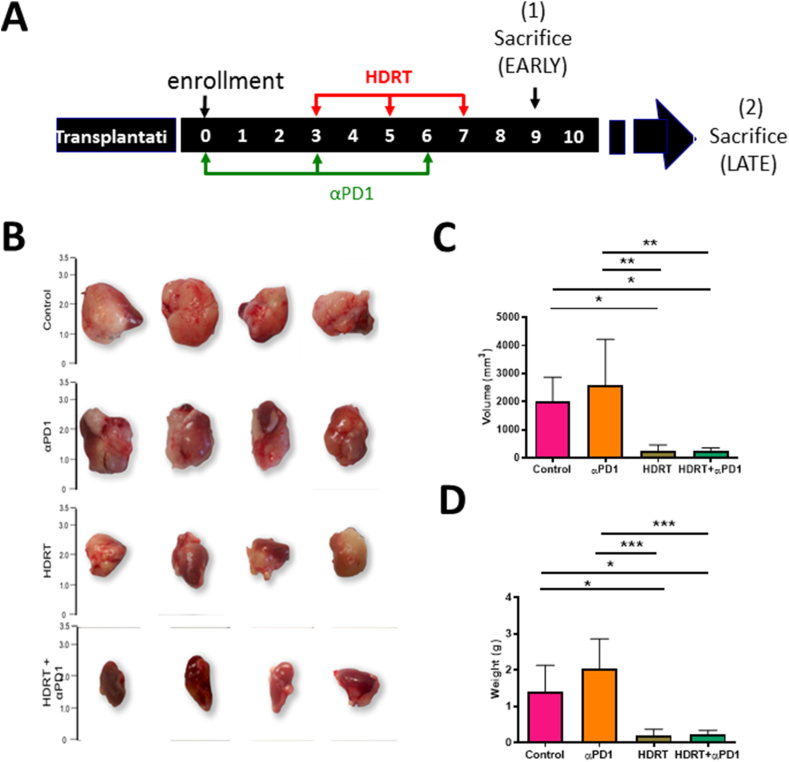
A syngeneic allograft tumor model was developed using the murine neuroblastoma cell line 9464D derived a tumor from TH-MYCN transgenic mouse. Tumors were generated by transplanting 1 mm portions of 9464D flank tumors into the left kidney of C57Bl/6 mice. We investigated the effect of combining HDRT with anti-PD1 antibody on tumor growth and tumor microenvironment. HDRT (8 Gy x 3) was delivered by the small animal radiation research platform (SARRP). Tumor growth was monitored by ultrasound. To assess the effect on immune cells tumors sections were co-imuunostained for six biomarkers using the Vectra multispectral imaging platform.
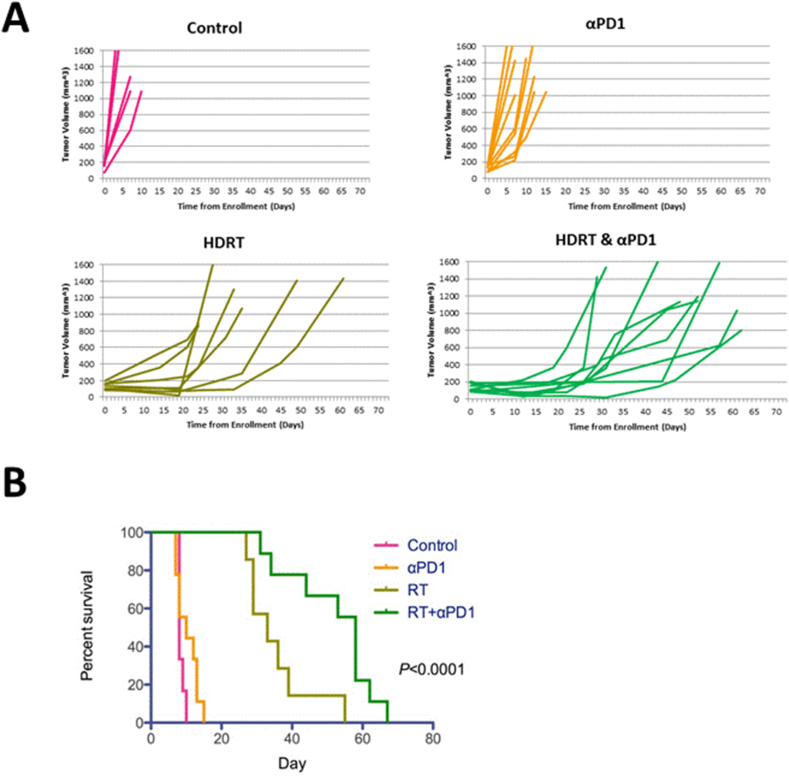
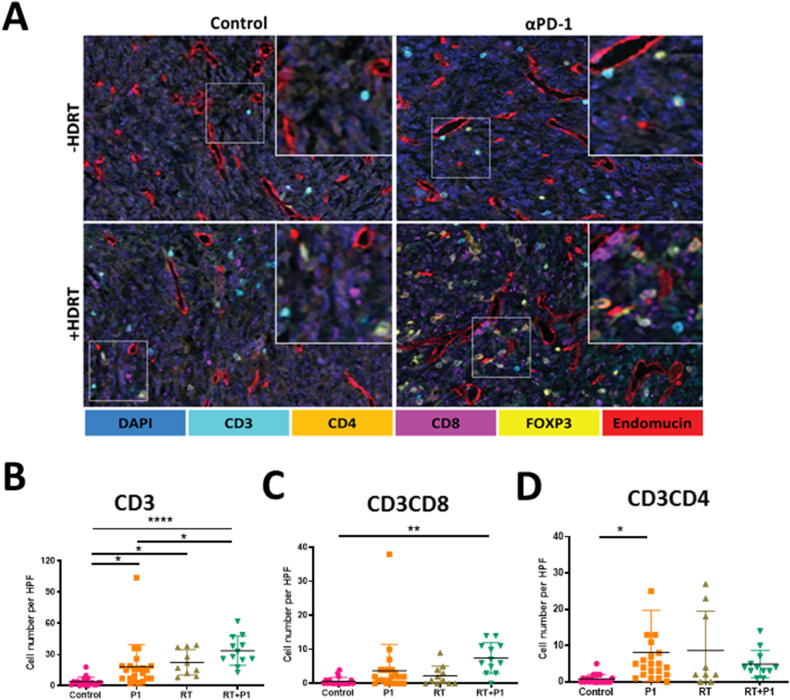
Tumor growth was uniform and confined to the kidney in 100% of transplanted tumors. HDRT was largely restricted to the tumor region with minimal scattered out-of-field dose. Combinatorial treatment with HDRT and PD-1 blockade significantly inhibited tumor growth and prolonged mice survival. We observed augmented T-lymphocyte infiltration, especially CD3CD8 lymphocytes, in tumors of mice which received combination treatment.
We have developed a novel syngeneic mouse model of MYCN amplified high-risk neuroblastoma. We have utilized this model to show that combining immunotherapy with HDRT inhibits tumor growth and prolongs mice survival.
尽管多模式治疗取得了进展,但MYCN扩增的高危神经母细胞瘤患者的死亡率仍高于50%。迫切需要新的疗法,这需要在合适的小鼠模型中进行临床前评估。高剂量放疗(HDRT)与免疫疗法的联合治疗已成为多种癌症的有效治疗选择。目前的神经母细胞瘤模型无法重现能够有效测试多模式疗法的解剖和免疫环境,因此需要一种合适的同基因神经母细胞瘤小鼠模型来研究免疫疗法与宿主免疫细胞的相互作用。在此,我们开发了一种新的MYCN扩增神经母细胞瘤同基因小鼠模型,并报告了该模型在研究放疗和免疫疗法方面的相关性和机会。
使用源自TH-MYCN转基因小鼠肿瘤的鼠神经母细胞瘤细胞系9464D建立同基因同种异体肿瘤模型。通过将1mm的9464D侧腹肿瘤移植到C57Bl/6小鼠的左肾中来生成肿瘤。我们研究了HDRT与抗PD1抗体联合使用对肿瘤生长和肿瘤微环境的影响。HDRT(8Gy×3)由小动物辐射研究平台(SARRP)提供。通过超声监测肿瘤生长。为了评估对免疫细胞的影响,使用Vectra多光谱成像平台对肿瘤切片进行六种生物标志物的共免疫染色。
100%的移植肿瘤中肿瘤生长均匀且局限于肾脏。HDRT主要局限于肿瘤区域,场外散射剂量最小。HDRT与PD-1阻断的联合治疗显著抑制肿瘤生长并延长小鼠存活期。我们观察到接受联合治疗的小鼠肿瘤中T淋巴细胞浸润增加,尤其是CD3CD8淋巴细胞。
我们开发了一种新的MYCN扩增高危神经母细胞瘤同基因小鼠模型。我们利用该模型表明,免疫疗法与HDRT联合使用可抑制肿瘤生长并延长小鼠存活期。