Center for Infectious Medicine (CIM), Department of Medicine Huddinge, Karolinska Institutet, Karolinska University Hospital, Stockholm, Sweden.
Department of Physiology and Pharmacology, Karolinska Institutet, Solna, Sweden.
Nat Metab. 2023 Jul;5(7):1188-1203. doi: 10.1038/s42255-023-00834-7. Epub 2023 Jul 6.
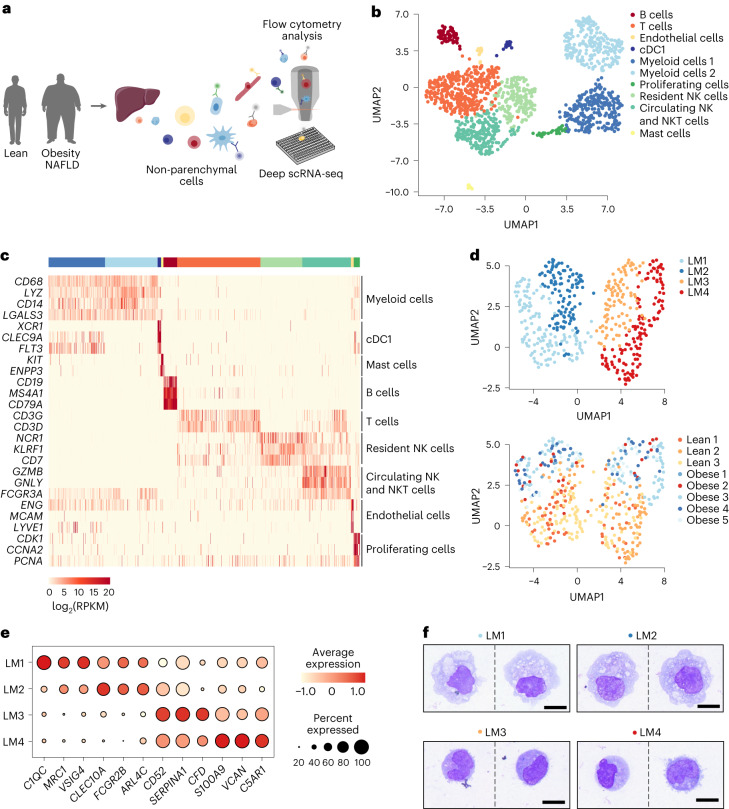
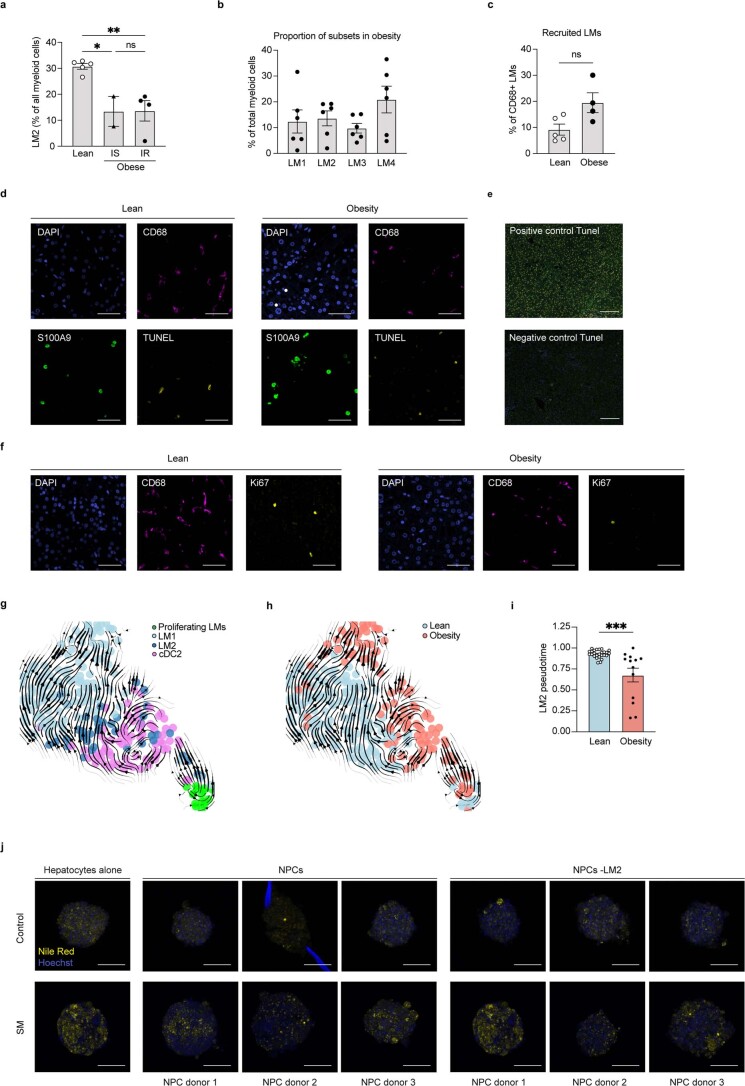
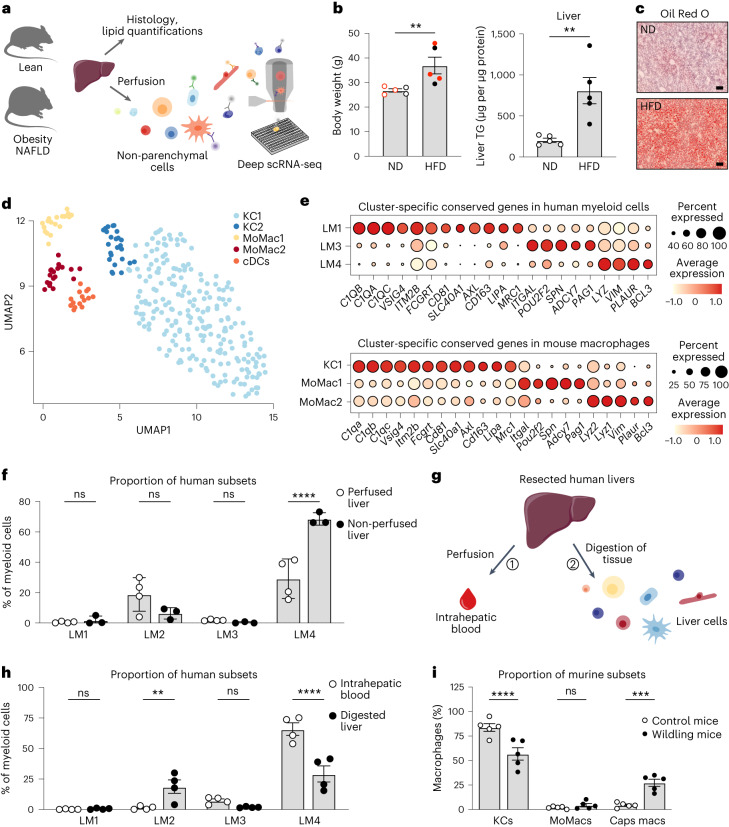
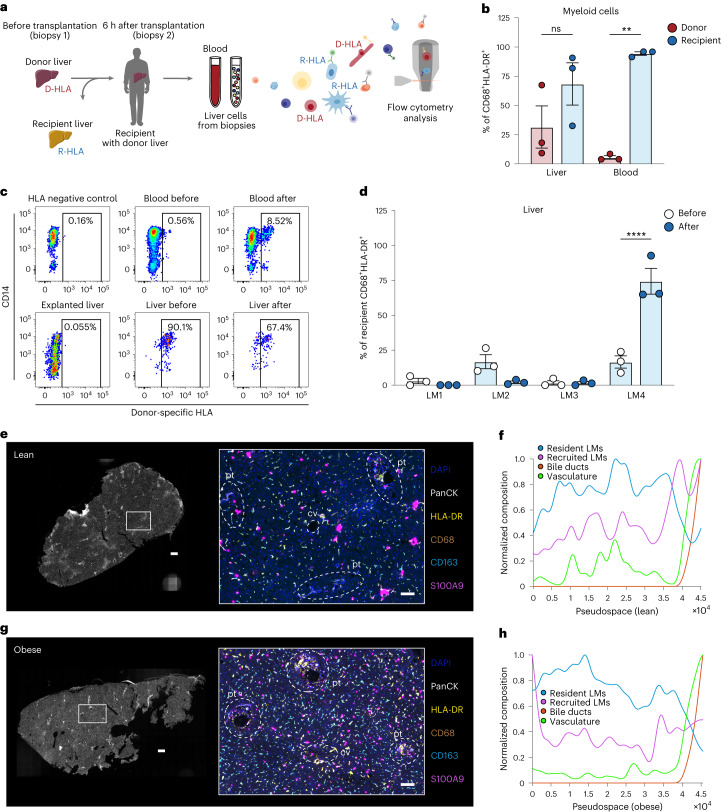
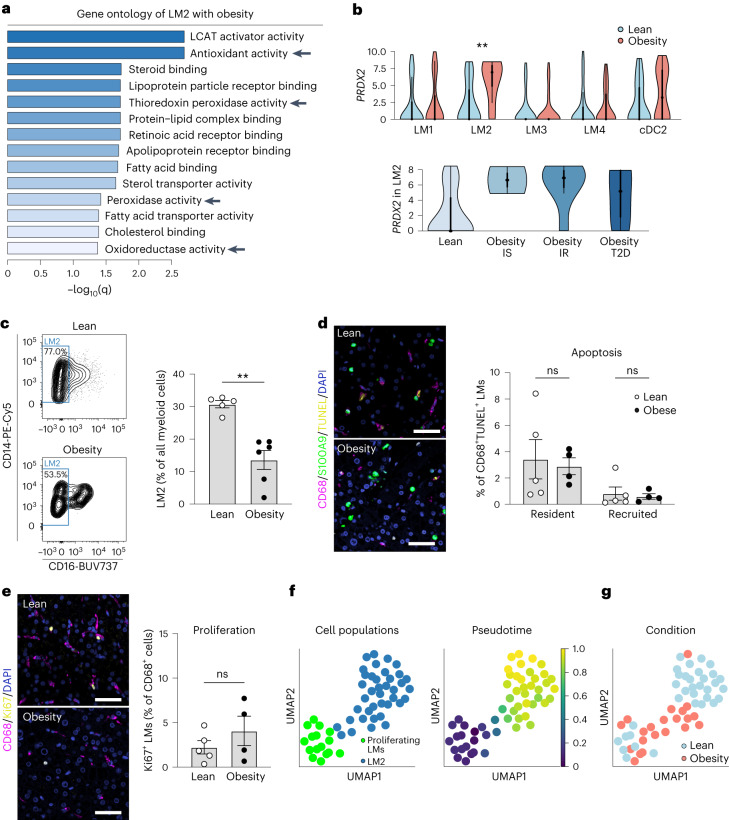
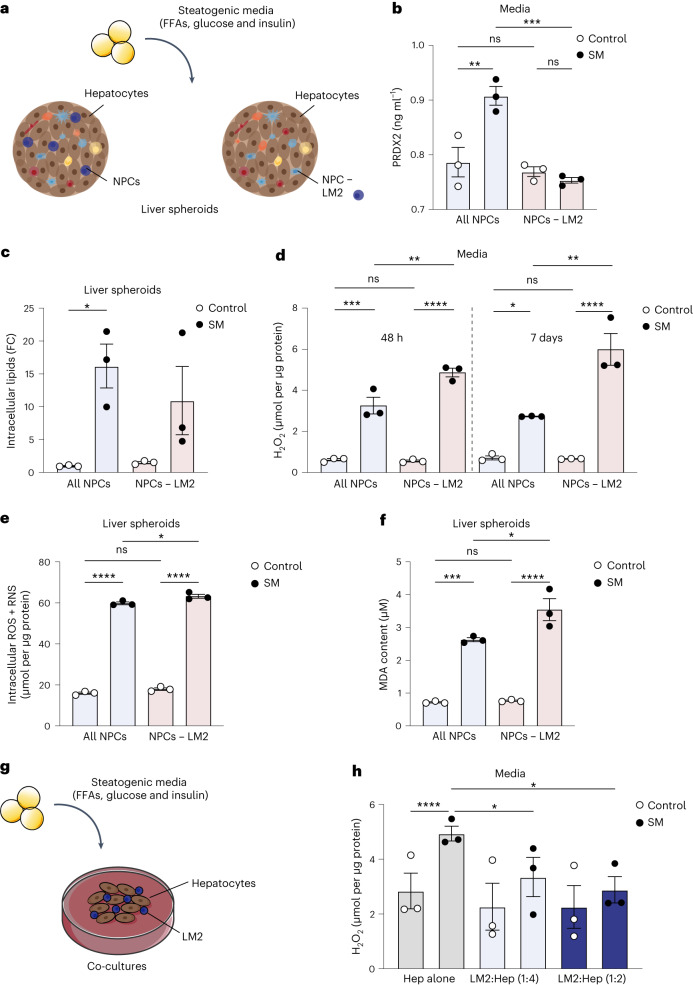
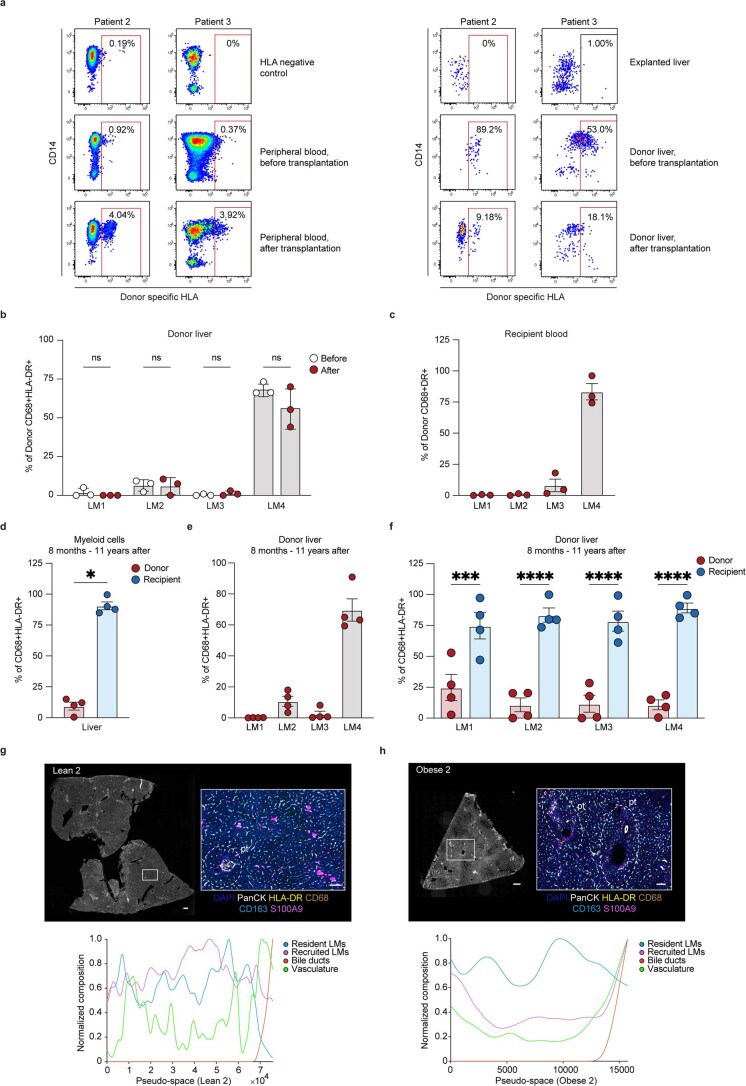
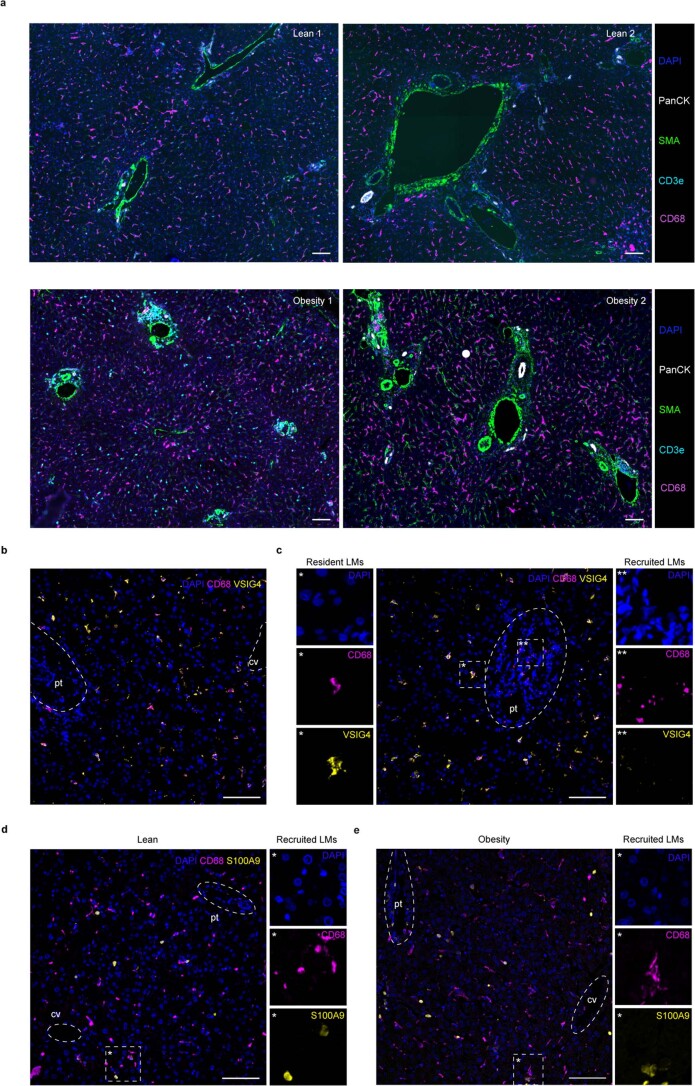
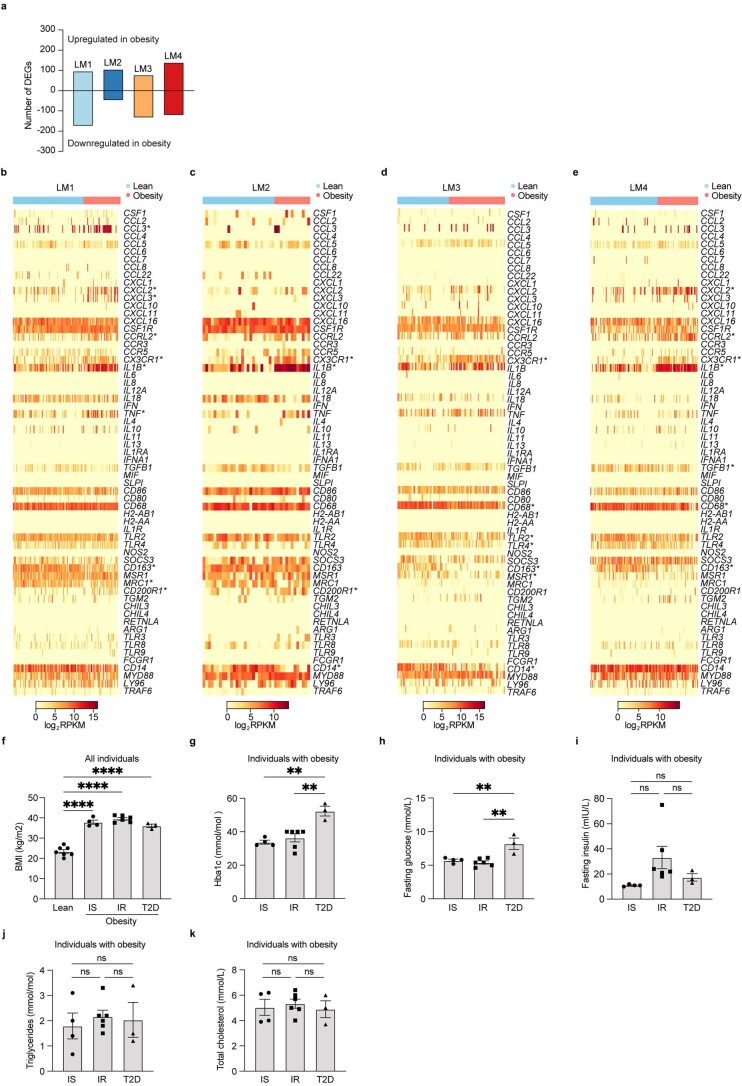
Although multiple populations of macrophages have been described in the human liver, their function and turnover in patients with obesity at high risk of developing non-alcoholic fatty liver disease (NAFLD) and cirrhosis are currently unknown. Herein, we identify a specific human population of resident liver myeloid cells that protects against the metabolic impairment associated with obesity. By studying the turnover of liver myeloid cells in individuals undergoing liver transplantation, we find that liver myeloid cell turnover differs between humans and mice. Using single-cell techniques and flow cytometry, we determine that the proportion of the protective resident liver myeloid cells, denoted liver myeloid cells 2 (LM2), decreases during obesity. Functional validation approaches using human 2D and 3D cultures reveal that the presence of LM2 ameliorates the oxidative stress associated with obese conditions. Our study indicates that resident myeloid cells could be a therapeutic target to decrease the oxidative stress associated with NAFLD.
尽管人类肝脏中已经描述了多种巨噬细胞群体,但它们在肥胖且有发展非酒精性脂肪性肝病 (NAFLD) 和肝硬化高风险的患者中的功能和更新情况目前尚不清楚。在此,我们鉴定了一种特定的常驻肝髓样细胞人群,可防止与肥胖相关的代谢损伤。通过研究肝移植个体中肝髓样细胞的更新,我们发现肝髓样细胞更新在人和小鼠之间存在差异。使用单细胞技术和流式细胞术,我们确定了保护性常驻肝髓样细胞(称为肝髓样细胞 2 (LM2))的比例在肥胖期间减少。使用人 2D 和 3D 培养物的功能验证方法表明,LM2 的存在可改善与肥胖相关的氧化应激。我们的研究表明,常驻髓样细胞可能是一个治疗靶点,可减少与 NAFLD 相关的氧化应激。